

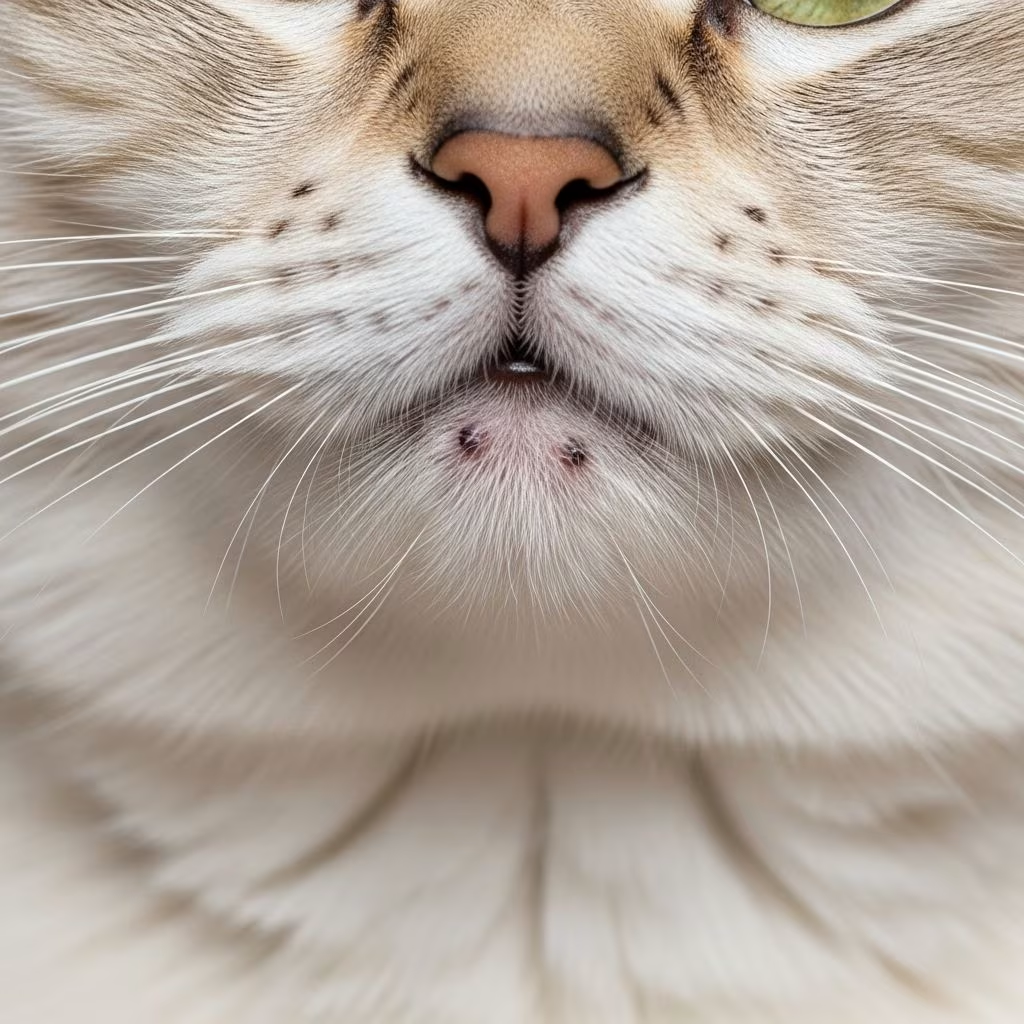
Feline chin acne, a common skin disorder in cats, manifests as clogged hair follicles primarily on the chin and lips, leading to blackheads, inflammation, and potential infections. This condition requires prompt attention through hygiene improvements and veterinary guidance to prevent escalation.
Recognizing the Signs of Cat Acne
Early detection of feline chin acne is crucial for effective management. Owners often notice small dark spots resembling human blackheads on their cat’s chin, which are actually comedones formed from trapped keratin and oils. These can progress to red, swollen bumps or pus-filled pustules if bacteria invade the follicles.
- Blackheads (comedones): Dark plugs visible on the chin surface, the mildest form.
- Redness and swelling: Indicates inflammation around affected follicles.
- Pustules or pimples: Whiteheads filled with pus from bacterial infection.
- Crusts or scabs: Dried discharge from ruptured follicles.
- Drainage or sores: In advanced cases, open wounds with oozing material.
While typically not itchy or painful in early stages, severe cases may cause discomfort, leading cats to rub their chins on surfaces. Differentiating acne from mimics like mites, ringworm, or eosinophilic granuloma is essential, often requiring veterinary examination.
Unraveling the Root Causes
The precise etiology of feline chin acne remains elusive, but it stems from excessive keratin and sebum production that blocks hair follicles. Multiple triggers contribute, spanning environmental, dietary, and health-related factors.
Environmental and Hygiene Contributors
Plastic food and water bowls harbor bacteria due to their porous nature, promoting follicle clogging. Poor grooming, especially in long-haired or overweight cats, allows oil buildup. Stress or trauma to the chin area can exacerbate the issue.
Internal and Health-Related Factors
Hormonal imbalances, weakened immune function, or allergies to food/environmental elements play roles. Underlying conditions like autoimmune disorders, viral infections (e.g., herpesvirus), or seborrheic dermatitis may predispose cats. Multi-cat households suggest shared environmental triggers over genetics.
| Factor Type | Examples | Impact on Acne |
|---|---|---|
| External | Plastic bowls, poor grooming | Bacterial growth, oil accumulation |
| Internal | Allergies, hormones, stress | Follicle clogging, inflammation |
| Other | Medications, viruses | Triggers flare-ups |
Step-by-Step Treatment Approaches
Treatment varies by severity, focusing on cleansing, infection control, and trigger removal. Always consult a veterinarian for tailored plans, as self-treatment risks worsening.
Mild Cases: Home Hygiene Protocols
Begin with daily gentle cleansing using cat-safe benzoyl peroxide wipes or chlorhexidine solutions to remove debris. Clip chin fur to reduce bacterial load and improve airflow. Switch to stainless steel, glass, or ceramic bowls, cleaning them daily.
- Wipe chin after meals with approved antiseptics.
- Monitor for improvement over 1-2 weeks.
- Avoid human products, which irritate feline skin.
Moderate to Severe Interventions
For infected or persistent acne, veterinarians prescribe topical antibiotics, antifungals, or retinoids. Oral antibiotics or steroids address systemic inflammation. Omega-3/6 supplements support skin barrier function and reduce swelling.
- Topicals: Antibiotic ointments applied daily.
- Oral meds: Short courses for pustules.
- Supplements: Fatty acids for long-term skin health.
In refractory cases, allergy testing or diet trials uncover hypersensitivities. Lifelong maintenance is common to prevent recurrences.
Proactive Prevention Strategies
Preventing flare-ups involves consistent habits that minimize triggers. Integrate these into daily routines for optimal feline skin health.
- Use non-porous bowls and wash them frequently.
- Groom chin area regularly, especially post-meals.
- Maintain stress-low environments with enrichment.
- Schedule routine vet check-ups for early detection.
- Consider hypoallergenic diets if allergies suspected.
Regular bathing with medicated shampoos, though cats dislike water, can be beneficial under guidance. Environmental cleanliness reduces allergen exposure.
Common Myths and Misconceptions
Several myths surround cat acne, leading to improper care. Contrary to belief, it’s not contagious or solely adolescent-related; all ages and breeds can suffer. Popping pimples mimics human acne treatment but risks scarring and spreads bacteria in cats. Over-oiling or harsh scrubs worsen irritation—stick to vet-recommended gentle methods.
When to Seek Veterinary Help
Consult a vet if blackheads persist beyond two weeks of home care, or if swelling, pus, fever, or lethargy appear. Diagnostic tools like cytology, biopsies, or cultures rule out differentials. Early intervention prevents chronic issues or abscesses.
Frequently Asked Questions (FAQs)
Is cat chin acne painful?
Mild cases are often asymptomatic, but severe infections cause discomfort and rubbing behaviors.
Can diet influence feline acne?
Yes, food allergies may trigger outbreaks; hydrolyzed diets help identify culprits.
How long does treatment take?
Mild cases improve in days to weeks; severe ones may need months of management.
Does shaving the chin help?
Short-term fur clipping aids cleaning but regrows; not a cure.
Can over-the-counter products suffice?
Cat-specific wipes work for mild acne, but vet oversight ensures safety.
Long-Term Management for Clear Skin
Feline chin acne often requires ongoing vigilance rather than a one-time fix. Establish a hygiene routine, monitor for triggers, and follow vet protocols. With diligence, most cats enjoy blemish-free chins and improved quality of life. Track progress with photos and adjust as needed, fostering a partnership with your veterinarian for sustained success.
References
- Cat Acne – PetMD — PetMD. 2023. https://www.petmd.com/cat/conditions/skin/cat-acne
- Cat Acne: Causes, Prevention, and Treatment Options — Boulder Veterinary Hospital. 2024. https://bouldervet.com/blog/cat-acne/
- Why Does My Cat Have Chin Acne? Causes and Solutions — Orchard Road Animal Hospital. 2023. https://www.orchardroadanimalhospital.com/services/cats/blog/why-does-my-cat-have-chin-acne-causes-and-solutions-feline-breakouts
- Cat Acne: Causes, What It Looks Like, and How to Treat It — GoodRx. 2024. https://www.goodrx.com/pet-health/cat/cat-acne
- Cat Acne: Causes and Solutions for Feline Acne — Chewy. 2023. https://www.chewy.com/education/cat/health-and-wellness/cat-acne
- Managing Feline Acne — Texas A&M College of Veterinary Medicine. 2023. https://vetmed.tamu.edu/news/pet-talk/managing-feline-acne/



