

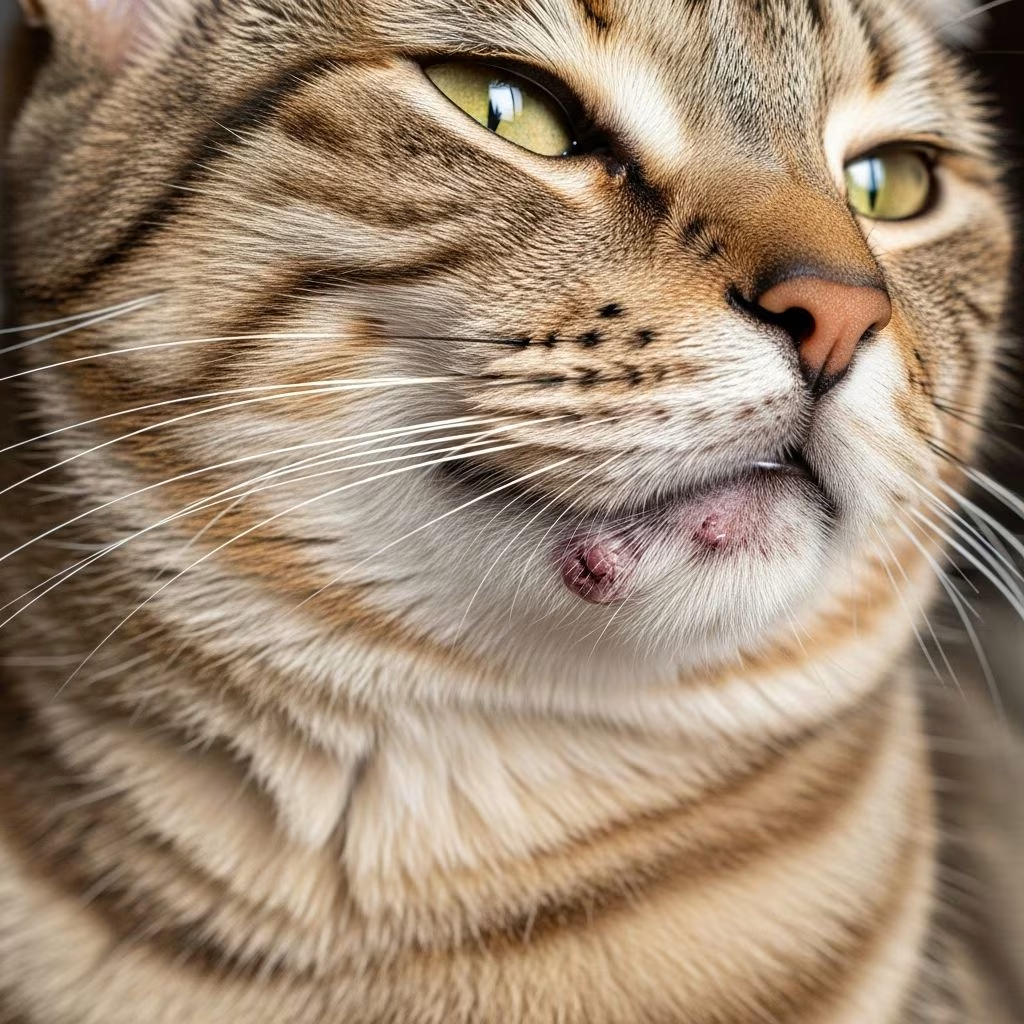
Introduction to Feline Acne as a Dermatological Condition
Feline acne represents one of the most commonly encountered dermatological issues in domestic cats, yet it remains poorly understood by many pet owners and even some veterinary professionals. This skin condition manifests primarily on the chin and lower lip regions, characterized by the formation of blackheads, pustules, and inflammatory lesions that can vary significantly in severity from one cat to another. Unlike the misconception that acne exclusively affects adolescent humans, cats of any age can develop this condition, and it often requires ongoing management throughout the animal’s lifetime.
The pathophysiology of feline acne involves complex interactions between follicular obstruction, sebaceous gland overactivity, and secondary bacterial colonization. When hair follicles around the chin become clogged with excess sebum and keratin—proteins that make up the outer layer of skin—inflammation develops. This inflammatory cascade can quickly escalate into secondary infections when bacteria penetrate the compromised follicular barrier.
Recognizing the Clinical Presentation of Feline Acne
Pet owners and veterinarians should be familiar with the various manifestations of feline acne to enable early detection and intervention. The condition typically presents with distinct clinical signs that vary in intensity depending on disease severity and infection status.
Primary and Secondary Symptoms
- Comedones and blackheads: Small dark spots that appear on the chin and around the lips, representing plugged follicles filled with sebaceous material
- Pustules and papules: Inflamed bumps that may resemble pimples and can develop pus-filled centers
- Skin alterations: Thickened or reddened skin in affected areas, often accompanied by loss of normal texture
- Crusting and discharge: In more severe cases, crusty lesions may form with occasional oozing of purulent material
- Behavioral changes: Affected cats frequently rub their chin on furniture and other objects, attempting to relieve discomfort or pruritus
- Hair loss: Alopecia may occur in localized areas due to excessive licking or rubbing
Most commonly, pet owners first notice the presence of blackheads on their cat’s chin, which may prompt them to seek veterinary evaluation. While these lesions are often purely cosmetic, the psychological and physical comfort of the cat should always be considered in treatment planning.
Multifactorial Etiology: Unraveling the Complex Causes
The development of feline acne involves multiple contributing factors, and in most cases, no single causative agent can be definitively identified. This multifactorial nature makes prevention and treatment particularly challenging and requires a comprehensive diagnostic approach.
Environmental and Behavioral Contributors
Environmental factors play a substantial role in acne development. The use of plastic food and water dishes has been strongly associated with increased acne prevalence, as plastic materials can harbor bacteria and irritate sensitive skin. Additionally, poor grooming habits—whether due to obesity, arthritis, or behavioral factors—contribute to oil and dirt accumulation on the chin. Cats that fail to maintain adequate chin hygiene develop conditions favoring blackhead formation and follicular obstruction.
Internal Health Factors and Immune Function
Systemic health conditions significantly influence acne development. Hormonal imbalances, particularly involving sebaceous gland regulation, can trigger excess sebum production. Stress-induced physiological changes may suppress immune function and alter skin barrier integrity. Hypersensitivity reactions to dietary components or environmental allergens can perpetuate inflammation and follicular disruption. Furthermore, underlying skin conditions such as seborrheic dermatitis or eosinophilic granuloma complex may present with acne-like lesions or predispose cats to secondary acne development.
Secondary Microbial Infections
Bacterial colonization frequently accompanies feline acne, transforming a primarily follicular obstruction issue into an active infection. Research indicates that coagulase-positive staphylococci and alpha-hemolytic streptococci represent the most commonly isolated organisms from infected lesions. These bacteria exploit the compromised follicular environment, initiating inflammatory responses that worsen clinical signs and complicate treatment protocols.
Diagnostic Approach and Clinical Evaluation
Accurate diagnosis of feline acne relies primarily on clinical examination combined with cytological assessment when infection is suspected. Veterinarians should conduct a thorough history, including questions about food bowl materials, grooming capabilities, recent environmental changes, dietary composition, and stress factors within the household.
Diagnostic Techniques
- Visual and tactile examination: Direct observation of lesion distribution, morphology, and severity on the chin and lips
- Cytological analysis: Impression smears or swabs identifying inflammatory cells and bacterial presence, guiding antibiotic selection
- Bacterial and fungal cultures: Indicated when severe infection is present or when lesions are refractory to initial treatment
- Dermatophyte testing: Fungal cultures to rule out ringworm or other mycological involvement
- Skin biopsy and histopathology: Reserved for complicated cases, chronic conditions, or when systemic disease is suspected
- Allergy testing: May be warranted if concurrent allergic dermatitis is evident
Benzoyl Peroxide: Mechanism, Application, and Clinical Efficacy
Benzoyl peroxide represents one of the most widely employed topical agents in feline acne management. This antimicrobial and keratolytic compound offers multiple beneficial properties for treating follicular inflammation and bacterial colonization.
Pharmacological Properties and Actions
Benzoyl peroxide functions through several mechanisms that make it particularly effective for acne treatment. Its antimicrobial activity derives from the production of free radicals that disrupt bacterial cell walls and metabolic processes. The oxygen-releasing properties of benzoyl peroxide create an inhospitable environment for anaerobic bacteria commonly involved in acne pathogenesis. Additionally, benzoyl peroxide possesses keratolytic properties that help dislodge comedones and promote normal follicular keratinization patterns.
Formulations and Concentrations for Feline Use
Various benzoyl peroxide formulations exist, ranging from 2.5% to 10% concentrations in creams, gels, and medicated washes. For feline applications, lower concentrations (2.5% to 5%) are generally preferred to minimize irritation risk. Medicated shampoos containing benzoyl peroxide offer advantages in cleansing affected areas while delivering therapeutic agents directly to follicular structures. These shampoos should be massaged gently onto affected areas and allowed to remain in contact for several minutes before thorough rinsing.
Application Protocols and Treatment Duration
Initial benzoyl peroxide therapy typically involves application twice daily for one to two weeks, with subsequent assessment of response. If lesions show improvement without adverse reactions, treatment frequency may be reduced to once daily or every other day for maintenance. Treatment courses generally extend for four to eight weeks, with reassessment at two-week intervals. Cases demonstrating minimal response after four weeks warrant reconsideration of diagnosis or inclusion of systemic agents.
Potential Adverse Effects and Precautions
While benzoyl peroxide is generally well-tolerated in cats, certain adverse effects warrant attention. Skin irritation, characterized by erythema, dryness, or scaling, may develop with prolonged application, particularly in cats with sensitive skin. Cats that excessively groom treated areas may experience mild gastrointestinal upset from ingestion. To minimize these risks, owners should avoid applying benzoyl peroxide near the eyes and inner ears, and should carefully monitor for signs of contact irritation. Application of emollient creams following benzoyl peroxide therapy can reduce desiccation-related adverse effects.
Comprehensive Treatment Strategies Beyond Benzoyl Peroxide
Hygiene Optimization as First-Line Management
Improved hygiene protocols form the foundation of feline acne management and should be implemented in virtually all cases. Daily gentle cleansing of the chin and lower lip with warm water or mild chlorhexidine-based cleansers removes excess sebum and environmental debris. Transitioning from plastic to stainless steel, ceramic, or glass food and water dishes eliminates a significant source of bacterial contamination and potential irritants. Regular grooming, particularly for overweight or arthritic cats, ensures adequate self-care capacity and prevents follicular plugging.
Systemic Antibiotic Therapy
Cases demonstrating extensive secondary bacterial infection or poor response to topical therapy require systemic antibiotics. Commonly recommended agents include amoxicillin-clavulanic acid, cephalexin, clindamycin, and metronidazole. Antibiotic selection should ideally be guided by culture and sensitivity results when available. Treatment duration typically extends for six to eight weeks, with continuation for at least two weeks following resolution of clinical signs. Extended therapy helps prevent rapid relapse and ensures complete eradication of pathogenic organisms.
Anti-inflammatory and Immunomodulatory Approaches
Oral or topical corticosteroids reduce inflammation and may be incorporated into treatment protocols for severe cases, particularly when extensive pustulation or pain is evident. Short-term steroid therapy (one to two weeks) often provides rapid relief, while prolonged use should be avoided due to immunosuppressive effects. Omega-3 and omega-6 fatty acid supplementation supports skin barrier function and may reduce inflammatory responses. These supplements require consistent administration for several weeks before clinical benefits become apparent.
Allergen Identification and Dietary Management
When acne appears concurrent with other allergic manifestations, identifying and eliminating allergens becomes essential. Dietary elimination trials replacing the current food with a novel protein source or limited-ingredient diet may reveal food-related triggers. Environmental allergen reduction through enhanced ventilation, air filtration, and reduced dust exposure can benefit cats with environmental sensitivities. Immunotherapy or antihistamine treatment may be warranted in cases of confirmed allergen exposure.
Long-Term Management and Relapse Prevention
Feline acne typically requires lifelong management, as most cats experience recurrence when treatment is discontinued. A maintenance protocol incorporating periodic chin cleansing, dietary optimization, and stress reduction measures helps minimize flare-up frequency and severity. Owners should be educated regarding early recognition of lesion formation, enabling prompt intervention before severe infections develop. Regular veterinary monitoring at three to six month intervals ensures treatment protocols remain effective and allows for protocol adjustments as needed.
Emerging Therapies and Alternative Treatment Modalities
Beyond conventional pharmacological approaches, several alternative modalities show promise in feline acne management. Natural ingredients including aloe vera, tea tree oil, and calendula possess antimicrobial and anti-inflammatory properties. However, these remedies should only be applied under veterinary guidance, as some essential oils can be toxic to cats. Dietary supplements containing probiotics may support beneficial skin microbiota and enhance immune function. Stress-reduction techniques and environmental enrichment contribute to overall skin health through psychoneuroimmunological pathways.
Client Education and Realistic Expectations
Effective feline acne management requires thorough client education regarding disease chronicity, treatment timelines, and realistic outcomes. Pet owners must understand that while acne is controllable, complete permanent cure is rarely achievable. Setting appropriate expectations regarding visible improvement timelines (typically two to four weeks) prevents premature abandonment of effective protocols. Demonstrating proper application techniques for topical medications ensures optimal therapeutic delivery and improves compliance. Written instructions providing step-by-step guidance for home management significantly enhance treatment success rates.
When to Escalate Care and Seek Specialist Consultation
Certain clinical scenarios warrant referral to veterinary dermatologists or additional diagnostic investigation. Acne refractory to standard treatment protocols, cases involving facial distribution beyond the chin, or concurrent systemic signs suggesting underlying disease should receive specialist evaluation. Histopathological examination becomes indicated in complicated presentations to definitively characterize the inflammatory response and guide targeted therapy.
Conclusion: Integrative Approaches to Feline Acne Management
Feline acne management demands recognition of its multifactorial nature and commitment to comprehensive, individualized treatment protocols. While benzoyl peroxide provides effective topical antimicrobial and keratolytic benefits, optimal outcomes result from combining pharmacological interventions with rigorous hygiene optimization, dietary assessment, and stress reduction. Pet owners armed with knowledge regarding causative factors, preventive strategies, and realistic treatment expectations become invaluable partners in achieving long-term disease control and maintaining their cats’ dermatological health and quality of life.
References
- Cat Acne: Causes, Prevention, and Treatment Options — Boulder Veterinary Clinic. 2024. https://bouldervet.com/blog/cat-acne/
- Cat Acne — PetMD. 2024. https://www.petmd.com/cat/conditions/skin/cat-acne
- Chin Acne Feline: Update on Diagnosis and Treatments — DermaVet Professional. 2024. https://pro.dermavet.com/feline-acne-diagnosis-treatment-research/
- Acne in Cats – Causes, Treatment and Associated Conditions — Vetster. 2024. https://vetster.com/en/conditions/cat/acne
- Acne and Stud Tail — International Cat Care. 2024. https://icatcare.org/articles/acne-and-stud-tail
- Managing Feline Acne — Texas A&M College of Veterinary Medicine. 2024. https://vetmed.tamu.edu/news/pet-talk/managing-feline-acne/



