

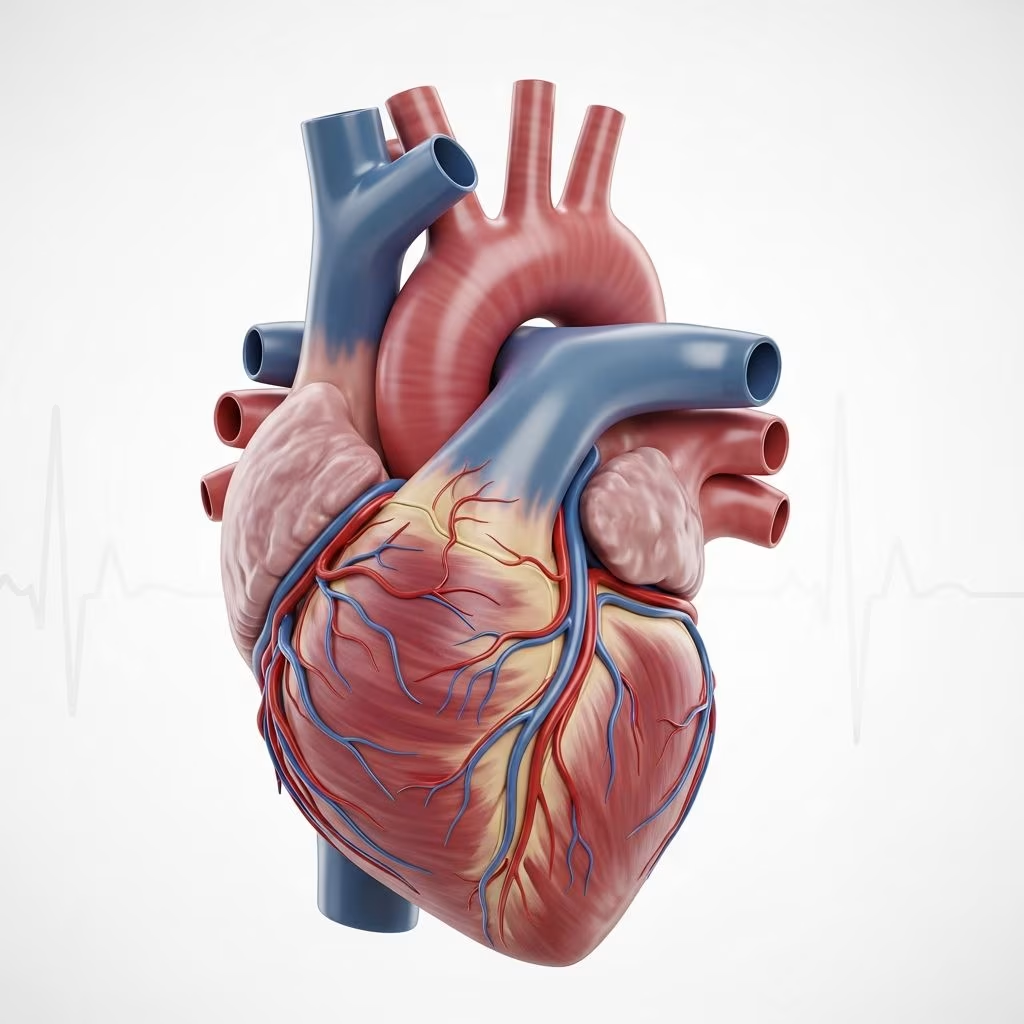
The cardiovascular system is fundamental to your cat’s overall health and longevity. When problems develop within this intricate network of the heart and blood vessels, they can significantly impact your pet’s quality of life. Unlike dogs, cats experience a distinct pattern of heart diseases, with certain conditions being far more prevalent in felines than in canines. Understanding these conditions, recognizing early warning signs, and knowing when to seek veterinary care are essential responsibilities for any cat owner.
The Basics of Feline Heart Function
Your cat’s heart works tirelessly to circulate oxygen-rich blood throughout the body while removing waste products. The heart consists of four chambers: two upper chambers called atria that receive blood, and two lower chambers called ventricles that pump blood out. A series of valves ensures blood flows in one direction, preventing backflow. When any component of this system malfunctions, it can trigger a cascade of problems affecting multiple organ systems.
The left side of the heart is particularly susceptible to disease in cats, as this chamber bears the greatest workload in pumping blood to the entire body. Problems in this area can lead to fluid accumulation in the lungs and eventual heart failure if left untreated.
Primary Categories of Feline Heart Disease
Muscle-Based Heart Conditions (Cardiomyopathies)
Cardiomyopathies represent diseases affecting the heart muscle tissue itself, and they constitute the most common form of heart disease diagnosed in domestic cats. These conditions occur when the heart muscle undergoes structural or functional changes that impair its ability to contract effectively and pump blood efficiently.
Hypertrophic Cardiomyopathy (HCM) stands as the most frequently diagnosed heart condition in feline patients. This disease develops when the walls of the left ventricle abnormally thicken and lose their normal flexibility. As the muscle walls enlarge, the chamber itself becomes smaller, reducing the volume of blood that can be accommodated with each heartbeat. This thickening occurs without necessarily enlarging the overall size of the heart initially, making early detection challenging.
The consequences of HCM extend beyond the heart muscle itself. As the left ventricle becomes less efficient, blood backs up into the left atrium, causing this upper chamber to expand. The stretching of tissues and valve structures from this backup creates additional strain on the heart’s pumping mechanisms. Over time, fluid may accumulate in the lungs and the spaces surrounding them, making breathing difficult. Perhaps most dangerously, the altered blood flow patterns within the enlarged heart create ideal conditions for blood clots to form. These clots can travel through the bloodstream and lodge in critical locations, including saddle thrombi near the hip region, potentially causing hind limb paralysis.
Restrictive Cardiomyopathy (RCM) presents a different pattern of muscle dysfunction. Rather than the muscle walls thickening, they become abnormally stiff and lose their ability to relax and stretch. This stiffness prevents the ventricles from adequately filling with blood between heartbeats. The result is similar to HCM in many respects: the left atrium enlarges, fluid accumulates in the lungs, and the risk of heart failure increases. Medical professionals note that RCM generally carries a poorer long-term outlook than HCM, particularly in cats that develop congestive heart failure.
Arrhythmogenic Right Ventricular Cardiomyopathy (ARVC) is a rare form of heart muscle disease in cats, primarily affecting the right side of the heart, though it may occasionally involve the left ventricle. This condition involves the replacement of normal heart muscle tissue with fibrous and fatty tissue, leading to progressive deterioration. Cats with ARVC experience breathing difficulties, rapid respiration, fainting episodes, and nonspecific signs such as reduced appetite and fatigue. The long-term prognosis for this rare condition remains generally poor.
Valve-Related Heart Diseases
While less common in cats than in dogs, degenerative valve disease does occur in feline patients. This acquired condition involves the thickening of heart valves, which prevents them from closing properly and allows blood to flow backward through the valve opening. The mitral valve, located between the left atrium and left ventricle, is the most commonly affected structure. When the mitral valve malfunctions, blood returns from the left ventricle back into the left atrium, perpetuating the cycle of chamber enlargement and eventual left-side heart failure. If the tricuspid valve, which lies between the right atrium and right ventricle, becomes affected instead, right-side heart failure can develop.
Infection of the Heart Lining
Infective endocarditis occurs when bacteria carried through the bloodstream infect the thin membrane lining the heart cavity (the endocardium). The infection typically targets one of the heart valves, though the chamber walls may also become infected. As the infection progresses, it gradually destroys valve tissue and prevents proper valve function. The aortic and mitral valves are most frequently affected in cats, though this condition remains rare in the feline population.
A particularly serious complication of endocarditis involves the formation of infected blood clots on affected valves. These clots can dislodge and travel to various organs and tissues throughout the body, including the nervous system, digestive tract, urinary system, reproductive organs, and joints, causing damage at multiple sites. Cats with endocarditis typically present with a heart murmur, fever, weight loss, and general fatigue. If the condition progresses to heart failure, affected cats experience breathing difficulties.
Structural and Fluid-Related Complications
Beyond the primary muscle and valve diseases, cats can develop secondary cardiovascular problems affecting the protective membranes and fluid spaces surrounding the heart. Pericardial disease involves inflammation or infection of the pericardium, the sac surrounding the heart. When excessive fluid accumulates within this space—a condition called pericardial effusion—it can compress the heart chambers and significantly impair their ability to fill with blood and contract effectively.
This compression, known as cardiac tamponade, creates severe circulatory problems. Fluid backs up into the veins, causing the jugular veins in the neck to become visibly swollen, and fluid accumulates in the abdominal cavity. Tissues throughout the body fail to receive adequate oxygen as circulation becomes compromised. In cats, congestive heart failure is the most common cause of this life-threatening condition, though cancer (particularly lymphoma), infections such as feline infectious peritonitis, traumatic injury, and cardiac chamber rupture can also trigger pericardial effusion.
Systemic Hypertension and Its Cardiac Effects
High blood pressure in cats can originate from multiple sources, including kidney disease, hyperthyroidism, and primary hypertension. Sustained elevated blood pressure forces the heart to work harder to pump against increased resistance in the blood vessels. Over time, this excessive workload causes the heart muscle to thicken and eventually fail. Cats with hyperthyroidism, a common condition in senior felines, face particularly elevated risk for both hypertension and subsequent heart disease, which can increase vulnerability to life-threatening heart attacks.
Diagnostic Approaches to Heart Disease
Veterinarians employ multiple diagnostic tools to identify and characterize cardiovascular disease in cats. The process typically begins with a physical examination, during which the veterinarian listens to the heart with a stethoscope, listening for abnormal sounds such as murmurs or arrhythmias.
Echocardiography (ultrasound) serves as a cornerstone diagnostic tool for feline heart disease. This non-invasive imaging technique allows veterinarians to visualize the heart’s structure and function in real-time, measuring chamber sizes, wall thickness, and valve function. Echocardiography can definitively diagnose conditions like HCM and RCM by revealing characteristic structural changes. The procedure requires no anesthesia in most cases and provides detailed information about the severity of disease and appropriate treatment options.
X-ray imaging helps identify secondary effects of heart disease, particularly fluid accumulation in the lungs (pulmonary edema) or abdomen. X-rays can also reveal enlargement of various heart chambers, providing additional diagnostic information.
Electrocardiography (ECG) records the electrical activity of the heart, revealing rhythm abnormalities and evidence of muscle damage or enlargement. This test helps identify arrhythmias that may accompany heart disease.
Blood tests provide information about organ function, electrolyte balance, and cardiac biomarkers that indicate heart stress or damage. These tests help evaluate overall health and identify contributing conditions like hyperthyroidism or kidney disease.
Blood pressure measurement helps identify systemic hypertension, which may be either a cause or consequence of heart disease.
Clinical Signs Requiring Veterinary Attention
Cat owners should recognize several warning signs that suggest cardiovascular disease:
- Difficulty breathing or rapid, labored respiration
- Lethargy, reduced activity, or reluctance to exercise
- Loss of appetite or weight loss
- Coughing or gagging
- Fainting or collapse episodes
- Hind limb paralysis or sudden inability to use back legs
- Open-mouth breathing
- Abdominal distention from fluid accumulation
- Pale or bluish gums indicating poor oxygen circulation
Any of these signs warrant immediate veterinary evaluation, particularly sudden onset symptoms like hind limb paralysis or severe breathing difficulty.
Treatment Approaches and Management
Treatment strategies vary depending on the specific diagnosis and disease severity. Some conditions respond well to medications that reduce the heart’s workload, improve contractility, or prevent blood clot formation. Diuretics help eliminate excess fluid accumulating in the lungs or abdomen. ACE inhibitors reduce blood vessel resistance and improve cardiac output. Beta-blockers and calcium channel blockers improve heart relaxation and filling.
Anticoagulant therapy becomes essential for cats with cardiomyopathies, particularly HCM, to prevent the formation of life-threatening blood clots. In some cases, cats may require oxygen supplementation to maintain adequate oxygen levels during acute crisis episodes.
Diet modifications, including sodium restriction and maintaining optimal body weight, support overall cardiovascular health. Environmental modifications that reduce stress can also benefit affected cats.
Complications and Prognosis
Heart disease in cats carries risks of serious complications. Congestive heart failure, where the weakened heart cannot pump effectively and fluid backs up into the lungs and body cavities, represents a major concern. Thromboembolism—the formation and lodging of blood clots—constitutes another grave complication, potentially causing sudden paralysis or organ damage. Heart attacks, while relatively rare, can occur in cats with pre-existing heart disease and frequently prove fatal. Arrhythmias may develop as the diseased heart muscle becomes irritable.
Prognosis depends on the specific diagnosis, disease stage at detection, and individual cat factors. Some cats live for years with properly managed heart disease, while others face rapidly progressive conditions. Early detection through regular veterinary care and prompt treatment initiation generally result in the best outcomes.
Frequently Asked Questions
Can cat heart disease be cured?
Most feline heart diseases are chronic conditions that can be managed but not cured. Treatment focuses on slowing disease progression, managing symptoms, and improving quality of life.
How often should cats with heart disease be examined?
Cats newly diagnosed with heart disease typically require veterinary reassessment every 2-4 weeks initially, then every 3-6 months depending on disease stability and treatment response. Cats with congestive heart failure may need more frequent monitoring.
Is heart disease hereditary in cats?
Some forms of cardiomyopathy appear to have genetic components in certain cat breeds, though environmental factors also play roles in disease development.
Can indoor cats develop heart disease?
Yes. While some conditions like heartworm disease are less common in strictly indoor cats, they can still develop if mosquitoes gain house access. Most feline heart diseases occur regardless of indoor or outdoor status.
What is the difference between a heart murmur and heart disease?
A heart murmur is an abnormal heart sound detected on examination, which may indicate underlying heart disease but does not automatically confirm it. Further diagnostic testing is needed to determine if disease is actually present.
References
- Acquired Heart and Blood Vessel Disorders in Cats — Merck Veterinary Manual, Mark D. Kittleson, DVM, PhD. https://www.merckvetmanual.com/cat-owners/heart-and-blood-vessel-disorders-of-cats/acquired-heart-and-blood-vessel-disorders-in-cats
- Heart problems in cats | Health A-Z — Joii Pet Care. https://www.joiipetcare.com/blogs/health-conditions/heart-problems-in-cats
- Protecting Your Pet’s Heart: A Guide to Heart Disease in Dogs and Cats — Southern Arizona Veterinary Specialists. https://southernazvets.com/protecting-your-pets-heart-a-guide-to-heart-disease-in-dogs-and-cats/
- The Feline Cardiomyopathies: 1. General concepts — PubMed Central, PMC8723176. https://pmc.ncbi.nlm.nih.gov/articles/PMC8723176/
- Cat Cardiology | Feline Heart Disease — Animal Clinic of Billings. https://www.animalclinicofbillings.com/cat-services/cat-cardiology/
- Heart Attacks in Cats — PetMD. https://www.petmd.com/cat/conditions/cardiovascular/heart-attacks-cats



