
Feline Calicivirus (FCV) Vaccine: Protection Guide
Complete guide to FCV vaccination: protecting your cat from calicivirus infection.
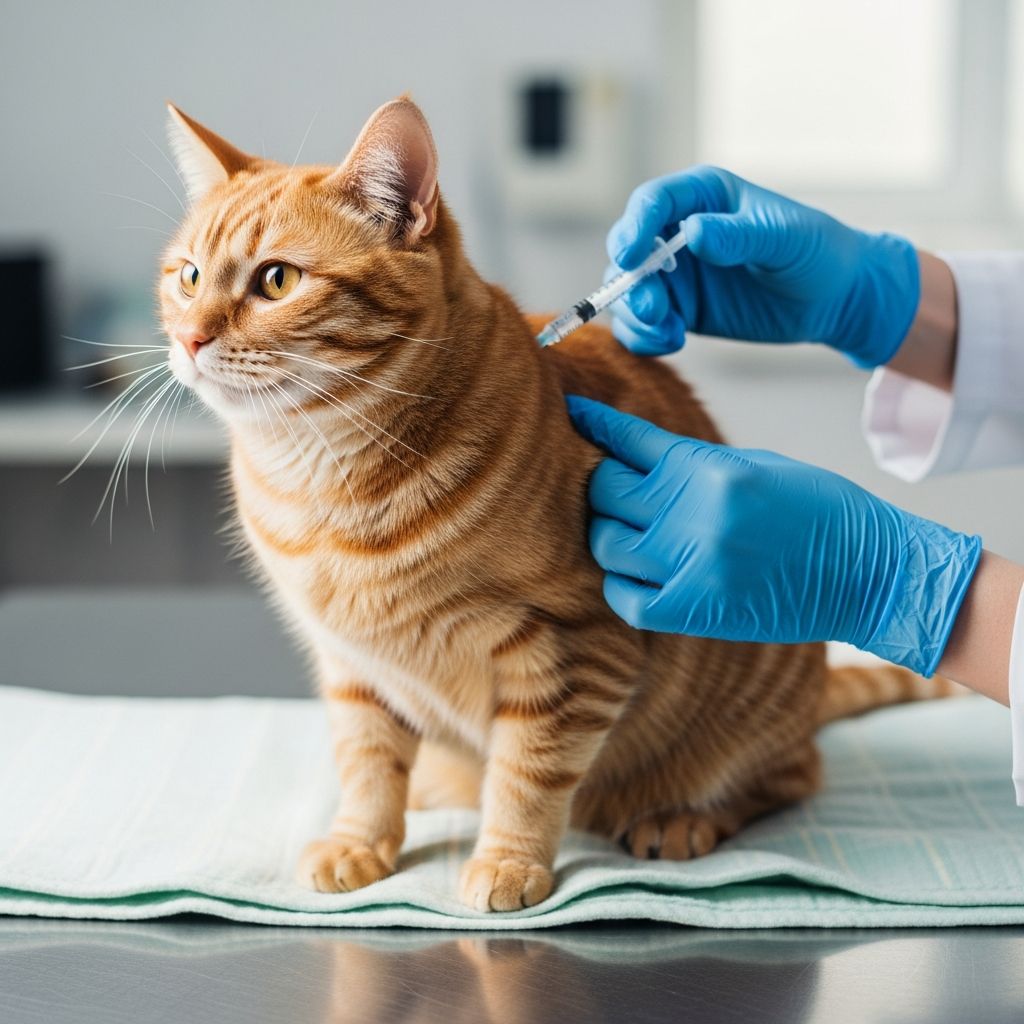
Understanding Feline Calicivirus (FCV) and Vaccination
Feline calicivirus (FCV) is one of the most common and contagious viral diseases affecting domestic cats worldwide. This highly mutagenic RNA virus causes a range of clinical signs including oral ulcerations, fever, reduced general condition, pneumonia, limping, and in severe cases, virulent-systemic disease (VS-FCV). The virus spreads rapidly among cats, particularly in multi-cat environments such as shelters, breeding facilities, and households with multiple felines. Understanding the importance of FCV vaccination is essential for cat owners who want to protect their pets from this potentially serious illness.
Vaccination against FCV is considered a core vaccine recommendation for all cats, regardless of lifestyle or living situation. The FCV vaccine is typically administered as part of the FVRCP vaccine combination, which also protects against feline viral rhinotracheitis (FVR) and feline panleukopenia (FP). While the vaccine does not prevent infection entirely, it significantly reduces the severity of clinical signs and minimizes the duration and amount of viral shedding if a cat becomes infected.
How FCV Spreads and Why Vaccination Matters
FCV spreads through direct contact with infected cats via ocular and nasal secretions, making it highly contagious in environments where multiple cats live together. The virus has a simple yet effective structure, consisting of genetic material enclosed in a protein shell called a capsid. This protective capsid design enables FCV to resist common disinfectants, making thorough cleaning and hygiene practices critical in controlling its spread among cats.
The high genetic diversity of FCV poses a significant challenge in vaccine design and effectiveness. FCV is known for its ability to mutate rapidly, creating new vaccine-resistant variants over time. This genetic variability is why vaccination remains crucial—even when cats may encounter strains different from those in the vaccine, the immune protection developed through vaccination typically prevents severe disease.
Vaccine Types and Components
Two primary types of FCV vaccines are commercially available: modified-live vaccines and inactivated vaccines. Modified-live vaccines contain attenuated (weakened) virus that replicates in the cat’s body but does not cause disease, stimulating a strong immune response. Inactivated vaccines contain killed virus and are safer for immunocompromised cats but may produce a slightly less robust immune response compared to modified-live vaccines.
Modified-live FCV vaccines have been used effectively for several decades, with the F9 strain being one of the most commonly used vaccine strains globally. Recent research demonstrates that modified-live FCV vaccination reduces viral RNA in vaccinated cats and provides significant protection against severe clinical signs when cats encounter field strains of the virus.
Emerging vaccine technologies show promise for the future of FCV protection. These include mRNA vaccines and subunit vaccines, which represent innovative approaches to immunization. While these technologies are not yet commercially available, they hold significant potential for providing enhanced protection against FCV and potentially addressing issues related to vaccine strain diversity.
Vaccination Schedule for Kittens and Adult Cats
Establishing a proper vaccination schedule is fundamental to ensuring optimal protection against FCV throughout a cat’s life. The vaccination protocol varies depending on the cat’s age and health status.
Kitten Vaccination Protocol
Kittens should receive their first FVRCP inoculation between 6 and 8 weeks of age. This initial vaccination is pivotal in initiating kittens’ immune response to FCV and other core pathogens. Following the first dose, consecutive doses of the FVRCP vaccination should be administered every 3 to 4 weeks until the kitten reaches 16 to 20 weeks of age. These successive vaccinations progressively fortify the kitten’s immunity as their maternal antibodies wane, ensuring robust protection during their vulnerable early months.
Adult Cat Vaccination Schedule
After completing the initial kitten vaccination series, cats require a booster dose one year following their last kitten dose. This booster strengthens the immune system’s protective response against FCV infection. Subsequently, adult cats require booster vaccinations every three years to maintain long-lasting immunity against FCV infection throughout their lifespan.
However, vaccination protocols may differ for cats in specific environments. Cats in multi-cat homes, shelters, or breeding facilities—where direct transmission via ocular and nasal secretions is more common—may benefit from more frequent vaccination schedules. Veterinarians might recommend annual booster vaccinations for these higher-risk populations to provide additional protection against FCV exposure.
Vaccine Effectiveness and Protection Mechanisms
FCV vaccines are highly effective at reducing severe clinical disease, though they do not completely prevent infection. Research demonstrates that vaccinated cats have significantly lower clinical scores when challenged with FCV compared to unvaccinated cats. Additionally, vaccinated cats experience less elevated body temperatures, lower acute phase protein levels, and reduced viral loads from the oropharynx following FCV exposure.
How the Immune System Responds
The FCV vaccine works by training the immune system to recognize and respond to the virus. IgG antibodies are the primary contributors to the neutralizing capacity against FCV, while IgM antibodies are essential during the early phase of the neutralizing response. Research has also identified the importance of IgA antibodies in both saliva and serum, with salivary IgA potentially playing a role in early defense against FCV infection.
Intranasal vaccination produces a unique immune response compared to subcutaneous injection. Cats receiving intranasal FCV vaccine develop salivary IgA antibodies, which contribute to local protection at the site where the virus typically enters the body. This mucosal immunity may provide additional protection against FCV compared to systemic immunity alone.
Clinical Protection Benefits
Vaccination provides measurable clinical benefits when vaccinated cats encounter FCV:
- Reduced severity of oral ulcerations
- Lower incidence of fever during infection
- Decreased duration of general illness and malaise
- Significantly lower viral RNA loads in the respiratory tract
- Reduced inflammation markers throughout the body
- Shorter duration of viral shedding
- Protection against severe systemic disease
Viral Shedding and Duration of Immunity
One important consideration is whether the FCV vaccine virus itself causes shedding. Research using modified-live FCV vaccines demonstrates that there is no significant shedding of the vaccine virus after initial vaccination or revaccination, making modified-live vaccines safe for use in multi-cat households without risk of transmitting the vaccine strain to other cats.
Regarding the duration of immunity, vaccinated cats maintain protective levels of antibodies for extended periods. However, immunity gradually wanes over time, which is why periodic booster vaccinations are necessary. The three-year booster schedule for adult cats reflects the duration of protection provided by the vaccine, balancing immunity maintenance with the frequency of veterinary visits.
Special Considerations for High-Risk Situations
Certain circumstances warrant more frequent FCV vaccination schedules. Cats in multi-cat environments where FCV exposure is likely benefit from annual rather than triennial boosters. Shelter cats facing high disease pressure may need more aggressive vaccination protocols. Breeding facilities should implement yearly vaccination schedules to minimize outbreak risks.
If a fully vaccinated cat develops significant FCV disease or experiences recurrent infections, changing to a different vaccine strain may be beneficial. The high genetic variability of FCV means that some cats might respond better to different vaccine strains. Consulting with a veterinarian about strain options can help optimize protection for individual cats or populations.
Vaccine Safety and Side Effects
FCV vaccines are generally well-tolerated by most cats. The most common response to vaccination is mild inflammation at the injection site in subcutaneous injections. Some cats may experience temporary lethargy or mild fever for 24 to 48 hours following vaccination, which represents the immune system’s response to the vaccine.
Serious adverse reactions to FCV vaccines are rare. Modified-live vaccines cannot cause FCV disease in healthy, immunocompetent cats because the vaccine strain is attenuated. Cats with severe immunodeficiency may warrant inactivated vaccines instead of modified-live vaccines to eliminate any theoretical risk, though this is an uncommon consideration.
Vaccination in Specific Patient Populations
Different cat populations have varying vaccination needs and considerations. Kittens benefit from the maternal immunity provided by nursing, but this protection wanes, making vaccination necessary by 6 to 8 weeks of age. Senior cats (those over 7 years old) should continue receiving regular booster vaccinations to maintain immunity, though pre-vaccination bloodwork may be warranted to assess overall health status.
Indoor-only cats still require FCV vaccination because the virus can be brought into the home on human clothing, shoes, or equipment. Additionally, even indoor cats may have occasional exposure to other cats through windows, outdoor enclosures, or unexpected escapes.
Integration with Other Vaccines and Health Care
The FVRCP vaccine combines FCV protection with protection against feline viral rhinotracheitis and feline panleukopenia. This combination vaccine is convenient and highly effective, allowing comprehensive protection against three major feline pathogens in a single injection. Some cats may benefit from additional vaccines such as feline leukemia virus (FeLV) vaccine, depending on their lifestyle and risk factors, though these are typically administered separately.
Vaccination should be part of a comprehensive preventive health care program. Regular veterinary examinations, appropriate nutrition, dental care, and parasite prevention work synergistically with vaccination to maintain optimal feline health.
Frequently Asked Questions About FCV Vaccination
Q: Can vaccinated cats still get feline calicivirus?
A: Yes, vaccinated cats can still become infected with FCV. However, vaccination significantly reduces the severity of clinical signs and the duration of illness if infection occurs. The vaccine protects against disease but not necessarily against infection itself.
Q: How long does FCV vaccine immunity last?
A: Following the kitten series and initial booster, FCV vaccine immunity typically lasts approximately three years in adult cats. This is why veterinarians recommend booster vaccinations every three years for most adult cats, with annual boosters recommended for cats in high-risk environments.
Q: Are there any side effects from the FCV vaccine?
A: Most cats tolerate the FCV vaccine very well. Mild side effects may include temporary soreness at the injection site, slight lethargy, or mild fever lasting 24 to 48 hours. Serious adverse reactions are rare. Severe allergic reactions, while possible with any vaccine, are uncommon.
Q: Is the FCV vaccine necessary for indoor cats?
A: Yes, the FCV vaccine is recommended for all cats, including indoor-only cats. The virus can be transmitted through contaminated objects, clothing, or human hands, so even cats that never go outdoors can potentially be exposed to FCV.
Q: What is the difference between modified-live and inactivated FCV vaccines?
A: Modified-live vaccines contain weakened virus that stimulates a strong immune response, while inactivated vaccines contain killed virus and are safer for severely immunocompromised cats. Modified-live vaccines typically produce more robust immunity, but both types provide excellent protection against severe FCV disease.
Q: Can the FCV vaccine cause calicivirus in my cat?
A: No, modified-live FCV vaccine cannot cause calicivirus disease in healthy, immunocompetent cats. The vaccine strain is attenuated (weakened) and does not replicate sufficiently to cause clinical disease. Even the vaccine virus itself is not shed after vaccination, so vaccinated cats cannot transmit the vaccine strain to other cats.
Q: Should vaccination schedules differ for cats living in multi-cat homes?
A: Yes, cats in multi-cat environments benefit from annual FCV booster vaccinations rather than the standard three-year schedule for indoor-only cats. This more frequent vaccination schedule provides additional protection in situations where FCV exposure risk is higher.
References
- Modified-Live Feline Calicivirus Vaccination Reduces Viral RNA and Clinical Signs After Heterologous Challenge Infection — National Center for Biotechnology Information (NCBI). 2022. https://pmc.ncbi.nlm.nih.gov/articles/PMC8402717/
- Update on Feline Calicivirus: Viral Evolution, Pathogenesis, and Prevention — Frontiers in Microbiology. 2024. https://www.frontiersin.org/journals/microbiology/articles/10.3389/fmicb.2024.1388420/full
- Guideline for Feline Calicivirus Infection — ABCD Cats & Vets. https://www.abcdcatsvets.org/guideline-for-feline-calicivirus-infection/
- Feline Calicivirus (FCV) – Shelter Medicine Resources — University of Wisconsin School of Veterinary Medicine. https://sheltermedicine.wisc.edu/library/resources/feline-calicivirus-virulent-systemic-feline-calicivirus-vs-fcv
- Fighting Feline Flu: How the FCV Vaccine Keeps Kitty Colds at Bay — Hidden Springs Animal Hospital. 2024. https://hiddenspringsanimal.com/pet-vaccines-in-boise-id/fighting-feline-flu-how-the-fcv-vaccine-keeps-kitty-colds-at-bay/
- FVRCP Cat Vaccine: Core Protection Against Three Feline Diseases — Midway Veterinary Hospital. 2023. https://www.midwayvetlovesmypet.com/site/blog/2023/02/15/fvrcp-cat-vaccine
- A Novel Replication-Deficient FCV Vaccine Provides Strong Immune Protection — Journal of Virology. 2025. https://journals.asm.org/doi/10.1128/jvi.00093-25
Similar Articles








Read full bio of medha deb




