

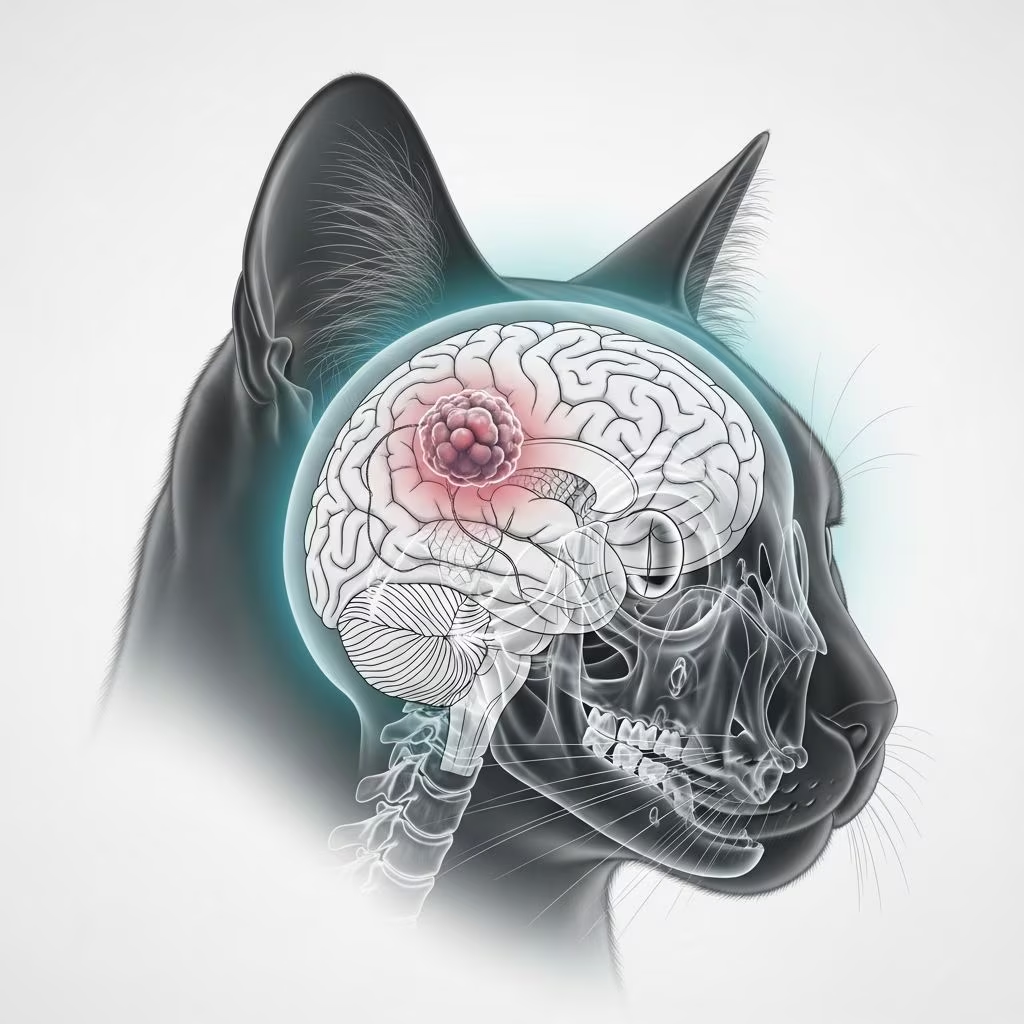
Brain tumors represent a serious health challenge for cats, often affecting older individuals and manifesting through neurological disruptions. These growths can disrupt normal brain function, leading to a range of distressing symptoms that demand prompt veterinary intervention. Understanding the nuances of this condition empowers cat owners to recognize early warning signs and pursue effective management strategies.
Understanding Brain Tumors in Cats
Brain tumors in felines are abnormal masses that develop within the skull, potentially arising from brain tissue itself or surrounding structures. Primary tumors originate in the brain, while secondary ones spread from elsewhere in the body. Meningiomas, tumors of the protective brain membranes, stand out as the predominant type in cats, frequently observed in animals over 10 years old. These neoplasms can exert pressure on vital brain regions, impairing coordination, cognition, and sensory processing.
The precise causes remain elusive, though age serves as a primary risk factor. Cats typically present between 10 and 13 years, with no strong breed predispositions noted across veterinary literature. Genetic factors or prior cranial injuries may contribute in rare instances, but most cases appear spontaneous. Early awareness of potential tumor development proves crucial, as timely detection can significantly influence outcomes.
Recognizing Key Symptoms
Symptoms emerge based on tumor location and size, often progressing gradually before intensifying. Frontal lobe involvement commonly triggers seizures, while posterior regions affect balance and vision. Owners frequently report subtle initial changes that escalate over weeks or months.
- Seizures: The hallmark sign, ranging from subtle facial twitching to full-body convulsions, salivation, and loss of consciousness. Focal seizures may involve limb paddling or head turning.
- Behavioral Shifts: Increased aggression, lethargy, disorientation, or sudden affection in previously aloof cats signal forebrain disturbances.
- Motor Impairments: Ataxia, circling, head tilt, or weakness in limbs (tetraparesis) indicate coordination centers under duress.
- Visual Deficits: Blindness, strabismus (misaligned eyes), or nystagmus (rapid eye movements) arise from occipital or cerebellar pressure.
- Other Indicators: Head pressing against surfaces, vomiting, appetite loss, restlessness, or neck pain further complicate the clinical picture.
These manifestations mimic other conditions like infections or metabolic disorders, underscoring the need for professional evaluation. Tracking symptom onset and frequency aids veterinarians in pinpointing intracranial issues.
Diagnostic Approaches for Confirmation
Veterinarians initiate diagnosis with a comprehensive history and physical assessment, emphasizing neurological testing for reflexes, gait, and cranial nerve function. Normal findings do not exclude tumors, necessitating advanced tools.
Initial Screening:
- Bloodwork and urinalysis to rule out systemic diseases and assess anesthesia safety.
- Cerebrospinal fluid (CSF) analysis, revealing elevated protein with normal cell counts in many tumor cases.
Imaging Modalities: MRI emerges as the gold standard, offering superior detail over CT scans for delineating tumor margins, edema, and mass effect under anesthesia. Chest radiographs check for metastases.
Definitive Testing: CT-guided biopsies provide histopathological confirmation, identifying tumor type despite risks like bleeding.
| Test | Purpose | Advantages |
|---|---|---|
| MRI | Visualize tumor location and characteristics | High resolution, no radiation |
| CT Scan | Detect calcifications and bone involvement | Faster, guides biopsies |
| Biopsy | Determine tumor grade and type | Pathological confirmation |
| CSF Analysis | Exclude inflammation | Minimally invasive support |
Pain and Quality of Life Considerations
Brain tumors inflict considerable discomfort through tissue invasion and elevated intracranial pressure, manifesting as headaches, nausea, and hypersensitivity. Cats may vocalize, withdraw, or exhibit opisthotonus (arched posture). Palliative measures like corticosteroids reduce swelling and alleviate suffering during diagnostic phases.
Treatment Pathways and Options
Management hinges on tumor accessibility, cat’s age, and overall health. Multimodal approaches yield the best results for amenable cases.
Surgical Intervention: For superficial meningiomas, craniotomy enables excision, potentially curing small, well-defined masses. Success rates improve with preoperative imaging and neurospecialist involvement.
Radiation Therapy: Precisely targets inoperable tumors, shrinking growths and controlling seizures. Stereotactic methods deliver high doses while sparing healthy tissue, often extending survival.
Chemotherapy and Medications: Agents like hydroxyurea or lomustine address microscopic disease, though response varies. Anticonvulsants (phenobarbital) and anti-inflammatories (prednisone) manage symptoms.
Palliative Care: Focuses on comfort for advanced cases, incorporating pain relief, nutritional support, and environmental adaptations.
Prognosis and Long-Term Outlook
Outcomes depend on tumor type, size, and intervention timeliness. Surgical removal of benign meningiomas can achieve years of remission, while malignant or deep-seated tumors limit survival to months despite therapy. Untreated cats face rapid decline from uncontrolled seizures and neurological failure. Regular monitoring post-treatment detects recurrences early.
FAQs
What is the most common brain tumor in cats?
Meningiomas top the list, arising from brain coverings and often amenable to surgery.
Can young cats develop brain tumors?
Rarely; most occur in seniors over 10 years, but any age warrants investigation for seizures.
Is surgery always possible for feline brain tumors?
No, location and type dictate feasibility; alternatives like radiation prove effective.
How do I know if my cat’s seizures indicate a tumor?
Persistent or new-onset seizures in adults necessitate neuroimaging after metabolic screening.
What supportive care helps at home?
Maintain quiet environments, assist with feeding, and administer prescribed medications consistently.
Prevention and Early Detection Tips
While unpreventable, annual senior wellness exams facilitate early symptom detection. Promptly address neurological changes to maximize intervention windows. Owners benefit from familiarity with breed-neutral risks and vigilant home monitoring.
References
- Brain Tumors in Cats: Causes, Symptoms, Diagnosis, and Treatment — PetCareRx. 2023. https://www.petcarerx.com/article/brain-tumors-in-cats-causes-symptoms-diagnosis-and-treatment/6470
- Brain Tumors in Cats — PetMD. 2024-01-15. https://www.petmd.com/cat/conditions/cancer/brain-tumors-cats
- Brain Tumors – Feline — Veterinary Society of Surgical Oncology (VSSO). 2023. https://vsso.org/brain-tumors-feline
- BRAIN TUMORS IN DOGS & CATS — VetNeuroChesapeake. 2024. https://www.vetneurochesapeake.com/vnioc-blog/brain-tumors-in-dogs-cats
- Learn About Brain Cancer in Cats — PetCure Oncology. 2023. https://petcureoncology.com/brain-cancer-in-cats/
- Feline Meningioma: Clinical Signs and Treatment Options — PASE Vet. 2024-06-12. https://www.pase.vet/blog/Feline-Meningioma-Clinical-Signs-and-Treatment-Options.html
- Advanced Diagnostic Techniques in Feline Brain Disease — PMC – NIH. 2024. https://pmc.ncbi.nlm.nih.gov/articles/PMC10822213/



