

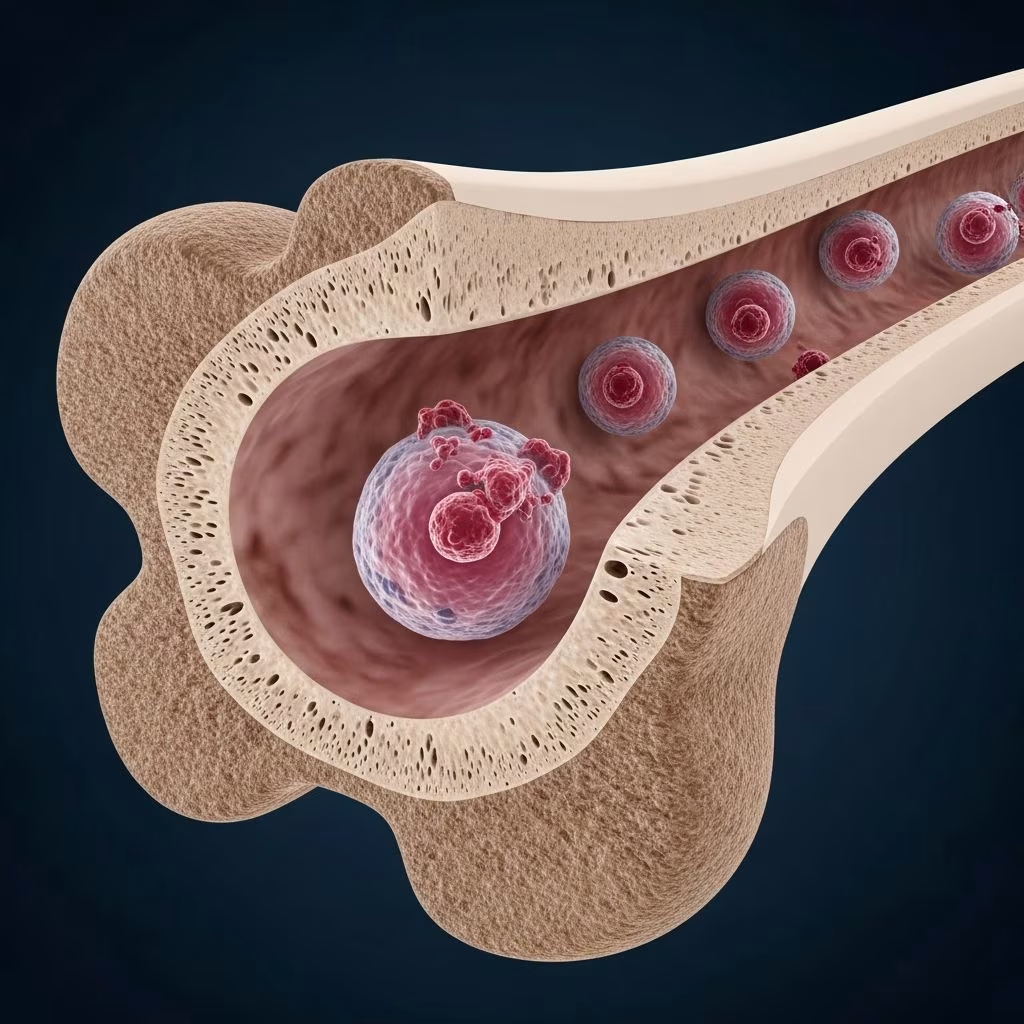
Bone marrow cancer in cats primarily involves conditions like multiple myeloma, where malignant plasma cells proliferate uncontrollably in the bone marrow, disrupting normal blood cell production and leading to systemic health issues.
Understanding the Basics of Bone Marrow Malignancies in Cats
The bone marrow serves as the body’s factory for blood cells, including red cells for oxygen transport, white cells for immunity, and platelets for clotting. In felines, cancers such as multiple myeloma target plasma cells—key players in antibody production—causing overproduction of abnormal proteins and suppression of healthy cell lines. This leads to a cascade of problems, from anemia to increased infection risk. Unlike solid tumors, these malignancies infiltrate diffusely, making early detection challenging but crucial for management.
Multiple myeloma stands out as the most common bone marrow cancer in cats, though lymphoma can also originate or spread here. Metastatic cancers from other sites occasionally invade the marrow, compounding complications. Risk factors remain poorly defined, but older cats (typically over 10 years) appear more susceptible, with no strong breed or sex predispositions noted in veterinary literature.
Recognizing Early Warning Signs
Symptoms of bone marrow cancer in cats often develop subtly, mimicking other chronic illnesses, which delays diagnosis. Pet owners frequently notice nonspecific changes first.
- Lethargy and weakness: Cats become unusually tired, avoiding play or struggling with jumps, due to anemia from reduced red blood cell production.
- Appetite loss and weight reduction: Refusal to eat leads to rapid emaciation, exacerbated by nausea or metabolic disruptions.
- Increased thirst and urination: Hypercalcemia (elevated blood calcium) from cancer-driven bone resorption prompts polydipsia and polyuria.
- Bleeding tendencies: Easy bruising, nosebleeds, bloody stools, or prolonged bleeding from minor injuries signal low platelets (thrombocytopenia).
- Infection susceptibility: Recurrent fevers or unexplained illnesses arise from neutropenia (low white cells), weakening immunity.
- Respiratory distress or lameness: Less common, labored breathing may indicate severe anemia, while bone pain causes limping (though rarer in cats than dogs).
Advanced cases might show pale gums, vomiting, kidney dysfunction, or neurological signs like disorientation from high calcium or protein buildup. Prompt veterinary consultation upon observing these clusters is vital, as early intervention hinges on owner vigilance.
Diagnostic Approaches for Confirmation
Veterinarians employ a multi-step process to confirm bone marrow cancer, starting with history and physical exam, then advancing to targeted tests.
| Test Type | Purpose | Key Findings in Bone Marrow Cancer |
|---|---|---|
| Complete Blood Count (CBC) | Assesses blood cell lines | Anemia, low WBC/platelets, abnormal plasma cells |
| Chemistry Panel | Checks organ function/calcium | Hypercalcemia, elevated proteins, kidney markers |
| Bone Marrow Aspiration/Biopsy | Direct marrow sampling | >20-30% plasma cells confirms myeloma |
| Imaging (X-rays, Ultrasound, CT) | Detects lesions/spread | Rare bone lytic spots, organ involvement |
| Protein Electrophoresis | Identifies monoclonal proteins | Paraprotein spike diagnostic for myeloma |
Urine analysis may reveal protein loss (Bence-Jones proteins), and advanced cases warrant oncologist referral for flow cytometry or genetic tests. Differential diagnoses include infections, immune disorders, or other cancers, necessitating comprehensive ruling out.
Available Treatment Modalities
Treatment focuses on palliation, remission extension, and quality-of-life preservation, as cures are rare for disseminated bone marrow cancers.
Chemotherapy Protocols
Oral agents like melphalan combined with prednisolone form the cornerstone, administered cyclically to target plasma cells systemically. Intravenous options or cyclophosphamide may alternate for resistance. Side effects are milder in cats than dogs—often just mild leukopenia—allowing outpatient management with weekly blood monitoring.
Radiation and Surgical Interventions
Radiation excels for localized plasmacytomas or bone pain relief, delivering targeted high-energy beams with minimal systemic impact. Surgery removes solitary tumors but is impractical for widespread marrow involvement.
Supportive and Adjunctive Therapies
Bisphosphonates (e.g., pamidronate) combat hypercalcemia and bone pain. Antibiotics prevent infections, fluids address dehydration/kidney issues, and blood transfusions bolster severe anemia. Nutritional supplements, erythropoietin for red cell stimulation, and pain meds enhance comfort.
- Fluid therapy: Corrects electrolyte imbalances.
- Anti-nausea drugs: Improves eating.
- Immunosuppressants: If autoimmune overlap suspected.
Prognosis and Long-Term Outlook
Untreated, survival spans weeks to months due to complications like infections or organ failure. With therapy, remissions last 6-18 months or longer in responders, though relapse is inevitable. Factors influencing prognosis include initial plasma cell burden, organ involvement, and treatment tolerance. Cats achieving normal blood counts often enjoy good quality life.
Regular monitoring—biweekly CBCs initially, then monthly—guides adjustments. Owners should watch for recurrence signs like returning lethargy.
FAQs on Feline Bone Marrow Cancer
What causes bone marrow cancer in cats?
No definitive cause; genetic mutations in plasma cells likely play a role, with age as the primary risk.
Can bone marrow cancer be prevented?
Not reliably, but routine senior wellness exams aid early detection. Minimize infection exposure in at-risk cats.
Is chemotherapy painful for cats?
Generally well-tolerated; side effects are mild, unlike in humans.
How much does treatment cost?
Varies widely ($2,000-$10,000+ initially), depending on diagnostics, chemo cycles, and hospitalization.
What diet supports cats with this cancer?
High-protein, renal-friendly formulas with omega-3s; vet nutritionist consultation recommended.
Home Care Tips for Affected Cats
Beyond vet-directed plans, create a low-stress environment: soft bedding for pain relief, easy-access litter/food, and gentle play. Monitor weight daily, track symptoms in a journal, and ensure parasite-free status to avoid added burdens. Holistic adjuncts like acupuncture show promise in some cases but lack robust evidence.
Emotional support for owners is key—join feline cancer support groups for shared experiences.
References
- Multiple Myeloma in Cats — PetCure Oncology. 2023. https://petcureoncology.com/multiple-myeloma-in-cats/
- Bone Marrow Disease in Cats: Causes, Symptoms, and Treatment — Cats.com. 2024. https://cats.com/bone-marrow-disease-in-cats
- Bone Marrow Cancer (Myeloma) in Cats — PetMD. 2024. https://www.petmd.com/cat/conditions/cancer/c_ct_multiple_myeloma
- Multiple Myeloma in Cats — Pet Health Network. 2023. https://www.pethealthnetwork.com/cat-health/cat-diseases-conditions-a-z/multiple-myeloma-cats
- Diagnosis and Treatment of Cancer in Cats — Valley West Vets. 2024. https://www.valleywestvets.com/services/cats/cat-cancer
- Bone Marrow Cancer in Cats — WagWalking. 2024. https://wagwalking.com/cat/condition/bone-marrow-cancer
- Multiple Myeloma in Cats: A Closer Look — PetCareRx. 2023. https://www.petcarerx.com/article/multiple-myeloma-in-cats-a-closer-look/6886



