

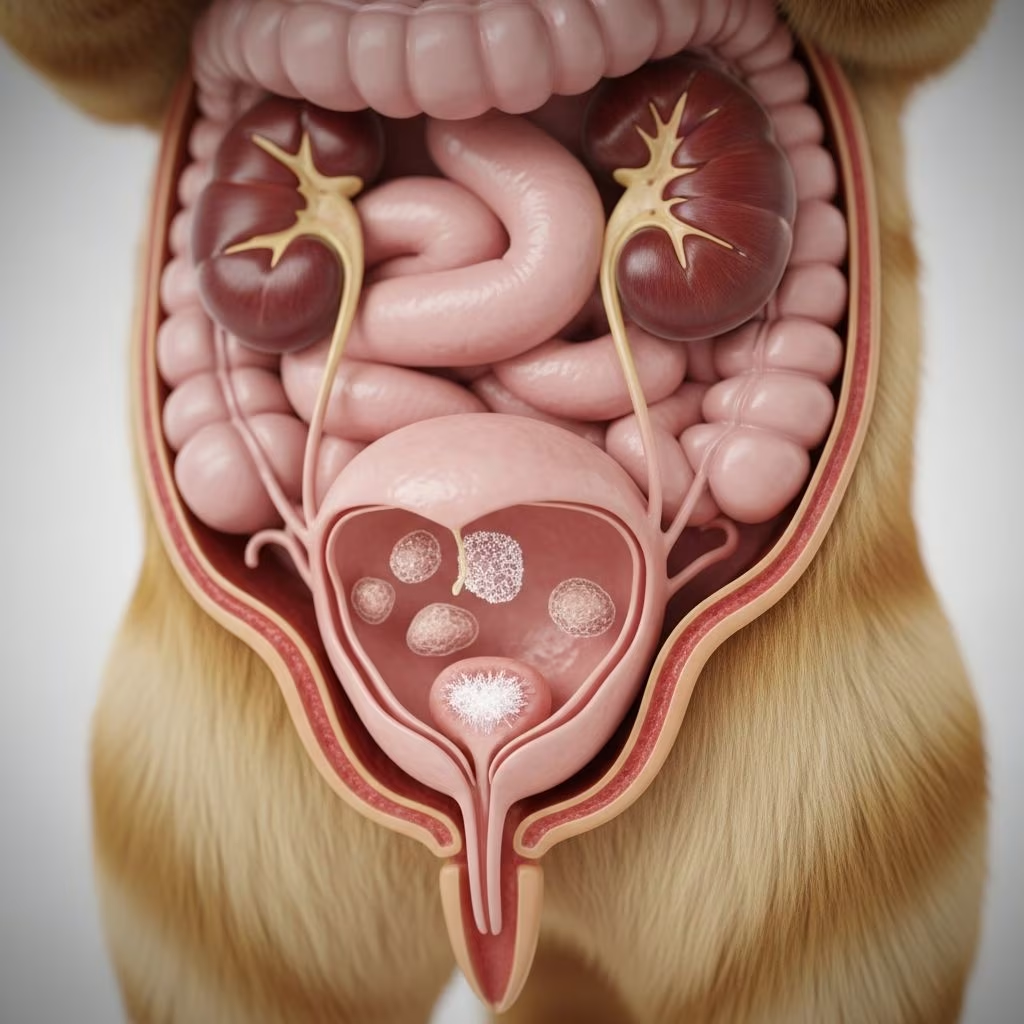
The Nature of Mineral Accumulation in the Feline Bladder
Bladder stones in cats develop when mineral compounds present in the urine accumulate and consolidate within the bladder environment. This mineralogical process occurs when excessive concentrations of certain crystalline substances bind together with additional matter found in the urinary bladder. The formation of these stones represents a complex interplay of biochemical factors, environmental conditions, and individual susceptibility. Understanding how these stones form is essential for recognizing risk factors and implementing preventive strategies.
The development of bladder stones is rarely attributable to a single cause. Rather, multiple contributing factors work together to create an environment conducive to stone formation. These factors may include nutritional imbalances, inadequate hydration, inflammatory conditions within the urinary system, and individual genetic predispositions. By examining these various contributors, pet owners can better understand their cat’s risk profile and work with veterinary professionals to reduce the likelihood of stone development.
Primary Contributing Factors in Stone Development
Several interconnected factors increase the likelihood that a cat will develop bladder stones. These contributors span dietary, physiological, genetic, and medical domains:
- Insufficient water intake and chronic dehydration
- Nutritional composition of commercial or homemade diets
- Bacterial colonization or urinary tract infections
- Crystal-induced inflammation within bladder tissue
- Urine pH imbalance (excessive alkalinity or acidity)
- Breed-specific genetic predisposition
- Congenital hepatic vascular anomalies affecting urine composition
- Pharmaceutical agents or dietary supplements
- Elevated body weight, particularly in male cats
Among these factors, dehydration and urine pH represent particularly significant contributors. When cats consume inadequate moisture, their urine becomes more concentrated, increasing the saturation of mineral compounds. Simultaneously, abnormal urine pH creates chemical environments where specific mineral compounds precipitate more readily, setting the stage for crystal formation and subsequent stone consolidation.
Distinguishing Between Stone Composition Types
Not all feline bladder stones are chemically identical. Veterinary professionals recognize distinct compositional categories, with two primary classifications accounting for the majority of clinical presentations in cats. These different stone types arise through distinct biochemical pathways and require tailored treatment approaches.
Calcium Oxalate Stone Formation
Calcium oxalate stones emerge in cats whose urinary chemistry becomes excessively acidic. These particular stones frequently occur in felines exhibiting elevated concentrations of calcium in both their urine and bloodstream. Cats experiencing chronic kidney disease demonstrate heightened susceptibility to calcium oxalate stone formation. The age demographic most commonly affected ranges from five to fourteen years, suggesting that stone development represents a progressive condition emerging during middle and later life stages.
The acidic urine environment that promotes calcium oxalate precipitation reflects specific metabolic conditions within the cat’s body. Certain nutritional profiles, particularly those emphasizing acidifying ingredients, may contribute to this chemical imbalance. Additionally, the normal aging process and degenerative kidney changes associated with chronic renal disease may alter urine composition in ways that favor calcium oxalate precipitation.
Struvite Stone Characteristics
Struvite stones develop in a distinctly different biochemical context characterized by alkaline urine chemistry. While urinary tract infections can produce the alkaline conditions favoring struvite formation, such infections are not necessarily the primary driver in every case. Cats consuming elevated quantities of magnesium, phosphorus, calcium, and chloride demonstrate increased propensity for struvite stone development. Certain dietary fiber compositions may also contribute to the mineral saturation levels that promote stone consolidation.
Genetic factors influence individual susceptibility to struvite stones. Siamese cats appear to inherit a predisposition to struvite urolithiasis, indicating that breed-specific metabolic characteristics play a role in stone formation. This genetic component means that some cats face inherently greater risk regardless of environmental or nutritional modifications, although preventive measures remain valuable for reducing severity or delaying onset.
Recognizing Symptomatic Presentations in Affected Cats
Cats with bladder stones may exhibit no observable symptoms, particularly during early stone formation. However, as stones grow or create irritative effects within the bladder, characteristic signs typically emerge. These manifestations result from stone-induced tissue irritation, inflammatory responses, and obstruction of normal urine flow. Pet owners should remain alert for behavioral and physical changes indicating urinary system dysfunction.
Common Observable Signs
- Increased frequency of litter box visitations
- Presence of blood or blood-tinged material in urine
- Vocalization or crying during urination attempts
- Elimination occurring outside designated litter box areas
- Small-volume urination with apparent difficulty
- Reduced overall activity levels and lethargy
- Visible abdominal discomfort or guarding behavior
- Reduced appetite or eating reluctance
The bleeding associated with bladder stones results from mechanical trauma as stone surfaces scrape and irritate the delicate bladder mucosal lining. Straining during urination reflects both the inflammatory swelling of bladder and urethral tissues and involuntary muscle contractions triggered by irritation. Pet owners may notice their cat spending extended periods in the litter box with minimal urine production, or observing only small amounts of urine being passed multiple times throughout the day.
Emergency Obstruction Presentations
A particularly concerning complication occurs when bladder stones or accumulated debris block the urethra, preventing urine evacuation. This complete urinary obstruction represents a medical emergency requiring immediate veterinary intervention. Cats experiencing complete obstruction display acute distress symptoms including inability to urinate despite prolonged straining, vomiting, profound lethargy, and palpable abdominal firmness. Such blockages can rapidly progress to life-threatening conditions if urine backs up into the kidneys, causing renal dysfunction and toxic accumulation of metabolic wastes.
Diagnostic Approaches and Identification Methods
Veterinary professionals employ various diagnostic techniques to confirm bladder stone presence and determine compositional type. Clinical examination combined with imaging studies provides comprehensive assessment of the urinary system. Diagnostic urinalysis reveals the presence of crystals, cellular inflammation, and blood, while imaging reveals stone location, size, and quantity.
Abdominal radiography and ultrasound imaging represent the primary diagnostic modalities. Radiographic studies effectively visualize most bladder stone types through their mineral density characteristics. Ultrasound examination complements radiography by providing detailed visualization of bladder wall thickness, inflammation status, and overall bladder architecture. Some specialized referral centers may employ additional advanced imaging for complex cases.
Treatment Approaches Based on Stone Composition
Treatment strategy depends fundamentally upon the chemical composition of the stones present. Not all bladder stones respond to the same therapeutic interventions, requiring composition-specific approaches.
Medical Dissolution for Struvite Stones
Struvite stones can be managed through pharmaceutical and nutritional therapy. Specialized therapeutic diets create an undersaturated urinary environment where the mineral compounds comprising struvite stones gradually dissolve. As these stones decrease in size and concentration, the dissolved mineral content is subsequently eliminated through normal urination. This dissolution process represents a gradual mechanism requiring consistent dietary compliance over several weeks to months. Most cats experience symptomatic relief from straining and blood in urine relatively quickly after beginning appropriate dietary therapy, even before stones achieve complete dissolution.
Surgical Intervention for Calcium Oxalate Stones
Calcium oxalate stones do not respond to medical dissolution therapies and therefore require surgical removal. The standard surgical procedure involves cystotomy, wherein the veterinary surgeon creates an opening into the bladder to access and extract stones. This surgical intervention, while requiring general anesthesia, carries favorable success rates and demonstrates excellent post-operative recovery profiles in cats. Most felines resume normal activity within days of surgical stone removal, with minimal post-operative complications when appropriate care instructions are followed.
Management of Urinary Obstruction
Cats presenting with complete urinary obstruction require emergency intervention to restore urine flow. The veterinary team typically stabilizes the cat through hospitalization, fluid therapy, and electrolyte correction. Catheterization may be performed to flush obstructive material back into the bladder. Once the obstruction is relieved and the cat is stabilized, definitive stone management—whether through dissolution or surgical extraction—proceeds based on stone composition. Recovery from complete obstruction typically requires several days to weeks of careful management and monitoring.
Long-Term Prevention and Recurrence Management
Following successful stone treatment, preventing stone recurrence represents a critical aspect of ongoing feline urinary health management. Post-treatment recommendations focus on modifying the urinary environment to discourage future stone formation.
Dietary Modification Strategies
Therapeutic urinary diets formulated to reduce urinary mineral saturation form the cornerstone of stone recurrence prevention. These diets are specifically engineered to alter urine pH, reduce mineral concentration, and dilute mineral saturation. Cats previously diagnosed with calcium oxalate stones may require acidifying diets to lower urine pH, while those with struvite stones may benefit from diets promoting neutral or slightly acidic urine composition.
Hydration Enhancement
Increasing water consumption represents another essential preventive strategy. Dilute urine contains lower concentrations of mineral compounds, reducing the likelihood of crystal formation and stone growth. Pet owners can enhance hydration by providing multiple water sources, incorporating wet food into the diet, and encouraging water consumption through interactive fountain devices or other feline-specific water-delivery systems.
Frequently Asked Questions About Feline Bladder Stones
Can bladder stones be prevented entirely?
While complete prevention cannot be guaranteed for all cats, particularly those with genetic predisposition, risk reduction through appropriate diet, hydration, and medical management significantly decreases likelihood of stone formation or recurrence. Working closely with veterinary professionals to identify specific risk factors in an individual cat allows for targeted preventive strategies.
Are male cats at greater risk than females?
Male cats, particularly overweight individuals, demonstrate increased susceptibility to bladder stone development. The anatomical structure of the male urethra, with its narrower diameter compared to the female urethra, means that even small stones may cause obstructive complications in males. However, females can also develop bladder stones and require appropriate monitoring and preventive care.
How quickly do stones form?
Stone formation timelines vary considerably depending on urine chemistry, mineral saturation levels, and individual metabolic factors. Some cats may develop stones over weeks, while others require months. Post-treatment recurrence may occur rapidly if underlying factors are not adequately addressed through diet and lifestyle modifications.
Is surgery always necessary?
Surgery is not always required, particularly for struvite stones that may respond to medical dissolution. However, calcium oxalate stones lack dissolution potential and necessitate surgical removal. Emergency surgery becomes essential for cats with complete urinary obstruction regardless of stone type.
Collaboration With Veterinary Professionals
Managing feline bladder stones effectively requires ongoing partnership between pet owners and veterinary healthcare providers. Regular monitoring, adherence to prescribed dietary protocols, and attention to emerging symptoms ensure optimal outcomes. Veterinarians can adjust treatment plans based on individual response and provide guidance regarding prevention in high-risk cats. Cats with a history of bladder stones benefit from periodic re-evaluation and imaging to detect recurrence before symptoms develop.
Understanding bladder stone formation, recognizing associated symptoms, and implementing appropriate treatment and prevention strategies empowers cat owners to protect their feline companions’ urinary health. With proper management, many cats enjoy excellent long-term outcomes following stone diagnosis and treatment.
References
- Bladder Stones in Cats — VCA Animal Hospitals. 2024. https://vcahospitals.com/know-your-pet/bladder-stones-in-cats
- Urine Crystals and Bladder Stones in Cats — PetMD. 2024. https://www.petmd.com/cat/conditions/urinary/urine-crystals-and-bladder-stones-in-cats
- Bladder and Kidney Stones — Cornell University College of Veterinary Medicine, Feline Health Center. 2024. https://www.vet.cornell.edu/departments-centers-and-institutes/cornell-feline-health-center/health-information/feline-health-topics/bladder-and-kidney-stones
- Bladder Stones in Cats: Types, Symptoms, & Treatment — Hill’s Pet US. 2024. https://www.hillspet.com/cat-care/healthcare/bladder-stones-in-cats
- Bladder Stones in Cats: Causes, Symptoms & Treatment — Springhouse Animal Hospital. 2021. https://www.springhouseanimalhospital.com/site/blog/2021/12/15/bladder-stones-cat



