

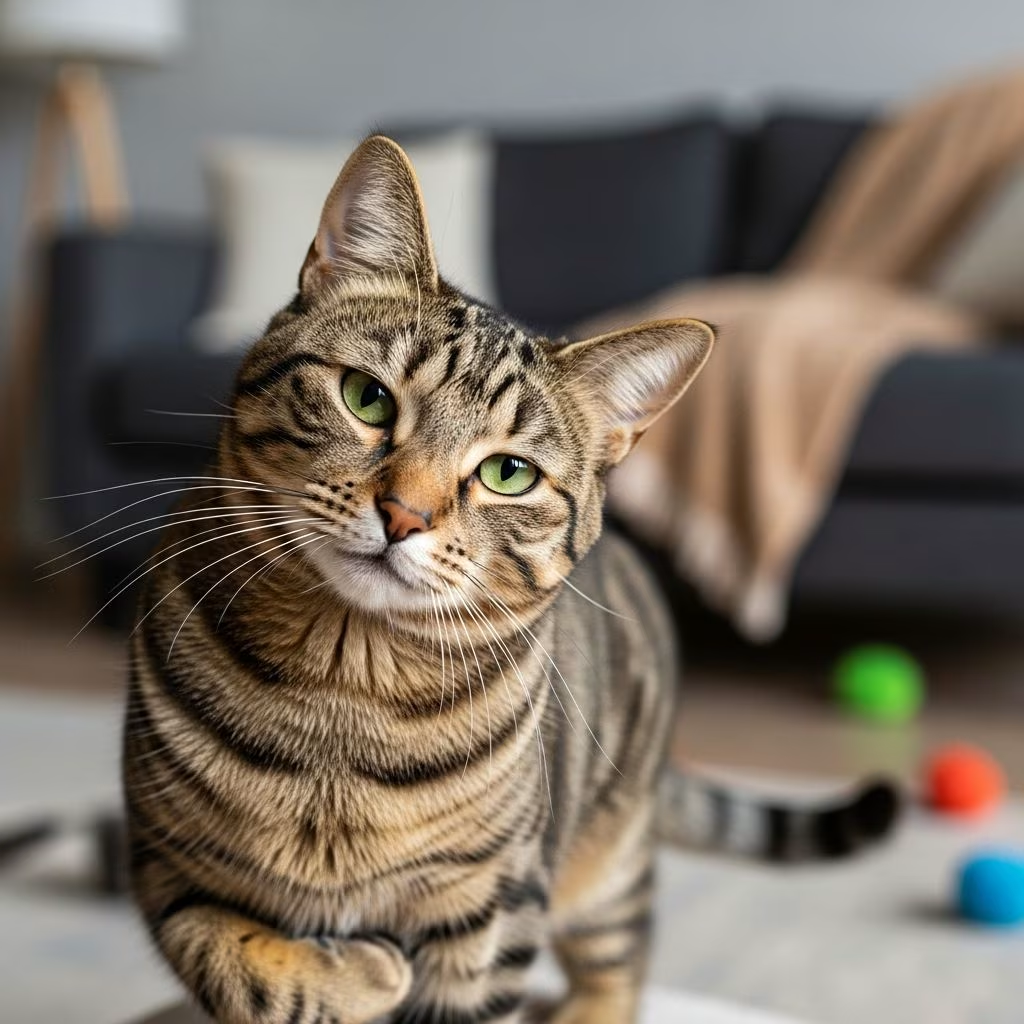
Ataxia in cats represents a neurological condition characterized by incoordination, loss of balance, and irregular gait patterns. When a feline companion exhibits wobbly movements, unsteady walking, or what might appear as intoxicated behavior, ataxia may be the underlying cause. This condition affects the nervous system’s ability to coordinate purposeful movements, resulting in a distinctive presentation that can alarm pet owners unfamiliar with the disorder.
What Exactly Is Feline Ataxia?
Ataxia fundamentally refers to the loss of coordination between muscle groups that normally work in harmony. Unlike weakness or paralysis, where a cat loses motor strength, ataxia involves the brain’s inability to properly regulate body position, limb placement, and movement sequencing. A cat with ataxia retains muscular strength but cannot execute coordinated movements effectively.
The condition manifests as a failure to regulate truncal posture—the stability of the body’s core—and affects the precision, strength, and directionality of limb movements. Affected felines may walk with their legs spread wide apart, sway side to side, stumble frequently, or appear unable to judge distances and foot placement accurately.
Three Distinct Categories of Neurological Incoordination
Veterinary professionals recognize three primary classifications of ataxia, each indicating dysfunction in different areas of the nervous system:
Cerebellar Dysfunction Ataxia
The cerebellum, located at the brain’s base, serves as the control center for coordinated movement and balance refinement. When this region is compromised, cats develop characteristic jerky or exaggerated movements. Animals with cerebellar ataxia often display a wide-based stance for increased stability, tremors during intentional movement, and difficulty with fine motor control. These cats may overshoot when reaching for objects or display a peculiar high-stepping gait.
Vestibular System Ataxia
The vestibular system, centered in the inner ear and brainstem, maintains balance and spatial orientation. Disruption of this system causes vestibular ataxia, which frequently presents with head tilting, involuntary eye movements, rolling behavior, or a tendency to fall toward the affected side. Cats may experience vertigo-like sensations and difficulty maintaining upright posture, even while stationary.
Proprioceptive Pathway Ataxia
Proprioception involves the body’s awareness of limb position in space—a function managed through spinal cord pathways. When these pathways sustain damage, cats may drag their rear limbs, walk with an uncoordinated gait, or seem unaware of foot placement. This category often involves spinal cord involvement rather than direct brain dysfunction.
Common Underlying Causes and Risk Factors
Numerous conditions can trigger ataxic symptoms in felines. Understanding these causes helps owners recognize when veterinary attention is urgently needed.
Infectious and Inflammatory Conditions
Feline infectious peritonitis (FIP), a serious viral disease, represents a prominent cause of ataxia, particularly in younger cats under two years and senior cats over nine years. The dry form of FIP frequently produces progressive neurological disease, with cerebellar signs being most common. Additionally, fungal infections, bacterial infections of the brain, and parasitic diseases such as toxoplasmosis can all initiate ataxic presentations.
Nutritional Deficiencies
Thiamine (Vitamin B1) deficiency, though uncommon with modern commercial pet foods, remains a treatable cause of ataxia. This deficiency can develop from diets excessively high in fish, food subjected to extreme heat during processing, or formulas containing excessive sulphite preservatives. Affected cats typically show a period of anorexia before neurological signs emerge, with vestibular dysfunction predominating.
Medication Side Effects and Toxin Exposure
Metronidazole, an antibiotic commonly prescribed for gastrointestinal infections, can cause severe toxicity affecting both cerebellar and vestibular function. Aminoglycoside antibiotics like streptomycin pose ototoxicity risks, particularly with high doses, prolonged therapy exceeding 14 days, or when renal impairment exists. Toxin exposure from antifreeze, recreational drugs, or alcohol ingestion can rapidly produce ataxic symptoms.
Structural and Degenerative Brain Changes
Cerebellar hypoplasia, an underdevelopment of the cerebellum occurring during fetal development, stands as the primary cause of ataxia in young kittens. This condition, typically non-progressive, results from maternal infection with feline panleukopenia during pregnancy. Brain tumors, degenerative cerebellar changes, and structural skull abnormalities likewise contribute to ataxic presentations.
Metabolic and Systemic Disorders
Abnormal blood glucose levels, electrolyte imbalances affecting potassium or calcium, and abnormal red blood cell counts can all produce incoordination. Hyperthyroidism and chronic kidney disease, when causing elevated blood pressure, may trigger ataxia. Cardiac and respiratory diseases affecting oxygen delivery to neural tissue also merit consideration.
Traumatic Injuries
Road accidents, falls, or malicious injury can damage the spinal cord or brain, resulting in acute ataxic symptoms. The severity and reversibility depend on the extent of neural tissue damage sustained.
Recognizing Clinical Manifestations
Pet owners should remain vigilant for several behavioral and physical signs suggesting ataxia development:
- Unsteady or wobbly gait appearing similar to intoxication
- Wide-based stance adopted for stability enhancement
- Frequent stumbling, tripping, or falling
- Inability to judge distances for jumping or landing
- Head tilting or involuntary eye movements
- Circular walking patterns or tendency to fall toward one side
- Loss of balance when stationary or during grooming
- Tremors during intentional movement
- Reluctance to move or climb stairs
Diagnostic Approaches and Professional Evaluation
Veterinarians employ multiple diagnostic strategies to identify ataxia’s underlying cause. Physical examination includes assessment of cranial nerves, proprioceptive function, and balance responses. Specialized orthopedic and neurological testing helps localize the lesion to the cerebellum, vestibular system, or spinal cord.
Laboratory work including complete blood counts and blood chemistry panels may reveal metabolic abnormalities. Imaging studies such as MRI and CT scans provide visualization of structural brain and spinal cord abnormalities. Cerebrospinal fluid analysis can identify infectious or inflammatory conditions. These diagnostic tools collectively guide treatment planning.
Treatment Approaches and Management Strategies
Ataxia treatment fundamentally depends on identifying and addressing the underlying cause. Some conditions respond well to targeted therapy, while others may remain incurable.
Cause-Specific Interventions
Infections warrant appropriate antibiotics, antifungals, or antiparasitic medications. Nutritional deficiencies, particularly thiamine inadequacy, respond dramatically to supplementation via intramuscular injections at 25 mg daily, typically requiring approximately five days of treatment until improvement manifests. Metabolic disorders benefit from dietary modifications and electrolyte restoration.
Intervertebral disc disease may require surgical intervention, though some cases respond to medical management combining steroids and rest. Toxin exposure necessitates decontamination and supportive measures, while medication-induced ataxia typically resolves upon drug discontinuation.
Symptomatic and Supportive Care
Regardless of underlying cause, supportive care forms the cornerstone of ataxia management. Pain management through appropriate analgesics improves comfort during movement. Anti-nausea medications address the sea-sickness sensation often accompanying ataxia, particularly vestibular forms.
Environmental modification prevents injury and reduces frustration. Removing access to stairs, providing low-sided litter boxes, placing food and water bowls at convenient heights, and maintaining a cushioned, clutter-free living space all enhance safety and quality of life. Some cats benefit from assisted movement or physical therapy-type activities encouraging controlled exercise.
Advanced Treatment Options
Specialized surgical interventions may address tumors affecting the brain, spine, or ear structures. Radiation therapy represents another option for certain malignancies. Specialist referral becomes necessary when complex neurological cases require advanced diagnostic or therapeutic capabilities.
Prognosis and Long-Term Outlook
Ataxia prognosis varies dramatically based on etiology. Some conditions resolve completely with appropriate treatment, while others remain permanently incurable. Cerebellar hypoplasia, being non-progressive and congenital, typically stabilizes, allowing affected cats functional lives despite permanent incoordination. Cats with spontaneous vestibular disease often recover substantially with time and supportive care.
Conversely, progressive conditions like certain brain tumors or degenerative cerebellar disease may worsen despite intervention. Some cats with severe, non-treatable ataxia eventually reach a point where quality of life deteriorates substantially, potentially necessitating difficult end-of-life decisions.
Prevention and Risk Reduction
While not all ataxia cases are preventable, owners can implement several protective measures. Maintaining current vaccinations against feline distemper reduces infectious disease risks. Providing nutritionally balanced commercial diets containing adequate thiamine supports metabolic health. Securing homes against toxin exposure, preventing access to dangerous substances, and maintaining regular veterinary checkups facilitate early disease detection.
When to Seek Immediate Veterinary Care
Acute onset of ataxia, particularly when accompanied by seizures, head trauma history, or suspected toxin exposure, requires emergency evaluation. Progressive worsening of coordination problems, developing inability to eat or drink, or signs of severe distress warrant prompt professional attention.
References
- Ataxia in Cats — VCA Animal Hospitals. https://vcahospitals.com/know-your-pet/ataxia-in-cats
- The Wobbly Cat: Diagnostic and Therapeutic Approach to Feline Ataxia — National Center for Biotechnology Information (NCBI/PubMed Central). 2020. https://pmc.ncbi.nlm.nih.gov/articles/PMC7128653/
- Ataxia in Cats – Signs, Causes, Diagnosis, Treatment, Recovery — Wag Walking. https://wagwalking.com/cat/condition/ataxia
- Ataxia in Cats: Causes and When To Worry — PetMD. https://www.petmd.com/cat/symptoms/ataxia-in-cats
- What Is Cerebellar Ataxia in Dogs and Cats? — PetCareRx. https://www.petcarerx.com/article/what-is-cerebellar-ataxia-in-dogs-and-cats/1668



