

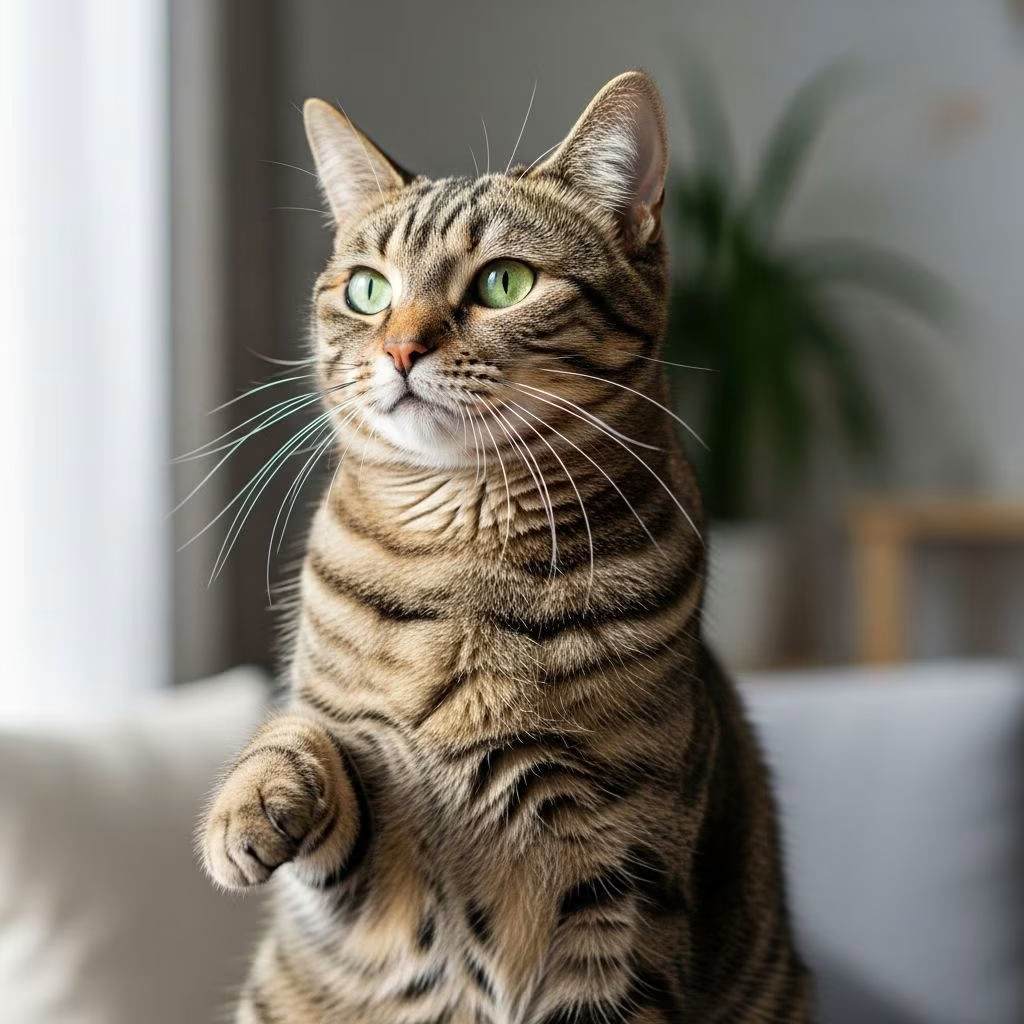
Feline asthma is a persistent respiratory condition affecting many cats, characterized by airway inflammation, bronchoconstriction, and excess mucus production that hinders normal breathing.
Understanding the Respiratory Challenge in Cats
This condition arises from an overactive immune response to inhaled irritants, leading to narrowed airways and labored respiration. Cats of any age, breed, or gender can develop it, though certain breeds like Siamese show higher susceptibility. The disease progresses through cycles of flare-ups and remission, demanding vigilant monitoring and intervention to prevent severe episodes that could threaten life.
Key physiological changes include eosinophilic infiltration in the lungs, heightened bronchial reactivity, and eventual airway remodeling if untreated. These alterations manifest as audible wheezes, open-mouth breathing, and exaggerated abdominal movements during exhalation, signaling distress.
Common Indicators of Distress
Owners often notice initial signs mistaken for hairballs or minor coughs. Persistent dry coughing, especially after activity or excitement, serves as an early red flag. As symptoms intensify, rapid shallow breaths, extended neck posture for air intake, and blue-tinged gums indicate urgency.
- Coughing fits: Harsh, repetitive hacks without productive discharge.
- Wheezing sounds: High-pitched noises during exhalation.
- Labored breathing: Visible flanks heaving or abdominal pushing.
- Lethargy: Reduced playfulness and appetite loss during attacks.
- Cyanosis: Pale or bluish mucous membranes in extreme cases.
These manifestations vary in frequency; mild cases might occur seasonally, while severe ones demand immediate veterinary attention.
Environmental and Genetic Contributors
Asthma triggers stem primarily from airborne particles provoking hypersensitivity. No single cause exists, but multifaceted exposures accelerate onset.
| Trigger Category | Examples | Impact Level |
|---|---|---|
| Dusts & Mites | Litter dust, household particles | High |
| Pollen & Mold | Outdoor grasses, indoor dampness | Moderate-High |
| Smoke & Chemicals | Cigarette/vape, cleaners, perfumes | Very High |
| Litter Types | Scented/clay-based | Moderate |
Breeds such as Siamese and Himalayan exhibit genetic predispositions, potentially due to inherited airway sensitivities. Stress exacerbates episodes, linking emotional well-being to physical health.
Diagnostic Approaches for Confirmation
Veterinarians employ a multi-step process to differentiate asthma from infections, heart disease, or parasites. History review identifies patterns tied to environments or seasons. Physical exams reveal lung sounds and respiratory rates exceeding 30 breaths per minute at rest.
- Thoracic radiographs to detect lung patterns like bronchial thickening.
- Blood tests for eosinophil counts indicating allergic inflammation.
- Tracheal washes for cytology confirming inflammatory cells.
- Exclusion of differentials via fecal exams or heart ultrasounds.
Advanced imaging like CT scans assesses remodeling in chronic cases, guiding tailored therapies.
Emergency Response During Acute Attacks
Life-threatening exacerbations feature open-mouth breathing, collapse, or cyanosis, necessitating rapid action. Stabilize with oxygen therapy in a quiet carrier. Injectable bronchodilators like terbutaline provide quick relief by relaxing airway muscles.
Inhaled albuterol via spacer devices offers targeted delivery, though training cats proves challenging. Systemic corticosteroids initiate inflammation control, averting progression to respiratory failure.
Core Strategies for Ongoing Control
Long-term success hinges on multimodal regimens targeting inflammation and spasms. Corticosteroids form the foundation, available as oral prednisolone (2 mg/kg daily initially), injectable dexamethasone, or inhaled fluticasone/budesonide for localized effect minimizing side effects like diabetes or immunosuppression.
Bronchodilators complement by easing airflow: short-acting albuterol for rescue, long-acting options like salmeterol in trials showing additive benefits with steroids. Methylxanthines such as theophylline serve adjunctively despite variable efficacy.
Medication Delivery Innovations
Aerosol chambers with masks enable home administration, training via positive reinforcement yields compliance. Injectable alternatives suit non-tolerant cats during crises.
Transforming the Home Habitat
Trigger minimization rivals pharmacology in efficacy. Implement HEPA air purifiers, vacuum frequently with pet-safe filters, and ban smoking/vaping indoors.
- Switch to low-dust, unscented litters like paper-based or silica crystals.
- Eliminate aerosols, opt for natural cleaners.
- Control humidity below 50% to deter mold.
- Restrict outdoor access during high-pollen seasons.
Stress reduction through pheromone diffusers or routine play fosters resilience.
Emerging Horizons in Therapy
Research explores mesenchymal stem cells (MSCs), demonstrating reduced bronchial thickening on CT after months, targeting remodeling without quelling acute inflammation. Cyclosporine shows promise in steroid-resistant cases by modulating immune responses.
Omalizumab-like biologics, though unproven in felines, inspire trials blocking IgE pathways central to allergic cascades.
Lifestyle Integration for Asthmatic Cats
Maintain ideal weight via portioned high-quality diets to lessen respiratory burden. Annual vet checkups monitor progression with repeat imaging or lung function tests. Track symptoms in journals correlating with exposures for personalized adjustments.
Prognosis brightens with adherence; most cats enjoy normal lifespans absent complications like pneumonia.
Frequently Asked Questions
Can feline asthma be cured?
No, it is chronic but highly manageable, allowing symptom-free intervals with consistent care.
Is inhaled therapy safe long-term?
Yes, it targets lungs directly, reducing systemic risks compared to oral forms.
How quickly do treatments work?
Bronchodilators act in minutes for relief; anti-inflammatories take days for full effect.
Does breed matter for risk?
Siamese and related breeds face elevated odds due to genetic factors.
What if my cat resists the inhaler?
Gradual desensitization with treats or veterinary alternatives like injections bridge gaps.
Monitoring Progress and When to Escalate
Weekly respiratory counts under 25 breaths per minute at rest signal control. Worsening warrants dose tweaks or diagnostics. Collaborate closely with vets for dynamic plans.
References
- Asthma in Cats: Acute and Long-Term Management Guidelines — Today’s Veterinary Practice. 2023. https://todaysveterinarypractice.com/respiratory-medicine/asthma-in-cats-management-guidelines/
- Feline Asthma: What You Need To Know — Cornell University College of Veterinary Medicine. 2024. https://www.vet.cornell.edu/departments-centers-and-institutes/cornell-feline-health-center/health-information/feline-health-topics/feline-asthma-what-you-need-know
- Feline Bronchial Asthma — Merck Veterinary Manual. 2025. https://www.merckvetmanual.com/respiratory-system/respiratory-diseases-of-small-animals/feline-bronchial-asthma
- Cat Asthma: What It Is, Symptoms To Look For, And How To Treat It — Trudell Animal Health. 2024. https://trudellanimalhealth.com/blogs/blog/cat-asthma-what-it-is-symptoms-to-look-for-and-how-to-treat-it
- Feline Asthma in Cats | Symptoms, Causes and Treatment — Blue Cross. 2023. https://www.bluecross.org.uk/advice/cat/health-and-injuries/caring-for-a-cat-with-asthma



