

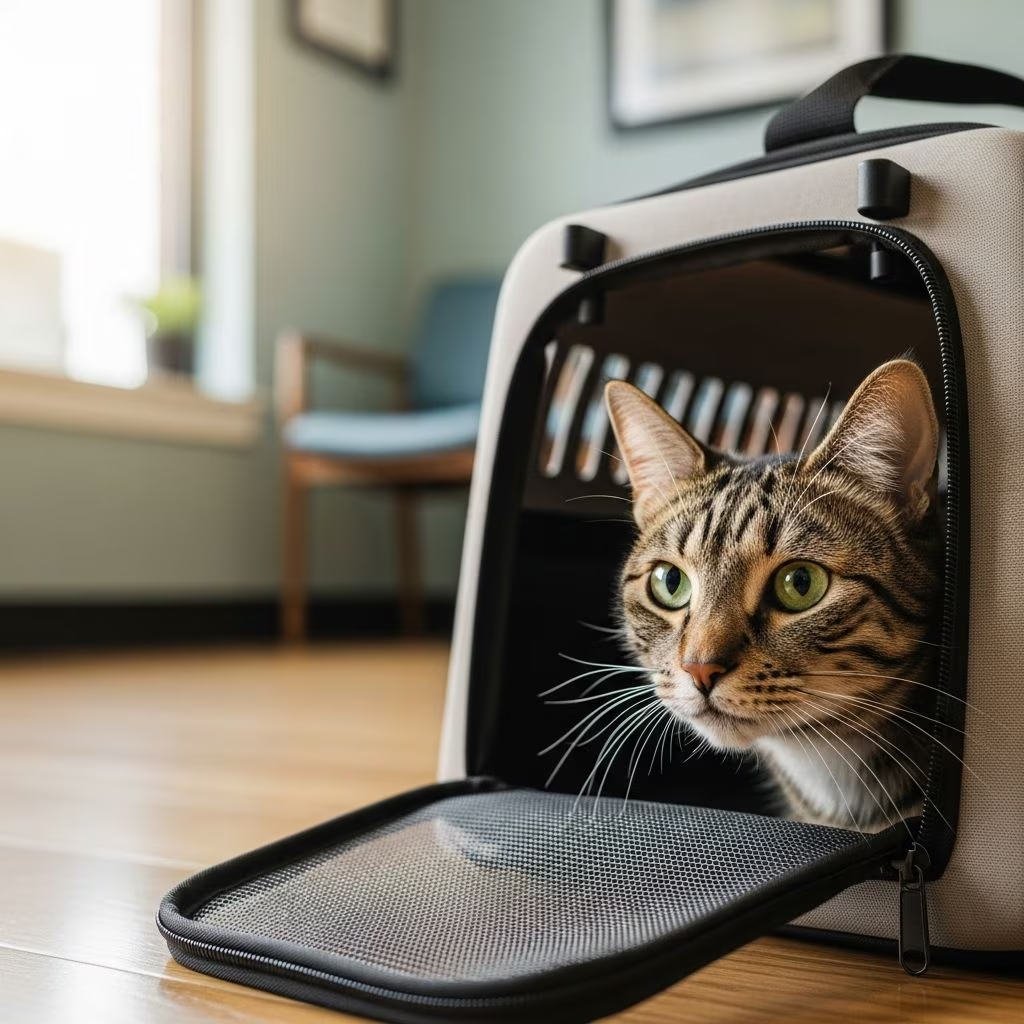
For many cat parents, taking their feline companion to the veterinarian ranks somewhere between scheduling a root canal and wrestling an alligator. It’s estimated that 48 percent of cat owners do not take their pets to the vet for an annual visit, and the primary reason often boils down to the sheer stress of the experience. The frantic search under the bed for a hiding cat, the plaintive howls during the car ride, and the dramatic hisses in the waiting room can make even the most patient pet parent consider simply giving up.
However, yearly veterinary visits are non-negotiable for your cat’s health and wellbeing. This is especially important for cats, who are notorious for masking potentially serious illnesses and health conditions. The good news? Your next vet visit doesn’t have to turn into a battle of wills. With the right preparation and insider knowledge, you can transform the experience from stressful to manageable—and maybe even pleasant for both you and your feline friend.
Why Cats Find Vet Visits Stressful
Understanding why cats dread vet visits is the first step toward making them easier. Cats are creatures of habit and control. The carrier suddenly appears, disrupting their daily routine. They’re transported to an unfamiliar environment filled with strange smells, sounds, and faces. In the examination room, they’re poked, prodded, and handled by strangers. For a naturally anxious or fearful cat, this combination of environmental changes can trigger a significant stress response.
Cats are also skilled at hiding illness, which means regular veterinary check-ups are essential for catching health problems early. Understanding this importance can help motivate you through the preparation process, knowing that you’re taking a proactive step toward keeping your cat healthy.
Creating a Great Cat Vet Visit Vibe
The key to reducing stress during a cat vet visit is preparation. By planning ahead and addressing potential stressors, you can create a much calmer experience for your pet. The foundation of this preparation begins with one critical element: getting your cat comfortable with their carrier.
Step 1: Carrier Training Techniques
The carrier shouldn’t be a symbol of impending doom. With proper conditioning, it can become a safe, comfortable space that your cat associates with positive experiences.
- Leave the carrier accessible: Begin by leaving the carrier door open in a room where you spend considerable time. This allows your cat to explore it at their own pace without pressure.
- Add familiar scents: Place comfortable bedding inside the carrier and gently rub your cat with the fabric when they’re relaxed and happy. As the bedding absorbs your cat’s scent, it becomes increasingly familiar and reassuring.
- Use positive reinforcement: Place treats, toys, or meals inside the carrier to create positive associations. Your cat should view the carrier as a source of good things, not as a harbinger of unpleasant experiences.
- Practice short trips: Once your cat is comfortable entering the carrier, take short practice rides. Position the carrier safely in your vehicle and drive for just a few minutes before returning home. Gradually extend these trips to normalize the experience.
The goal is for your cat to stop viewing the carrier as a warning sign that something bad is about to happen. Instead, they should see it as a happy place filled with familiar scents and tasty treats.
Step 2: Pre-Visit Preparation
The day before and the day of the appointment, strategic planning can significantly reduce stress for both you and your cat.
- Choose the right clinic: Select a veterinary clinic with separate entrances for cats and dogs if possible. This minimizes exposure to intimidating canine patients and reduces anxiety triggers.
- Schedule wisely: Book the first appointment of the day when the clinic is quieter and less chaotic. This typically means shorter wait times and a calmer environment overall.
- Notify the staff: Call the clinic the day before your visit and let them know your cat is fearful or anxious. Ask if you can wait in your car until an exam room is ready, and inform them that you’ll be bringing your cat’s favorite treats.
- Bring comfort items: Pack familiar treats that your cat loves. High-value treats like freeze-dried chicken treats can be powerful tools for maintaining calm during the visit.
- Consider anxiety medication: If you know from past experiences that your cat becomes severely anxious, consult with your veterinarian about anti-anxiety medications such as Gabapentin or Zylkene. These can be administered prior to the appointment to help ease stress. Alternatively, over-the-counter solutions like Feliway pheromone spray can be applied to the carrier before transport.
Managing Your Own Stress
Pet parents often overlook an important factor: their own anxiety directly affects their cat’s stress levels. Cats are remarkably perceptive and can pick up on your nervous energy, tension, and worry. This emotional contagion can amplify their anxiety significantly.
Tips for Staying Calm
- Identify your specific concerns: Are you worried about financial costs? Uncertain about what to expect? Concerned about being judged by the veterinarian? Fearing that your cat will resent you? These are all valid and rational responses to the situation. Acknowledging your feelings is the first step to managing them.
- Focus on your strengths: Remind yourself of times when you felt strong, capable, and empowered. Draw on those memories to build confidence as you approach the appointment.
- Ask questions: Keep a journal of questions or concerns about your cat’s health. Having a list prepared helps you stay organized and ensures you won’t forget important topics during the visit.
- Remember that vets care: Veterinarians choose their profession because they genuinely care about animals. They’re not judging you; they’re there to help keep your cat healthy.
- Use positive self-talk: Remind yourself that you’re doing this out of love and responsibility for your pet. You’re making the right choice by prioritizing your cat’s health.
During Your Cat’s Vet Visit
Arrival and Adjustment
When you arrive at the clinic, remember to take things slowly. If you’ve arranged to wait in your car, the staff will call or text when an exam room is ready. This reduces the time your cat spends in a potentially stressful waiting room environment.
Once in the exam room, give your cat a few minutes to adjust to the new environment. Keep your voice soft and low, and offer familiar treats. If your carrier has a removable top (like a two-piece design), this can make extraction easier without traumatizing your cat further.
During the Examination
Your veterinarian will perform a thorough physical examination, checking everything from your cat’s heart and lungs to their eyes, ears, and teeth. Most of this is painless, though some cats may be more cooperative than others. Having treats available during the exam can help create positive associations with the experience.
Post-Visit Recovery
After the appointment, your cat may feel stressed and disoriented. Most cats return to their normal behavior within a day or less. However, be alert for any signs of post-visit stress, particularly loss of appetite lasting more than 24 hours, which warrants concern.
If your cat refuses their regular food after the visit, try offering soft, aromatic foods with strong smells, such as lickable treats or wet food. These are often more appealing to stressed cats and can help them regain interest in eating.
When to Seek Emergency Care
While regular wellness visits are important, certain situations require immediate veterinary attention and shouldn’t wait for a scheduled appointment:
- Respiratory distress: Difficulty breathing or labored breathing requires emergency evaluation.
- Excessive or frequent vomiting: While occasional vomiting might wait until morning, continuous or frequent vomiting, especially if accompanied by discomfort or bloating, is an emergency.
- Severe lethargy or collapse: Any cat showing extreme lethargy or who has collapsed should be evaluated immediately.
- Multiple seizures: While a single seizure with quick recovery may not be an emergency, multiple seizures in succession require immediate attention.
- Severe pain: Obvious signs of pain warrant emergency care.
- Inability to urinate: If your cat is straining to urinate with no production, this is a medical emergency that cannot wait.
- Toxin ingestion: If your cat has consumed rat poison, cleaning products, human medications, or other toxic substances, seek immediate veterinary care.
Creating Positive Associations with Vet Visits
Beyond managing the stress of actual veterinary appointments, you can build positive associations with veterinary care through “happy visits.” Consider occasionally stopping by the clinic just to have your cat weighed and treated by staff, without any actual medical procedures. This helps your cat learn that visits don’t always involve uncomfortable examinations.
Additionally, praise and reward your cat after every vet visit, regardless of how it went. This reinforces that cooperation during these visits results in positive outcomes for them.
Frequently Asked Questions
Q: How often should I take my cat to the vet?
A: Adult cats should visit the vet at least once yearly for wellness exams. Kittens and senior cats (over 7 years old) should visit more frequently—typically twice a year—to catch age-related health issues early.
Q: What should I bring to my cat’s vet appointment?
A: Bring any previous medical records, a list of current medications or supplements, documentation of recent health changes, and your cat’s favorite treats. Also bring proof of any previous vaccinations if this is your first visit to this clinic.
Q: Can I give my cat something to calm them before a vet visit?
A: Yes, consult with your veterinarian about appropriate options. Prescription medications like Gabapentin or Zylkene are commonly used, or you might consider over-the-counter pheromone products like Feliway. Never give your cat any medication or supplement without veterinary approval.
Q: What’s the best type of carrier for a vet visit?
A: A two-piece carrier with a removable top is ideal, as it allows the vet to examine your cat without forcing them out. Ensure it’s well-ventilated, appropriately sized, and includes comfortable bedding. Soft-sided carriers are often less intimidating than hard plastic ones.
Q: My cat refuses to go in the carrier. What should I do?
A: Start carrier training well in advance. Leave the carrier open in your home with treats inside. Make it a normal part of their environment rather than something only associated with vet visits. This process takes time but is worth the effort.
Q: How can I help my anxious cat during the actual vet exam?
A: Keep your voice soft and calm, offer high-value treats, and ask the vet to move slowly. Discuss your cat’s anxiety with the vet beforehand so they can adjust their approach. Your calm demeanor will help keep your cat calmer too.
Conclusion
Taking your cat to the vet doesn’t have to be a traumatic ordeal for either of you. Through strategic preparation, carrier training, pre-visit planning, and stress management for yourself, you can transform vet visits into manageable—and even positive—experiences. Remember that regular veterinary care is one of the most important investments you can make in your cat’s long-term health and happiness. By implementing these feline-approved tips, you’re not just reducing stress; you’re demonstrating your commitment to your pet’s wellbeing and ensuring they receive the preventative care necessary for a long, healthy life.
References
- Feline-Approved Tips for Taking Your Cat to the Vet — Chewy Editors. 2025. https://www.chewy.com/education/cat/health-and-wellness/feline-approved-tips-for-taking-your-cat-to-the-vet
- What To Expect During Your Kitten’s First Vet Visit — Chewy. 2025. https://www.chewy.com/education/cat/new-cat/what-to-expect-during-your-kittens-first-vet-visit
- Pet Emergency: When to Take Your Cat to the Vet — Chewy. 2025. https://www.chewy.com/education/cat/health-and-wellness/what-is-a-true-pet-emergency-for-cats
- 5 Tips To Convince Your Cat Not To Hate Car Rides (And Carriers) — Chewy. 2025. https://www.chewy.com/education/cat/pet-parenting/5-tips-to-convince-your-cat-not-to-hate-car-rides-and-carriers



