

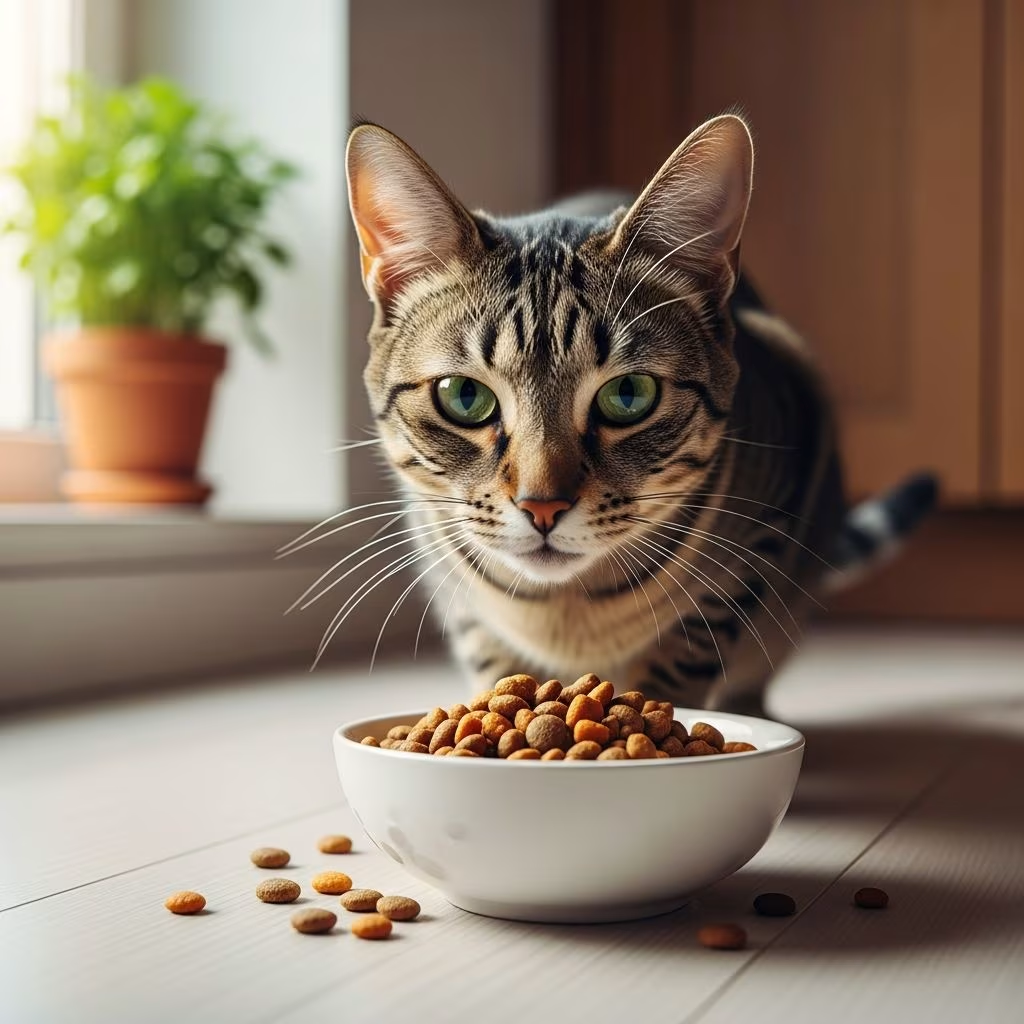
When your beloved feline companion suddenly shows little interest in their food bowl, it can be a source of significant concern for any cat owner. Loss of appetite in cats is rarely a simple matter—it represents a symptom that warrants investigation and understanding. Unlike dogs, which may skip a meal or two without consequence, cats have unique metabolic requirements and dependencies that make prolonged food refusal particularly serious. A cat that stops eating can develop hepatic lipidosis (fatty liver disease) within just 24 to 72 hours, making prompt attention essential. Understanding the underlying causes of appetite loss is the first step toward restoring your cat’s wellness and preventing serious complications.
The Spectrum of Medical Conditions Behind Reduced Appetite
Medical issues represent one of the most common categories of appetite loss in felines. Many diseases can affect a cat’s desire to eat, ranging from minor infections to chronic conditions that require long-term management. The challenge for pet owners is recognizing when a behavioral or environmental factor is responsible versus when a trip to the veterinarian is absolutely necessary.
Kidney and Urinary System Disorders
Kidney disease stands as one of the most prevalent health conditions affecting cats, particularly as they age. The kidneys play a vital role in filtering waste products and maintaining proper hydration. When kidney function deteriorates, toxic substances accumulate in the bloodstream, leading to severe nausea that discourages eating. Cats with kidney disease often display additional symptoms including excessive thirst, changes in urination frequency, weight loss, and lethargy. These symptoms tend to develop gradually, making early detection challenging without veterinary blood work and urinalysis. Senior cats are especially susceptible, making regular health screenings invaluable for aging felines.
Oral and Dental Complications
Dental disease affects a significant portion of the feline population yet remains underdiagnosed in home settings. Tartar buildup, gingivitis, tooth decay, tooth fractures, and oral infections all create painful conditions that make chewing and swallowing difficult or painful. Some cats develop oral tumors or inflammatory conditions that further compromise their ability to eat comfortably. Signs of dental problems include drooling, bleeding from the mouth, bad breath, dropping food while eating, and preference for soft foods. A cat experiencing mouth pain may approach their food bowl out of hunger, then back away without consuming anything. Regular dental care, including professional cleanings recommended by your veterinarian, can prevent many of these painful conditions.
Gastrointestinal and Digestive Issues
The gastrointestinal tract encompasses numerous potential problem areas that can suppress appetite. Inflammatory bowel disease causes chronic inflammation of the digestive lining, leading to nutrient absorption problems and loss of appetite. Gastroenteritis (inflammation of the stomach and intestines) can result from bacterial or viral infections, food sensitivities, or dietary indiscretions. Intestinal parasites, including roundworms and hookworms, consume nutrients and irritate the intestinal walls. Foreign body obstructions occur when cats ingest non-food items like string, hair ties, or plastic that lodge in the digestive tract. Pancreatitis (inflammation of the pancreas) causes severe abdominal pain and nausea. Cats experiencing any gastrointestinal issue may show accompanying symptoms like vomiting, diarrhea, constipation, or visible discomfort during or after eating attempts.
Systemic and Metabolic Diseases
Beyond organ-specific conditions, systemic diseases can dramatically affect appetite. Hyperthyroidism, an overactive thyroid gland common in older cats, paradoxically can cause appetite changes despite increasing metabolic demand. Diabetes mellitus affects blood sugar regulation and can suppress appetite despite the body’s need for fuel. Cancer, whether intestinal lymphoma or other malignancies, causes appetite loss through pain, nausea, and metabolic changes. Feline infectious peritonitis (FIP), a viral infection, causes progressive illness and wasting. Heart disease, including congestive heart failure, reduces appetite through fatigue and difficulty breathing. These conditions require professional diagnosis through blood tests, imaging, and physical examination.
Stress, Behavioral Responses, and Environmental Sensitivity
Cats possess emotional depths that many underestimate, and psychological states directly influence their eating behavior. Unlike some pets that seek comfort through food, stressed or anxious cats often lose interest in eating entirely. Understanding the psychological dimension of appetite loss is crucial for developing effective solutions.
Environmental Disruptions and Major Life Changes
Cats thrive on routine and predictability. Any significant alteration to their established patterns can trigger stress responses that suppress appetite. Moving to a new home requires cats to learn new layouts, identify escape routes, and establish new territorial boundaries—a process that can take weeks or months. The loss of a family member or pet that your cat bonded with creates grief and anxiety. Introduction of new household members, whether human or animal, disrupts the established social hierarchy and territory. Even seemingly minor changes like rearranging furniture, redecorating rooms, or altering feeding schedules can unsettle sensitive cats enough to affect their eating patterns.
Feeding Environment Factors
The location and conditions surrounding the food bowl matter significantly to many cats. Cats instinctively prefer to eat and drink away from their litter box areas, viewing them as separate life zones. Placing food bowls too close to waste areas triggers avoidance behaviors. Noisy, crowded feeding environments discourage eating—cats prefer quiet, calm spaces where they can eat without distraction or threat. Dirty or unclean bowls may deter fastidious felines, as cats naturally avoid areas that smell like waste. Food temperature matters too; some cats prefer room-temperature or warmed food rather than refrigerated meals. Strong odors near the feeding area, whether from cleaning products, air fresheners, or other environmental scents, can mask food appeal and create aversive associations.
Travel and Unfamiliar Surroundings
Whether visiting a veterinarian, traveling to a boarding facility, or staying temporarily elsewhere, unfamiliar environments create significant stress for most cats. The loss of familiar visual landmarks, scents, and routine creates anxiety that suppresses appetite. Even naturally confident cats may refuse food in novel environments until they’ve had time to acclimate and establish comfort. This is why gradual introductions to new spaces and maintaining familiar items (like favorite toys or bedding) can ease transitions.
Dietary Factors and Food-Related Preferences
Sometimes the simplest explanation—that your cat doesn’t like their food—proves to be the correct one. Cats are discerning eaters with distinct preferences that don’t always align with owner expectations.
Flavor, Texture, and Presentation Preferences
Individual cats develop strong preferences for specific flavors and textures. A cat accustomed to beef-flavored food may reject poultry varieties even if nutritionally identical. Texture preferences vary widely; some cats prefer pâté-style wet food while others want chunky varieties. Kibble size and shape affect palatability for some cats. Some felines are particularly sensitive to temperature and strongly prefer warm food over cold meals straight from refrigeration. When transitioning to new food, gradual mixing of old and new formulations over 7-10 days allows cats to acclimate to new flavors and textures rather than rejecting them outright.
Medical Causes of Food Aversion
Sometimes food refusal stems from negative associations created during illness. A cat that ate a specific food while experiencing vomiting or nausea may develop an aversion to that food even after recovery. Medications given alongside food can create similar associations. Some prescription diets formulated for medical conditions taste considerably different from standard foods, requiring patience and creative presentation strategies to encourage consumption.
Medication and Vaccine-Related Effects
Medical interventions intended to protect or heal cats can paradoxically cause appetite suppression. Recent vaccinations sometimes cause mild illness symptoms, including temporary appetite reduction, as the immune system mounts a response. Many medications, particularly antibiotics and chemotherapy agents, carry nausea as a side effect. Some cats experience appetite changes when beginning new medication regimens. Distinguishing between temporary vaccine reactions and more serious underlying issues requires observation and veterinary guidance when appetite loss extends beyond 24 hours post-vaccination.
Age-Related Changes in Appetite and Metabolism
As cats progress through their life stages, metabolic changes naturally alter their nutritional needs and eating patterns. Senior cats often experience gradual metabolism slowdown, reducing overall food consumption. This can reflect normal aging rather than disease, though it requires differentiation from appetite loss caused by medical conditions more common in older cats. Additionally, some senior cats may eat less simply because they’re full from their customary portions, reflecting reduced activity levels and energy expenditure. Age-related dental wear, reduced sense of smell, and changes in taste perception can also influence appetite in older felines.
When to Seek Immediate Veterinary Attention
While some appetite changes are benign and temporary, others signal serious health emergencies requiring immediate professional attention. Pet owners should contact a veterinarian if:
- Your cat hasn’t eaten anything for 24 hours or longer
- Appetite loss accompanies vomiting, diarrhea, or lethargy
- Your cat shows signs of pain, difficulty breathing, or distress
- Weight loss becomes apparent over days or weeks
- Your cat displays behavioral changes alongside reduced eating
- There’s evidence of mouth pain, bleeding from the mouth, or difficulty swallowing
- Your senior cat suddenly stops eating, even temporarily
Diagnostic Approaches and Veterinary Evaluation
When you bring your cat to the veterinarian for appetite concerns, your veterinarian will conduct a comprehensive evaluation. This typically includes a detailed history of when appetite changes began, what other symptoms have appeared, recent dietary or lifestyle changes, and your cat’s medical history. Physical examination assesses body condition, checks the mouth and teeth, palpates the abdomen, and listens to internal organs. Blood work and urinalysis provide insight into organ function, blood sugar levels, thyroid status, and presence of infection. Depending on findings, imaging studies like ultrasound or X-rays may be recommended. This systematic approach helps narrow the extensive list of possible causes to the actual culprit.
Strategies for Encouraging Eating During Recovery
Once a veterinarian has evaluated your cat and identified the underlying cause, several strategies can encourage eating while treatment addresses the root problem. Warming food to room temperature or slightly above enhances aroma and palatability. Offering multiple small meals throughout the day rather than one or two large meals can be more appealing. Placing food bowls in quiet, comfortable locations away from litter boxes and household noise helps create a positive eating environment. Some cats respond better to elevated food bowls that reduce neck strain. For cats recovering from illness, consultation with your veterinarian about appetite-stimulating medications may be appropriate. Hand-feeding small amounts directly can sometimes spark interest when bowl feeding fails.
Frequently Asked Questions About Feline Appetite Loss
How long can a cat safely go without eating?
Cats should not go without food for extended periods. Within 24-48 hours of not eating, cats become vulnerable to hepatic lipidosis, a serious liver condition. This makes prompt evaluation critical if your cat refuses food for a full day.
Can stress alone cause appetite loss, or does it always indicate illness?
Stress can absolutely cause appetite loss without underlying illness. However, because appetite loss can indicate serious medical conditions, it’s important to have your cat evaluated by a veterinarian to rule out medical causes before attributing the change purely to stress.
Should I try different foods to entice my cat to eat?
While offering different food varieties might seem helpful, it can complicate diagnosis if a medical issue exists. It’s better to consult your veterinarian first. If food preferences are truly the issue, gradual transitions to new foods help cats acclimate.
What’s the difference between picky eating and true appetite loss?
Picky eaters often show normal behavior and energy levels while simply being selective about what they eat. True appetite loss typically involves lethargy, weight loss, or other symptoms. Behavioral changes usually accompany medical appetite loss.
Prevention and Long-Term Management
Maintaining your cat’s eating enthusiasm requires attention to multiple factors. Regular veterinary checkups, including dental examinations and appropriate screening tests for senior cats, catch problems early. Providing a consistent feeding schedule and designated quiet eating space supports healthy eating habits. Maintaining oral hygiene through regular brushing or professional cleanings prevents dental disease. Managing household stress and providing environmental enrichment through toys, climbing structures, and interactive play promotes psychological wellbeing that supports normal appetite. Being observant about changes in your cat’s eating patterns, body condition, and overall behavior allows for early intervention when problems develop.
Understanding why your cat isn’t eating empowers you to respond appropriately and seek help when needed. Whether the cause is medical, behavioral, or environmental, recognizing appetite changes as a sign requiring attention—rather than ignoring them—can mean the difference between a minor issue and a serious health crisis. Your vigilance, combined with professional veterinary guidance, gives your cat the best chance of maintaining excellent nutrition and lifelong wellness.
References
- Cat Not Eating: What To Do — PetMD. Accessed February 17, 2026. https://www.petmd.com/cat/nutrition/cat-not-eating-what-to-do
- Common Reasons Your Cat is Not Eating — Beacon Vets. December 20, 2021. https://www.thebeaconvet.com/site/blog/2021/12/20/common-reasons-your-cat-is-not-eating
- 10 Reasons Why Your Cat is Not Eating — Ventura Emergency Vet. May 17, 2021. https://www.vmsg.com/site/blog/2021/05/17/10-reasons-why-your-cat-is-not-eating
- If Your Cat Won’t Eat, Consider These 10 Common Reasons — GoodRx. Accessed February 17, 2026. https://www.goodrx.com/pet-health/cat/not-eating
- Why Is My Cat Not Eating? 8 Reasons and What to Do — SHEBA. Accessed February 17, 2026. https://www.sheba.com/lifestyle/cat-wont-eat
- What to do When Your Cat Won’t Eat — WebMD. Accessed February 17, 2026. https://www.webmd.com/pets/cats/my-cat-wont-eat
- Top 5 Reasons Your Cat Isn’t Eating and What to Do About It — Faithful Friends Veterinary Clinic. Accessed February 17, 2026. https://faithfulfriendsvetclinic.com/top-5-reasons-your-cat-isnt-eating-and-what-to-do-about-it/



