

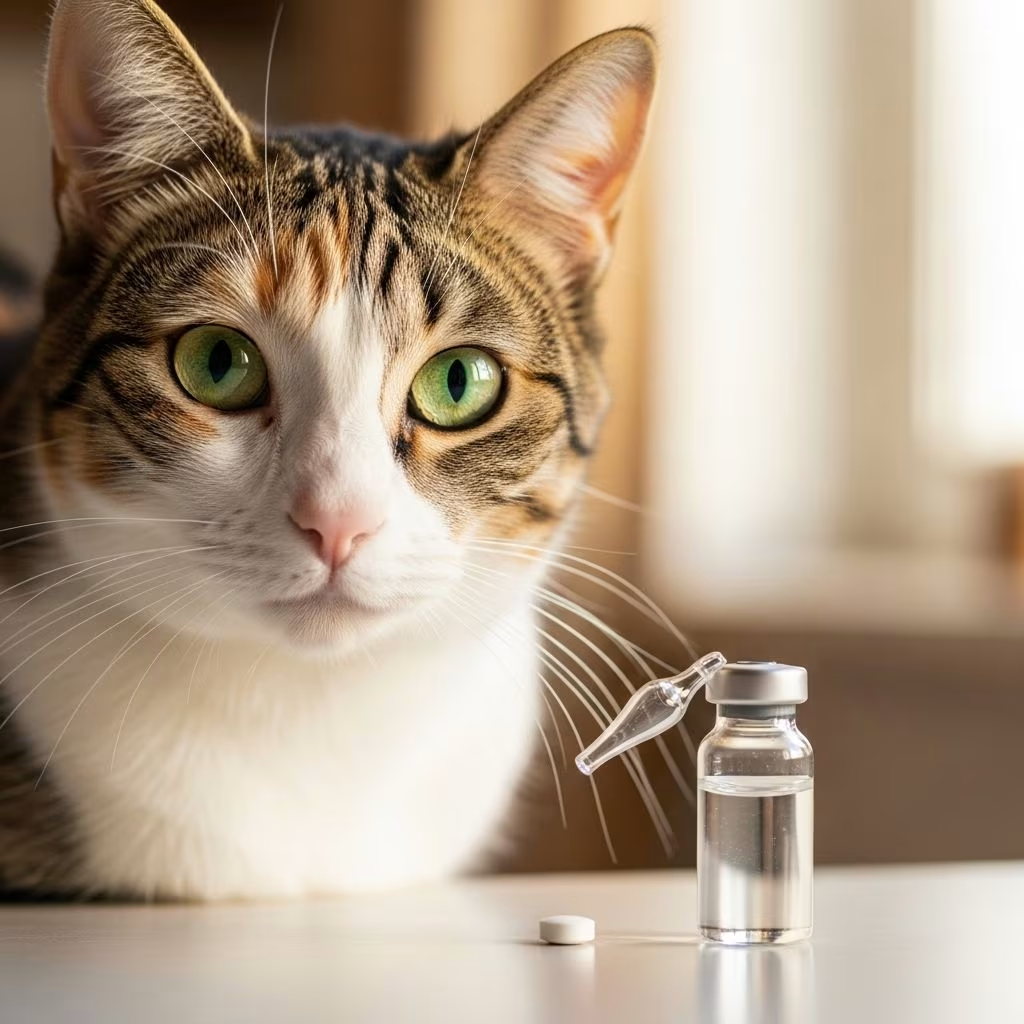
Antibiotics play a crucial role in managing bacterial infections in cats, helping to restore health when prescribed appropriately by a veterinarian. These medications target specific pathogens while minimizing harm to the feline body, but their use requires precision to avoid complications like resistance.
Understanding Bacterial Infections in Cats
Cats commonly encounter bacterial infections affecting the skin, respiratory system, urinary tract, and dental areas. Abscesses from fights, upper respiratory illnesses, and urinary issues often necessitate antibiotic intervention. Early diagnosis through veterinary exams, including cultures, ensures the right treatment.
Symptoms vary: lethargy, fever, discharge, or swelling signal potential issues. Vets perform sensitivity testing to match antibiotics to the bacteria, as listed in standard panels for gram-positive and gram-negative organisms.
Primary Categories of Antibiotics for Cats
Feline antibiotics fall into classes like penicillins, cephalosporins, tetracyclines, lincosamides, and fluoroquinolones. Each class works differently—some kill bacteria directly (bactericidal), others halt growth (bacteriostatic).
- Penicillins and Combinations: Broad-spectrum options like amoxicillin or amoxicillin-clavulanate tackle skin, respiratory, and urinary infections by disrupting cell walls.
- Cephalosporins: First- and second-generation types, such as cephalexin or cefazolin, treat bone, skin, and respiratory issues with good tolerability.
- Tetracyclines: Doxycycline addresses respiratory, tick-borne, and mycoplasma infections by inhibiting protein synthesis.
- Lincosamides: Clindamycin excels against dental, bone, and abscess infections.
- Fluoroquinolones: Enrofloxacin or marbofloxacin reserved for severe cases like chronic UTIs or resistant bacteria, targeting DNA replication.
Popular Antibiotics and Their Specific Uses
Here are detailed profiles of frequently prescribed options, drawn from veterinary practices.
| Antibiotic | Common Forms | Key Uses in Cats | Spectrum |
|---|---|---|---|
| Amoxicillin | Oral tablets/liquid | Skin, GI, respiratory infections | Broad |
| Cephalexin | Oral capsules | UTIs, skin, bone infections | Broad |
| Clindamycin | Oral liquid/tablets | Dental, abscesses, toxoplasmosis | Moderate |
| Enrofloxacin | Oral tablets | UTIs, skin, respiratory (severe) | Broad |
| Doxycycline | Oral liquid/tablets | Respiratory, tick diseases | Broad |
| Metronidazole | Oral/injectable | GI infections, protozoa | Anaerobic |
Amoxicillin stands out for its versatility against common feline pathogens. Cephalexin offers minimal side effects, ideal for soft tissue issues. Clindamycin suits kittens well due to rapid action.
Administration Methods and Dosage Considerations
Antibiotics come in oral liquids for picky eaters, tablets hidden in food, injectables for hospital cases, or topicals for wounds. Dosage depends on weight, condition severity, and kidney/liver function—always follow vet instructions precisely.
Complete the full course to eradicate bacteria fully, preventing relapse or resistance. For UTIs, urine cultures guide choices like amoxicillin-clavulanate or enrofloxacin.
Potential Side Effects and Monitoring
While generally safe, side effects include vomiting, diarrhea, or appetite loss. Rare allergic reactions manifest as facial swelling or breathing issues—seek emergency care. Fluoroquinolones may cause retinal damage in cats, so they’re used cautiously.
- GI upset: Common with oral forms; give with food.
- Allergies: Hives, anaphylaxis—stop use immediately.
- Neurological: Rare with some classes, like seizures.
Monitor for improvement within 48-72 hours; contact your vet if not.
Preventing Antibiotic Resistance in Felines
Overuse fosters resistant superbugs, complicating treatments. Use only for confirmed bacterial infections, not viruses. Vets prioritize narrow-spectrum drugs when possible.
Probiotics may support gut health during treatment. Avoid human antibiotics, as dosages differ.
When to Consult a Veterinarian
Never self-medicate. Signs warranting antibiotics: persistent fever, pus-filled wounds, chronic sneezing with discharge, or bloody urine. Diagnostics like bloodwork or imaging precede prescriptions.
FAQs on Feline Antibiotics
What is the best antibiotic for cat abscesses?
Clindamycin or cephalexin often work well, based on culture results.
Can cats take doxycycline?
Yes, for respiratory infections like Chlamydia felis, but esophageal irritation risk requires pilling with water.
Are antibiotics safe for kittens?
Select ones like clindamycin are; avoid others without vet approval.
How long do cat antibiotics take to work?
Typically 2-3 days for symptom relief, but finish the course.
What if my cat vomits after antibiotics?
Try with food or switch forms; consult vet if persistent.
Alternatives and Supportive Care
For mild cases, wound cleaning or fluids suffice. Antivirals target herpesvirus, not bacteria. Nutrition boosts immunity during recovery.
References
- Common Antibiotics for Dogs and Cats — Wedgewood Pharmacy. 2023. https://www.wedgewood.com/blog/common-antibiotics-for-dogs-and-cats/
- What Are Antibiotics for Cats? — Chewy. 2024. https://www.chewy.com/education/cat/health-and-wellness/antibiotics-for-cats
- Antibiotics for cats — Joii Pet Care. 2024. https://www.joiipetcare.com/blogs/procedures-and-medication/antibiotics-for-cats
- Antibiotic Panels for Susceptibility Testing: Dogs, Cats, and Other Small Animals — Michigan State University College of Veterinary Medicine. 2025-02-01. https://cvm.msu.edu/vdl/laboratory-sections/bacteriology-mycology/antimicrobial-susceptibility-testing-ast-resources/antibiotic-panels-for-susceptibility-testing-dogs-cats-and-other-small-animals
- Antimicrobial Use in Animals — Merck Veterinary Manual. 2024. https://www.merckvetmanual.com/pharmacology/systemic-pharmacotherapeutics-of-the-eye/antimicrobial-use-in-animals
- Antibiotics for Cats: Types and Possible Side Effects — Purina UK. 2024. https://www.purina.co.uk/articles/cats/health/symptoms/antibiotics-for-cats
- Antibiotics For Cats — Blue Cross. 2024. https://www.bluecross.org.uk/advice/cat/health-and-injuries/antibiotics-for-cats



