

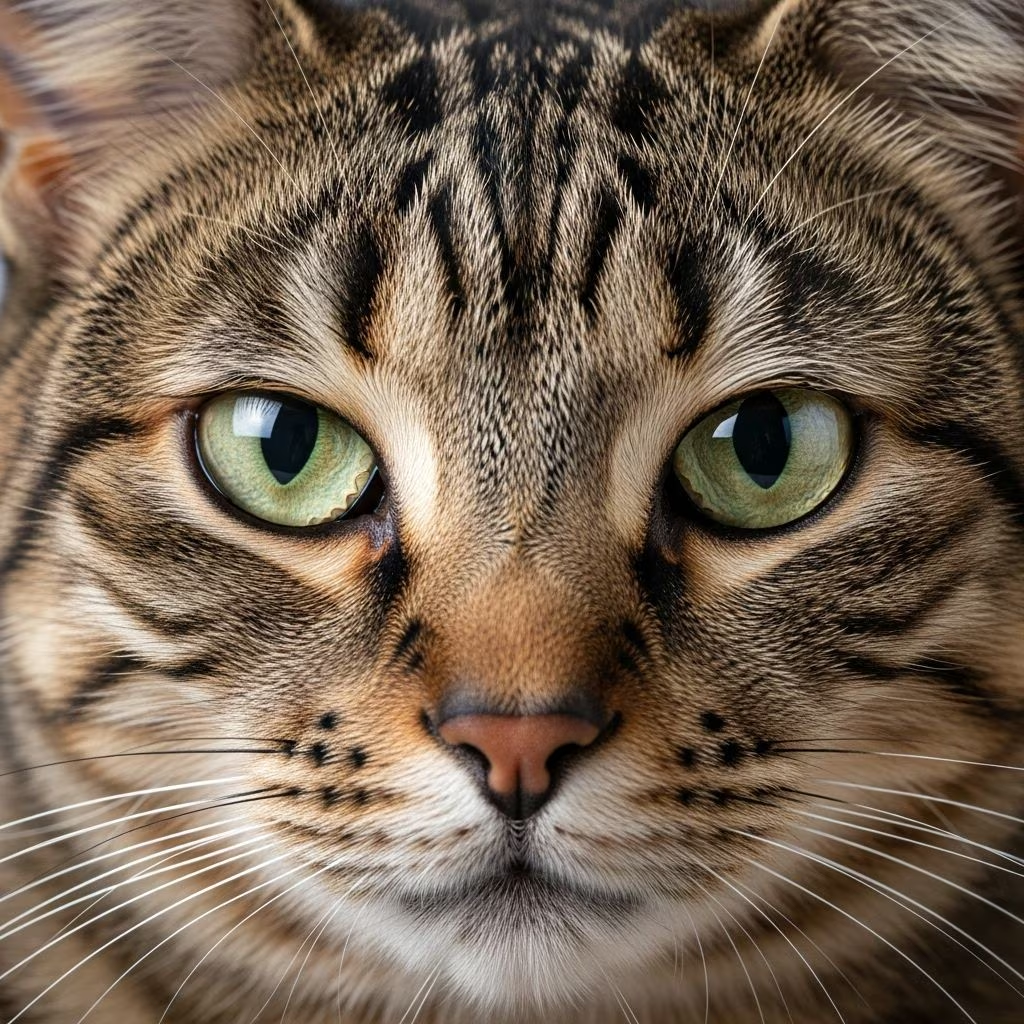
Discovering a bald patch above your cat’s eye can trigger immediate concern for any pet owner. This localized hair loss, medically referred to as alopecia, represents one of the more noticeable dermatological issues in felines and often signals an underlying health condition requiring attention. The area surrounding the eyes is particularly vulnerable to various irritants and infections, making it a common site for hair loss manifestation. Understanding the potential causes of this condition is the first step toward helping your cat regain a healthy coat and comfortable skin.
Recognizing the Signs of Eye-Area Hair Loss
Hair loss around the ocular region presents distinctly in feline patients. Pet owners typically observe patches of exposed skin where fur previously existed, often accompanied by visible changes to the surrounding tissue. These alterations may include redness, swelling, or changes in skin pigmentation that extend slightly beyond the hairless areas. The severity can range from mild thinning to complete baldness in concentrated zones.
Beyond the visible hair loss itself, additional symptoms frequently accompany this condition. Your cat may exhibit frequent rubbing or scratching around the eyes, excessive grooming of the facial area, or visible discomfort when the affected region is touched. Eye discharge, whether clear, watery, or colored, often appears concurrently with hair loss. Some cats display crusty formations around the eyelids or develop scales and flaking skin in the affected zones.
Parasitic Infestations as Primary Culprits
Parasitic organisms represent one of the most common reasons for hair loss in felines, particularly in the eye region. Fleas stand out as the primary parasitic cause, triggering both direct irritation and allergic reactions in susceptible animals. When fleas bite, they inject saliva containing compounds that can provoke intense itching, leading cats to over-groom themselves and create bald patches.
A particularly problematic condition develops when cats experience flea allergy dermatitis, an exaggerated immune response to flea saliva. This hypersensitivity causes severe itching and inflammation that far exceeds the reaction from the flea bite itself. Even a single flea bite can trigger this response in allergic cats, making prevention crucial.
Beyond fleas, several other parasites contribute to facial and periocular hair loss:
- Ear mites – These microscopic parasites inhabit the ear canal but frequently cause irritation that extends to surrounding skin
- Mange mites – Demodex or sarcoptic mites burrow into skin layers, creating intense itching and secondary hair loss
- Lice – Though less common than in canines, feline lice still cause localized irritation and alopecia
- Ringworm – Despite its name, this fungal infection creates circular patches of hair loss and scaling
Parasitic infestations often remain undetectable without professional veterinary examination, as the causative organisms may be microscopic or hidden beneath fur and skin layers.
Allergic Reactions and Dermatological Responses
Allergies represent another significant category of causes for hair loss around feline eyes. Cats can develop allergic responses to multiple environmental and dietary factors, each triggering inflammation and itching in the skin surrounding the eyes.
Environmental allergens include airborne particles such as pollen, mold spores, and dust mites. When seasonal hair loss occurs, environmental allergies frequently constitute the underlying cause. The inflammation triggered by these allergens results in itchy skin that prompts excessive grooming and subsequent hair loss.
Food allergies deserve equal consideration in diagnostic procedures. Common dietary allergens in feline diets include chicken, dairy products, grains, and fish-based proteins. When a cat’s immune system reacts adversely to food constituents, it triggers inflammatory responses manifesting as skin irritation, excessive scratching, and hair loss. The reaction often develops gradually, making the connection between diet and symptoms less obvious to owners.
Contact dermatitis can also occur when cats contact irritating substances through grooming products, environmental chemicals, or direct skin contact with problematic materials. The eye region’s sensitive tissue makes it particularly susceptible to irritant reactions from shampoos, rinses, or other topical applications.
Infections and Inflammatory Conditions
Bacterial and fungal infections create another substantial category of causes for periocular alopecia. These infections establish themselves in skin tissue and trigger inflammatory responses that damage hair follicles and cause hair shedding.
Ringworm, technically a fungal infection despite its misleading name, produces characteristic circular patterns of hair loss with scaling and inflammation. This highly contagious condition can spread to other areas of the body and potentially to other animals in the household. The fungal organism invades hair shafts and surrounding tissue, weakening the structural integrity of the hair and causing it to break or fall out.
Bacterial skin infections often develop secondarily following trauma from scratching or as complications of other primary conditions. These infections cause redness, swelling, pustule formation, and progressive hair loss if left untreated.
Dermatitis, a general term describing skin inflammation, frequently manifests around the eyes due to the region’s sensitivity and the proximity of tear ducts and mucous membranes. Eye inflammation (conjunctivitis) frequently extends to surrounding skin, creating dermatitis that results in hair loss. The itching associated with dermatitis causes cats to scratch and rub excessively, further traumatizing the skin and exacerbating hair loss.
Hormonal and Metabolic Disorders
Internal health conditions affecting hormone production can precipitate hair loss in the facial region and throughout the body. These systemic conditions require comprehensive veterinary evaluation and management.
Hyperthyroidism, characterized by excessive thyroid hormone production, accelerates metabolism and disrupts normal physiological processes. Affected cats typically exhibit rapid weight loss despite increased appetite, along with behavioral changes and dermatological symptoms including hair loss. The excessive metabolic activity diverts nutritional resources away from hair maintenance, resulting in weakened follicles and shedding.
Cushing’s disease, or hyperadrenocorticism, results from excessive cortisol production by the adrenal glands. Elevated cortisol levels weaken skin structure, reduce hair follicle vitality, and manifest as thinning fur and bald patches. Cats with Cushing’s disease typically display additional symptoms including increased thirst, frequent urination, and abdominal distension.
Diabetes mellitus can also contribute to hair and skin problems by affecting nutrient absorption and immune function. The metabolic disruptions associated with diabetes compromise the nutritional requirements for maintaining healthy hair growth.
Stress, Anxiety, and Psychogenic Factors
Psychological and emotional states significantly influence feline grooming behavior and coat health. Cats experiencing stress or anxiety may develop excessive grooming behaviors that result in hair loss, a condition termed psychogenic alopecia.
Environmental changes trigger stress responses in sensitive felines. Relocating to a new home, introducing new pets, loud noises, changes in routine, or alterations to the household structure can precipitate anxiety-driven over-grooming. Rather than grooming for hygiene purposes, affected cats groom compulsively as a self-soothing mechanism. This excessive licking and grooming pulls out hair and damages follicles, creating noticeable bald patches.
Pain and discomfort from any source can also trigger localized excessive grooming. Cats naturally lick painful areas to alleviate discomfort, but this behavior can remove hair and worsen the underlying condition. Neuropathic pain from nerve dysfunction similarly prompts compensatory grooming behaviors.
When to Seek Professional Veterinary Care
Certain clinical presentations warrant prompt veterinary evaluation to rule out serious conditions and initiate appropriate treatment. Pet owners should contact their veterinarian when the following circumstances occur:
- Hair loss is accompanied by redness, swelling, discharge, or pus
- The affected area shows signs of open sores, scabbing, or secondary infection
- Your cat exhibits excessive scratching or rubbing, particularly if causing self-trauma
- Hair loss spreads to other body areas or worsens over time
- Your cat displays additional symptoms such as behavioral changes, appetite alterations, or activity level modifications
- The condition persists despite home management attempts
- Eye discharge accompanies the hair loss, particularly if colored yellow or green
Prompt professional evaluation prevents complications and accelerates recovery when treatable conditions are identified early.
Diagnostic Approaches and Testing
Veterinarians employ multiple diagnostic techniques to identify the underlying cause of periocular alopecia. A thorough physical examination provides initial assessment, followed by more specific testing as indicated.
Microscopic examination of hair and skin scrapings reveals parasitic organisms, fungal elements, or bacterial infections. Dermatophyte cultures grow fungal organisms over several weeks, confirming fungal infections and identifying the specific organism responsible. Wood’s lamp examination may detect certain fungal infections through characteristic fluorescence patterns.
Allergy testing, including elimination diets for suspected food allergies and intradermal testing for environmental allergens, helps identify allergic causes. Blood work evaluates hormone levels, assesses thyroid function, and identifies systemic diseases like diabetes or Cushing’s disease. Cytology samples from affected skin examine cellular composition and identify infection types.
Treatment Strategies and Management Approaches
Treatment varies substantially based on identified cause and severity of the condition. Parasitic infestations require appropriate antiparasitic medications, which may include topical treatments, oral medications, or injections depending on the specific parasite type and cat’s circumstances. Environmental parasites often require concurrent household treatment to prevent reinfestation.
Allergic conditions benefit from allergen avoidance when identified allergens can be eliminated. Food allergies respond to dietary modification, replacing problematic ingredients with novel protein sources or limited ingredient diets formulated for sensitive cats. Environmental allergens require exposure reduction through air filtration, environmental management, and possibly antihistamine or anti-inflammatory medications.
Fungal infections typically require extended antifungal therapy, including topical treatments, oral medications, or both. Bacterial infections respond to appropriate antibiotics selected based on culture and sensitivity results when possible. Environmental sanitation becomes essential, as fungal spores persist on surfaces and contaminated objects.
Hormonal conditions require appropriate medication to restore hormonal balance. Hyperthyroidism treatments include antithyroid medications, radioactive iodine therapy, or surgical thyroidectomy depending on the cat’s age and health status. Cushing’s disease management involves medication to reduce cortisol production and address secondary symptoms.
Stress-related hair loss improves with environmental enrichment, behavioral modification, pheromone therapy products, and addressing underlying stressors. Some cases benefit from anxiolytic medication prescribed by the veterinarian.
Preventive Measures and Long-Term Care
Several strategies reduce the likelihood of developing periocular alopecia. Consistent parasite prevention through monthly or quarterly treatments protects against flea, mite, and other parasitic infestations even if cats remain indoors.
Regular grooming and skin inspections identify problems early, before they develop into serious conditions. Gentle grooming reduces matting that traps moisture and promotes infection development. Maintaining appropriate nutrition supports healthy skin and coat through adequate protein, omega fatty acids, and essential micronutrients.
Environmental stress reduction and maintaining consistent routines support psychological wellbeing and reduce anxiety-driven over-grooming. Providing appropriate play opportunities, scratching posts, and environmental enrichment maintains cats’ mental health.
Regular veterinary check-ups, including dermatological assessment during wellness visits, establish baseline skin and coat conditions and identify emerging problems during early stages when treatment is most effective.
Frequently Asked Questions
Can hair loss above the eyes resolve on its own?
While some mild cases may improve spontaneously, most hair loss conditions benefit from veterinary diagnosis and treatment. Self-resolution is unpredictable, and untreated conditions may progress or develop complications. Professional evaluation ensures appropriate management and prevents worsening.
Is hair loss above the eyes contagious to other cats?
Contagiousness depends entirely on the underlying cause. Ringworm and certain parasites spread between animals, necessitating isolation and household treatment. Allergies, hormonal conditions, and stress-related hair loss are not contagious. Your veterinarian will specify precautions based on diagnosis.
How long does treatment typically require?
Treatment duration varies dramatically based on cause. Parasitic infestations may resolve within weeks of appropriate treatment, while fungal infections require months of therapy. Allergic conditions need long-term management and may require ongoing preventive measures. Hormonal disorders require chronic medication management.
What distinguishes normal shedding from pathological hair loss?
Normal shedding produces loose hairs that come out gently during grooming or handling, with no underlying skin changes. Pathological alopecia creates completely bald patches with visible skin, often accompanied by redness, scaling, or inflammation. The distinction becomes clear upon close skin inspection.
Should I attempt home treatment before veterinary consultation?
While general supportive care like gentle handling and appropriate nutrition supports overall health, home treatment alone is insufficient for most periocular alopecia cases. Professional diagnosis identifies the specific cause, enabling targeted treatment that resolves the condition effectively. Delayed treatment may allow progression or complications.
Moving Forward with Your Cat’s Health
Periocular alopecia in cats represents a symptom of underlying conditions rather than an isolated dermatological problem. The sensitive skin around the eyes, combined with the area’s frequent contact with tears, paws, and environmental irritants, makes it particularly vulnerable to various pathological processes. From parasitic infestations to hormonal imbalances, from allergic reactions to stress-related behaviors, multiple conditions can manifest as hair loss in this region.
Success in managing feline eye-area alopecia requires professional veterinary assessment to identify the specific cause, followed by targeted treatment addressing the underlying condition rather than merely the visible symptoms. With appropriate diagnosis and management, most cats recover healthy coat growth and return to comfortable, itch-free skin. Pet owners who notice changes in their cat’s coat or skin should contact their veterinarian promptly, knowing that early intervention typically produces better outcomes and prevents progression to more severe complications.
References
- Reasons Your Cat’s Hair is Falling Out — Walnut Creek Veterinary Clinic. 2024. https://walnutcreekvetclinic.com/articles/cats-hair-is-falling-out
- A bald spot suddenly popped up above my cat’s eye. Should I be concerned? — Dial A Vet. 2024. https://www.dialavet.com/vet-answers/bald-spot-above-cats-eye-215709
- Eye conditions in cats that can lead to dermatitis issues — Royal Canin. 2024. https://www.royalcanin.com/us/cats/health-and-wellbeing/eye-conditions-in-cats-that-can-lead-to-dermatitis-issues
- Alopecia in Cats: What It Is and Why Your Cat Is Losing Hair — PetMD. 2024. https://www.petmd.com/cat/conditions/skin/alopecia-cats-what-it-and-why-your-cat-losing-hair
- Cat Losing Hair? Causes and When to Worry — Fulton County Veterinary Clinic. 2024. https://fultoncountyvetclinic.com/blog/cat-losing-hair/



