

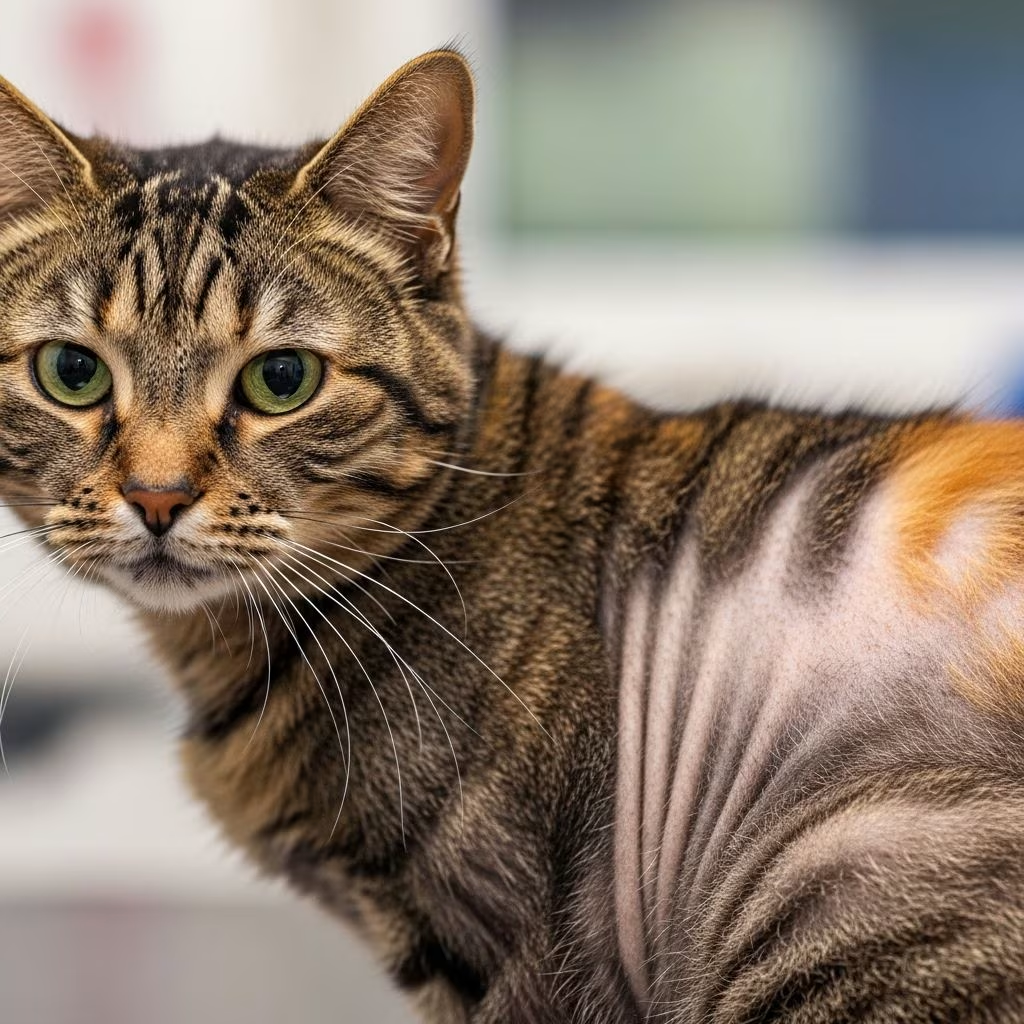
Hair loss in cats, known as alopecia, manifests as patchy bald spots or thinning fur beyond normal shedding. This condition often signals underlying health or behavioral problems requiring prompt attention to prevent progression.
Understanding the Basics of Cat Hair Loss
Cats maintain their coats through natural grooming, but excessive licking, chewing, or scratching can lead to noticeable bald areas. Alopecia divides into two main types: self-inflicted from overgrooming due to irritation, and spontaneous from direct follicle damage. Early detection improves outcomes, as fur regrowth may take weeks to months after addressing the root issue.
Symptoms include symmetrical bald patches on the belly, flanks, or hindquarters, scaly skin, redness, or broken hairs. Unlike seasonal shedding, alopecia appears abruptly and persists without intervention.
Primary Triggers Behind Feline Fur Loss
Multiple factors contribute to alopecia, categorized by mechanism for clearer diagnosis.
Parasitic Infestations
Fleas top the list as culprits, triggering intense itching via saliva allergies even from minimal bites. Cats respond by overgrooming the lower back and tail base, creating bald patches. Mites like Cheyletiella or Demodex, lice, and fungal infections such as ringworm exacerbate this, causing flaky, circular bald spots.
- Flea allergy dermatitis: Symmetrical hair loss from excessive grooming.
- Ringworm: Red, itchy, scaly patches that spread.
- Mange: Localized thinning from mite burrowing.
Allergic Reactions
Environmental allergens (atopy), food sensitivities, or contact irritants provoke relentless itching, leading to barbering—where cats lick fur to stubs. Food allergies often target proteins, resolved via elimination diets.
| Allergen Type | Common Signs | Prevalence |
|---|---|---|
| Flea | Hindquarter baldness | Most common |
| Food | Face/ears itching | Frequent in adults |
| Atopic | Generalized pruritus | Seasonal flares |
Hormonal and Systemic Disorders
Endocrine imbalances disrupt hair cycles. Hyperthyroidism in seniors causes patchy loss alongside weight reduction and hyperactivity. Cushing’s disease (hyperadrenocorticism) thins skin and fur due to cortisol excess. Feline leukemia weakens immunity, impairing nutrient absorption for coat maintenance.
- Diabetes: Poor grooming from lethargy.
- Autoimmune: Sebaceous adenitis inflames oil glands.
Behavioral and Stress-Related Factors
Psychogenic alopecia stems from anxiety, where cats overgroom for comfort during changes like relocations or new pets. Though less common than medical causes (only 10% purely behavioral in studies), it mimics allergies. Pain from injuries or arthritis prompts focused licking.
Infections and Other Medical Issues
Bacterial pyoderma, eosinophilic granuloma (raised red lesions), or tumors directly damage follicles. Scarring from burns or trauma results in permanent baldness.
Diagnostic Steps for Accurate Identification
Veterinarians start with history and physical exams, noting grooming patterns and lesion distribution. Tools include:
- Skin scrapings/cytology for parasites/infections.
- Flea comb checks.
- Blood tests for hormones/FeLV.
- Biopsies for tumors or autoimmune diseases.
- Elimination diets: 12-week hydrolyzed protein trials.
Differentiating self-induced from spontaneous alopecia involves trichograms (hair pluck analysis) and observing if cats react to flea bites.
Treatment Strategies Tailored to Causes
Success hinges on pinpointing the trigger; alopecia often resolves with targeted therapy, though chronic cases need ongoing management.
Parasite Control
Topical/oral flea preventives, lime-sulfur dips for mites, antifungals like itraconazole for ringworm (4-6 weeks).
Allergy Management
Hypoallergenic diets, antihistamines, steroids, or immunotherapy shots. Cyclosporine for severe cases.
Hormonal Corrections
Methimazole for hyperthyroidism, adrenal surgery for Cushing’s, insulin for diabetes.
Behavioral Interventions
Environmental enrichment, pheromones, amitriptyline for compulsive grooming.
| Condition | Treatment Options | Regrowth Time |
|---|---|---|
| Fleas | Parasiticides | 1-2 months |
| Allergies | Diet change, meds | 8-12 weeks |
| Hyperthyroidism | Methimazole | Variable |
Supportive care: Omega-3 supplements, medicated shampoos enhance recovery.
Preventive Measures for a Healthy Coat
Year-round flea prevention, hypoallergenic diets for at-risk cats, stress reduction via play and stable routines minimize risks. Regular vet checkups catch issues early, especially in seniors.
- Monthly parasite controls.
- Balanced nutrition with novel proteins if prone to allergies.
- Enrichment toys to curb stress grooming.
Frequently Asked Questions
Will my cat’s hair grow back?
Yes, in most treatable cases, full regrowth occurs within 2+ months post-treatment.
Is alopecia contagious?
Only if fungal like ringworm; parasites can spread to other pets.
Can diet alone fix hair loss?
It resolves food allergies but not parasites or hormones; vet guidance essential.
When to see a vet urgently?
If accompanied by lethargy, wounds, or rapid spread.
Is overgrooming always stress?
No, 76% of suspected cases have medical roots like allergies.
Long-Term Coat Maintenance Tips
Monitor for recurrence, maintain preventives, and schedule annual dermatology screens. Brushing distributes oils, reducing matting risks. For multi-cat homes, isolate new members to prevent parasite introduction.
References
- Alopecia in Cats: What It Is and Why Your Cat Is Losing Hair — PetMD. 2023. https://www.petmd.com/cat/conditions/skin/alopecia-cats-what-it-and-why-your-cat-losing-hair
- Alopecia in Cats — Just Cats Clinic. 2024-01-15. https://justcatsclinic.com/alopecia-in-cats/
- Hair loss (alopecia) in cats — PDSA. 2025-03-10. https://www.pdsa.org.uk/pet-help-and-advice/pet-health-hub/symptoms/hair-loss-alopecia-in-cats
- Hair Loss in Cats – Feline Alopecia — Tri-County Animal Hospital. 2024. https://tricountyah.com/pet-health/hair-loss-cats/
- Cat Alopecia: Why is Your Cat Losing Hair? — Purina. 2023-05-20. https://www.purina.com/articles/cat/health/skin-fur-ears/cat-alopecia-hair-loss
- A Clinical Approach to Alopecia in Cats — Today’s Veterinary Practice. 2022-11-01. https://todaysveterinarypractice.com/dermatology/alopecia-diagnosis-cats/



