

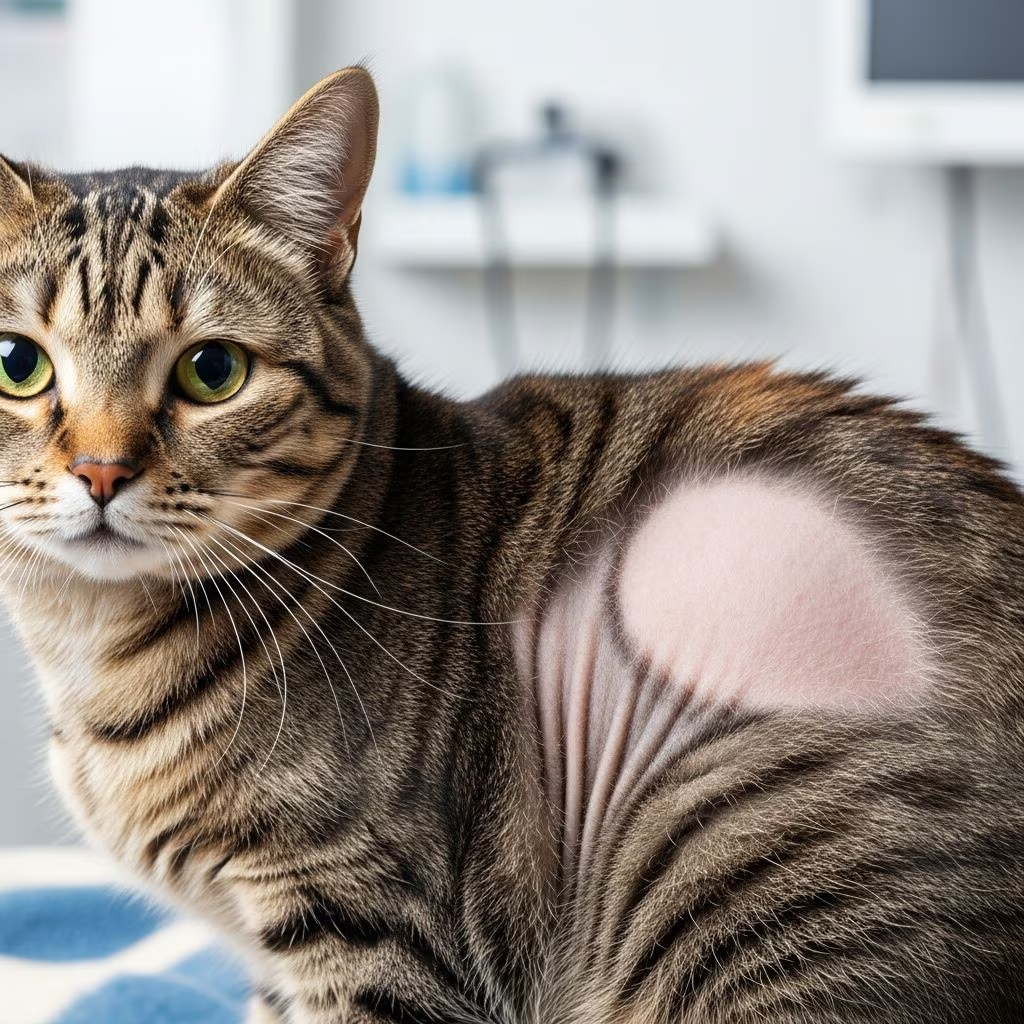
Hair loss in cats, known as alopecia, affects many felines and can signal various health concerns ranging from minor irritations to serious conditions. Understanding the underlying triggers is crucial for timely intervention and restoring a healthy coat.
Understanding Hair Loss in Cats
Alopecia manifests as patchy bald spots, thinning fur, or symmetrical hair absence, often beyond normal shedding. It arises from damage to hair follicles, abnormal growth cycles, or excessive self-trauma like overgrooming. Cats may lick or chew excessively due to itchiness, pain, or stress, leading to broken hairs and bare skin.
Distinguishing between types helps in management: congenital forms appear from birth due to underdeveloped follicles, while acquired ones develop later from diseases impacting healthy follicles. Inflammatory alopecia, the most prevalent, involves redness, scaling, or crusting, whereas noninflammatory types show clean bald areas from hormonal shifts.
Common Triggers of Cat Hair Loss
Several factors contribute to feline alopecia. Parasites top the list, with fleas causing intense reactions even from minimal bites, prompting grooming that creates bald patches on the back, tail base, and thighs. Mites and lice similarly irritate, leading to scratching-induced loss.
Allergies play a major role, including flea hypersensitivity, food sensitivities, and environmental triggers like pollen. Cats overgroom affected areas, resulting in barbering—short, broken hairs or full baldness. Fungal infections such as ringworm produce circular lesions with scaling and hair breakage, highly contagious especially in kittens and seniors.
Hormonal imbalances like hyperthyroidism in older cats disrupt coat quality alongside weight loss and hyperactivity. Rarer issues like hyperadrenocorticism cause thin skin and patchy loss. Bacterial infections often secondary to trauma worsen the problem, creating sores and further hair fall.
Behavioral overgrooming stems from stress, triggered by household changes, new pets, or boredom. Cats soothe anxiety through licking, mimicking normal hygiene but excessively. Nutritional gaps or poor diets can weaken fur, though less common with balanced feeding.
Diagnostic Process for Alopecia
Veterinarians start with a full history, noting onset, pattern, and symptoms like itching or lethargy. Physical exams check for parasites via skin scrapings, flea dirt, or combing. Blood tests screen for hormonal disorders, allergies, or systemic issues; urinalysis detects organ problems.
Skin biopsies provide definitive insights into inflammation, infections, or follicle damage. Cytology or cultures identify bacteria or fungi. Allergy trials involve novel protein diets for 8-12 weeks to rule out food sensitivities. Ruling out pruritus sources—ectoparasites, infections, hypersensitivities—is key before considering behavioral causes.
| Diagnostic Test | Purpose | Common Findings |
|---|---|---|
| Skin Scraping | Detect parasites | Mites, lice, fleas |
| Blood Work | Assess hormones/systemic health | Hyperthyroidism markers |
| Biopsy | Examine follicle damage | Inflammation, neoplasia |
| Diet Trial | Test food allergies | Improvement on hypoallergenic food |
Treatment Strategies by Cause
Tailored therapies address root issues. For parasites, topical or oral preventives eliminate fleas and mites swiftly. Ringworm requires antifungal shampoos, oral meds, and home decontamination.
Allergy management includes hypoallergenic diets, environmental controls, or immunotherapy. Medicated baths soothe skin. Endocrine disorders need hormone regulators like methimazole for hyperthyroidism. Bacterial infections respond to antibiotics; pain relief aids recovery.
Behavioral cases benefit from enrichment—scratching posts, toys, pheromone diffusers—and anti-anxiety meds if needed. Stress reduction prevents recurrence. Avoid toxic topicals; vet approval is essential. Laser therapy reduces inflammation in chronic cases.
- Parasite Control: Monthly preventives, environmental cleaning.
- Infection Treatment: Antifungals, antibiotics per culture results.
- Allergy Relief: Diet changes, antihistamines, steroids short-term.
- Hormonal Fixes: Medication to balance thyroid or cortisol.
- Behavioral Aids: Pheromones, play therapy, routine stability.
Preventing Hair Loss Recurrence
Proactive steps maintain coat health. Regular flea preventives protect indoors and out. Balanced nutrition with omega fatty acids supports skin. Frequent grooming detects issues early without overstimulating.
Minimize stress via multi-cat harmony, hiding spots, and veterinary behavior consults. Clean environments curb fungal spread. Annual check-ups catch hormonal shifts promptly. Monitor for changes; prompt vet visits improve outcomes.
When to Consult a Veterinarian
Seek care for sudden baldness, spreading patches, redness, scabs, or behavioral shifts. Accompanying weight loss, vomiting, or lethargy signals urgency. Early diagnosis prevents complications like infections.
Frequently Asked Questions (FAQs)
Is cat hair loss always serious?
Not always, but persistent cases warrant vet evaluation to exclude treatable causes.
Can diet alone fix alopecia?
Diet helps allergies or nutrition issues, but parasites or hormones need specific meds.
How long until hair regrows?
Weeks to months post-treatment; depends on cause and follicle health.
Is ringworm dangerous to humans?
Yes, contagious; isolate cat and disinfect.
Does stress really cause bald spots?
Yes, via overgrooming; enrichment resolves many cases.
Supporting Your Cat’s Recovery at Home
Gentle brushing removes loose fur, e-collar prevents licking during healing. Humidifiers ease dry skin. Track progress with photos for vet follow-ups. Patience is key; full coats return with consistent care.
(Word count: 1678)
References
- Hair Loss (Alopecia) in Cats – Causes, Treatment and … — Vetster. 2023. https://vetster.com/en/symptoms/cat/hair-loss-alopecia
- Alopecia in Cats — Just Cats Clinic. 2024-01-15. https://justcatsclinic.com/alopecia-in-cats/
- Cat Alopecia: Why is Your Cat Losing Hair? — Purina US. 2023-05-10. https://www.purina.com/articles/cat/health/skin-fur-ears/cat-alopecia-hair-loss
- Reasons Your Cat’s Hair is Falling Out — Cottner Creek Pet Clinic. 2024. https://cottnercreekpetclinic.com/articles/cats-hair-is-falling-out
- A Clinical Approach to Alopecia in Cats — Today’s Veterinary Practice. 2022-11-20. https://todaysveterinarypractice.com/dermatology/alopecia-diagnosis-cats/
- Hair Loss (Alopecia) in Cats – Cat Owners — Merck Veterinary Manual. 2025-02-01. https://www.merckvetmanual.com/cat-owners/skin-disorders-of-cats/hair-loss-alopecia-in-cats



