

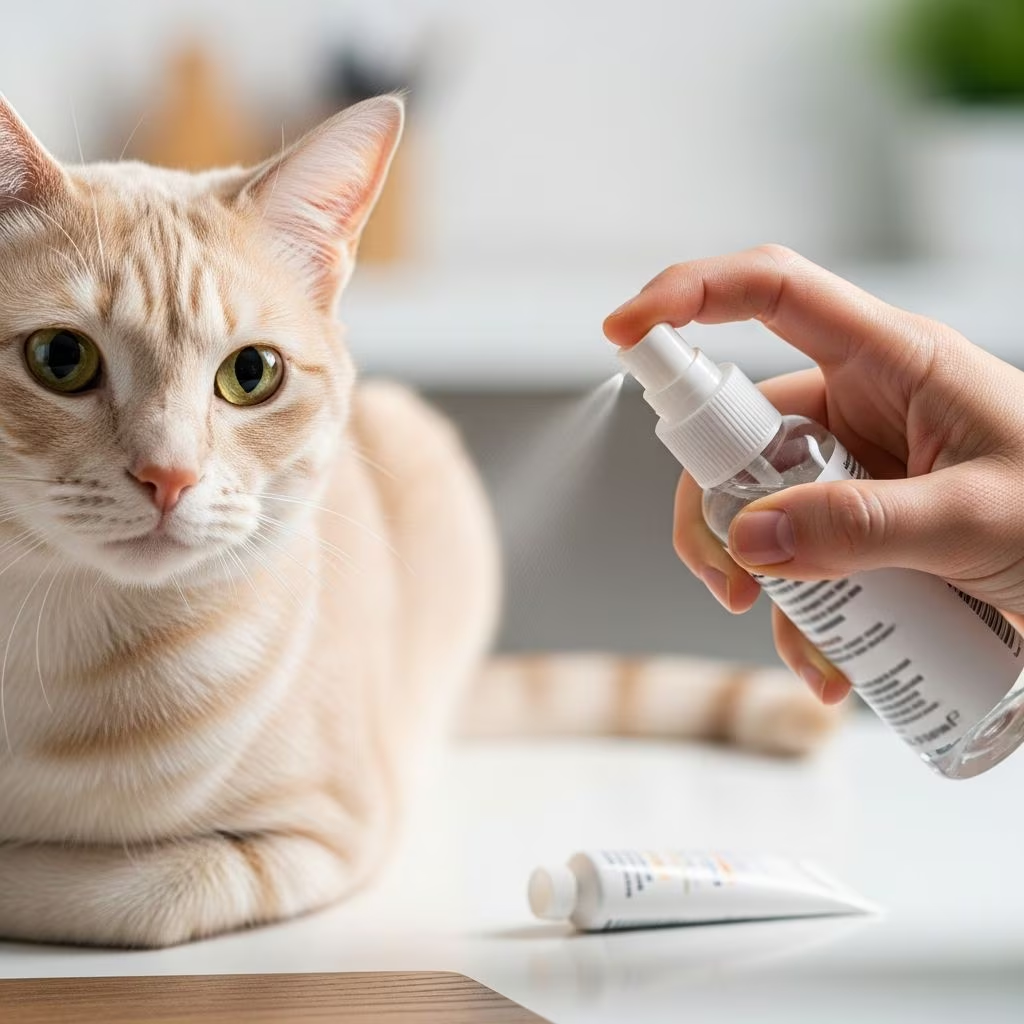
Understanding Feline Allergies and Topical Interventions
Cats experience allergies in much the same way humans do, often manifesting through uncomfortable skin conditions, excessive grooming, and respiratory distress. When a cat develops an allergic reaction, whether from environmental triggers, food sensitivities, or parasites, pet owners frequently seek immediate relief solutions. One increasingly popular option is the use of allergy sprays and topical treatments designed specifically for feline use. These products can provide quick comfort for localized problem areas while serving as part of a broader allergy management strategy.
Unlike systemic medications that work throughout the entire body, topical sprays target specific regions where a cat experiences itching, irritation, or inflammation. This localized approach can be particularly beneficial for cats that are difficult to medicate orally or those experiencing flare-ups in specific areas of their body.
Common Allergy Symptoms in Cats Requiring Topical Relief
Before exploring spray solutions, understanding what symptoms prompt their use is essential. Cats suffering from allergies display characteristic signs that indicate discomfort and the need for intervention.
- Skin-related symptoms: Excessive grooming, scratching, or biting at the skin; hair loss in patches; visible skin redness or rash; and scabbed or crusty skin appearance
- Secondary complications: Hot spots that develop from constant licking or scratching; thickened, dark, or inflamed skin patches; ear infections common in allergic cats
- Behavioral changes: Restlessness, difficulty sleeping, and visible discomfort that affects daily activities
When these symptoms appear, many veterinarians recommend a multi-faceted approach that may include topical sprays alongside other treatments. Persistent scratching and grooming can lead to secondary skin infections if left unaddressed, making prompt intervention important for overall feline health.
How Allergy Sprays Function in Feline Care
Allergy sprays designed for cats operate through several mechanisms depending on their formulation. Some contain soothing ingredients that calm inflamed skin, while others provide antimicrobial protection to prevent infections resulting from constant scratching. The most effective sprays typically combine multiple active ingredients tailored to address the specific allergy symptoms a cat experiences.
These topical products work by creating a protective barrier on the skin surface, reducing moisture loss and helping to restore the skin’s natural defenses. Many formulations include ingredients like ceramides, which strengthen the skin barrier, or natural soothing agents that provide immediate relief from itching sensations. Unlike oral medications that require systemic absorption and distribution, sprays deliver therapeutic benefits directly to affected areas within minutes of application.
The convenience of spray application also makes them attractive to cat owners. Many cats tolerate spray application better than oral medications or injections, making compliance with treatment plans easier to maintain. Additionally, leave-in mousses and pre-moistened wipes offer alternative formats for owners whose cats resist traditional spray bottles.
Types of Topical Products Available for Allergic Cats
The market for feline allergy topicals has expanded significantly, offering pet owners numerous options beyond traditional sprays. Understanding these various formats helps determine which product best suits an individual cat’s needs and temperament.
| Product Type | Application Method | Best For | Key Benefits |
|---|---|---|---|
| Sprays | Direct spray application to affected areas | Multiple problem areas, cats tolerant of misting | Quick application, even coverage, easy dosing |
| Leave-in Mousses | Foam applied by hand or brush to skin | Cats sensitive to spray bottles, facial areas | Less startling, easier control, gentle formula |
| Pre-moistened Wipes | Wipe directly over affected areas | Spot treatments, daily maintenance | Portable, minimal product waste, easy cleanup |
| Topical Creams | Apply directly to skin or dander | Small localized areas, paws and ears | Concentrated formula, targeted relief, no mess |
| Medicated Shampoos | Full-body wash during bathing | Whole-body treatment, weekly maintenance | Comprehensive treatment, antiseptic properties |
Key Ingredients in Effective Allergy Sprays
Effective allergy sprays for cats contain active ingredients specifically chosen for their ability to address inflammatory skin conditions. Understanding these components helps pet owners make informed decisions about which products align with their cat’s specific needs.
Soothing botanicals and natural extracts: Many veterinary-recommended sprays incorporate ingredients like colloidal oatmeal, aloe vera, and chamomile, which have been used traditionally to calm irritated skin. These natural components work by reducing inflammation and providing immediate comfort without harsh chemical additives.
Ceramides and skin barrier support: Products containing ceramides help repair the compromised skin barrier that characterizes allergic dermatitis. These lipid compounds restore the skin’s natural protective function, reducing transepidermal water loss and preventing allergen penetration.
Antimicrobial and antifungal agents: Given that allergic cats frequently develop secondary skin infections from constant scratching, sprays containing gentle antimicrobial ingredients help prevent bacterial or fungal overgrowth while supporting the skin’s natural microbiome.
Hypoallergenic moisturizers: Ingredients like glycerin and hyaluronic acid provide hydration to dried, irritated skin without introducing common allergens that could trigger additional reactions.
Integration with Broader Allergy Management Plans
While allergy sprays provide valuable localized relief, veterinary consensus emphasizes that topical products alone cannot manage comprehensive allergic disease. Instead, sprays function most effectively as components within a multifaceted treatment strategy tailored to address the underlying causes of a cat’s allergies.
Many cats benefit from dietary modifications, particularly when food allergies are suspected or confirmed through elimination diets. Prescription medications such as cyclosporine, inhaled corticosteroids, or steroid injections may be necessary for systemic symptoms. Flea prevention remains essential, as flea allergies can be triggered by a single bite and complicate other allergy management efforts.
Omega-3 fatty acid supplementation can work synergistically with topical sprays to reduce overall skin inflammation from within. Some cats respond well to allergen-specific immunotherapy, which retrains the immune system over several months to reduce reactivity to environmental triggers. When combined strategically, these approaches create a comprehensive plan addressing allergies from multiple angles.
Environmental Management and Allergen Reduction
Reducing the allergen load in a cat’s environment complements the benefits provided by topical sprays. High-efficiency vacuum cleaners with HEPA filters remove cat dander more effectively than standard models, while central vacuum systems provide superior allergen removal. Regular washing of bedding, furniture covers, and washable rugs decreases accumulated allergens that irritate sensitive cats.
Bathing cats weekly, when they tolerate it, reduces airborne dander significantly. For cats resistant to full baths, spot-cleaning with pre-moistened wipes or damp cloths provides allergen reduction without the stress of water immersion. Air purification systems further decrease environmental allergen concentrations, particularly beneficial for cats with environmental sensitivities.
Creating cat-free zones, particularly bedrooms, reduces nighttime allergen exposure and can improve sleep quality for both cats and their owners. These environmental modifications, combined with topical spray use, create a comprehensive approach to minimizing allergic triggers.
Application Guidelines for Maximum Effectiveness
Proper application of allergy sprays ensures optimal therapeutic benefit and minimizes product waste. Most veterinary-recommended sprays should be applied directly to affected areas, allowing the product to contact skin rather than simply coating fur. Parting the fur to reach the skin surface improves efficacy significantly.
Application frequency varies by product formulation and should follow veterinary or manufacturer instructions carefully. Some sprays are designed for daily use, while others work best with less frequent application. Consistency matters more than excessive use; regular application as directed produces better long-term results than sporadic heavy application.
Allowing sprays to dry naturally rather than immediately grooming the product away extends the therapeutic window. Some cats benefit from distraction immediately after application—playtime or treats can redirect grooming behavior temporarily. For cats that groom immediately, alternative formats like leave-in mousses or wipes may prove more effective.
Distinguishing Between Temporary Relief and Long-term Solutions
Pet owners should understand that while allergy sprays provide valuable symptomatic relief, they do not cure underlying allergic disease. These topical products excel at managing localized flare-ups and providing immediate comfort but cannot address systemic immune system dysfunction driving the allergic response.
For temporary relief during acute flare-ups, sprays offer quick comfort that can prevent secondary complications from developing. However, cats requiring long-term allergy management typically benefit from prescription medications, dietary adjustments, or immunotherapy that address root causes rather than just surface symptoms.
Veterinary guidance proves essential in determining whether a cat’s allergies require sprays as supplementary care or whether more aggressive systemic treatment would be more appropriate. Some cats achieve excellent symptom control with diligent environmental management and topical products, while others require pharmaceutical intervention for adequate quality of life.
Safety Considerations and Potential Side Effects
Most veterinary-formulated allergy sprays are designed with cat safety in mind, particularly concerning toxicity from ingestion during grooming. Natural and hypoallergenic formulations minimize the risk of triggering additional allergic reactions. However, some cats may demonstrate sensitivity to specific ingredients, necessitating product changes.
Pet owners should monitor for signs of adverse reactions including increased scratching, redness beyond the application area, or behavioral changes after spray application. If these occur, discontinuing the product and consulting a veterinarian is prudent. Patch testing on a small area before full application can identify potential sensitivities in sensitive individuals.
Avoiding contact with eyes and mucous membranes prevents irritation. When treating facial or ear areas, using wipes or mousses rather than sprays provides better control and reduces accidental eye contact risk. Always follow product instructions regarding frequency and quantity to prevent skin irritation from overuse.
When to Consult a Veterinarian About Cat Allergies
While topical sprays provide valuable home management options, certain situations warrant professional veterinary evaluation. Severe or rapidly worsening skin conditions, signs of infection such as oozing lesions or foul odors, or behavioral changes suggesting severe discomfort indicate the need for veterinary assessment.
Cats experiencing respiratory symptoms, persistent ear infections, or showing no improvement despite consistent spray use should be evaluated professionally. A veterinarian can identify underlying causes, rule out infectious conditions mimicking allergies, and develop comprehensive treatment plans incorporating sprays alongside necessary systemic therapies.
Annual allergy check-ups help track disease progression and ensure current management strategies remain effective. As cats age or environmental conditions change, allergy management plans may require adjustment to maintain optimal symptom control and quality of life.
Frequently Asked Questions About Feline Allergy Sprays
Can I use human allergy products on my cat?
Human allergy products should not be used on cats without veterinary approval. Cats have different skin pH and sensitivity profiles than humans, and products formulated for human use may irritate feline skin or prove toxic if ingested during grooming. Always use products specifically formulated for cats.
How long does it take for allergy sprays to show results?
Most cats experience relief from itching within minutes to hours of spray application, though visible skin improvement may take days to weeks of consistent use. Results vary based on allergy severity, underlying causes, and individual cat response.
Can allergy sprays replace prescription medications?
For mild, localized allergies, sprays may provide adequate symptom control. However, cats with systemic allergies or severe symptoms typically require prescription medications alongside topical products for optimal management.
Are there side effects to regular spray use?
When used as directed, veterinary-formulated sprays are generally safe for regular use. Excessive application may irritate skin or cause dryness. Follow product instructions carefully to avoid potential complications.
What makes some cats resistant to spray application?
Some cats dislike the sensation of misting or the sound of spray bottles. Alternative formats like mousses, wipes, or creams may work better for sound-sensitive or mist-averse cats.
References
- Pet Allergy Management and Treatment — American College of Allergy, Asthma and Immunology (ACAAI). https://acaai.org/allergies/allergic-conditions/pet-allergies/
- The Best Medicines for Allergy Symptoms in Cats — Vetster. https://vetster.com/en/wellness/the-best-medicines-for-allergy-symptoms-in-cats
- Cat Allergies: How to Diagnose and Treat — Pinnacle Allergy. https://www.pinnacleallergy.com/blog/cat-allergies-how-to-diagnose-and-treat/
- Tips to Control Cat Allergy Symptoms if You Live With a Cat — Best Friends Animal Society. https://bestfriends.org/pet-care-resources/tips-control-cat-allergy-symptoms-if-you-live-cat
- Pet Allergies: Causes, Symptoms, Treatment & Prevention — Cleveland Clinic. https://my.clevelandclinic.org/health/diseases/17702-pet-allergies



