

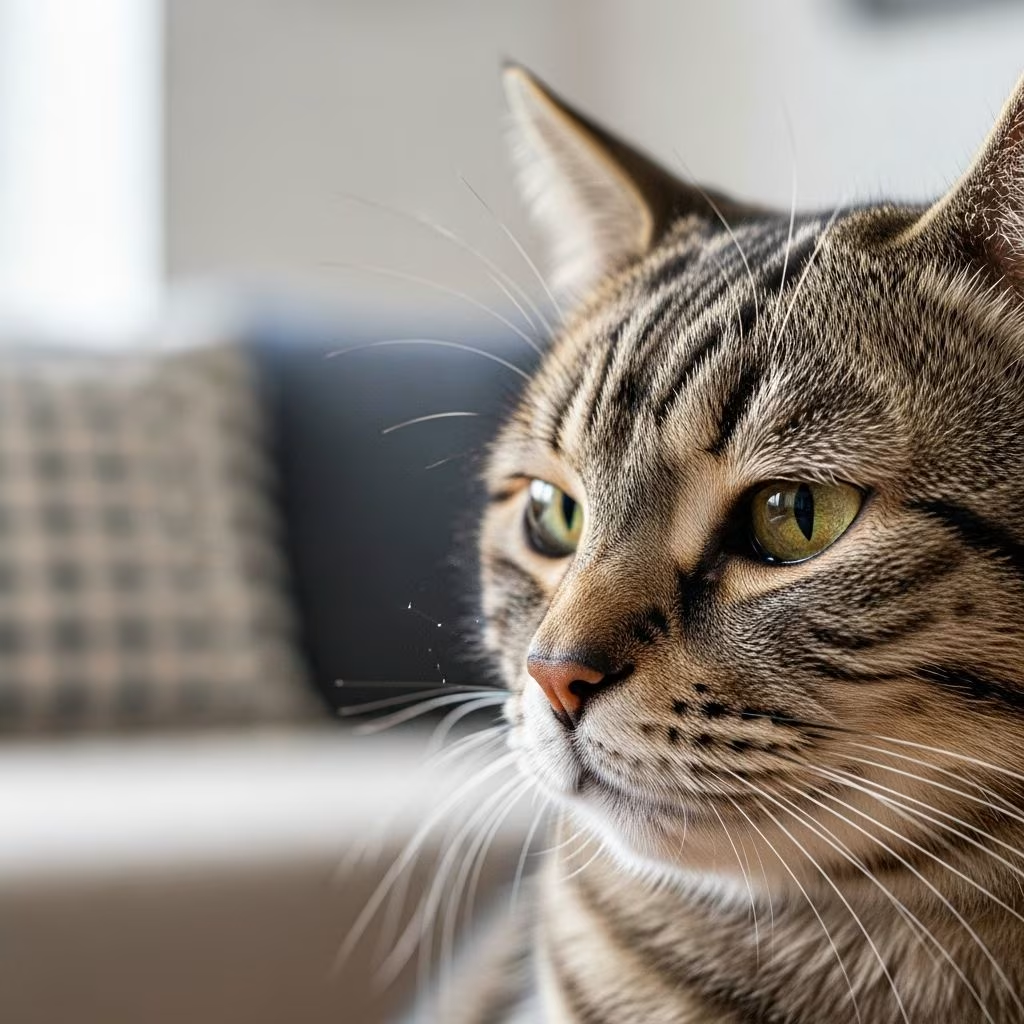
Cats frequently suffer from allergic reactions that primarily manifest on their skin, leading to discomfort and visible issues. These conditions arise when a cat’s immune system overreacts to harmless substances, triggering inflammation and itching. Understanding these reactions is crucial for pet owners to provide timely relief and prevent chronic problems.
Common Triggers Behind Cat Allergies
Allergies in cats stem from various environmental and dietary sources. The most prevalent include flea bites, specific food proteins, and airborne particles like pollen or dust mites. Flea allergy dermatitis, for instance, occurs when cats react strongly to flea saliva, even from minimal bites. Food allergies often involve proteins from beef, chicken, or fish, causing persistent symptoms unrelated to seasons. Atopic dermatitis, linked to environmental allergens, mimics human allergies with reactions to pollen, mold, or house dust.
Unlike human allergies primarily to pet dander, cat allergies focus on their own hypersensitivities. Male cats may produce more allergens in saliva, but for feline patients, the issue is their response to external stimuli. Genetic factors play a role, making some breeds like Siamese more prone.
Recognizing Symptoms of Allergies in Cats
Key signs include relentless **itching**, excessive grooming, hair loss, and red inflamed skin. Cats often target the head, neck, ears, and base of the tail, leading to scabs, bumps, or oozing sores from self-trauma. Gastrointestinal upset like vomiting or diarrhea can accompany food allergies. In severe cases, secondary infections cause foul odors or thickened skin.
- Intense scratching or licking, especially around neck and ears
- Bald patches from over-grooming
- Red, inflamed skin or hot spots
- Behavioral changes like restlessness or aggression due to discomfort
- Occasional sneezing or eye discharge in environmental cases
These symptoms persist year-round for food or flea issues but may worsen seasonally for atopy. Early detection prevents complications like chronic dermatitis.
Diagnostic Approaches for Feline Allergies
Veterinarians use a step-by-step process to pinpoint causes. History-taking reveals pattern onset, diet changes, or flea exposure. Skin scrapings rule out mites or infections.
For food allergies, a strict 8-12 week hypoallergenic diet trial is gold standard—no treats or flavored meds allowed. Novel proteins like duck or hydrolyzed diets test reactions. Flea allergies confirm via response to rigorous flea control.
Intradermal skin testing or blood tests identify environmental allergens, though less reliable in cats than dogs. Biopsies confirm allergic dermatitis if needed.
| Allergy Type | Primary Diagnostic Method | Duration |
|---|---|---|
| Flea | Flea control trial | 4-8 weeks |
| Food | Hypoallergenic diet trial | 8-12 weeks |
| Environmental | Skin/blood testing | Varies |
Treatment Strategies for Allergic Cats
Treatment targets the trigger and symptoms. Flea allergies resolve with monthly preventives like topical selamectin or oral isoxazolines, combined with environmental cleaning.
Food allergies require lifelong novel or hydrolyzed diets; symptomatic relief uses low-dose steroids like prednisolone during transitions. Environmental allergies may need immunotherapy—custom shots or drops to desensitize over months.
Anti-itch meds include antihistamines (variable efficacy), cyclosporine, or oclacitinib for quick relief. Antibiotics or antifungals treat secondary infections.
Medication Overview
- Corticosteroids: Prednisolone for inflammation (short-term)
- Immunosuppressants: Cyclosporine (Atopica) daily oral
- Apoquel equivalent: Oclacitinib for rapid itch control
- Antibiotics: Convenia injection for infections
Home Management and Prevention Tips
Pet owners play a vital role. Bathe cats weekly with gentle shampoos to remove allergens, though many resist. HEPA vacuums, low-humidity environments, and washing bedding reduce dust mites. For food trials, measure portions strictly.
Omega-3 supplements soothe skin; probiotics may aid gut health in food allergies. Monitor for flea dirt (black specks) regularly.
Frequently Asked Questions
Can my cat outgrow allergies?
Rarely; allergies often persist lifelong but can be managed effectively.
Is hypoallergenic cat food always the answer?
No—only after a proper trial confirms food allergy; many OTC foods contain hidden triggers.
How do I know if it’s fleas or something else?
A strict flea prevention trial clears it up; persistent symptoms suggest other causes.
Are allergy shots safe for cats?
Yes, veterinary immunotherapy is tailored and monitored for safety.
Can stress trigger allergy flares?
Yes, it worsens symptoms; provide stable environments.
Long-Term Prognosis and Monitoring
With proper management, most allergic cats lead comfortable lives. Regular vet check-ups adjust treatments; track symptoms in a journal. Breeds like Sphynx may have fewer issues due to less hair trapping allergens. Avoid over-the-counter human meds—toxicity risks exist.
Research advances promise better therapies, like Fel d 1 vaccines reducing allergen production, though not yet widespread. Consult vets before changes.
References
- Cat Allergies: Symptoms and Treatment — Healthline. 2023. https://www.healthline.com/health/allergies/cats
- Cat Food Allergies: Symptoms, Causes, and Treatment — PetMD. 2024. https://www.petmd.com/cat/conditions/digestive/food-allergies-cats
- Allergies To Cats: Symptoms, Treatment and Causes — ZYRTEC. 2023. https://www.zyrtec.com/allergy-guide/indoors/allergy-symptoms-caused-by-cats
- Cat Allergies — WebMD. 2024. https://www.webmd.com/allergies/cat-allergies
- Pets, Dog and Cat Allergies — ACAAI.org. 2024. https://acaai.org/allergies/allergic-conditions/pet-allergies/



