

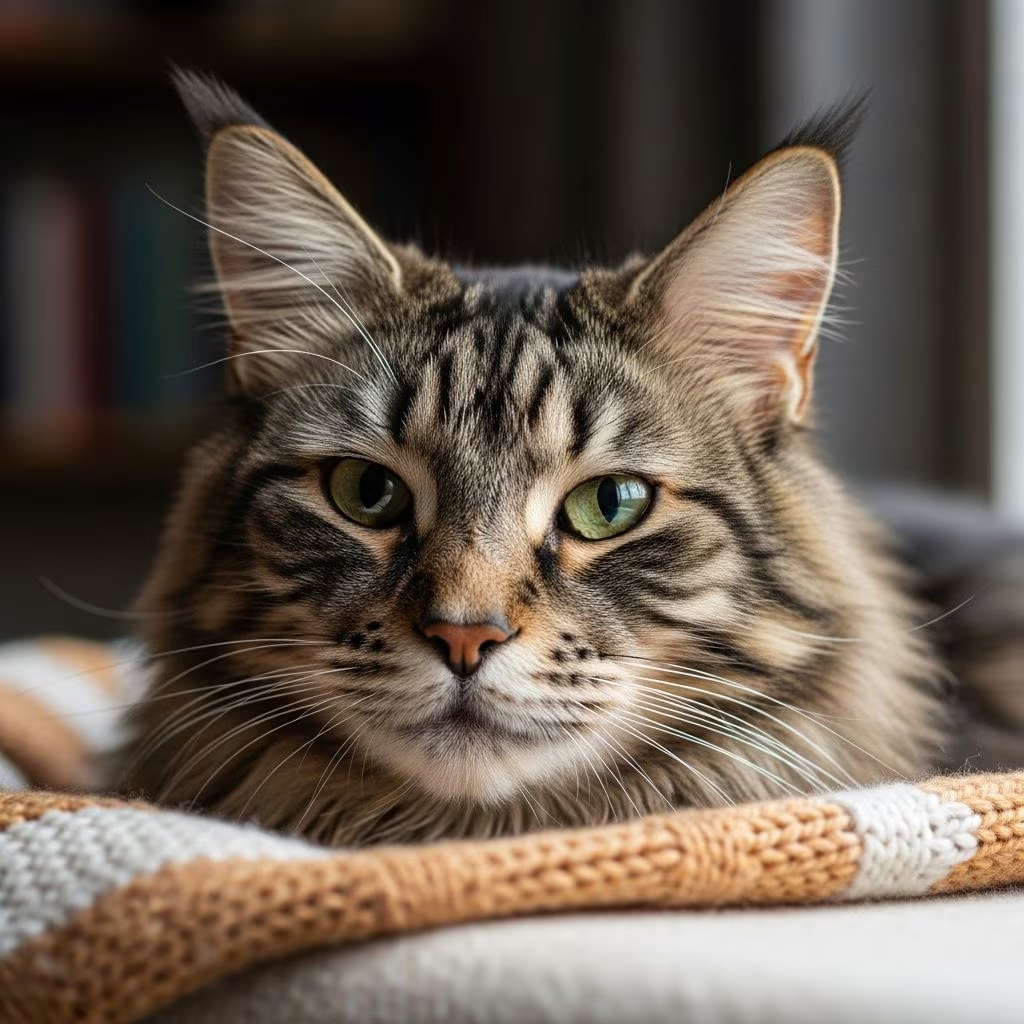
As cats progress through their lives, they experience significant transformations that affect every aspect of their physiology and behavior. Recognizing these changes is essential for cat owners who want to provide appropriate care and maintain their pet’s quality of life during their later years. The aging process in cats is gradual and multifaceted, affecting everything from their mobility to their sensory perception and cognitive function.
Defining Senior Years in Feline Development
The classification of senior cats varies across veterinary sources, but consensus suggests that cats enter their senior phase between 7 and 10 years of age. This timeline roughly corresponds to when cats reach the human equivalent of 50 to 60 years old. However, the aging trajectory is not uniform across all felines. Individual cats may display signs of aging earlier or later than these general guidelines, influenced by breed characteristics, genetic predisposition, lifestyle choices, and overall health status.
Understanding that each cat ages differently helps owners avoid applying a one-size-fits-all approach to senior care. A cat with a history of robust health and active engagement may show fewer age-related symptoms than a cat with chronic health conditions or genetic predispositions toward certain diseases.
Visual Indicators of Aging
Ocular Changes and Vision Challenges
One of the most observable physical manifestations of aging in cats involves their eyes. As cats mature into their senior years, the lens of the eye becomes progressively less transparent, resulting in a cloudy or hazy appearance. This cloudiness, known as nuclear sclerosis, is a normal consequence of aging and differs from conditions like cataracts, which may cause additional vision impairment.
Beyond the appearance of the eye itself, aging cats frequently experience declining vision quality. They may become less confident navigating in dim lighting, move more cautiously around obstacles, or exhibit hesitation when jumping from heights. These behavioral shifts often precede obvious physical signs and warrant closer observation by attentive cat owners.
Coat and Skin Deterioration
The quality and appearance of a cat’s coat undergoes notable transformation with age. Aging cats often develop progressively thinner fur, with the coat becoming less glossy and more prone to matting or tangling. This occurs because senior cats typically reduce their self-grooming behaviors, spending less time licking and maintaining their fur. The result is a coat that appears rougher, duller, and less well-maintained than in younger years.
Skin conditions also become more prevalent in aging felines. Owners may notice increased flakiness or dandruff, dryness, or the development of small lesions or bumps on the skin. These changes reflect the natural loss of skin elasticity and the reduced effectiveness of the skin’s protective barrier. Regular grooming sessions become even more important during these years, as they help maintain coat health and allow owners to monitor skin condition closely.
Structural and Mobility Transformations
Muscle Mass Reduction and Body Composition Changes
Perhaps one of the most significant physiological changes in aging cats involves their musculature. Senior cats experience progressive loss of lean muscle mass, which fundamentally alters their body composition and physical capabilities. This loss of muscle occurs even in cats that maintain stable body weight, as muscle tissue may be replaced by fat.
The reduction in muscle mass directly impacts a cat’s strength, agility, and endurance. Cats that once leaped effortlessly to high perches may struggle with the same jumps, and cats that played vigorously may tire more quickly. This transformation can be particularly challenging for cats whose environment has not been adapted to accommodate reduced mobility.
Joint Stiffness and Arthritis Development
As cats age, their joints become less flexible and more prone to arthritis development. Mature and senior cats may exhibit noticeably stiffer body movements, particularly when first rising from rest. The stiffness often improves slightly after movement, as the joints warm up and lubrication increases.
Arthritis manifests in various behavioral changes that extend beyond visible stiffness. Cats may become reluctant to climb stairs, avoid jumping onto favorite furniture, or show reluctance to use elevated litter boxes. Some cats develop a somewhat hunched posture due to discomfort, and they may vocalize more frequently when moving, indicating pain or discomfort.
Metabolic and Nutritional Shifts
Metabolism Slowdown and Weight Management
The aging process brings a gradual decrease in metabolic rate, which affects how cats process and utilize nutrients. Mature cats, typically those between 7 and 10 years old, become increasingly prone to weight gain as their energy requirements decrease but their appetites may remain unchanged.
Paradoxically, while some aging cats gain excessive weight, senior cats (over 10 years) face the opposite challenge. As cats advance into their senior years, lean muscle mass decreases at an accelerated rate, which can result in overall weight loss despite adequate caloric intake. This loss differs from intentional weight reduction and represents a genuine physiological challenge requiring veterinary oversight.
Skin Elasticity Changes
Senior cats develop visibly less elastic skin compared to their younger counterparts. The skin appears looser and may tent slightly when gently pulled, reflecting the loss of collagen and elastin in the skin structure. This reduced elasticity also makes the skin more fragile and prone to injury from minor trauma.
Dental Deterioration and Oral Health
Dental health represents one of the most common and progressive concerns in aging cats. Throughout their lives, cats accumulate plaque and tartar on their teeth, beginning subtly in young adulthood and accelerating as they age. By the senior years, dental issues often include not only visible plaque and tartar buildup but also bone loss around tooth roots and potential tooth loss.
Dental problems directly impact nutrition and overall health. Cats with compromised dental health may eat less, choose softer foods, or exhibit behavioral changes related to oral pain. Bad breath becomes noticeably worse, and gums may appear inflamed or recessed. Professional dental cleanings and increased monitoring become crucial aspects of preventive care during the mature and senior years.
Behavioral and Cognitive Changes
Activity Level Reduction
Among the most noticeable behavioral shifts in aging cats is the progressive decline in activity and play engagement. Cats transition from the high-energy play patterns of their younger years to a more sedentary lifestyle, spending substantially more time sleeping or resting. This shift is a natural consequence of reduced muscle mass, joint stiffness, and declining metabolic needs.
Senior cats may sleep 16 to 20 hours per day, far exceeding the already substantial sleep needs of younger adults. While increased rest is normal, sudden dramatic changes in activity levels warrant veterinary evaluation to rule out underlying health conditions such as hyperthyroidism, kidney disease, or other chronic illnesses.
Cognitive Decline and Disorientation
Some aging cats experience cognitive decline manifesting as confusion, disorientation, or behavioral changes that concern owners. Cats may become lost in familiar environments, vocalize excessively, or demonstrate changes in their normal routines without clear physical explanation. These signs can indicate age-related cognitive dysfunction, analogous to dementia in humans.
Vocalization Patterns
Increased vocalization is a common characteristic of aging cats. Some cats become more vocal generally, while others develop specific patterns such as nighttime yowling or excessive meowing. This increased vocalization may reflect disorientation, pain, cognitive changes, or simply changing communication needs in senior cats.
Litter Box Behavior and Elimination Changes
Aging cats frequently experience changes in litter box habits. These shifts may result from multiple factors including reduced mobility making it difficult to access litter boxes positioned at heights or in inconvenient locations, declining kidney function affecting urination frequency, or cognitive changes causing confusion about litter box location.
Some aging cats develop preferences for different litter substrates or prefer litter boxes in new locations. Observing these preference changes and accommodating them when possible can prevent inappropriate elimination and maintain your cat’s dignity and comfort during their senior years. Multiple litter boxes placed throughout the home provide accessibility and reduce stress related to finding appropriate elimination sites.
Sensory Changes Beyond Vision
Hearing Loss
Hearing decline is common in senior cats, though often less obvious to owners than vision changes. Cats with hearing loss may fail to respond to their names, become startled more easily when touched because they didn’t hear approaching footsteps, or vocalize more loudly possibly because they cannot hear themselves.
Taste and Smell Alterations
Aging cats may experience reduced ability to taste and smell food, potentially affecting appetite and food preferences. This sensory decline can be particularly problematic if combined with dental pain or gastrointestinal issues. Some senior cats become pickier eaters, while others show decreased interest in food despite adequate caloric needs.
Health Monitoring and Veterinary Care Recommendations
The frequency and focus of veterinary care should shift as cats age. Mature adult cats typically benefit from veterinary visits every 6 to 12 months, with blood work and preventive assessments to monitor for emerging health issues. Senior cats warrant more frequent evaluations, ideally every 6 months, allowing veterinarians to detect early signs of kidney disease, thyroid problems, diabetes, or other age-related conditions before they become severe.
Professional dental cleanings and oral evaluations become increasingly important during the mature and senior years to maintain dental health and monitor for oral disease. Early detection and management of health issues can significantly extend quality of life and prevent emergencies that might otherwise prove costly or terminal.
Frequently Asked Questions About Aging Cats
At what age should I start considering my cat a senior?
While cats traditionally enter the senior category around 7 to 10 years old, the more important approach is monitoring your individual cat for aging signs rather than relying solely on chronological age. Some cats show signs of aging earlier, while others remain relatively youthful well into their 10s.
Is it normal for my older cat to sleep all day?
Yes, senior cats naturally sleep more than younger cats, often 16 to 20 hours daily. However, extremely sudden changes in sleep patterns or concurrent behavioral changes warrant veterinary evaluation to rule out underlying health problems.
Why is my senior cat losing weight despite eating normally?
Weight loss in senior cats despite normal appetite may reflect age-related muscle loss, dental problems affecting food processing, or underlying health conditions such as hyperthyroidism or kidney disease. Veterinary evaluation is recommended to identify the cause.
How can I help my aging cat maintain mobility?
Environmental modifications such as providing lower-entry litter boxes, ramps to favorite furniture, and ground-level food and water bowls can accommodate reduced mobility. Gentle, regular exercise and interactive play appropriate for your cat’s fitness level also supports joint health and muscle maintenance.
References
- Aging Cats: When Is a Cat Considered a Senior? — Faithful Friends Vet Clinic. Accessed 2026-02-17. https://faithfulfriendsvetclinic.com/aging-cats-when-is-a-cat-considered-a-senior/
- How Cats Age — Paws Chicago. Accessed 2026-02-17. https://www.pawschicago.org/news-resources/all-about-cats/kitty-basics/how-cats-age
- How To Tell How Old a Cat Is — PetMD. Accessed 2026-02-17. https://www.petmd.com/cat/general-health/how-to-tell-how-old-a-cat-is
- The 6 Life Stages of Your Feline — Fresh Step. Accessed 2026-02-17. https://www.freshstep.com/cat-care/the-6-life-stages-of-your-feline/



