
Feline Adrenal Disorders: Comprehensive Guide For Cat Owners
Explore adrenal disorders in cats like Cushing's, Conn's syndrome, and rare Addison's, with symptoms, diagnostics, and treatments explained.
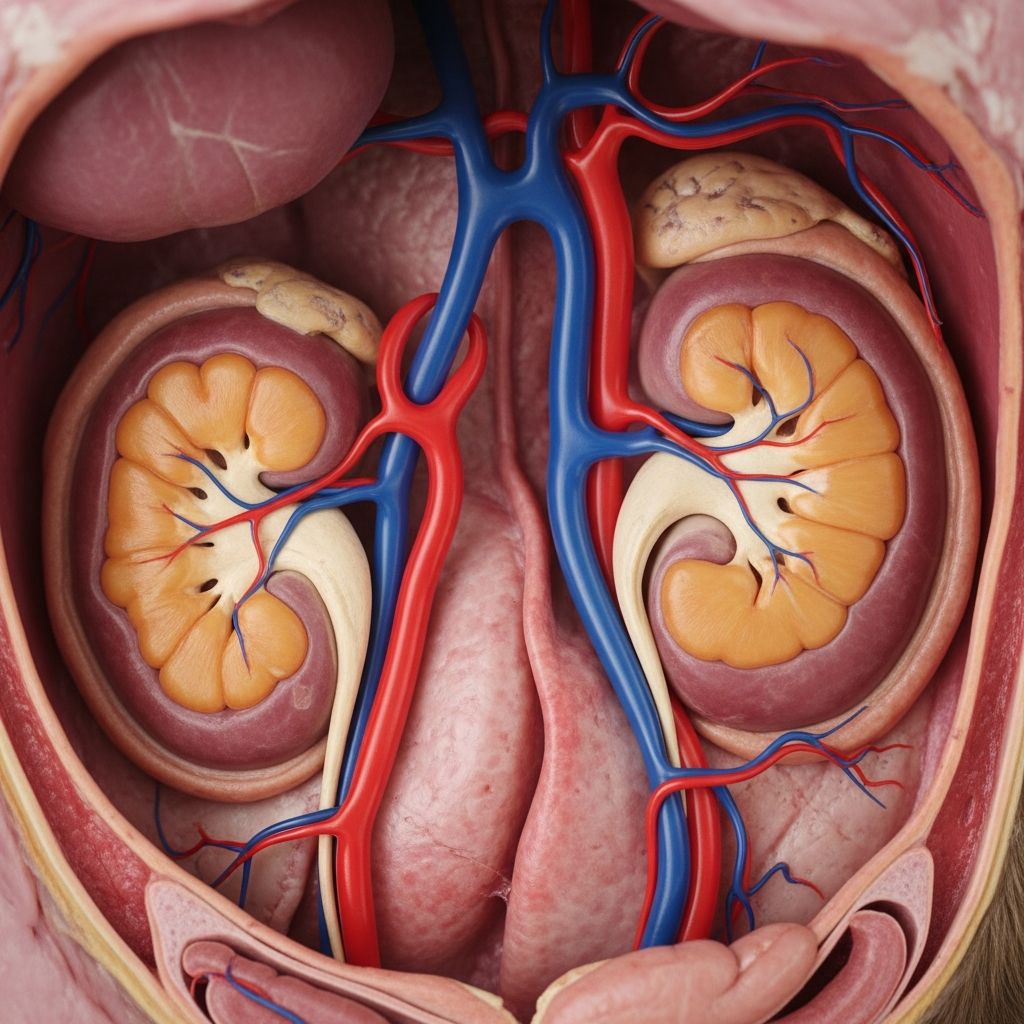
Adrenal glands, small organs located near the kidneys, play a crucial role in cats by producing hormones that regulate metabolism, stress responses, electrolyte balance, and blood pressure. When these glands malfunction, it leads to serious health problems. This article delves into the primary adrenal disorders seen in felines: overproduction of cortisol known as hyperadrenocorticism or Cushing’s disease, excess aldosterone causing hyperaldosteronism or Conn’s syndrome, and the uncommon underproduction called hypoadrenocorticism or Addison’s disease. Understanding these conditions helps cat owners spot early signs and seek timely veterinary care.
Understanding the Adrenal Glands’ Function in Cats
The adrenal glands consist of an outer cortex and inner medulla. The cortex secretes glucocorticoids like cortisol for stress management and energy regulation, mineralocorticoids such as aldosterone for sodium and potassium balance, and small amounts of sex hormones. The medulla produces adrenaline for fight-or-flight responses. Disruptions in these hormones affect multiple body systems, leading to diverse symptoms.
In cats, adrenal issues are less common than in dogs but increasingly diagnosed with advanced imaging and testing. Older cats, typically over 10 years, are most affected, often overlapping with conditions like diabetes mellitus.
Hyperadrenocorticism: The Cortisol Overload
Hyperadrenocorticism (HAC) results from excessive cortisol production. Most cases (about 80-85%) stem from pituitary tumors secreting adrenocorticotropic hormone (ACTH), causing both adrenals to enlarge. Less commonly, adrenal tumors independently produce cortisol.
Cats with HAC frequently develop insulin-resistant diabetes mellitus, requiring high insulin doses. Unique feline signs include severe skin fragility, where minimal handling causes tears, alongside pot-bellied appearance, increased thirst and urination (polydipsia/polyuria), excessive eating (polyphagia), lethargy, panting, obesity, and recurrent infections in skin, urinary, or respiratory tracts.
Physical exams reveal abdominal enlargement, liver enlargement (hepatomegaly), symmetrical hair loss (alopecia), thin skin with sores, and oily skin (seborrhea). Blood tests show high glucose, cholesterol, liver enzymes (ALT), and sometimes low urea nitrogen. Unlike dogs, cats rarely have elevated alkaline phosphatase from cortisol alone due to lacking a specific isoenzyme; elevations link to diabetes instead.
Diagnosing Feline Cushing’s Disease
Diagnosis challenges arise from HAC mimicking diabetes, acromegaly, or hyperthyroidism. Screening uses high-dose dexamethasone suppression tests (10 times dog dose) or ACTH stimulation, though cats respond differently.
Ultrasound detects enlarged adrenals or masses; radiographs show abdominal distension or hepatomegaly. Bloodwork confirms patterns like stress leukograms (eosinopenia, lymphopenia).
| Common Blood Abnormalities in HAC Cats | Prevalence |
|---|---|
| Hyperglycemia (from diabetes) | 80-90% |
| Hypercholesterolemia | Common |
| Increased ALT | Frequent |
| Mild ALP increase | ~50% |
| Hypokalemia | ~30% |
Note: Data synthesized from clinical studies on feline HAC.
Treatment Options for HAC
Medical management with trilostane inhibits cortisol synthesis. Cats need stabilization of diabetes first, monitoring for side effects like anorexia, lethargy, or hypoadrenocorticism. Median survival exceeds 600 days with trilostane.
Surgery involves adrenalectomy, often bilateral for pituitary-dependent cases. Pre-op trilostane resolves skin issues; post-op care includes hormone replacement and infection prevention. Success rates improve with experienced surgeons.
Hyperaldosteronism: Aldosterone Excess in Cats
Hyperaldosteronism (Conn’s syndrome) involves overproduction of aldosterone, causing low potassium (hypokalemia), high blood pressure (hypertension), and muscle weakness. It’s more common in cats than dogs, affecting older felines without breed bias.
Primary causes are adrenal adenomas (unilateral) or bilateral hyperplasia. Symptoms include neck ventroflexion, hindlimb paresis, weakness, blindness from hypertension, increased thirst/urination, and rarely polyphagia. Bilateral cases show more hypertension and kidney issues than hypokalemia.
Diagnosis relies on low serum potassium, high aldosterone, and suppressed renin. Ultrasound identifies adrenal masses; blood pressure measurement is key.
Managing Conn’s Syndrome
Surgical removal of the affected adrenal offers cure for unilateral tumors, with good outcomes if hypokalemia and hypertension resolve post-op. Medical options include spironolactone (aldosterone blocker), ACE inhibitors, or potassium supplements for inoperable cases.
- Pre-surgical prep: Correct electrolytes, control blood pressure.
- Post-surgical monitoring: Watch for hypotension, hypoadrenocorticism.
- Medical therapy success: Stabilizes symptoms but doesn’t cure.
Hypoadrenocorticism: The Rare Adrenal Insufficiency
Hypoadrenocorticism (Addison’s disease) is rare in cats, involving deficient cortisol and aldosterone. Causes include immune-mediated destruction, infections, or tumors infiltrating adrenals.
Signs develop gradually: weakness, vomiting, diarrhea, appetite loss, dehydration, slowed heart rate from high potassium. Acute crises feature collapse, shock. Blood shows high potassium, low sodium, azotemia.
Diagnosis uses ACTH stimulation test showing blunted cortisol response. Treatment requires lifelong hormone replacement: glucocorticoids and mineralocorticoids (e.g., DOCP injections or fludrocortisone).
Diagnostic Tools and Approaches
Veterinarians use combined tests: hormone assays, imaging (ultrasound preferred for adrenals), blood pressure, and electrolytes. Differentiating HAC from mimics needs comprehensive panels.
- ACTH stimulation for HAC/hypo.
- Aldosterone/renin ratio for hyperaldosteronism.
- Abdominal ultrasound for masses.
Preventive Care and Monitoring
Regular senior cat check-ups with bloodwork catch early changes. Manage concurrent diabetes tightly. Owners should note polyuria, weakness, or skin issues promptly.
Prognosis for Cats with Adrenal Disorders
HAC: Fair with trilostane/surgery; diabetes complicates. Conn’s: Excellent post-adrenalectomy. Addison’s: Good with lifelong therapy. Early intervention boosts survival.
Frequently Asked Questions (FAQs)
Can adrenal diseases be cured in cats?
Many cases, especially unilateral tumors, are curable via surgery. Medical management controls chronic forms effectively.
Is diabetes always present with Cushing’s in cats?
No, but 80-90% of HAC cats have it, often insulin-resistant.
What causes skin fragility in feline HAC?
Excess cortisol degrades collagen, making skin tear easily.
How is hypokalemia treated in Conn’s syndrome?
Oral potassium supplements and aldosterone antagonists until surgery.
Are adrenal disorders hereditary in cats?
No strong breed links; age-related mostly.
References
- Adrenal disease in cats (Proceedings) — DVM360. 2023. https://www.dvm360.com/view/adrenal-disease-cats-proceedings
- Peculiarities of feline hyperadrenocorticism: Update on diagnosis — PMC (NCBI). 2024-05-15. https://pmc.ncbi.nlm.nih.gov/articles/PMC11128894/
- Adrenal Testing in Cats — Michigan State University College of Veterinary Medicine. 2024. https://cvm.msu.edu/vdl/laboratory-sections/endocrinology/test-options-for-adrenal-disease-in-cats
- Disorders of the Adrenal Glands in Cats — Merck Veterinary Manual. 2025. https://www.merckvetmanual.com/cat-owners/hormonal-disorders-of-cats/disorders-of-the-adrenal-glands-in-cats
- Addison’s Disease in Cats — PetMD. 2024. https://www.petmd.com/cat/conditions/endocrine/addisons-disease-cats
Similar Articles








Read full bio of Sneha Tete




