

Adopting a cat represents a significant commitment that extends far beyond the moment you bring your new companion through your front door. Whether you’re welcoming your first feline or adding to an existing household, the transition requires thoughtful planning and preparation. This comprehensive guide walks you through every phase of the adoption journey, from initial decision-making through successful integration into your home.
Understanding the Adoption Process and Requirements
Before you visit a shelter or rescue organization, it’s important to understand what typically happens during the adoption process. Most facilities require prospective adopters to complete an application that gathers information about your living situation, pet experience, and lifestyle. This application helps shelters determine whether your home environment aligns with the needs of the cat you wish to adopt.
The screening process may include a formal interview or reference checks, particularly if you’re a first-time adopter or if you’re bringing a cat into a home with existing pets. While this might seem thorough, these measures exist to protect the animal and increase the likelihood of a successful, permanent placement.
Once approved, you’ll typically pay an adoption fee that covers essential medical care already provided to the cat. These fees often include vaccinations, deworming, flea treatments, and spaying or neutering procedures. The entire approval and selection process generally takes between a few days and one week, depending on the organization’s workload and procedures.
Financial Planning and Adoption Costs
Understanding the financial commitment of cat adoption helps you prepare adequately. The adoption fee itself ranges widely depending on the organization and the cat’s age and health status. However, this initial expense is only the beginning of your financial responsibility.
Consider these ongoing costs when budgeting for your new pet:
- Veterinary care and annual examinations
- Monthly flea and tick prevention treatments
- Vaccinations and booster shots
- Quality cat food and litter
- Emergency medical care
- Dental care and professional cleaning
- Medications for chronic conditions if they arise
Setting aside a veterinary fund helps you manage unexpected health issues without financial stress. Many adopters find that establishing this emergency fund before bringing a cat home provides peace of mind and ensures they can provide necessary medical care.
Family Preparation and Household Consensus
Cat adoption should never be a surprise or unilateral decision. Every household member who will interact with the new pet must participate in the decision-making process and express genuine readiness for the responsibility. This family consensus significantly impacts adoption success.
Before adoption, discuss with family members:
- Daily care responsibilities and who will handle them
- Allergies or sensitivities anyone may have
- Lifestyle adjustments that will be necessary
- Financial contributions each person will make
- Time commitment for play, grooming, and companionship
Children, in particular, benefit from learning about appropriate cat handling and interaction before the animal arrives home. Teaching kids to respect the cat’s boundaries prevents behavioral issues and creates a safer environment for both child and pet.
Assembling Essential Supplies Before Arrival
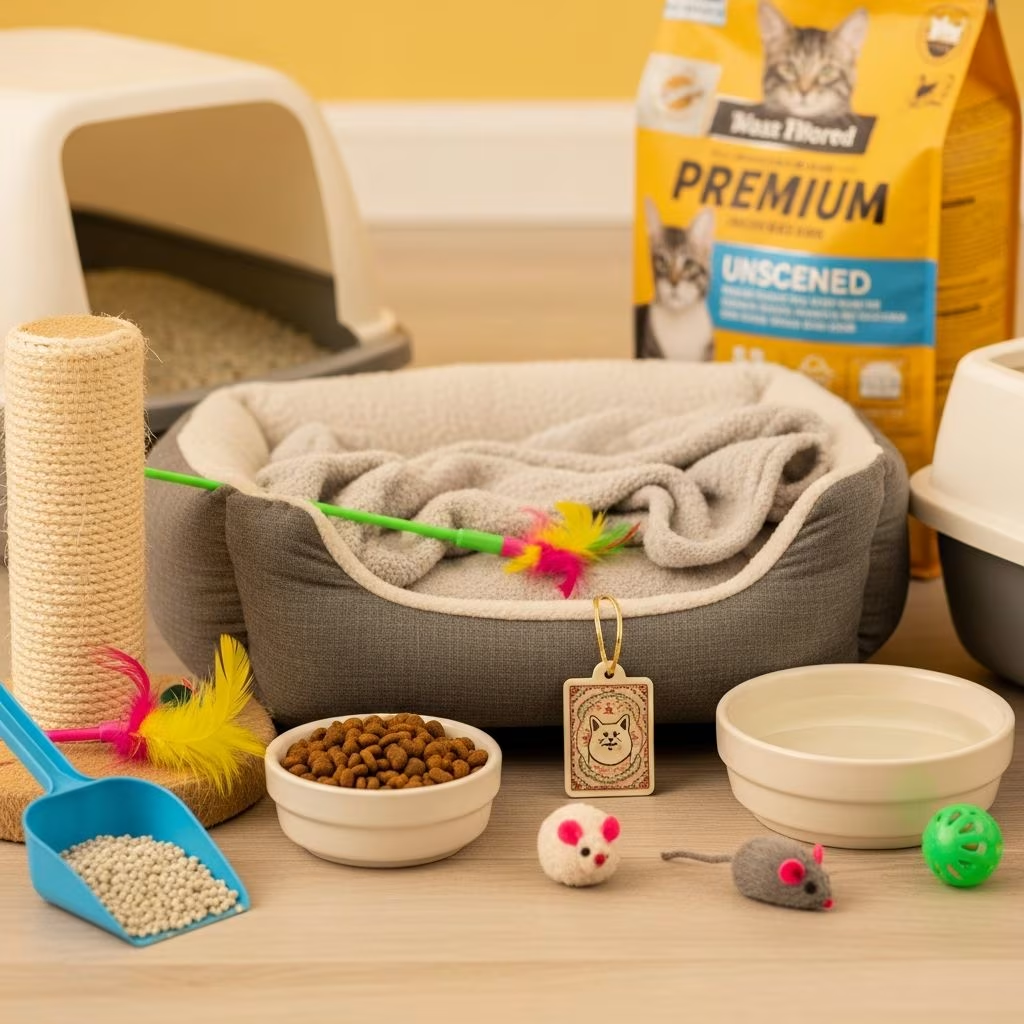
Successful cat integration begins with having all necessary supplies in place before your new companion arrives home. This preparation allows your cat to immediately access everything needed for comfort and security without adjustment delays.
| Supply Category | Essential Items | Why Important |
|---|---|---|
| Containment | Secure cat carrier | Safe transportation and secure confinement during vet visits |
| Elimination | Litter box, litter scoop, cat litter (unscented preferred) | Prevents accidents and provides familiar elimination space |
| Nutrition | Food bowls, water bowls, quality cat food | Shallow bowls protect whiskers; proper nutrition supports health |
| Rest and Security | Comfortable bed, hiding spaces or cat tree | Provides safe retreat and reduces stress during adjustment |
| Enrichment | Interactive toys, balls, feather wands, puzzle feeders | Prevents boredom and provides mental stimulation |
| Grooming | Brush, nail clippers, toothbrush | Maintains coat health and supports dental hygiene |
| Identification | Collar, ID tag, microchip registration forms | Helps locate pet if lost; microchip provides permanent identification |
When selecting cat food, choose options high in protein with moderate fat content and fewer carbohydrates. Consult with shelter staff about your adopted cat’s current diet to avoid digestive upset from sudden food changes. If transitioning to different food, do so gradually over several weeks by mixing increasing amounts of new food with the familiar diet.
Creating a Safe Haven Within Your Home
Your cat’s first few weeks at home require a dedicated safe space where they can decompress and gradually acclimate to their new environment. This designated area should be a smaller room like a bedroom, bathroom, or office where your cat can access all necessities without feeling overwhelmed.
The safe haven should include:
- Food and water bowls positioned away from the litter box
- A litter box placed in a quiet corner
- A comfortable bed or resting area
- Scratching posts to mark territory and stretch
- Toys for solo play and enrichment
- Hiding spots to retreat when stressed
- Window perches for observing outdoor activity
Keep this space mostly free of furniture and clutter, ensuring you can easily access your cat for necessary interactions. Leave your cat confined to this safe haven for the first one to two weeks, allowing them to adjust to new sounds, smells, and routines at their own pace.
Veterinary Planning and Medical Care
Scheduling a veterinary appointment should happen before bringing your cat home, or within the first one to two weeks of arrival. Even though shelter cats receive vaccinations and medical examinations before adoption, your family veterinarian plays a crucial role in ongoing health management.
Prepare for this first appointment by gathering medical records from the adoption center. Bring vaccination documentation, deworming history, flea treatment records, and any behavior notes the shelter staff provides. This information helps your veterinarian understand your cat’s medical background and plan appropriate preventative care.
During this initial veterinary visit, discuss:
- Vaccine schedules and booster timing
- Monthly flea and tick prevention protocols
- Deworming schedules and frequency
- Dietary recommendations specific to your cat’s age and health status
- Dental care and oral hygiene practices
- Microchip registration completion and pet insurance options
Your veterinarian can also address behavioral questions and provide guidance on litter training, scratching post use, and normal feline behavior patterns. This partnership ensures comprehensive healthcare throughout your cat’s life.
Cat-Proofing Your Living Space
Cats are naturally curious creatures that explore their environment thoroughly. Identifying and eliminating household hazards prevents injuries and creates a safe environment for your new companion.
Priority cat-proofing measures include:
- Removing or securing toxic houseplants such as lilies, oleander, and philodendron
- Hiding electrical cords and securing them to baseboards
- Securing breakable items on high shelves or removing them from accessible areas
- Ensuring windows and screens are secure to prevent falls or escapes
- Storing medications, cleaning products, and pesticides in locked cabinets
- Removing access to small objects that could cause choking
- Securing heavy furniture that could tip if climbed
- Checking for gaps behind appliances where cats might become trapped
Pay special attention to accessible shelves and surfaces that might contain items harmful to cats. Even common household items like rubber bands, string, and plastic bags pose choking hazards.
Managing Multiple Cat Introductions
If you already have a resident cat, the introduction process requires patience and careful management to prevent conflict and stress. The goal is gradual, positive exposure rather than forced interaction.
Phase One: Separate Introduction
Keep your new cat in their designated safe room for approximately one week while your resident cat adjusts to the newcomer’s presence through scent. Your resident cat may sniff under the door or vocalize—these behaviors are completely normal. Simultaneously, allow your new cat to become comfortable with their immediate surroundings without pressure to explore the entire home.
Phase Two: Scent Swapping
After one week, begin exchanging bedding and toys between the two cats so they become increasingly familiar with each other’s scent. Rub a towel on one cat and place it in the other’s space. This passive scent exposure reduces stress during eventual face-to-face meetings.
Phase Three: Visual Introduction
Once both cats demonstrate relaxation with scent exposure, create a barrier that allows visual contact without physical interaction. A baby gate, cracked door, or transparent barrier works well. Feed both cats on opposite sides of this barrier so they begin associating positive experiences with seeing one another. Only progress when both cats remain calm—any hissing, growling, or aggression indicates you should slow the process.
Phase Four: Supervised Exploration
After about ten days, if progress is steady, swap their locations temporarily. Place your resident cat in the safe room while allowing your new cat supervised exploration of the rest of the home. Let them move at their own pace on their own terms rather than carrying them around.
Phase Five: Casual Cohabitation
Eventually, allow the cats to share space during calm periods, particularly during meal times or play sessions. Offer special treats or engage them in separate play sessions before gradually allowing interaction. Continue providing separate resources—food bowls, water, and litter boxes—to prevent resource-based conflict.
Throughout this process, continue giving your resident cat extra attention and reassurance. Maintaining their routine, playtime, and affection demonstrates that their status and importance haven’t changed.
Establishing Routines and Behavioral Guidelines
Cats thrive with predictable routines and consistent expectations. Establishing these patterns from day one shapes your cat’s behavior and builds security.
Create consistent schedules for:
- Meal times at the same hours each day
- Play and exercise sessions
- Grooming activities
- Litter box cleaning
- Cuddle and bonding time
- Bedtime and sleep routines
Encourage desired behaviors through positive reinforcement rather than punishment. When your cat uses the litter box appropriately, scratches designated posts, or displays gentle play, provide praise and treats. This positive association strengthens good behaviors more effectively than correcting mistakes.
Frequently Asked Questions About Cat Adoption
How long does the adoption process typically take?
The adoption process usually takes between a few days and one week from application submission to bringing your cat home. Some organizations have 24-hour waiting periods to ensure adopters are fully committed to their decision.
What medical care is usually included with adoption?
Most shelters and rescue organizations include core treatments such as vaccinations for FVRCP and rabies, deworming, flea treatment, and spaying or neutering. Your adoption paperwork should clearly outline what medical procedures have been completed.
Should I adopt a kitten or an adult cat?
Both kittens and adult cats make wonderful companions. Kittens require more active supervision and play but adapt quickly to new environments. Adult cats often have established personalities and may settle faster into a new home. Consider your lifestyle and energy level when deciding.
How can I help my shy cat feel more comfortable?
Shy cats need time, patience, and a secure safe haven. Keep initial interactions low-pressure, maintain consistent routines, and allow them to approach you rather than forcing interaction. Most cats become more confident within a few weeks as they acclimate.
What should I do if my cats aren’t getting along?
Slow the introduction process and return to earlier phases. Ensure each cat has separate resources and spaces. Consult your veterinarian to rule out medical causes of tension. Some cats need weeks or months to fully adjust to cohabitation, and patience prevents long-term behavioral problems.
Supporting Your Cat’s Long-Term Health and Happiness
The preparation phase extends beyond the first few weeks. Continued investment in your cat’s wellbeing ensures a long, healthy, and satisfying relationship. Schedule regular veterinary check-ups, maintain consistent grooming practices, provide environmental enrichment, and nurture your bond through daily interaction and play.
Adopting a cat is a profound act of compassion that transforms both your life and your new companion’s circumstances. By thoughtfully preparing your home, family, and finances before adoption and maintaining consistent, loving care afterward, you create the foundation for a deeply rewarding relationship with your feline friend.
References
- Your Complete Guide to Kitten Adoption — Post Consumer Brands. https://www.postconsumerbrands.com/news/kitten-adoption-guide/
- Cat & Kitten Adoption Guide — Humane Society Silicon Valley. https://www.hssv.org/cat-kitten-adoption-guide/
- Cat Adoption Checklist — American Humane Society. https://www.americanhumane.org/public-education/cat-adoption-checklist/
- Bringing Home a New Kitten — ASPCA Pet Health Insurance. https://www.aspcapetinsurance.com/resources/bringing-home-a-new-kitten/
- A New Owner’s Guide to Adopting a Cat — Grove Collaborative. https://www.grove.co/blog/cat-adoption-guide
- Cat Adoption Handbook — SF SPCA. https://www.sfspca.org/wp-content/uploads/2019/04/sfspca-cat-adoption-handbook-2023.pdf



