Feeding Your Rabbit: Complete Diet & Nutrition Guide
Learn how to feed your rabbit properly with hay, vegetables, pellets, and water for optimal health.
Feeding Your Rabbit: A Complete Nutritional Guide
Proper nutrition is fundamental to maintaining your rabbit’s health and longevity. Unlike many other pets, rabbits have unique digestive systems and specific dietary requirements that must be carefully met to prevent serious health complications. Understanding what to feed your rabbit, in what quantities, and how to provide proper nutrition will ensure your pet thrives and remains healthy throughout its life. This comprehensive guide covers everything you need to know about rabbit nutrition and feeding practices.
The Foundation: Hay for Your Rabbit
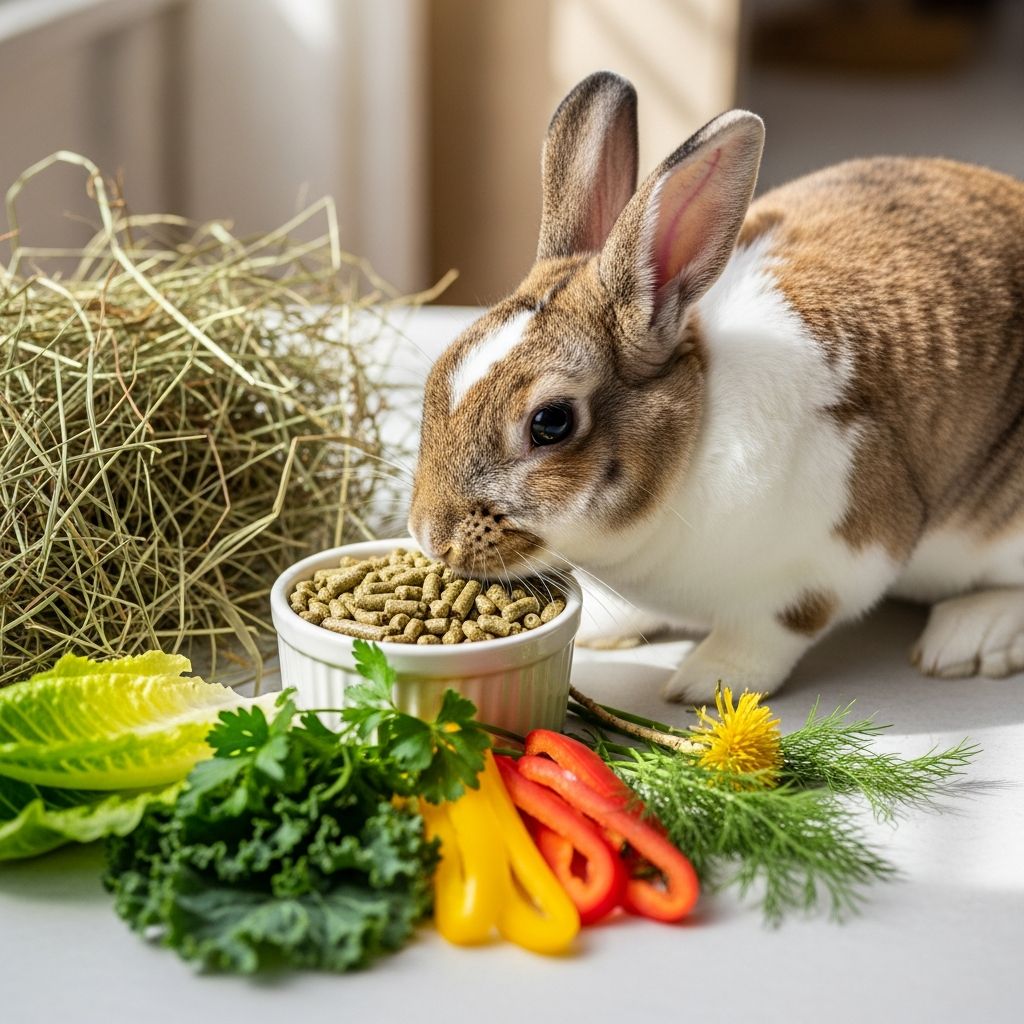
Hay is the most critical component of your rabbit’s diet and should form the bulk of their daily food intake. Rabbits are natural grazers, and their digestive systems are specifically designed to process large quantities of fibrous hay throughout the day. High-quality grass hay should be available to your rabbit at all times, without restriction.
Timothy hay is the most commonly recommended option for adult rabbits, providing excellent nutritional value and appropriate fiber content. Orchard grass and brome hay are also excellent alternatives that provide similar nutritional benefits. These grass hays are ideal because they contain the proper balance of nutrients without excessive calcium or protein.
It is important to understand that not all hay is suitable for adult rabbits. Alfalfa and clover hay should be avoided for rabbits over 8 months of age, as these varieties are too high in protein and calcium, which can lead to urinary calculi and other health problems. However, alfalfa hay can be appropriate for young, growing rabbits under 8 months of age, as their developing bodies require additional nutrients for growth.
When selecting hay for your rabbit, monitor how much your pet typically consumes in one day. This helps prevent hay from sitting out and spoiling, while also allowing you to quickly recognize signs of appetite loss or other health issues. Fresh, quality hay should be continuously available to encourage natural grazing behaviors.
Fresh Vegetables and Greens
In addition to unlimited hay, rabbits require a variety of fresh vegetables and leafy greens daily to meet their nutritional needs and provide enrichment. Dark, leafy greens are particularly beneficial and should make up a significant portion of the fresh food component of your rabbit’s diet.
Excellent vegetable options for your rabbit include the following:
– Basil- Beet tops- Bok choy- Broccoli greens- Carrot tops- Cilantro- Dandelion greens- Dill- Endive- Kale- Kohlrabi- Romaine lettuce- Watercress
Fresh grass can also be included in your rabbit’s diet, though it should be hand-pulled rather than mown with a lawn mower to avoid contamination. Your rabbit should receive approximately one handful of washed, fresh greens each day. It is essential to remove any uneaten greens within a few hours to prevent spoilage and bacterial growth.
Providing varied vegetables encourages foraging and grazing behaviors, which are natural to rabbits. Hiding pellets and greens around the rabbit’s living area and scattering hay in different locations promotes these natural behaviors and provides mental enrichment.
Pellets: A Supplementary Component
While not strictly required if your rabbit is consuming high-quality hay and fresh greens, pellets can serve as a supplementary component to a balanced rabbit diet. When selecting pellets, quality is paramount and should meet specific nutritional standards.
Appropriate pellets should contain the following nutritional profile:
– Crude fiber: more than 18% by dry matter- Indigestible fiber: more than 12% DM- Fat content: between 2.5-4% DM- Protein: between 12-16% DM
The recommended pellet portion for adult rabbits is less than or equal to ¼ cup of pellets per 5 pounds of body weight daily. Excessive pellet consumption combined with high simple sugar intake can cause prolonged fermentation in the cecum, potentially leading to serious gastrointestinal illness. Additionally, overfeeding pellets significantly increases the risk of obesity in rabbits.
Technically, adult rabbits do not require pellets if they are consuming high-quality hay and fresh greens in appropriate quantities. However, many rabbit owners choose to provide small amounts of pellets as part of a balanced feeding program. If you do use pellets, select brands that meet the nutritional guidelines outlined above.
Treats: Limited and Carefully Selected
Treats should comprise only a very small portion of your rabbit’s daily diet. The recommended limit is less than or equal to 1 tablespoon of treats per 5 pounds of body weight each day. Excessive treats can cause serious illness and contribute to obesity.
Safe treat options include fresh fruits and vegetables such as apples, bell peppers, berries, broccoli, carrots, and cauliflower. While these treats contain natural fiber, they remain high in sugar and must be strictly limited to prevent digestive upset and weight gain.
Many commercial treats and human foods should be avoided entirely for rabbit consumption. The following items are unsafe and should never be given to your rabbit:
– Biscuits- Bread- Cereal- Crackers- Nuts- Raisins- Seeds- Yogurt drops
These foods are high in sugar and lack the fiber necessary for rabbit digestive health, making them particularly dangerous for your pet’s wellbeing.
Water Requirements and Hydration
Proper hydration is essential for your rabbit’s health and normal digestive function. Rabbits require approximately 120 milliliters of water per kilogram of body weight daily, or about 2 ounces per pound of body weight. Unlimited fresh, clean water should be provided daily.
Tap water is safe for rabbits as long as it is potable and safe for human consumption. Many rabbit owners choose to provide filtered or bottled water based on their preference and local water quality. Water should be changed daily to ensure freshness and prevent bacterial contamination.
Dietary Transitions and Changes
Making sudden changes to your rabbit’s diet can cause serious digestive upset and gastrointestinal problems. When introducing a new type of hay or pellet, transition gradually over the course of a week or longer. This slow introduction allows your rabbit’s digestive system to adjust to new foods without experiencing disruption.
Begin by mixing approximately 25% of the new food with 75% of the previous food for the first few days. Gradually increase the proportion of new food while decreasing the old food over seven to ten days until the transition is complete. This patient approach prevents digestive upset and maintains your rabbit’s health during dietary changes.
Understanding Rabbit Feces and Digestive Health
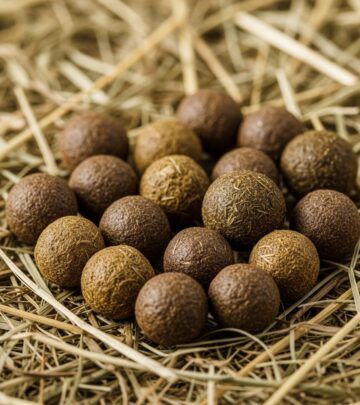
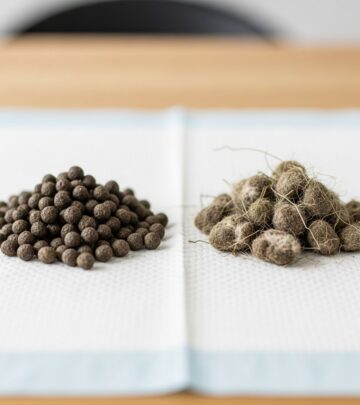
Rabbits have a unique digestive characteristic: they produce two distinct types of feces. Day feces are hard, dry, round balls that are typically expelled during daylight hours. Night feces, called cecotropes, are dark and soft, appearing in clusters. Cecotropes contain approximately twice the protein content, more B-vitamins, and less fiber than day feces, making them highly nutritious.
Rabbits naturally consume their cecotropes, typically immediately after they are passed, allowing them to extract maximum nutrition from their food. Observing cecotropes in your rabbit’s cage during daytime hours may indicate underlying medical issues and warrants a veterinary examination to identify the cause.
Providing unlimited high-quality hay and abundant fresh greens helps maintain healthy fecal output and normal digestive function in rabbits.
Important Dietary Considerations
Rabbits possess a unique physiological characteristic that distinguishes them from most other mammals: they are essentially unable to vomit. A very tight sphincter between the esophagus and stomach makes vomiting nearly impossible for rabbits. If your rabbit does genuinely vomit, this represents a life-threatening medical emergency requiring immediate veterinary care.
This inability to vomit means that prevention of gastrointestinal problems through proper diet is especially critical. Feeding inappropriate foods or excessive quantities can lead to serious, potentially fatal complications without the possibility of the rabbit vomiting to expel the problematic material.
Enrichment and Natural Feeding Behaviors
Rabbits are foraging species and require enrichment when it comes to their meals to maintain psychological wellbeing and encourage natural behaviors. Rather than simply providing food in a bowl, consider implementing the following enrichment strategies:
– Hide pellets in different locations within the enclosure- Place fresh greens in various spots to encourage exploration- Scatter hay throughout the living space to promote grazing- Rotate food locations daily to maintain novelty- Provide digging opportunities with hay piles
These practices stimulate your rabbit’s natural foraging instincts, provide mental enrichment, and encourage physical activity, all of which contribute to overall health and wellbeing.
Feeding Guidelines Summary
| Food Component | Quantity | Details |
|---|---|---|
| High-quality hay (Timothy, orchard, brome) | Unlimited | Always available; should form bulk of diet |
| Fresh vegetables and greens | One handful daily | Dark leafy varieties preferred; remove uneaten within hours |
| Pellets (if used) | ¼ cup per 5 lbs body weight | Optional; high fiber, lower fat formulas only |
| Treats | ≤ 1 tablespoon per 5 lbs body weight | Fresh fruits/vegetables only; limit sugars |
| Water | 120 mL per kg body weight daily | Fresh, unlimited supply; change daily |
Frequently Asked Questions About Rabbit Feeding
Q: Can adult rabbits eat alfalfa hay?
A: No, adult rabbits should not regularly consume alfalfa hay as it is too high in protein and calcium. However, young rabbits under 8 months of age can eat alfalfa hay as part of their diet to support growth and development.
Q: Are pellets necessary for a healthy rabbit diet?
A: Technically, adult rabbits do not require pellets if they have access to unlimited high-quality hay and fresh greens. However, many rabbit owners include small portions of quality pellets as a supplement to their rabbit’s diet.
Q: How often should I change my rabbit’s water?
A: Fresh water should be provided and changed daily to ensure cleanliness and prevent bacterial contamination. Your rabbit should have unlimited access to clean water at all times.
Q: What should I do if I notice cecotropes in my rabbit’s cage during the day?
A: Daytime cecotropes may indicate an underlying medical issue. You should schedule a veterinary examination to identify the cause and ensure your rabbit’s health.
Q: Can I give my rabbit commercial pet treats from the store?
A: Most commercial pet treats should be avoided, as they are high in sugar and lack appropriate fiber. Stick to fresh fruits and vegetables as occasional treats, limited to 1 tablespoon per 5 pounds of body weight daily.
Q: How quickly can I change my rabbit’s diet?
A: Diet changes should be made gradually over at least one week to prevent digestive upset. Start by mixing 25% new food with 75% old food and gradually increase the ratio over 7-10 days.
References
- Giving Medications and Feedings to Rabbits and Other Small Mammals — VCA Animal Hospitals. https://vcahospitals.com/know-your-pet/giving-medications-and-feedings-to-rabbits-and-other-small-mammals
- Rabbit Nutrition — Feeding Raven Doodles. https://www.feedingravendoodles.com/articles/rabbit-nutrition
- Bunny Care Basics — VCA Animal Hospitals. https://vcahospitals.com/shop/articles/bunny-care-basics
- Rabbits as Pets — VCA Animal Hospitals. https://vcahospitals.com/know-your-pet/rabbits-as-pets
- Healthy Rabbit Diet and Nutrition — Anti-Cruelty Society. https://anticruelty.org/pet-library/healthy-rabbit-diet-and-nutrition
Similar Articles






Read full bio of Sneha Tete