

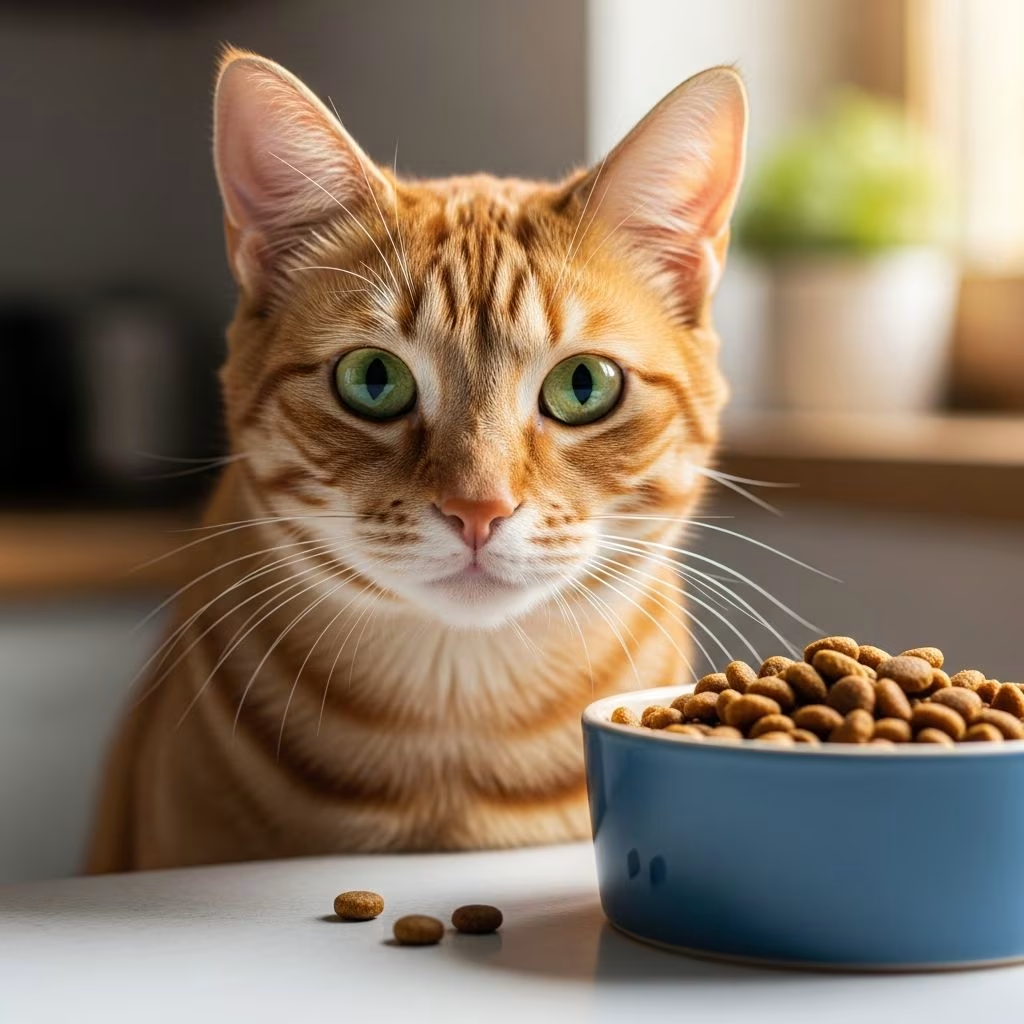
Feeding Times and Frequency for Your Cat
Establishing a proper feeding schedule is one of the most important aspects of feline nutrition and care. Many cat owners wonder how often they should feed their cats and what the ideal feeding routine looks like. The answer isn’t one-size-fits-all, but rather depends on your individual cat’s age, activity level, health status, and your household schedule. Understanding the principles of feline feeding can help you create a routine that promotes your cat’s health, prevents obesity, and strengthens your bond through consistent daily rituals.
What is a Good Feeding Schedule for My Cat?
Creating an effective feeding schedule for your cat doesn’t have to be complicated. By recognizing key concepts about feline behavior and nutritional needs, you can develop a reasonable and sustainable feeding plan. The most common veterinary recommendation is to feed your cat at least two meals per day, and there are several important reasons for this guidance.
The Importance of Routine
Cats are creatures of habit. This fundamental aspect of feline behavior can be leveraged to your advantage by establishing a consistent feeding schedule and adhering to it religiously. When you feed your adult cat at regular, predictable times, you provide security and a sense of predictability that becomes central to your cat’s daily structure. Meals become anchor events around which other household activities revolve, creating stability in your cat’s environment.
This consistency is particularly valuable during times of household change. Whether a family member moves away, a new baby arrives, or a house-sitter watches your cat while you’re away, a predictable feeding routine helps your feline companion cope with these transitions. The familiar ritual of mealtime provides comfort and reassurance when other aspects of the environment feel uncertain or different.
How Many Meals Should My Cat Eat Each Day?
The ideal number of meals for your cat depends on several individual factors as well as your family’s schedule and lifestyle. While the recommendation for at least two meals daily is standard, the reality is more nuanced and flexible than a one-size-fits-all approach.
Two Meals Per Day: The Standard Recommendation
Two meals per day represents the baseline recommendation for most adult cats. This frequency provides an excellent balance between meeting your cat’s nutritional needs and fitting into typical household routines. Feeding twice daily—for example, once in the morning and once in the evening—allows you to monitor your cat’s appetite more closely than free-feeding and helps prevent obesity by providing portion control.
Three to Four Meals Per Day: When More Frequency Helps
Some cats genuinely benefit from more frequent meals. Increasing feeding frequency to three or even four times daily can be particularly helpful for cats that exhibit certain behaviors or characteristics:
– Cats that beg persistently between meals may feel less deprived with more frequent feeding opportunities- Cats that eat very small volumes at each sitting may meet their daily caloric needs better with multiple smaller portions- Cats recovering from illness or with certain medical conditions may tolerate smaller, frequent meals better than fewer, larger meals- Kittens and young cats with high metabolic demands typically require more frequent feeding than adult cats
Single Daily Meals: Less Common but Possible
Some cats are less food-motivated and function adequately on a single meal per day. However, this approach is less common and generally not recommended as the standard, since it provides fewer opportunities to monitor your cat’s appetite and health status. A decreased or absent appetite can signal underlying medical problems, and more frequent feeding schedules help you notice changes more readily.
Grazing Versus Meal Feeding: Understanding Your Options
Cat owners typically choose between two primary feeding methods: free-feeding (grazing) and portion-controlled meal feeding. Each approach has distinct advantages and disadvantages.
Free-Feeding or Grazing
Free-feeding allows food to remain available throughout the day, mimicking how cats would naturally hunt and eat small meals frequently. In ideal situations, cats prefer to consume 12 to 20 small meals throughout the day and night. This method can work reasonably well for cats eating dry kibble, since dry food remains safe and edible when left out for extended periods.
However, free-feeding presents significant challenges in the modern domestic environment. It’s nearly impossible to monitor exactly how much your cat is consuming, making it difficult to detect appetite changes that might indicate illness. Additionally, the tasty, calorie-dense formulations of modern cat foods can lead to overeating and weight gain when food is constantly available. Free-feeding doesn’t work at all with moist or canned foods, which spoil quickly if left out for more than brief periods.
Meal Feeding with Measured Portions
Portion-controlled meal feeding—offering measured amounts of food at specific times—provides superior control over your cat’s intake and allows easy adjustments if weight fluctuates. This method makes it immediately obvious if your cat is eating all their food, which helps you quickly identify decreased appetite and potential health problems.
When implementing meal feeding, measure out your cat’s daily food portion each morning using either a measuring cup or kitchen scale. If you have only one cat with no plans for more, you can offer this daily portion in several smaller meals throughout the day, choosing regular times to establish a consistent routine. The key is using a measured daily portion, regardless of how many times you offer it to your cat.
Creating Your Cat’s Ideal Feeding Schedule
Once you’ve decided on the appropriate number of daily meals for your cat, establishing specific feeding times helps reinforce the routine and predictability cats value.
Sample Feeding Schedules
For cats eating twice daily, typical schedules might include:
– Morning feeding at 7:00 AM and evening feeding at 7:00 PM- Early morning feeding at 6:30 AM and dinner feeding at 6:30 PM- Midday feeding at noon and evening feeding at 6:00 PM
For cats eating three times daily, you might offer meals at breakfast, midday, and dinner. For those on four daily meals, spacing them approximately 4-6 hours apart throughout the day works well.
Working With Your Veterinarian
Your veterinarian is the best resource for determining the appropriate portion size and feeding frequency for your specific cat. Various factors influence these recommendations, including your cat’s age, weight, activity level, metabolic rate, and any underlying health conditions. Don’t rely on feeding charts printed on commercial pet food labels for more than a couple of weeks, as these generic guidelines often overestimate appropriate portions for individual cats.
Portion Control and Weight Management
Understanding proper portions is essential for maintaining your cat’s healthy weight. Because cat obesity represents such a significant health concern, veterinarians recommend choosing daily portions at the lower end of the recommended feeding range. A myth persists that cats can self-regulate and eat only what they need without overeating, but modern cat foods are specifically formulated to be tasty and calorie-dense, making this self-regulation impossible without human intervention.
Monitoring Your Cat’s Weight
Once you’ve established the appropriate quantity to feed at each meal, schedule periodic weigh-ins at your home or veterinary clinic to monitor weight changes. Professional assessment should occur at least several times yearly, while home assessments using body condition scoring should happen every 2 to 4 weeks. Ask your veterinarian to demonstrate proper body condition scoring technique so you can accurately assess your cat’s weight status at home.
Adjusting Portions as Needed
As your cat ages or their activity level changes, feeding requirements shift. Senior and geriatric cats may need adjustments to their caloric and protein intake to maintain ideal body condition. Conversely, cats that become less active may require reduced portions to prevent weight gain. Regular monitoring and communication with your veterinarian ensure portions remain appropriate throughout your cat’s life.
Special Feeding Considerations for Different Life Stages
Cats at different life stages have distinct nutritional requirements and feeding needs.
Kittens
Kittens experience rapid growth during their first months of life and have high energy requirements accordingly. Their small stomachs necessitate frequent, small meals throughout the day to meet their caloric needs. Kittens require foods specifically formulated for growth, with nutrient profiles and calorie densities designed to support their unique developmental needs.
Adult Cats
Most adult cats thrive on two meals daily, with portion sizes and nutrient profiles matched to their activity level and body condition. Active cats may require higher fat content (10-30% dry matter) and less fiber, while sedentary cats benefit from lower fat content (9-17% dry matter) and higher fiber (5-15% dry matter) to promote satiety.
Senior and Geriatric Cats
Senior cats often benefit from dividing their daily food into two, three, or four small meals rather than one or two larger portions. Some older cats may need increased caloric and protein intake despite declining weight and body condition with advanced age. The key principles include controlling calorie intake, ensuring proper hydration, and providing balanced nutrition with appropriate levels of fat, protein, phosphorus, and sodium.
Treats and Snacks: Maintaining Balance
Treats should comprise no more than 10% of your cat’s daily caloric requirements. Low-calorie treats containing fewer than 4 calories per piece are appropriate for cats of any age. Commercial treats formulated specifically for cats are preferable to table scraps, which often contain excessive fat and sodium.
Healthy treat alternatives include water-based vegetables like green beans, carrots, cucumbers, broccoli, and lettuce. Fresh or frozen fruits such as apples, bananas, oranges, and various berries make excellent, guilt-free snacks. Some cats enjoy frozen vegetables right out of the freezer for their crunchiness. You can also use a portion of your cat’s daily kibble allotment as treats throughout the day, allowing multiple treat opportunities without additional calories.
Adapting to Your Family’s Schedule
The best feeding schedule is one that you can maintain consistently. Whether your household schedule allows for two meals or four, what matters most is establishing regular times and adhering to them. The consistency matters more than hitting exact clock times—cats care about predictability and routine rather than the specific hour.
If you work outside the home, consider morning and evening feedings around your schedule. If your cat spends time with a house-sitter or pet care provider, communicate your established feeding routine clearly so they can maintain consistency even during your absence. If you eventually need to transition a grazing cat to meal feeding, measure out the entire day’s portion in the morning and offer the bowl at regular intervals throughout the day.
Common Questions About Cat Feeding Schedules
Q: What’s the best time to feed my cat each day?
A: The best time is whenever works consistently for your household schedule. Morning and evening feedings around 12 hours apart work well for many families, but any regular schedule that you can maintain is appropriate. The consistency matters more than the specific time.
Q: Can I transition my cat from grazing to meal feeding?
A: Yes, measure out your cat’s entire daily portion in the morning, then offer the bowl at regular intervals (for example, three times throughout the day). Gradually establish a routine with specific meal times.
Q: How do I know if my cat is eating the right amount?
A: Ask your veterinarian for a specific portion recommendation for your cat. Monitor your cat’s weight and body condition regularly, adjusting portions as needed. Most cats maintain ideal weight on portions at the lower end of feeding guidelines.
Q: Should I feed multiple cats on the same schedule?
A: Yes, feeding all household cats on the same schedule provides structure and routine for everyone. However, feed cats in separate locations if they have different nutritional needs or if one eats significantly faster than the other.
Q: Can I leave dry food out all day for my cat?
A: While dry kibble can technically be left out longer than wet food, portion-controlled feeding provides better appetite monitoring and obesity prevention. If you do free-feed, measure the daily portion and record what remains uneaten each evening.
Q: How often should I change my cat’s feeding schedule?
A: Once you establish a feeding routine, maintain consistency for your cat’s comfort and for effective health monitoring. Changes should only be made gradually when necessary due to age, activity level, or health status changes.
References
- Feeding Times and Frequency for Your Cat — VCA Animal Hospitals. 2024. https://vcahospitals.com/know-your-pet/feeding-times-and-frequency-for-cats
- Nutrition – General Feeding Guidelines for Cats — VCA Animal Hospitals. 2024. https://vcahospitals.com/know-your-pet/nutrition-feeding-guidelines-for-cats
- Feeding Your Young Adult Cat — VCA Animal Hospitals. 2024. https://vcahospitals.com/know-your-pet/feeding-your-young-adult-cat
- Nutrition for Inactive Adult Cats — VCA Animal Hospitals. 2024. https://vcahospitals.com/know-your-pet/feeding-inactive-adult-cats
- Feeding Mature, Senior, and Geriatric Cats — VCA Animal Hospitals. 2024. https://vcahospitals.com/know-your-pet/feeding-mature-senior-and-geriatric-cats
- Feeding Your Cat Well – An Overview — VCA Animal Hospitals. 2024. https://vcahospitals.com/know-your-pet/feeding-your-cat-well-an-overview



