

The liver performs critical functions like detoxification, protein synthesis, and nutrient metabolism in dogs and cats. When hepatic conditions disrupt these processes, targeted nutrition becomes essential to stabilize the pet, foster tissue repair, and minimize complications. This guide outlines evidence-based dietary principles drawn from veterinary research to help pet owners and professionals craft effective feeding regimens.
Core Principles of Hepatic Nutrition
Nutrition in liver-compromised pets aims to deliver sufficient calories without overburdening the organ. Key goals include preserving muscle mass, supporting detoxification pathways, and countering oxidative stress. Unlike healthy animals, those with liver issues often face anorexia, malabsorption, and altered metabolism, necessitating high-palatable, nutrient-dense foods.
Daily energy needs may rise due to hypermetabolism, yet overfeeding risks fat accumulation in the liver. Veterinary guidelines recommend calculating resting energy requirements (RER) as 30-70 kcal/kg^{0.75} for dogs and slightly higher for cats, adjusted for activity and disease severity. Hydration remains paramount; unrestricted access to fresh water supports toxin flushing and prevents constipation.
Balancing Protein for Liver Repair
**Protein** is vital for hepatocyte regeneration and albumin production, countering hypoalbuminemia that leads to edema. Contrary to outdated practices, routine restriction is discouraged as it promotes muscle wasting and hepatic lipidosis, especially in cats.
For dogs, aim for 20-25% protein on a dry matter (DM) basis from highly digestible sources; cats require 30-40% DM due to their obligate carnivore status. In hepatic encephalopathy (HE), where ammonia from protein breakdown accumulates, select aromatic amino acid-balanced sources. Vegetable proteins like soy or dairy (e.g., cottage cheese, eggs) reduce ammonia better than red meats.
| Protein Source | Suitability for Dogs | Suitability for Cats | Benefits |
|---|---|---|---|
| Eggs/Cottage Cheese | High | Moderate | Low ammonia, high bioavailability |
| Soybean Meal | High (HE cases) | Low | Reduces fasting ammonia |
| Fish/Poultry | Moderate | High | Digestible, supports taurine needs |
| Red Meat | Low (HE) | Avoid excess | Higher ammonia risk |
Monitor via bloodwork: maintain albumin >2.5 g/dL. Gradually increase protein if HE signs (e.g., head pressing, seizures) are absent, using small additions like egg whites.
Optimizing Fats and Carbohydrates
**Fats** boost calorie density and palatability without taxing protein reserves. Include 10-20% DM fats, prioritizing medium-chain triglycerides (MCTs) that bypass bile-dependent digestion, ideal for cholestasis. Omega-3 fatty acids (e.g., fish oil) curb inflammation and protect hepatocytes. Restrict fats only if bile flow obstruction exists.
**Carbohydrates** from complex sources (starches, grains, legumes) provide non-protein energy, sparing protein for repair and lowering ammonia in HE cases. They constitute 40-60% DM, promoting steady glucose release to avoid hepatic overload.
- Dogs: Rice, oats for sustained energy.
- Cats: Limit to 10-20% DM; prioritize protein/fat.
Essential Micronutrients and Supplements
Liver disease impairs vitamin synthesis and mineral balance. Key additions include:
- Antioxidants: Vitamin E (α-tocopherol) shields against lipid peroxidation; pair with Vitamin C for synergy. SAMe and silymarin aid detoxification.
- Taurine: Crucial for cats; liver dysfunction reduces synthesis, risking bile issues.
- Zinc: Blocks copper uptake in breeds prone to accumulation (e.g., Bedlington Terriers).
- Vitamin K: Prevents coagulopathies and ulcers in portosystemic shunts.
- Sodium Restriction: For ascites or portal hypertension; 0.1-0.3% DM.
Avoid copper-rich foods in susceptible dogs. Phosphorus moderation (0.2-1% DM) supports kidney-liver interplay.
Tailored Plans for Common Conditions
Chronic Hepatitis and Fibrosis
Focus on anti-inflammatory diets: high omega-3, moderate protein from plants/eggs, low copper. Energy-dense formulas with MCTs combat anorexia-induced malnutrition.
Hepatic Lipidosis in Cats
A life-threatening anorexia complication; aggressive enteral feeding (100-200 kcal/kg/day) via tubes if needed. High-protein (40%+ DM), moderate-fat diets restore appetite; force-feeding initially.
Portosystemic Shunts and Encephalopathy
Vegetable/dairy proteins minimize HE; lactulose enhances ammonia excretion. Multiple small meals (4-6/day) stabilize blood ammonia.
Practical Feeding Protocols
Divide intake into 4-6 meals to ease digestion and reduce postprandial ammonia spikes. Warm food enhances appeal; use feeding tubes (esophagostomy/nasoesophageal) for <50% voluntary intake.
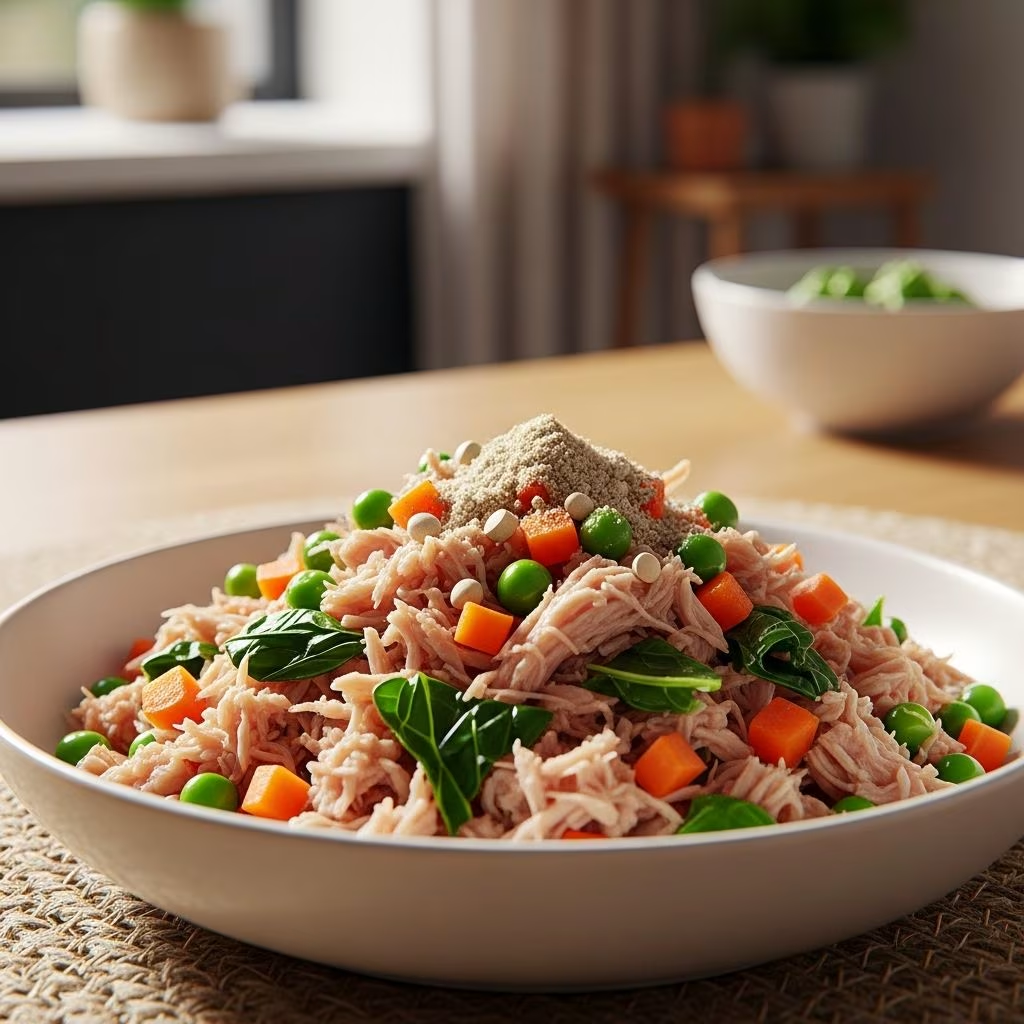
Commercial hepatic diets (e.g., those with 19% moderate protein, prebiotics) simplify management. Homemade options: blend cooked eggs, rice, low-fat cottage cheese, fish oil—vet-approved only.

Monitoring Progress and Adjustments
Track body weight weekly, serum ammonia/albumin monthly. Adjust calories if weight loss >2%/week. HE recurrence signals protein tweaking; persistent anorexia warrants hospitalization.
FAQs
Can I feed table scraps to my pet with liver disease?
No; they often contain excess sodium, fats, or copper. Stick to vet-formulated diets.
How soon do dietary changes show effects?
Improvements in appetite/energy within 1-2 weeks; full benefits in 4-6 weeks with consistent use.
Is vegetarian food safe for cats with liver issues?
No; cats require animal proteins for taurine/arginine. Dogs tolerate plant-based better in HE.
What if my dog refuses to eat?
Micro-manage with tubes, appetite stimulants (e.g., mirtazapine), or warmed aromatic foods.
Potential Pitfalls to Avoid
– Over-restricting protein, leading to malnutrition.
– Ignoring breed-specific risks (e.g., copper storage).
– Neglecting water intake.
References
- Nutritional support for dogs and cats with hepatobiliary disease — PubMed/NCBI. 1998-11-01. https://pubmed.ncbi.nlm.nih.gov/9868254/
- Nutritional Approaches to Liver Diseases in Dogs and Cats — Ontario Veterinary College, University of Guelph. 2025-09-24. https://ovcpetnutrition.uoguelph.ca/2025/09/24/nutritional-approaches-to-liver-diseases-in-dogs-and-cats/
- Nutritional Management of Liver Failure and Hepatic Encephalopathy — UC Davis Veterinary Medicine. N/A. https://healthtopics.vetmed.ucdavis.edu/health-topics/canine/nutritional-management-liver-failure-and-hepatic-encephalopathy
- CANINE HP HEPATIC™ Product Guide — Purina Veterinary Centre. N/A. https://vetcentre.purina.co.uk/sites/default/files/product_materials_pdf/VPG%20-%20HP%20Canine.pdf
- Nutrition for Dogs with Liver Disease — VCA Animal Hospitals. N/A. https://vcahospitals.com/know-your-pet/nutrition-for-dogs-with-liver-disease



