Feeding Rodents And Lagomorphs: Diets For 5 Small-Mammal Types
Comprehensive guide to optimal diets for pet rodents and lagomorphs, ensuring health through species-specific nutrition and care.
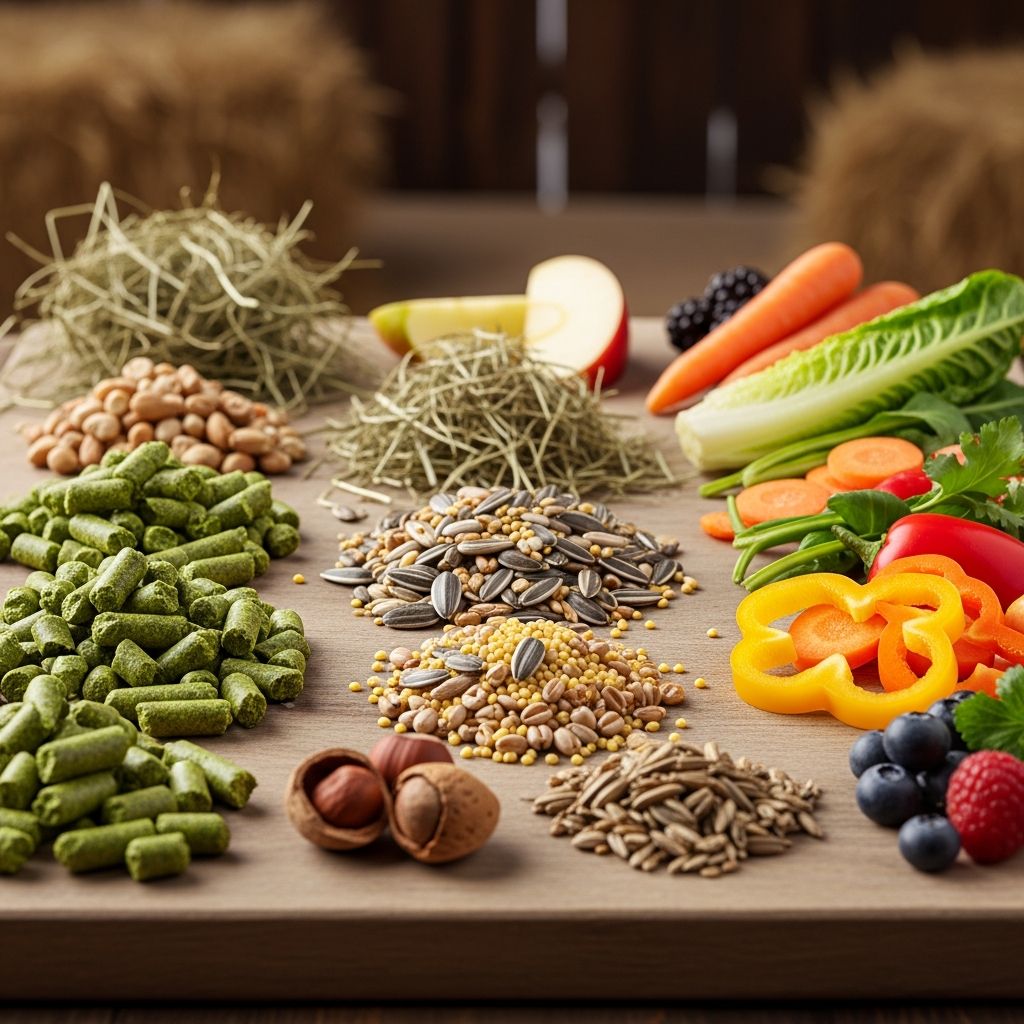
Proper nutrition forms the foundation of health for pet rodents and lagomorphs, species that thrive on diets mimicking their wild counterparts. These small mammals, including rabbits, guinea pigs, hamsters, rats, and chinchillas, have specialized digestive systems requiring high-fiber foods, balanced proteins, and specific vitamins to prevent issues like obesity, dental problems, and gastrointestinal stasis.
Understanding Digestive Adaptations
Rodents and lagomorphs possess unique gut structures optimized for processing fibrous plant material. Lagomorphs, such as rabbits, feature a large hindgut with a cecum where fermentation breaks down cellulose via microbial action. They produce cecotropes—nutrient-rich soft feces re-ingested for maximum absorption of proteins, vitamins, and minerals. Rodents like guinea pigs share hindgut fermentation but cannot synthesize vitamin C, necessitating dietary sources.
These adaptations demand constant access to hay and grasses to promote gut motility and dental wear, as continuously growing teeth require abrasion to avoid malocclusion.
Core Dietary Components for All Species
- High-Quality Hay: Unlimited timothy or meadow hay supports digestion and teeth grinding. It should comprise 70-80% of the diet for herbivores.
- Pelleted Feeds: Species-specific pellets with at least 15-16% protein, 4-5% fat, and 14% fiber provide complete nutrition. Avoid seed mixes that lead to selective feeding and deficiencies.
- Fresh Vegetables: Dark leafy greens like kale, parsley, and collards offer hydration and micronutrients. Limit fruits due to high sugar content.
- Clean Water: Available at all times, changed daily, especially in warm conditions.
Species-Specific Feeding Guidelines
Rabbits: High-Fiber Herbivores
Rabbits require a diet dominated by hay to emulate wild grazing. Provide unlimited grass hay, supplemented with 1-2% of body weight in pellets daily—for a 2kg rabbit, that’s about 40g. Fresh greens (e.g., broccoli leaves, pak choi) at 1 cup per kg body weight rotate varieties to ensure broad nutrition. Carrots should be minimal treats due to sugars.
| Daily Intake for Adult Rabbit (2kg) | Amount | Examples |
|---|---|---|
| Hay | Unlimited | Timothy, meadow |
| Pellets | 40g | High-fiber blocks |
| Greens | 2 cups | Kale, cabbage tops |
| Treats | <1 tsp | Carrot tops only |
Breeding does need extra protein; monitor for obesity in pets with limited exercise.
Guinea Pigs: Vitamin C Essentials
Guinea pigs demand 10-30mg vitamin C daily, sourced from greens like 1/2-1 cup kale or bell peppers (250mg per cup kale). Base diet: unlimited hay, 1/8 body weight in pellets (100g for 1kg pig), and veggies. Gestating females require 20mg/kg or more, via supplements if needed.
- Avoid: High-sugar foods like bananas, grapes.
- Signs of deficiency: Lethargy, scurvy-like symptoms.
Chinchillas: Desert Dwellers’ Diet
Chinchillas suit dry, low-water feeds: ad lib hay, 20-40g pellets daily. No fresh produce to prevent diarrhea; offer wood chews for teeth and xylophagy. Treats: Dried dandelions sparingly.
Hamsters: Portion-Controlled Omnivores
Golden hamsters eat 13-15g daily; dwarfs 8g max of lab blocks or mixes with seeds. Add weekly protein (egg, insects). Scatter feeding prevents obesity.
| Hamster Type | Daily Food | Supplements |
|---|---|---|
| Golden | 13-15g | Seeds, carob weekly |
| Dwarf | 8g max | Small mixes |
Rats and Mice: Omnivorous Opportunities
Omnivores needing 16% protein blocks, grains, veggies, fruits, and weekly protein (cheese, egg). Breeding females require extras to avoid deficiencies.
Age and Life Stage Adjustments
Young weanlings need softened pellets; adults full blocks. Lactating females get 20-50% more food. Seniors may require softer hays for digestion. Hibernating species like some hamsters need fat boosts pre-winter.
Preventing Common Nutritional Disorders
Dental Malocclusion: Insufficient abrasion from low-fiber diets.
Obesity: Excess seeds/calories; use scatter feeding.
GI Stasis/Dysbiosis: Low fiber; ensure constant hay.
Hypervitaminosis D: Over-supplementation.
Feeding Best Practices
- Store pellets in cool, dry places; use within 3 months.
- Introduce changes gradually to avoid refusal.
- Daily weighing for breeders; body condition scoring monthly.
- Forage enrichment: Hide food in toys.
FAQs
Can rabbits eat carrots daily?
No, limit to small amounts; prefer tops for fiber over sugary roots.
How much hay for guinea pigs?
Unlimited, as much as they can eat—critical for gut health.
Do chinchillas need veggies?
Avoid fresh ones; stick to hay and pellets to prevent digestive upset.
Best protein for rats?
Lab blocks primary; supplement with egg or insects weekly.
Signs of poor nutrition in hamsters?
Weight gain, lethargy, loose stools—adjust portions immediately.
This guide empowers owners to foster thriving pets through informed feeding, reducing vet visits and enhancing lifespan.
References
- Nutrition in Small Mammals — San Bruno Pet Hospital. 2023. https://sanbrunopet.com/pet-care-tips/nutrition-small-mammals/
- What should rodents eat? — Hopi Family. 2024. https://hopifamily.com/en/hopi-advices/nutrition-small-animals
- Small mammal nutrition: significance of feeding a species-specific diet — Vet Times. 2023-10-01. https://www.vettimes.com/clinical/exotics/small-mammal-nutrition-significance-of-feeding-a-species-specific-diet-cpdrodents
- Nutritional Guidelines for Feeding Pet Rabbits — FEDIAF. 2024-11. https://europeanpetfood.org/wp-content/uploads/2024/11/FEDIAF-Nutritional-Guidelines-for-Feeding-Pet-Rabbits_NEW.pdf
- Nutritional Physiology and Feeding of Companion Rodents — PubMed (Peer-reviewed). 2023-11-07. https://pubmed.ncbi.nlm.nih.gov/37949528/
- Nutrition for Small Mammalian Companion Herbivores and Carnivores — Wiley Online Library (Peer-reviewed). 2023. https://onlinelibrary.wiley.com/doi/abs/10.1002/9781119375241.ch23
Similar Articles








Read full bio of medha deb