

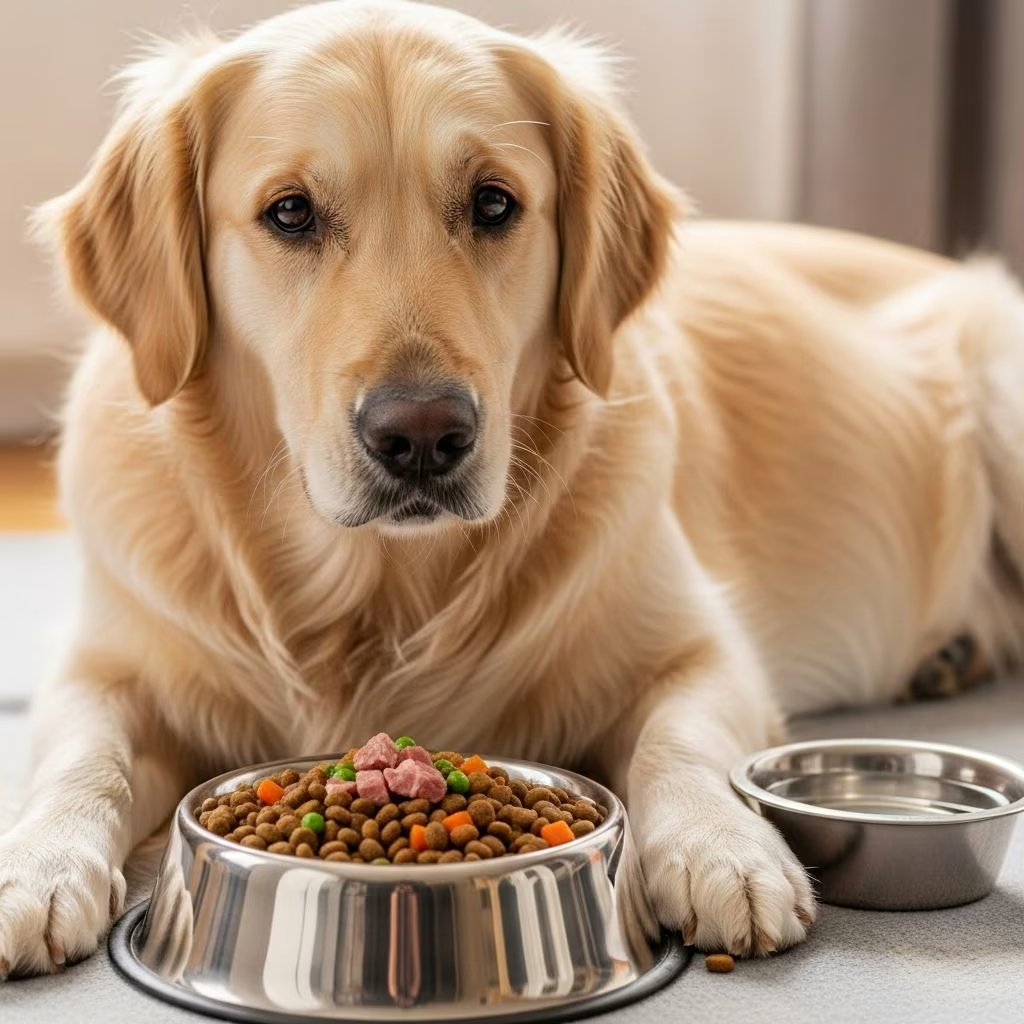
Feeding the Pregnant Dog: Complete Nutritional Guide
Proper nutrition is essential for maintaining the health of a pregnant dog and ensuring the optimal development of her puppies. As a responsible dog owner, understanding the specific dietary needs during pregnancy will help you support both the mother and her unborn litter. This comprehensive guide covers everything you need to know about feeding your pregnant dog throughout each stage of pregnancy and beyond.
Understanding Nutritional Requirements During Pregnancy
The nutritional needs of a pregnant dog vary significantly depending on which trimester she is in. During the first two trimesters of pregnancy, the mother’s nutritional requirements are essentially the same as those for a young adult dog. It is critical that the dog does not lose weight or body condition during this time, nor should she become overweight or obese due to over-feeding. Meal feeding is the best approach to control body condition and weight gain during the early stages of pregnancy.
The diet for pregnant and lactating dogs should contain optimal levels of omega-3 fatty acid DHA (docosahexaenoic acid), a nutrient essential for developing the puppies’ brains and eyes. A high-quality diet should consist of approximately 29% protein, 17% fat, a high amount of soluble carbohydrates, and low fiber content.
Key Nutritional Components for Pregnant Dogs
Several essential nutrients play crucial roles in supporting fetal development and maintaining maternal health:
Protein Requirements
Protein is fundamental for your dog and her developing puppies. When selecting commercial food, look for high-quality protein sources with real meat listed as the first ingredient. Protein supports muscle development, tissue repair, and overall fetal growth throughout pregnancy.
Fats and Energy
Fats provide the most concentrated source of energy and are vital for the development of the puppies’ nervous systems and for maintaining the mother’s health. High-quality commercial diets will contain the recommended amounts of essential fatty acids necessary for proper fetal development.
Calcium and Phosphorus Balance
These minerals play a significant role in the development of the puppies’ bones and teeth. High-quality commercial diets contain the recommended calcium and phosphorus balance for bone formation and milk production. Importantly, supplementing calcium during pregnancy can be risky as it may lead to eclampsia after birth, so always follow veterinary advice regarding calcium supplementation.
Essential Vitamins
Vitamins like A, D, and E contribute to the puppies’ immune system development and overall health. Folic acid, a B vitamin, is crucial for preventing birth defects and promoting healthy growth in puppies. Some veterinarians may recommend a folic acid supplement to support puppies’ development, but this should only be done under professional guidance.
Feeding Guidelines by Trimester
Your pregnant dog’s feeding schedule and portion sizes will need to adjust as her pregnancy progresses. Understanding the specific needs of each trimester ensures optimal nutrition throughout pregnancy.
First and Second Trimester Feeding
During the initial stages of pregnancy, you can maintain your dog’s regular feeding schedule, typically twice daily. If your dog is already on a high-protein, high-nutrient diet, you can continue feeding her normally through the first and second trimesters. A small increase in food amount can be made if desired but should be no more than a 10% increase to avoid excessive weight gain. It is equally important that a dog not become overweight due to over-feeding, as this can complicate pregnancy and delivery.
Third Trimester Adjustments
Fetal growth is most rapid during the third trimester, which is why nutritional support becomes increasingly critical. The challenge during the third trimester, especially in the final weeks before birth, is that the mother’s abdomen is expanding with puppies, leaving little room for food in the gastrointestinal tract.
A highly digestible puppy food or growth formulation is recommended during the third trimester. Multiple small meals will provide the mother with the ability to maintain adequate nutrient and calorie intake. From about the fourth week of pregnancy, gradually increase the amount of food provided, splitting meals into smaller portions but feeding more frequently, such as three to four times per day. Her stomach capacity will decrease in the last few weeks, but her energy requirements will remain very high, so continue increasing the total amount of food while maintaining smaller, more frequent meals.
Do not feed a puppy food designed for large breed puppies, as it does not have the correct calcium-phosphorus balance to support the developing bones of the fetuses or healthy milk production in the mother.
Choosing the Right Food for Your Pregnant Dog
You can choose between store-bought dog food and homemade meals when considering what to feed your pregnant dog. It is crucial to ensure that whichever option you choose meets her increased nutritional needs.
Commercial Dog Food Selection
When selecting commercial food, look for the following characteristics:
- High in Protein: Real meat should be listed as the first ingredient
- Balanced Nutrients: Check labels for balanced levels of fats, carbohydrates, vitamins, and minerals
- Energy-Dense Formula: Choose foods formulated for growth or puppy stages
- Reputable Company: Select commercially prepared foods from established, quality-focused manufacturers
Toy and small-breed dogs often prefer canned foods, while larger breeds typically do better on dried food.
Homemade Meal Preparation
If you prefer to prepare homemade meals for your pregnant dog, ensure they are nutritionally balanced. Always consult your veterinarian or a certified pet nutritionist before changing your dog’s diet to ensure meals meet her specific nutritional needs during pregnancy.
Consider incorporating these elements into homemade meals:
- Protein-Rich Components: Lean meats like chicken, turkey, and beef (cooked thoroughly). Fish like salmon is also beneficial, but remove all bones
- Vegetables and Grains: Safe vegetables such as carrots, peas, and sweet potatoes; grains like rice or quinoa provide necessary vitamins and fiber
- Calcium Sources: Finely ground eggshells or vet-approved calcium supplements, particularly important in later pregnancy for puppy bone development
- Healthy Snacks: Small pieces of apples, bananas, or cucumbers as treats
- Foods to Avoid: Never feed onions, garlic, chocolate, grapes, or other toxic foods
Hydration
Make sure your dog has constant access to fresh water throughout pregnancy and especially during lactation. Adequate fluid is essential, particularly if she is on a dry diet. You will be surprised how much she eats and drinks while nursing her puppies.
Managing Supplements During Pregnancy
While commercial diets typically contain appropriate nutrient levels, some supplements may be beneficial under veterinary supervision:
- Calcium Supplementation: Use with extreme caution. Supplementing calcium during pregnancy can be risky as it may lead to eclampsia post-birth. Always follow veterinary advice
- Folic Acid: Some veterinarians may recommend supplementation to support puppy development and prevent birth defects
- Probiotics: Can benefit a pregnant dog’s gut health, potentially reducing digestive issues
Never use any supplements without consulting a veterinarian, as this may lead to severe health issues for both the mother and her puppies.
Feeding During Lactation and Weaning
Once the puppies are born, the mother will have more space in her stomach, so she can increase her food intake. However, the food must be energy-dense, or she will not be able to eat enough to sustain milk production or maintain her weight and body condition.
Post-Birth Feeding
During lactation, it is best to feed a commercially prepared puppy food from a reputable company. Free-choice feeding during the first 3 to 4 weeks of lactation provides several advantages: the mother can eat on her own schedule, consuming smaller amounts each time, and puppies can begin sampling solid food as they become able (about 3 weeks of age).
The mother may not eat much during the first 24–48 hours after giving birth, but after that she should regain her appetite. If the mother does not want to leave her puppies to eat or drink, bring food and water to her. Periodic assessments of the mother’s body condition provide opportunities to fine-tune her daily portions.
Special Considerations for Small Litters
Free-choice feeding is not advised for a mother nursing only one or two puppies, because it allows the mother to make more milk than needed, potentially predisposing her to mastitis, an inflammation of the milk glands.
Weaning Process
Restricting the mother’s food intake before and during the weaning period will reduce her milk production and help her be more comfortable. On day one of weaning, withhold her food but provide clean, fresh water. Offer solid puppy food to the pups while separated from their mother. They can all be together that night, and the pups will nurse minimally.
On day two of weaning, separate the pups from their mother and feed her about 25% of her pre-breeding portion of the adult food she was eating before late gestation and lactation. Continue providing clean water at all times. Over the next 4 or 5 days, gradually increase her daily food amount back to her full pre-breeding portions. The puppies should not be allowed to nurse during this time as that delays the mother’s milk production from stopping.
Frequently Asked Questions
Q: Can I feed my pregnant dog the same food as before pregnancy?
A: During the first two trimesters, if your dog is already on a high-protein, high-nutrient diet, you can continue feeding her normally with only a small (up to 10%) increase in portions. However, during the third trimester, switch to a highly digestible puppy food or growth formula.
Q: How much should I feed my pregnant dog?
A: During early pregnancy, maintain regular portions. From week four onward, gradually increase food by small amounts. In the final weeks, increase total daily calories but divide into multiple small meals. Always consult your veterinarian for specific guidance based on your dog’s weight and condition.
Q: Is calcium supplementation necessary during pregnancy?
A: No. High-quality commercial diets contain appropriate calcium levels. Supplementing calcium during pregnancy can actually be risky and may cause eclampsia after birth. Only supplement if your veterinarian specifically recommends it.
Q: What should I feed during lactation?
A: Feed a commercially prepared puppy food from a reputable company that is energy-dense and nutritionally balanced. The mother will require significantly more calories during nursing to maintain her health and milk production.
Q: How do I prevent my pregnant dog from gaining too much weight?
A: Use meal feeding rather than free-choice feeding to control portions. Make only small increases (up to 10%) in the first two trimesters. Monitor her body condition regularly and consult your veterinarian about appropriate weight gain for her size and breed.
Q: Can I prepare homemade food for my pregnant dog?
A: Yes, but only under veterinary guidance. Homemade diets must be nutritionally complete and balanced. Consult a veterinarian or certified pet nutritionist to ensure the diet meets all her pregnancy needs.
Consulting Your Veterinarian
Feeding a pregnant dog requires careful attention to her nutritional needs. The best approach is to work closely with your veterinarian throughout pregnancy and lactation. They can help you monitor your dog’s health, adjust food portions as needed, and address any concerns that arise. By providing a balanced diet, monitoring her health, and consulting with your veterinarian regularly, you can ensure she stays healthy throughout her pregnancy and beyond. Remember, the goal is supporting the mother’s health and the healthy development of her puppies.
References
- The Best Foods For & How To Feed A Pregnant Dog — A Pup Above. 2025. https://apupabove.com/blogs/all/feeding-pregnant-dog
- Feeding the Pregnant Dog — VCA Animal Hospitals. 2024. https://vcahospitals.com/know-your-pet/feeding-the-pregnant-dog
- Breeding for Dog Owners – Caring from Birth to Weaning — VCA Animal Hospitals. 2024. https://vcahospitals.com/know-your-pet/breeding-for-dog-owners-caring-from-birth-to-weaning
- What to Feed a Pregnant Dog: First, Second & Third Trimesters — Dogster. 2025. https://www.dogster.com/dog-nutrition/what-to-feed-a-pregnant-dog
- Feeding the Nursing Dog — VCA Animal Hospitals. 2024. https://vcahospitals.com/know-your-pet/feeding-the-nursing-dog



