

Understanding Feline Pregnancy and Nutritional Needs
Pregnancy in cats is a significant physiological event that requires careful nutritional planning to ensure both the mother’s health and the optimal development of her kittens. A typical feline pregnancy lasts approximately 63 to 65 days, though the duration can range from 58 to 70 days depending on individual factors. During this time, the mother cat undergoes substantial changes in her body composition and metabolic requirements. A healthy, well-nourished mother will experience steady weight gain throughout her pregnancy, which functions as essential energy storage to support the upcoming lactation phase when her nutritional demands will increase even further.
Understanding the importance of proper nutrition during this period cannot be overstated. The quality of the mother’s diet directly impacts not only her own health and recovery during labor but also the health, size, and viability of her kittens. Inadequate nutrition during pregnancy can lead to serious complications including embryo loss, abnormal fetal development, spontaneous abortion, stillbirths, reduced litter size, and low birth-weight kittens that may struggle to thrive. Conversely, overfeeding can result in maternal obesity, which increases the risk of difficult or prolonged labor and places additional stress on developing kittens.
Nutritional Requirements Throughout Pregnancy
First Two Trimesters: Maintaining Baseline Nutrition
During the initial stages of pregnancy, specifically the first and second trimesters, a pregnant cat’s nutritional requirements remain essentially the same as those of a healthy young adult cat. However, it is critically important that the mother does not lose weight or body condition during this period. Weight loss can compromise her health and the development of her kittens. Monitoring body condition regularly during this phase is essential, and consulting with a veterinarian can help ensure that food portions are appropriate for maintaining steady, healthy weight gain.
Third Trimester: Increased Caloric Demands
As pregnancy progresses into the final trimester, the mother’s caloric and nutrient requirements increase substantially. By the time of lactation, a nursing mother’s nutrient requirements can reach one and a half times her pre-pregnancy level or even exceed twice her pre-pregnancy level. During this critical final stage, feeding multiple small meals becomes beneficial for helping the mother maintain adequate nutrient and calorie intake. The kittens are growing rapidly, placing greater demands on the mother’s body, and smaller, more frequent meals can help her consume the necessary calories without overwhelming her digestive system.
Selecting the Right Food for Pregnancy
Choosing an appropriate diet is one of the most important decisions you can make for your pregnant cat. High-quality commercial kitten food or growth formulation is strongly recommended during feline pregnancy. Veterinary nutritionists and many general practitioners advocate for diets that have successfully passed an AAFCO (Association of American Feed Control Officials) feeding trial for gestation and lactation or for all life stages. These formulations are specifically designed to provide the elevated protein, calories, and essential nutrients that a pregnant cat requires.
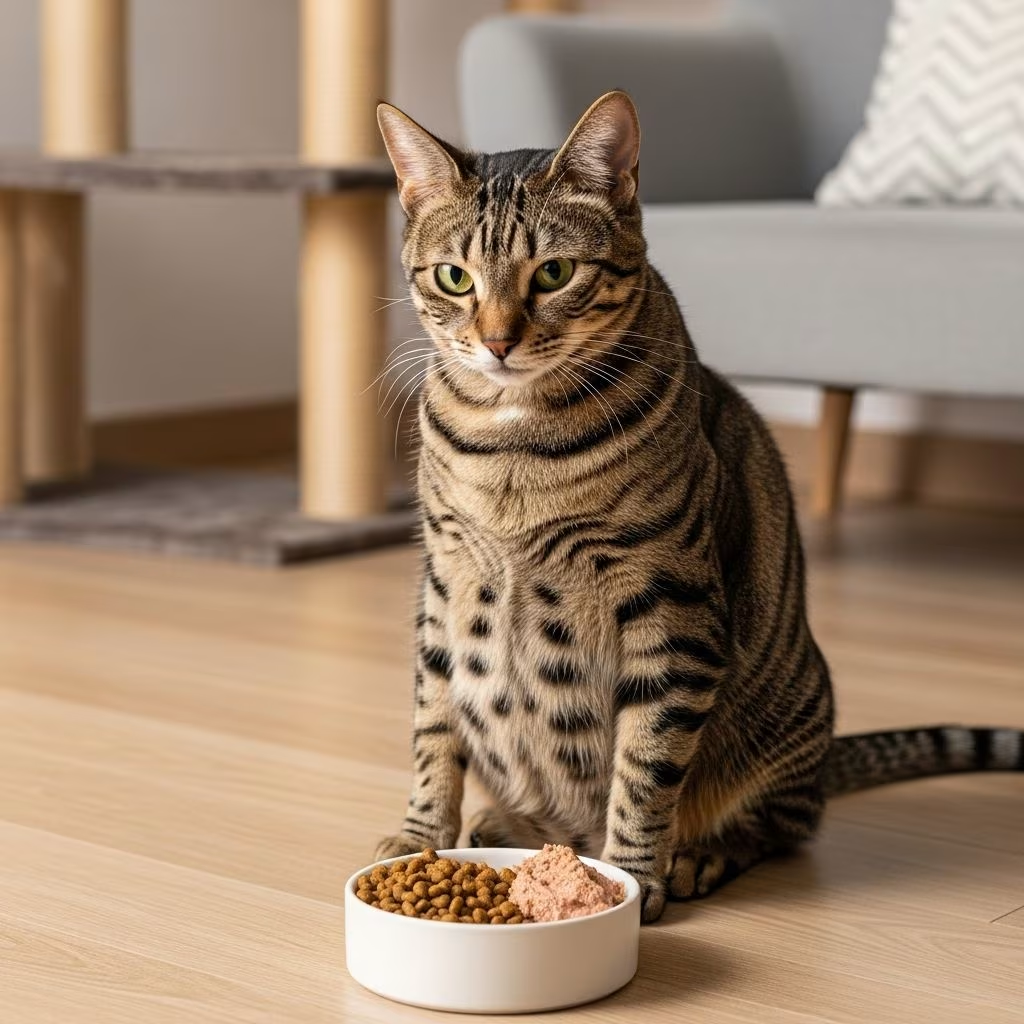
Kitten food is inherently higher in protein and calories compared to standard adult cat food, which means your pregnant cat can consume less volume while still meeting her increased nutritional needs. Many pet owners find it beneficial to feed a combination of both wet and dry kitten food. Dry food is more nutritionally dense, allowing the cat to obtain concentrated nutrition, while wet food helps maintain proper hydration during this demanding period.
It is wise to transition your cat to her new diet before breeding and pregnancy occurs. This approach prevents unnecessary digestive stress and allows her system to adjust to the new food gradually. A gradual transition lasting one to two weeks minimizes the risk of digestive upset and helps her body efficiently process the new, nutrient-dense formulation.
Feeding Strategies During Pregnancy
Meal Feeding for Weight Control
During the first two trimesters of pregnancy, meal feeding (providing measured portions at set times) is considered the best approach for controlling body condition and managing weight gain appropriately. This structured feeding method allows you to monitor exactly how much your cat is consuming and make adjustments as needed based on her changing body condition.
Free-Choice Feeding Considerations
As pregnancy progresses and nutritional demands increase, many pregnant cats will successfully self-manage their food intake if sufficient food is made continuously available. Keeping dry kitten food available to your cat throughout the day can encourage grazing behavior, and most cats will instinctively consume the amount they need to support their pregnancy. This free-choice feeding approach can be combined with wet food supplements during mealtimes to ensure balanced nutrition and adequate hydration.
Amount and Frequency
Your pregnant cat will gradually eat increasingly more throughout her pregnancy to meet her expanding caloric needs. By the end of her pregnancy, she will typically be consuming approximately 1.5 times the amount of food she ate before pregnancy. Feeding multiple small meals during the final trimester is particularly advantageous because it helps maintain consistent energy levels and prevents the mother from becoming overly full, which can cause discomfort given the limited space available in her abdomen as the kittens grow.
Post-Birth Feeding: Supporting Lactation
Immediate Post-Partum Nutrition
Once the kittens are born, the mother suddenly has considerably more space in her stomach and can increase her food intake substantially. However, because lactation is one of the most energy-demanding physiological states a cat can experience, the food provided must be energy-dense. If the food lacks sufficient caloric density, the mother will not be physically able to eat enough volume to sustain adequate milk production while maintaining her own weight and body condition.
Free-Choice Feeding During Lactation
During the first three to four weeks of lactation, free-choice feeding provides several distinct advantages. The nursing mother can eat on her own schedule, consuming smaller amounts each time she visits her food bowl, which accommodates the frequent interruptions associated with nursing. Additionally, free-choice feeding allows kittens to begin sampling solid food as soon as they are developmentally able, typically around three weeks of age.
However, free-choice feeding is not advisable if the mother is nursing only one or two kittens. In these cases, unrestricted feeding can lead to excessive milk production, potentially predisposing the mother to mastitis, an inflammation of the milk glands that causes pain and discomfort.
Monitoring and Adjusting Portions
Throughout the lactation period, it is best to continue feeding a commercially prepared kitten food from a reputable manufacturer. Regular assessments of the mother’s body condition provide valuable opportunities to fine-tune her daily food portions. As she eats, her kittens gradually learn to enjoy kitten food by observing and imitating her eating behavior, creating a natural transition to solid food.
Managing the Weaning Transition
The weaning process requires a carefully managed approach to feeding the mother cat to smoothly reduce milk production and help her return to comfort. Restricting the mother’s food intake before and during the weaning period will naturally reduce her milk production and make her physically more comfortable.
Weaning Schedule
- Day One: Withhold the mother’s food entirely but provide unlimited clean, fresh water. Begin offering solid kitten food to the kittens while they are separated from their mother. The kittens and mother can be together at night, and the kittens may nurse somewhat.
- Day Two: Separate the kittens from the mother and feed her approximately 25% of her pre-breeding portion of the adult food she consumed before late gestation and lactation. Continue providing unlimited clean, fresh water. Prevent kittens from nursing during this period, as continued nursing delays the drying-up process.
- Days 3-7: Over the next four to five days, gradually increase her daily food amount back to her full pre-breeding portions while continuing to keep kittens separated from nursing opportunities.
Post-Weaning Diet
Once weaning is completely finished and your cat has returned to her pre-breeding calorie intake, you can transition her back to adult maintenance food or keep her on an all-life-stages diet if preferred. The key is ensuring a smooth transition that allows her metabolism to adjust to her normal, non-reproductive nutritional requirements.
Prevention of Pregnancy-Related Complications
Proper nutrition plays a critical role in preventing serious pregnancy-related complications. One particularly important condition is eclampsia, which can occur in lactating cats. To help prevent eclampsia and other nutritional deficiency-related conditions, all pregnant cats should be fed a high-quality diet specifically formulated for pregnant and nursing mothers that is rich in essential vitamins and minerals, particularly calcium. Regular veterinary check-ups throughout pregnancy help identify any nutritional concerns early.
Frequently Asked Questions About Feeding Pregnant Cats
Q: How long is a cat’s pregnancy?
A: A typical feline pregnancy lasts 63 to 65 days, though it can range from 58 to 70 days depending on individual factors. Consult your veterinarian if pregnancy extends beyond 70 days.
Q: When should I change my cat’s diet during pregnancy?
A: It is ideal to transition your cat to kitten food before breeding occurs to prevent digestive stress. If your cat is already pregnant, begin the transition immediately using a gradual process over one to two weeks.
Q: How much should a pregnant cat eat?
A: During the first two trimesters, her requirements are similar to a young adult cat. By the end of pregnancy, she will typically eat about 1.5 times her normal amount. During lactation, requirements can increase to twice her pre-pregnancy level.
Q: What is the best type of food for a nursing cat?
A: A commercially prepared kitten food from a reputable company formulated for gestation, lactation, or all life stages is ideal. The food should be energy-dense to support milk production.
Q: Should I use free-choice or meal feeding?
A: During the first two trimesters, meal feeding helps control weight gain. During late pregnancy and early lactation, free-choice feeding can be beneficial, though it should be avoided if the mother is nursing only one or two kittens.
Q: How long should kittens remain nursing?
A: Kittens rely on their mother for nutrition for at least the first six weeks of life, though they can begin sampling solid food around three weeks of age and typically wean around four to five weeks.
Q: What happens if I overfeed my pregnant cat?
A: Overfeeding can lead to obesity at the end of pregnancy, increasing the risk of difficult or prolonged labor and causing additional stress on the developing kittens.
Q: What are the risks of underfeeding during pregnancy?
A: Underfeeding can result in embryo loss, abnormal fetal development, spontaneous abortion or stillbirths, smaller litter size, and low birth-weight kittens that may have difficulty thriving.
Creating a Comprehensive Nutrition Plan
With guidance from your family veterinarian, you can create a nutritionally sound, individualized plan for your cat’s pregnancy and lactation journey. This customized approach will be invaluable for setting the stage for delivering healthy, robust kittens and ensuring the mother’s recovery and well-being throughout this demanding life stage. Your veterinarian can provide specific recommendations based on your cat’s current health status, body condition, age, and any pre-existing health conditions that might affect nutritional requirements.
Regular monitoring appointments allow your veterinarian to assess the mother’s body condition, adjust feeding recommendations as needed, and identify any emerging health concerns early. This proactive approach to prenatal care significantly improves outcomes for both the mother and her kittens, contributing to a successful breeding experience and healthy litters.
References
- Feeding the Pregnant Cat — VCA Animal Hospitals. 2024. https://vcahospitals.com/know-your-pet/feeding-the-pregnant-cat
- Pregnancy and Parturition in Cats — VCA Animal Hospitals. 2024. https://vcahospitals.com/know-your-pet/pregnancy-and-parturition-in-cats
- Feeding the Nursing Cat — VCA Canada Animal Hospitals. 2024. https://vcahospitals.com/know-your-pet/feeding-the-nursing-cat
- Eclampsia in Cats — VCA Animal Hospitals. 2024. https://vcahospitals.com/know-your-pet/eclampsia-in-cats
- Pregnant Cat Diet Guide: Everything You Need to Know — PawTracks. 2024. https://www.pawtracks.com/cats/pregnant-cat-diet-guide/



