

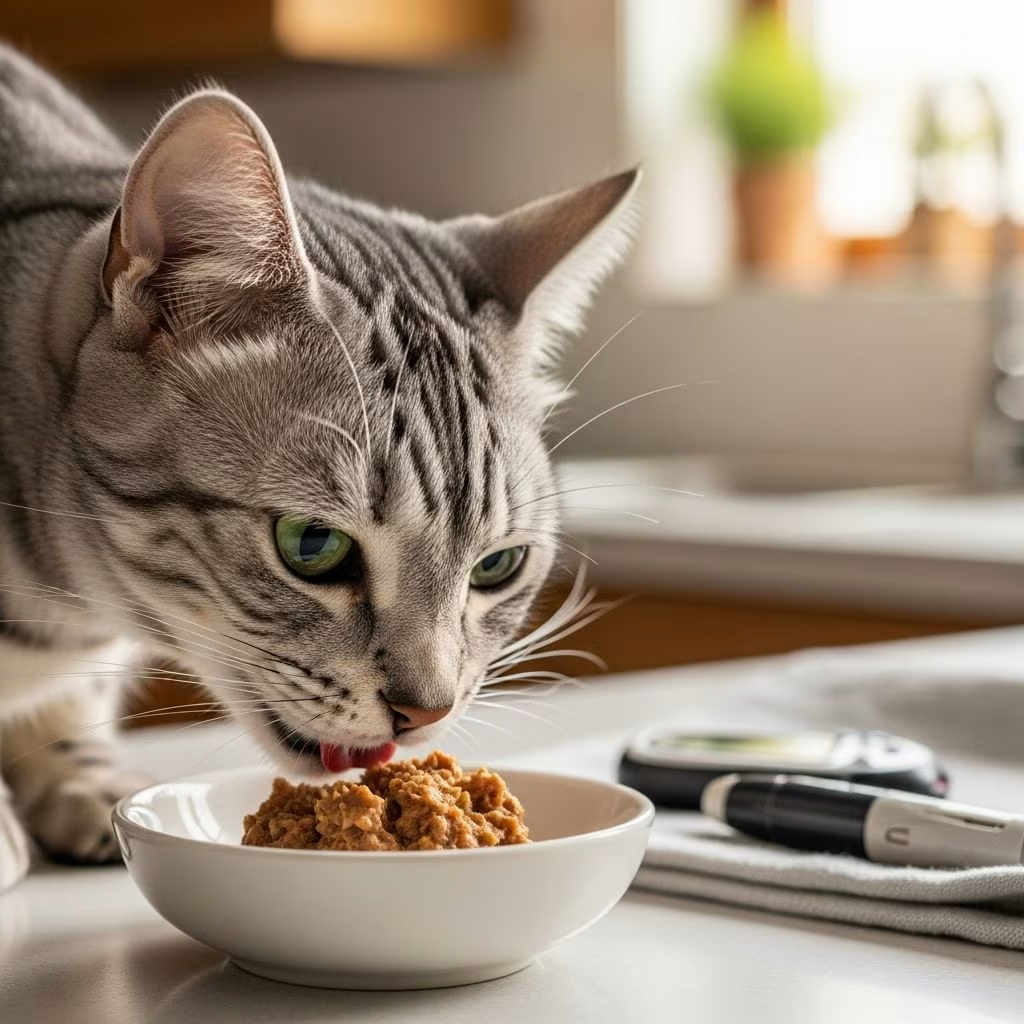
Proper nutrition plays a pivotal role in managing diabetes in cats, helping to regulate blood glucose levels alongside insulin therapy. Unlike healthy cats that naturally nibble small amounts throughout the day, diabetic felines require structured approaches to prevent dangerous fluctuations in sugar levels. This guide explores evidence-based feeding methods, diet recommendations, and practical schedules tailored to individual needs.
Understanding Feline Diabetes and Nutrition’s Role
Diabetes mellitus in cats disrupts the body’s ability to process glucose due to insufficient insulin production or response. Feeding strategies must align with insulin administration to avoid hypoglycemia or hyperglycemia. Research shows normal cats eat 12-20 small meals daily when food is available ad libitum, a pattern diabetic cats can mimic under certain conditions without post-prandial spikes. Veterinary guidelines emphasize consistent intake to match insulin peaks, often recommending two meals per day synchronized with injections.
Key factors influencing feeding include the cat’s weight, insulin type (e.g., glargine or lente), and preference for grazing versus set meals. Overweight diabetic cats benefit from calorie-controlled portions to promote weight loss, while lean cats may thrive on free-choice low-carb foods.
Core Principles of Diabetic Cat Diets
Focus on high-protein, low-carbohydrate foods to minimize glucose spikes. Prescription diets formulated for diabetes reduce carbs to under 10-12% on a dry matter basis, promoting better glycemic control. Wet foods are preferable due to higher moisture content, aiding hydration and reducing concentrated carbs.
- Protein Priority: Aim for 40-50% protein to maintain muscle mass and satiety.
- Low Carbs: Limit to 5-10% to stabilize blood sugar; avoid grain-heavy kibble.
- Moderate Fat: 20-40% for energy without excess calories.
- Fiber Inclusion: Soluble fibers slow glucose absorption in some formulas.
Transition slowly over 7-10 days to prevent digestive upset. Monitor appetite closely, as diabetic cats may show increased hunger initially.
Comparing Feeding Schedules: Meals vs. Grazing
Debate persists on timed meals versus ad libitum feeding. Studies indicate no significant post-feeding hyperglycemia in diabetic cats on typical diets, suggesting ad libitum may suit grazers. However, clinics often advocate twice-daily meals for reliability, especially with short-acting insulins.
| Approach | Pros | Cons | Best For |
|---|---|---|---|
| Twice-Daily Meals | Predictable intake; syncs with insulin; controls portions | May stress non-meal eaters; risk of skipping meals | Overweight cats; once/twice-daily insulin |
| Ad Libitum/Grazing | Matches natural habits; reduces stress; steady energy | Hard to monitor intake; unsuitable for obese cats | Lean cats; long-acting insulin; low-carb diet |
| Multiple Small Meals (3-4/day) | Minimizes spikes; flexible for busy owners | Requires precise timing; more effort | Snackers; variable insulin needs |
UC Davis recommends grazing for habitual grazers on high-protein diets, prioritizing consistent eating over rigid timing. Cornell notes controversy but supports free-choice with low carbs and long-acting insulin.
Sample Feeding Schedules for Daily Routines
Customize based on insulin protocol. For glargine (every 12 hours), feed 50% of daily calories at each injection time.
Standard Twice-Daily Schedule
Ideal for most owners: Morning meal at 7-8 AM with insulin, evening at 7-8 PM.
- 7:00 AM: 50% daily food + insulin injection. Observe eating 15-30 min.
- 12:00 PM: Small snack (10-20% if needed).
- 7:00 PM: 50% daily food + insulin. No night snacks.
Weigh food precisely; adjust based on blood glucose curves.
Grazing Protocol for Low-Carb Diets
Measure 24-hour allotment in the morning, refresh bowl twice daily.
- 8:00 AM: Provide half daily portion + morning insulin.
- 8:00 PM: Refresh remaining half + evening insulin.
- Monitor via daily weigh-ins; discard uneaten after 24h.
Suitable if cat eats steadily without overconsuming.
Three-Meal Option for Picky Eaters
- 7 AM: 40% + insulin.
- 2 PM: 20% snack.
- 7 PM: 40% + insulin.
This breaks up intake, reducing begging and aiding control.
Integrating Insulin with Meals: Timing Essentials
Administer insulin only after confirming the cat will eat. Feed 10-20 minutes post-injection to match peak action. If meals are skipped, withhold insulin and contact your vet to prevent lows. Blood glucose monitoring (home glucometers) every 2-4 weeks refines schedules.
Normal cats spike intake 2 hours post-food placement, but diabetics show no excessive hyperglycemia, allowing flexibility. Vary injection times by 1-2 hours if life demands it without major impact.
Monitoring Progress and Adjustments
Track weight weekly, glucose curves monthly. Ideal fasting glucose: 100-300 mg/dL; post-prandial under 400 mg/dL. Signs of issues: lethargy, vomiting, or polyuria signal vet visit.
- Appetite Log: Note intake daily.
- Body Condition Score: Aim for 4-5/9.
- Re-evals: Every 4 weeks initially.
Remission possible in 20-50% with tight early control via diet and insulin.
Special Considerations for Multi-Cat Homes
Use microchip feeders or separate rooms for measured portions. Graze only if all cats are non-diabetic or monitored closely.
Frequently Asked Questions
Can diabetic cats eat dry food?
Prefer wet, but low-carb dry is acceptable if hydrated and portioned. Carbs matter more than form.
What if my cat skips a meal?
Skip insulin dose; offer tempting food. Call vet if repeated.
Is weight loss safe for diabetics?
Yes, gradual loss improves sensitivity. Reduce calories 10-20%.
How to switch foods?
Mix 25% new with 75% old, increasing over 7 days.
Can treats fit in?
Low-carb only, under 10% daily calories.
Long-Term Success Strategies
Consistency yields results. Partner with vets for curves and tweaks. Many cats achieve stable control, enhancing lifespan and vitality.
References
- Food Intake and Blood Glucose in Normal and Diabetic Cats Fed Ad Libitum — PMC/NCBI. 2000-01-01. https://pmc.ncbi.nlm.nih.gov/articles/PMC10822370/
- Diabetes Mellitus in Cats – Owner Instructions — UC Davis Veterinary Medicine. 2023-01-01. https://healthtopics.vetmed.ucdavis.edu/health-topics/feline/diabetes-mellitus-cats-owner-instructions
- Diabetic Cats — Sunnyside Veterinary Clinic. 2024-01-01. https://www.sunnysidevetclinic.com/diabeticcat
- Feeding Times and Frequency for Cats — VCA Animal Hospitals. 2023-01-01. https://vcahospitals.com/know-your-pet/feeding-times-and-frequency-for-cats
- Diabetic Cat Protocol — American Pets Alive!. 2022-01-01. https://americanpetsalive.org/uploads/resources/Austin-Pets-Alive-Diabetic-Cat-Protocol-52F6.pdf
- Feline Diabetes — Cornell University College of Veterinary Medicine. 2024-01-01. https://www.vet.cornell.edu/departments-centers-and-institutes/cornell-feline-health-center/health-information/feline-health-topics/feline-diabetes
- Diet For Diabetic Cats — Cat Specialists. 2023-01-01. https://www.catspecialists.com.au/diet-and-nutrition-for-diabetic-cats/



