

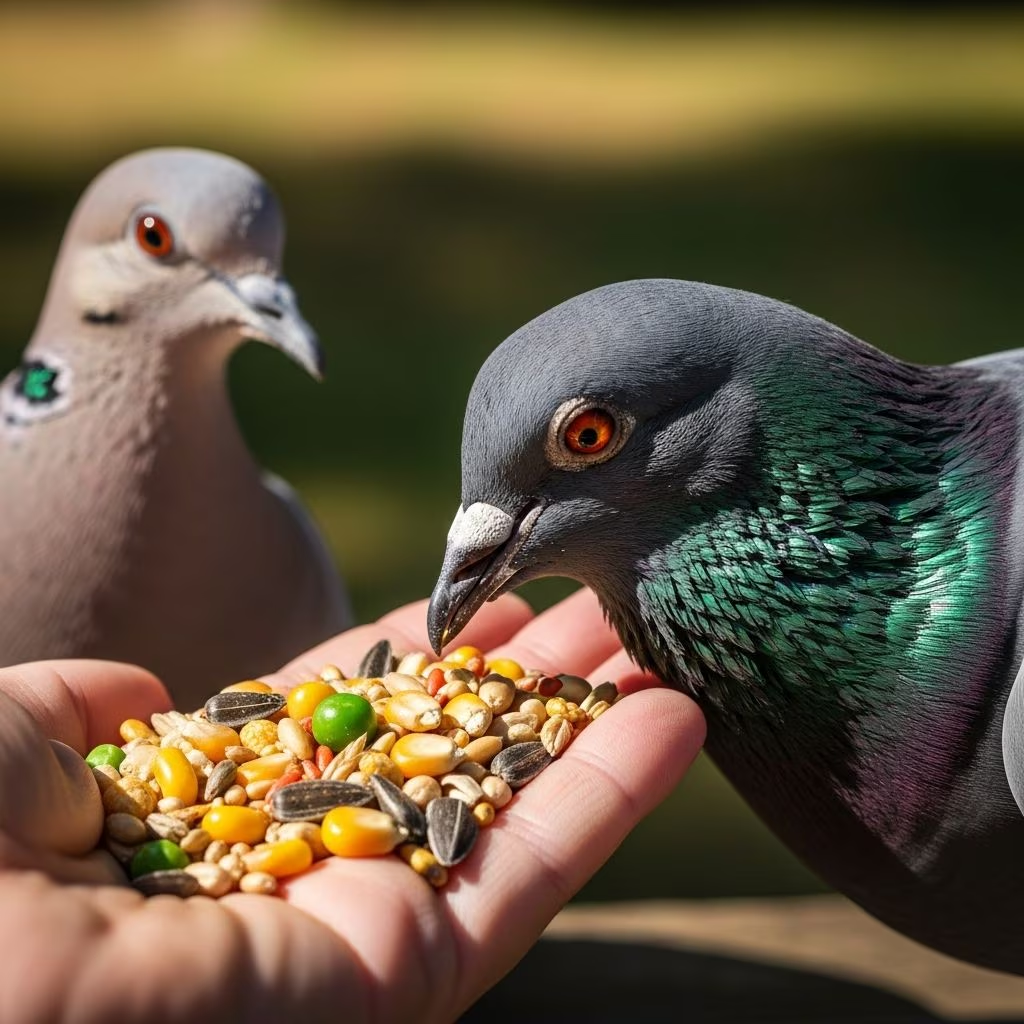
Feeding Pigeons and Doves: A Complete Nutritional Guide
Pigeons and doves are popular pet birds that require proper nutrition to thrive and maintain optimal health. Unlike many other bird species, pigeons and doves have unique dietary requirements and feeding behaviors that owners must understand to ensure their birds live long, healthy lives. This comprehensive guide covers everything you need to know about feeding these gentle birds, from selecting appropriate foods to establishing proper feeding routines.
Understanding the Basics of Pigeon and Dove Nutrition
Pigeons and doves thrive best when meal fed, meaning they receive an appropriately sized portion of fresh food in the morning with the expectation that all food will be consumed by sunset. This feeding method differs significantly from free-feeding, where food is available continuously throughout the day. Fresh food should be provided again the following morning, and any remaining food should be removed to prevent spoilage and encourage balanced eating habits.
The meal-feeding approach offers several advantages for bird owners. It reduces seed-throwing behavior, simplifies cleanup, and most importantly, prevents overeating and selective consumption of favorite high-fat seeds. Many pigeons and doves will gorge on their preferred seeds, such as safflower, rather than consuming a balanced diet when food is available in unlimited quantities. By controlling portions through meal feeding, you ensure your birds receive complete nutrition.
Core Components of a Balanced Diet
A healthy diet for pigeons and doves should include multiple nutritional components working together to support overall health and wellbeing.
Pelleted Diets
Commercially formulated pelleted diets represent a significant advancement in avian nutrition. These professionally developed pellets are nutritionally balanced and specifically designed to meet birds’ complete dietary requirements. For pigeons and doves, which have small beaks compared to hook-billed parrots, small-sized pellets work best. Pellets should ideally comprise approximately 50% of your bird’s diet, with the remaining nutrition coming from seeds and fresh produce.
Hand-raised baby pigeons are the easiest to transition onto pelleted diets. Starting young birds on pellets from the beginning makes dietary management significantly easier throughout their lives. If you have an adult pigeon or dove that has been eating only seeds, transitioning to a pelleted diet requires patience and gradual introduction over several weeks.
Seeds and Grains
Traditionally, pigeons have been fed all-seed diets, and commercially available seed mixes for pigeons typically contain two to five different seed varieties. However, these seeds tend to be high in fat and deficient in essential nutrients, including calcium and vitamin A. Many commercial seed mixes are nutritionally incomplete and should never serve as the sole food source for your birds.
Seeds can form part of a pigeon’s or dove’s diet but should not comprise the entire diet. A balanced approach incorporates quality seed and grain mixtures as one component of a diversified feeding program. When selecting seed mixes, look for options that avoid high-fat seeds like sunflower seeds and instead provide nutrient-dense alternatives.
Fresh Vegetables and Greens
Finely chopped vegetables and greens are essential components of a pigeon’s or dove’s daily diet. Because pigeons and doves have small beaks and cannot effectively chew their food, vegetables and fruits must be shredded or cut into tiny, manageable pieces.
When offering vegetables, prioritize nutrient-dense options over watery, pale vegetables. Iceberg lettuce and celery have high water content and offer little nutritional value, so these should be avoided. Instead, select vegetables rich in vitamins and minerals:
- Dark leafy greens: kale, collard greens, silverbeet, endive, dandelion greens
- Colorful vegetables: carrots, broccoli, bell peppers, zucchini, squash
- Other options: snap peas, edamame, peas, corn, bok choy, parsley
All fruits and vegetables must be washed thoroughly to remove chemicals and pesticides before offering them to your birds. Vegetables and fruits should be offered in a separate dish from pellets and other foods to prevent contamination and make monitoring consumption easier.
Fresh Fruits
While vegetables should dominate the produce portion of your bird’s diet, small amounts of fruit can be offered as nutritious supplements. Recommended fruits include tomatoes, berries, banana, peaches, nectarines, and melons. Fruits should comprise only 5-10% of the overall diet since they are higher in natural sugars than vegetables.
Hydration and Water Management
Fresh, clean water must be available to your pigeons and doves at all times. Water should be served in a clean dish and changed daily to ensure freshness and prevent bacterial growth. Stainless steel bowls or trays are preferred over plastic products, which can harbor bacteria and chemicals.
Proper hydration is critical for digestive health and overall bodily function. Birds that do not have access to fresh water may develop health complications and refuse to eat properly. Always ensure water bowls are filled before offering food and that birds have constant access throughout the day.
Determining Appropriate Portion Sizes
Establishing the correct portion size for your individual bird prevents overeating while ensuring adequate nutrition. A practical starting point involves offering 2 tablespoons of food per bird in the morning, which is likely too much. Gradually adjust the amount downward until the portion you provide in the morning is completely consumed by evening. This personalized approach accounts for individual bird size, activity level, and metabolism.
The best guide to feeding pigeons and doves is observing the bird’s crop—the expandable pouch that hangs like a bag down the inside of a pigeon’s chest. The crop should feel soft and squidgy, like a balloon three-quarters filled with water, after feeding. This tactile assessment helps ensure your bird is receiving adequate nutrition without overeating.
Special Dietary Considerations and Supplements
Beyond the core diet of pellets, seeds, and fresh produce, pigeons and doves benefit from targeted nutritional supplements.
Grit and Oyster Shell
Controversy exists regarding the necessity of grit for pigeons and doves. While it was once believed that grit was essential for mechanical breakdown of food in the gizzard, research has shown that pigeons and doves ingest seeds whole and generally do fine without grit, unlike parrots which remove seed hulls before consuming the kernel.
However, crushed eggshell or digestible oyster shell grit can be beneficial as a calcium source and aid in food breakdown. These should be offered in small amounts, sprinkled on food like seasoning rather than provided as an unlimited supply. Many birds develop gastrointestinal problems if they consume excessive grit, so only digestible oyster shell should be offered, and quantities should remain minimal.
Multivitamin and Mineral Supplements
A professionally formulated multivitamin and mineral supplement supports optimal health, particularly for birds with restricted diets or those recovering from illness. These supplements help fill potential nutritional gaps and support immune function. Consult with an avian veterinarian about appropriate supplementation for your specific bird.
Foods to Avoid: Safety Guidelines
Certain foods are toxic to pigeons and doves and should never be offered, regardless of quantity. Additionally, some human foods may seem harmless but can cause serious health problems in birds.
Toxic Foods to Completely Avoid
- Avocado—reported to be potentially toxic to birds and should never be offered
- Garlic and onions—contain compounds harmful to birds
- Chives—similar toxins to garlic and onions
- Cherry pits, apple seeds, and rhubarb—contain cyanogenic compounds
- Chocolate—contains theobromine, toxic to birds
- Caffeine—found in coffee, tea, and cola products
- Alcoholic beverages—toxic at any quantity
- Salty foods—chips, pretzels, popcorn can cause electrolyte imbalances
- Junk food—processed foods lacking nutritional value
Foods Requiring Moderation
While birds can eat any wholesome, nutritious food that humans consume in small quantities, certain items should be limited. Dairy products should be consumed in moderation, as birds are lactose intolerant and may experience digestive upset. Human foods can supplement a bird’s diet but should never replace properly formulated avian nutrition.
Acceptable Human Foods for Pigeons and Doves
In small quantities, many wholesome human foods can be offered as nutritious treats or diet supplements. Safe options include whole grain breads, pasta, rice, beans, lentils, cooked eggs, and many vegetables and fruits already mentioned. Always ensure these foods are prepared without added salt, sugar, or harmful seasonings.
Recommended Dietary Composition
A well-balanced diet for healthy pigeons and doves should include the following proportions:
| Diet Component | Percentage of Diet | Examples |
|---|---|---|
| Grain and seed mix | 30-50% | Quality seed mix (avoid sunflower seeds) |
| Pellets | 20-30% | Small-sized commercial pellets |
| Greens and vegetables | 20-30% | Kale, collard greens, broccoli, carrots |
| Fruits | 5-10% | Berries, tomatoes, melon, peaches |
Essential Feeding Best Practices
Successful pigeon and dove care requires consistent attention to feeding practices and careful monitoring of your bird’s health and food consumption.
- Always monitor the amount of food eaten daily by each bird
- Offer fresh water every single day
- Offer small amounts of fresh vegetables or fruit daily
- Clean all food and water dishes thoroughly each day
- Remove uneaten fresh food after a couple of hours to prevent spoilage
- If a bird rejects a food one day, continue offering it on other days—preferences can change
- Use separate dishes for different food types to prevent contamination
- Maintain consistent feeding schedules to establish healthy routines
Frequently Asked Questions
Q: How often should I feed my pigeon or dove?
A: Pigeons and doves do best with meal feeding once daily in the morning, with all food consumed by sunset. Fresh food is offered again the following morning. This differs from free-feeding, which can lead to overeating and nutritional imbalances.
Q: Can I feed my pigeon or dove table scraps?
A: Yes, any wholesome, nutritious food that you and your family eat can be offered to your bird in small quantities. However, avoid junk food, chocolate, salty foods, dairy products in large amounts, caffeine, and alcoholic beverages. Table scraps should supplement, not replace, proper avian nutrition.
Q: Why is my pigeon throwing seeds everywhere?
A: Seed-throwing typically indicates overeeding. When pigeons and doves have excess food available, they selectively eat their favorite seeds (often high-fat varieties like safflower) and throw aside less-preferred options. Reducing portion sizes through meal feeding corrects this behavior and encourages balanced nutrition.
Q: Does my bird need grit?
A: Pigeons and doves do fine without grit, unlike parrots. However, small amounts of digestible oyster shell or crushed eggshell can support calcium intake and aid digestion. Offer only tiny amounts sprinkled on food, as excessive grit consumption can cause gastrointestinal problems.
Q: What vegetables should I avoid feeding my pigeon or dove?
A: Avoid pale, watery vegetables like iceberg lettuce and celery, which offer minimal nutritional value. Never feed avocado, as it is potentially toxic. Focus on dark, nutrient-rich greens and colorful vegetables for maximum health benefits.
Q: How can I tell if my bird is eating the right amount?
A: The portion is correct when all food provided in the morning is completely consumed by evening. Additionally, the bird’s crop should feel soft and squidgy, like a balloon three-quarters filled with water, after feeding. Start with 2 tablespoons and adjust downward as needed.
Q: Can pigeons and doves eat pellets exclusively?
A: While high-quality pellets are nutritionally complete, the most balanced approach includes pellets as 20-30% of the diet, supplemented with seeds, fresh vegetables, and fruits. This varied diet provides enrichment and ensures comprehensive nutrition from multiple food sources.
Conclusion
Proper nutrition is fundamental to keeping pigeons and doves healthy, active, and content. By understanding their specific dietary needs, implementing meal-feeding routines, and providing a diverse diet of quality pellets, seeds, fresh vegetables, and fruits, you create the foundation for lifelong wellness. Consistency in feeding practices, careful monitoring of food consumption, and regular fresh water availability ensure your birds receive optimal nutrition. When questions or concerns arise about your bird’s diet or health, consulting with an avian veterinarian provides professional guidance tailored to your specific bird’s needs. With attention to these feeding guidelines, your pigeons and doves will thrive and provide years of companionship.
References
- Pigeon Feeding and Dove Feeding Care Guide — Palomacy. https://www.pigeonrescue.org/birds/care/pigeon-feeding-dove-feeding/
- Feeding Pigeons and Doves — Brampton Veterinarian. https://bramptonveterinarian.com/feeding-pigeons-and-doves/
- Feeding Pigeons and Doves — VCA Animal Hospitals. https://vcahospitals.com/know-your-pet/pigeons-and-doves-feeding
- Pigeon & Dove Care — Unusual Pet Vets Australia. https://www.unusualpetvets.com.au/pigeon-and-dove-care/
- How Much to Feed Pigeons and Doves — Pigeon and Dove Rescue UK. https://www.pigeonrescue.sirtobyservices.com/caring-for-a-baby-pigeon/howmuchtofeed/
- Pigeon & Dove Care Guide — Oregon Humane Society. 2024. https://www.oregonhumane.org/wp-content/uploads/2024/08/OHS-Guide-Pigeon-Dove-Care.pdf



