

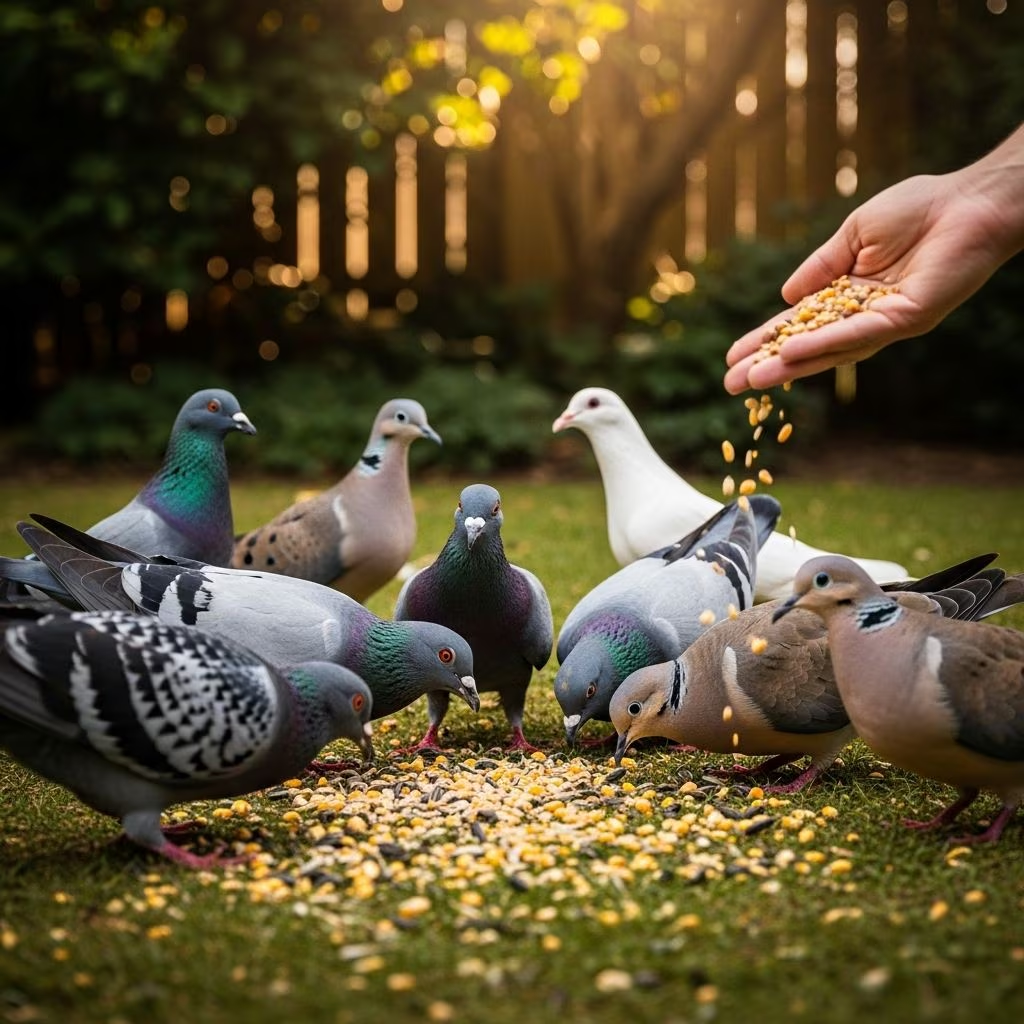
Feeding Pigeons and Doves: A Comprehensive Nutritional Guide
Proper nutrition is essential for maintaining the health and longevity of pigeons and doves. These birds have specific dietary requirements that differ significantly from other pet bird species. Understanding what to feed your pigeons and doves, how much to provide, and how often to feed them will help ensure they thrive in your care. This comprehensive guide covers everything you need to know about pigeon and dove nutrition.
Understanding the Nutritional Needs of Pigeons and Doves
Pigeons and doves require a balanced diet that combines multiple food sources to meet their complete nutritional requirements. Unlike many other bird species, these birds have small beaks that require specially sized food components. A well-rounded diet should include professionally formulated foods, natural food sources, supplements, and fresh produce to ensure optimal health and vitality.
Core Components of a Balanced Diet
Pelleted Diets
Commercial pelleted diets form the foundation of modern pigeon and dove nutrition. These scientifically formulated foods are designed to meet all of the nutritional needs that pigeons and doves require. Because pigeons and doves have smaller beaks compared to hook-billed parrots, they perform best with small-sized pellets specifically manufactured for their species. Pelleted diets should ideally represent approximately 50 percent of your bird’s total daily diet. Hand-raised baby birds are typically the easiest to transition onto pelleted diets, as they readily accept new food sources during their developmental stages.
Seeds and Grains
While seeds have traditionally been the primary food source for pigeons, they should not comprise the entire diet. Commercial seed mixes available for pigeons may contain 2 to 5 different types of seeds but tend to be high in fat and lacking in essential nutrients. These traditional seed mixtures are often deficient in calcium, vitamin A, and other vital nutrients necessary for optimal health. Seeds should constitute only a small portion of the overall diet, typically accounting for no more than 20 to 30 percent of daily food intake. When selecting seeds, avoid mixes containing sunflower seeds, which are particularly high in fat content.
Fresh Fruits and Vegetables
Fresh produce plays a crucial role in providing essential vitamins, minerals, and dietary fiber. Finely chopped vegetables and greens, along with smaller amounts of fruit, should be offered daily as part of your pigeon’s or dove’s diet. Due to their small beaks, vegetables and fruits must be shredded or cut into tiny, manageable pieces. All fresh produce must be thoroughly washed to remove any chemical residues or pesticides before feeding.
Pale vegetables with high water content and minimal nutritional value, such as iceberg lettuce and celery, should not be offered regularly. Instead, focus on nutrient-dense options including bok choy, silverbeet, collard greens, endive, kale, parsley, broccoli, zucchini, capsicum, peas, and squash. For fruit options, consider tomatoes, berries, bananas, peaches, nectarines, and melons in limited quantities, as fruits should represent only 5 to 10 percent of the total diet.
Essential Supplements and Minerals
Grit and Oyster Shell
Because pigeons and doves eat seeds whole rather than cracking them with their beaks, they require grit and crushed oyster shell to aid in the breakdown of food within their digestive system. These materials help grind up harder seeds in the gizzard, facilitating proper digestion. However, only digestible oyster shell should be offered, and it should be provided in limited quantities—sprinkled on food like a seasoning rather than made available in unlimited supply. Many birds experience gastrointestinal problems if they consume excessive amounts of grit, making moderation essential.
Vitamin and Mineral Supplements
High-quality avian vitamin and mineral supplements should be added to your birds’ food to ensure they receive complete nutrition. Recommended supplements include Lafeber’s, Morning Glory Calcium Plus, Nekton-S, Petamine, and Kaytee’s Molting and Conditioning products. These supplements should be mixed directly into the bird’s food rather than added to water. Use only one supplement at a time, combining it with just a small amount of grit, applied the way you would use salt and pepper on food.
Daily Diet Composition Guidelines
A properly balanced diet for pigeons and doves should follow these proportions:
| Diet Component | Percentage | Purpose |
|---|---|---|
| Pelleted Diet | Approximately 50% | Complete nutritional foundation |
| Seeds and Grains | 20-30% | Energy and natural foraging behavior |
| Greens and Vegetables | 20-30% | Vitamins, minerals, and fiber |
| Fruits | 5-10% | Additional vitamins and variety |
Proper Feeding Methods and Portions
Meal Feeding Approach
Pigeons and doves perform best when meal fed, meaning they receive an appropriately sized portion of fresh food in the morning with the expectation that all food will be consumed by sunset. Fresh food is then provided again the following morning. This feeding method encourages natural eating patterns and prevents selective feeding behaviors.
To determine the correct portion size, start with approximately 2 tablespoons per bird—which is likely too much—and then adjust the amount downward until the portion you provide in the morning is completely consumed by evening. If your birds have substantial food remaining at sunset, they are likely being overfed and gorging on their favorite high-fat seeds rather than consuming a balanced diet. Proper portioning also reduces seed-throwing behavior and simplifies cleanup tasks.
Monitoring Food Intake
Always monitor the amount of food eaten every day by each bird. This practice helps you identify changes in appetite, which can indicate health issues. If you notice a bird eating significantly more or less than usual, schedule a veterinary examination to rule out underlying medical conditions.
Vegetables and Fruits to Include
When offering vegetables and fruits, select nutrient-dense options that provide maximum nutritional benefit:
Recommended Vegetables
Carrots, broccoli, snap peas, dandelion greens, kale, cauliflower, bell peppers, bok choy, silverbeet, collard greens, endive, zucchini, capsicum, peas, and squash are all excellent choices. These vegetables should be finely chopped or grated to accommodate your bird’s small beak size. Spinach can be offered in small amounts, though it should not be a staple due to its oxalic acid content.
Recommended Fruits
Suitable fruit options include tomatoes, various berries, bananas, peaches, nectarines, and melons. Remember that fruits should represent only a small portion of the overall diet due to their natural sugar content. All fruits and vegetables must be thoroughly washed to remove chemical residues before feeding.
Foods to Avoid
Certain foods are toxic to pigeons and doves and should never be offered:
- Avocado—potentially toxic to birds
- Chocolate—contains theobromine, which is toxic to birds
- Salt and heavily salted foods
- Onions, garlic, and chives
- Rhubarb leaves
- Apple seeds and cherry pits—contain cyanogenic compounds
- Caffeine-containing products
- Old or spoiled food items
Water and Hydration
Fresh, clean water must be available at all times. Water should be provided in a clean dish every single day. Stainless steel bowls or trays are preferred over plastic products, as plastic can harbor bacteria and may not be as easy to keep clean. An “automatic” waterer—an upside-down container that feeds into a tray-like base—is one of the best ways to provide continuous water access while maintaining cleanliness.
General Feeding Reminders and Best Practices
Daily Care Checklist
- Offer fresh water every day in a clean dish
- Offer small amounts of fresh vegetables or fruit every day
- Clean all food and water dishes daily to prevent bacterial growth
- Monitor the amount of food consumed by each bird daily
- Remove any uneaten fresh food after a couple of hours to prevent spoilage
- Always provide fresh, clean water at all times
Food Preferences and Acceptance
If a bird rejects a particular food item one day, do not assume it will never accept that food. Birds can be selective and their preferences may change. Continue offering rejected foods periodically, as acceptance may develop over time. If a bird develops a particular preference for one food item, reduce its volume or temporarily stop feeding it to encourage consumption of other foods and maintain dietary balance.
Frequently Asked Questions About Pigeon and Dove Feeding
Q: Can pigeons and doves eat sunflower seeds?
A: Sunflower seeds should be avoided as they are very high in fat content. Seed mixes containing sunflower seeds can contribute to obesity and nutritional imbalances when fed in large quantities.
Q: How often should I feed my pigeons and doves?
A: Pigeons and doves should be fed once daily using the meal feeding method, with fresh food provided in the morning and ideally all consumed by sunset. Fresh water, however, should be available at all times.
Q: Are pelleted diets necessary for healthy pigeons and doves?
A: Yes, pelleted diets are highly recommended as they provide complete and balanced nutrition. Commercial pelleted diets should constitute approximately 50 percent of your bird’s daily diet to ensure all nutritional requirements are met.
Q: How should vegetables be prepared for pigeons and doves?
A: All vegetables and fruits must be thoroughly washed to remove chemical residues. Due to pigeons’ and doves’ small beaks, vegetables and fruits should be shredded or cut into tiny, manageable pieces rather than offered whole.
Q: What is the purpose of grit in a pigeon’s diet?
A: Grit and crushed oyster shell help grind up seeds in the gizzard, facilitating proper digestion. However, only digestible oyster shell should be offered in small amounts, as excessive grit consumption can cause gastrointestinal problems.
Q: Can I feed my pigeons and doves the same food every day?
A: While maintaining a consistent diet structure is important, offering variety within the recommended food categories helps ensure complete nutrition and provides enrichment. Vary the types of vegetables, fruits, and seed options regularly while maintaining appropriate proportions.
Q: What vitamin supplements are best for pigeons and doves?
A: Quality avian vitamin and mineral supplements such as Lafeber’s, Morning Glory Calcium Plus, Nekton-S, Petamine, and Kaytee’s Molting and Conditioning are recommended. Mix the supplement directly into food rather than water, using only one product at a time.
Q: How do I know if I’m feeding the correct amount?
A: Start with approximately 2 tablespoons per bird and adjust downward until all food is consumed by sunset with minimal or no leftovers. Monitor daily food intake to ensure appropriate portions and identify any changes in appetite.
Conclusion
Feeding pigeons and doves properly requires understanding their unique nutritional needs and providing a balanced diet composed of high-quality pellets, appropriate seeds, fresh produce, and essential supplements. By following these guidelines, monitoring daily food intake, maintaining consistent feeding schedules, and ensuring access to fresh water, you can help your pigeons and doves thrive throughout their lives. Remember that every bird is an individual, so be prepared to adjust portions and food options based on your specific bird’s needs and preferences. When in doubt, consult with an avian veterinarian to ensure your feeding practices support optimal health.
References
- Pigeon feeding & dove feeding — Palomacy. 2024. https://www.pigeonrescue.org/birds/care/pigeon-feeding-dove-feeding/
- Feeding Pigeons and Doves — VCA Animal Hospitals. 2024. https://vcahospitals.com/know-your-pet/pigeons-and-doves-feeding
- Pigeon & Dove Care — Oregon Humane Society. 2024. https://www.oregonhumane.org/pigeon-dove-care/
- Feeding Pigeons and Doves — Brampton Veterinarian. 2024. https://bramptonveterinarian.com/feeding-pigeons-and-doves/
- Pigeon & Dove Care – Learn How to Take Care of These Birds — Unusual Pet Vets Australia. 2024. https://www.unusualpetvets.com.au/pigeon-and-dove-care/



