

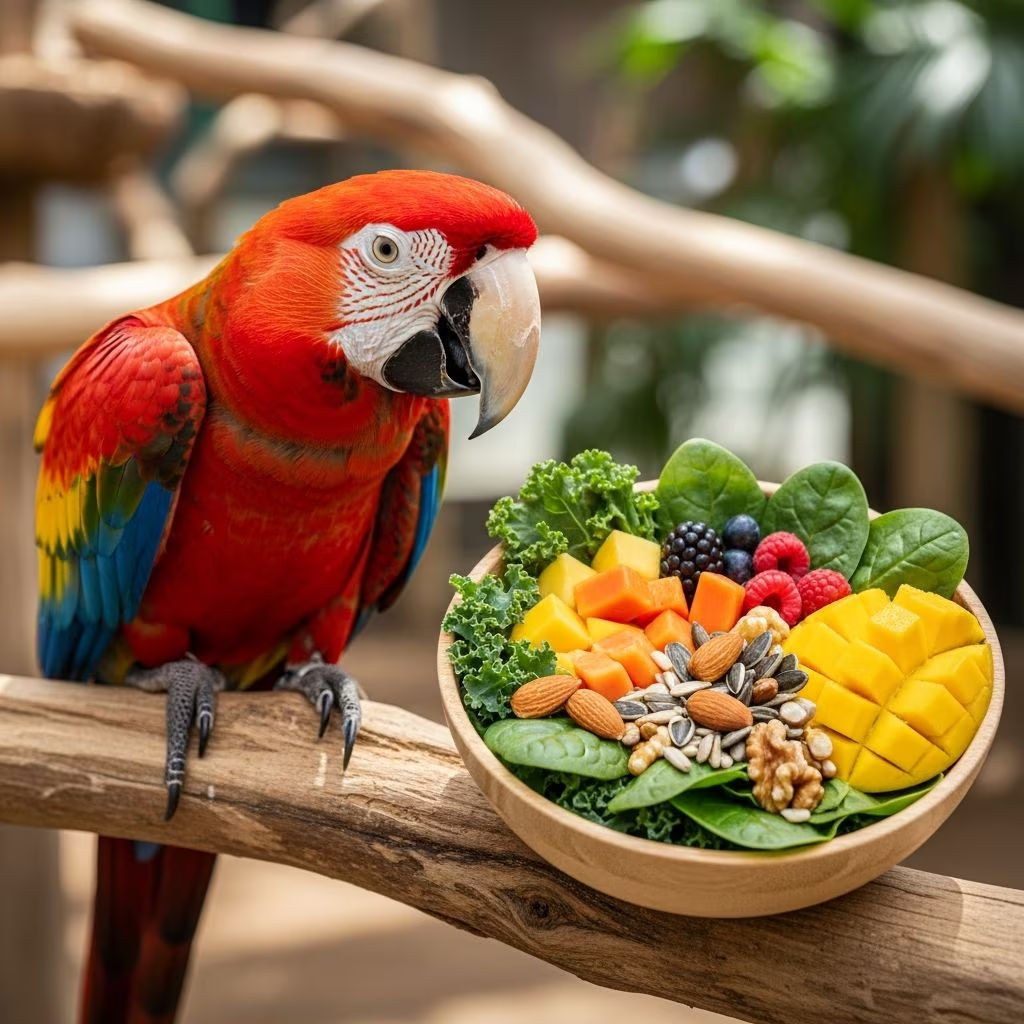
Understanding Macaw Dietary Needs
Macaws are large, intelligent parrots with specific nutritional requirements that differ from many other bird species. Wild macaws feed in the treetops and consume a diverse diet of seeds, nuts, fruits, berries, leaves, and other vegetation, with palm nuts being their favorite food source. As a responsible pet owner, it is essential to replicate this natural diet as closely as possible to ensure your macaw remains healthy, active, and content throughout its long lifespan.
Understanding what macaws eat in their natural habitat provides valuable insight into their captive nutrition needs. These magnificent birds have evolved to consume nutrient-dense foods that support their high energy requirements and maintain their vibrant plumage and cognitive abilities. Macaws have a higher fat requirement in their diet than other bird species, which influences the types and quantities of foods you should provide.
The Foundation: Pelleted Diets for Macaws
The recommended diet for macaws is pelleted food formulated specifically for birds. Several brands of commercial pellets are available in different shapes, sizes, and colors, each designed to meet the specific nutritional needs of parrots. Pellets have been scientifically developed to provide most of your bird’s essential nutritional requirements in a convenient, consistent format.
Hand-raised baby macaws should be started on pelleted diets from an early age, making the transition to solid foods smooth and establishing healthy eating habits. Mature macaws may present more of a challenge when converting to pelleted diets, as they may be accustomed to seed-based diets. However, a gradual transition process can successfully wean older birds off seeds and onto healthier pelleted options.
Different formulations of pellets are available for different life stages of your macaw. Whether you have a young macaw developing into adulthood or a mature bird in its prime years, specialized pellet formulations can support their specific health requirements. Pellets should ideally represent approximately 75 to 80 percent of the bird’s daily diet, with vegetables, nuts, and a small amount of fruit making up the remaining 20 percent.
If your macaw is currently on an all-seed diet, gradually offer your bird fewer seeds while replacing them with healthier options such as fortified bird pellets and a limited amount of fresh table food. This gradual transition helps your bird adjust to the new diet while eventually consuming a more properly balanced nutritional profile.
Fresh Vegetables and Fruits: Essential Supplements
Fresh produce is vital to your macaw’s health, providing essential vitamins, minerals, and antioxidants that support immune function and overall vitality. The daily diet should be supplemented with approximately half a cup of fresh fruits and vegetables, thoroughly washed to remove any pesticides or harmful residues.
Vegetables should make up the majority of your macaw’s fresh food intake. Provide a variety of nutritious options including green and yellow vegetables such as broccoli (limited to twice weekly), carrots, romaine lettuce, green beans, squash, zucchini, cucumbers, and bell peppers. These vegetables are rich in vitamins A and C, which are crucial for maintaining your macaw’s vibrant coloration and supporting its immune system.
Fresh fruits can be offered in moderation, with preference given to lower-sugar options. Suitable fruits for macaws include apples (with seeds removed), strawberries, kiwi, papayas, and melons. Other options like oranges, bananas, grapes, and mangoes can be offered occasionally, though high-acid fruits should be limited due to their sugar content. Always remove any seeds, pits, or skins that may be harmful before offering fruits to your macaw.
Foods to strictly avoid include avocado, onions, garlic, and rhubarb, as these are toxic to parrots and can cause serious health complications. Always wash fresh produce thoroughly before serving and ensure all items are cut into appropriately sized pieces for safe consumption.
Nuts: Nutrient-Dense Treats and Foraging Opportunities
Due to their higher fat requirement, macaws can be given a few tree-type nuts each day, such as Brazil nuts, walnuts, or almonds. Hyacinth macaws in particular do well when supplementing their diet with a moderate amount of macadamia nuts daily. Like seeds, nuts should never be fed as an exclusive diet but rather as an important component of a balanced nutritional profile.
Nuts provide not only nutritional value but also mental enrichment for your macaw. The natural activity of cracking open nuts engages your bird’s problem-solving abilities and keeps its beak healthy through natural wear and exercise. When offering nuts, ensure they are raw, unsalted, and unroasted to avoid introducing excess sodium or potentially harmful compounds.
Nuts work exceptionally well as high-value training rewards and foraging enrichment items. Rather than filling a bowl with nuts and allowing your bird to consume them freely, incorporate them strategically into training sessions or hide them within foraging toys to encourage natural behaviors and mental stimulation. This approach prevents overeating while maximizing the benefits of these nutrient-dense foods.
Seeds: Limited but Beneficial
Seeds can be part of your macaw’s diet but should only be offered in small amounts as they are high in fat content. Quality seed mixes specifically formulated for macaws can provide variety and enrichment, but seeds should never form the primary basis of your bird’s diet. Many commercial seed mixes are nutritionally unbalanced, leading to selective feeding where birds consume only their favorite components while neglecting essential nutrients.
If transitioning your macaw from a seed-heavy diet to a more balanced nutritional approach, do so gradually. Replace seeds with pellets and fresh foods over time, allowing your macaw to adjust to new tastes and textures. This gradual process reduces stress on your bird and increases the likelihood of successful dietary transition.
Special Dietary Considerations
Very young macaws require a high fat diet and do well with additional protein during their growth phase. A small amount, approximately 15 to 20 percent by weight, of peanut butter or ground sunflower seeds or macadamia nuts may be added to increase protein and fat levels for hand-raised chicks. The volume for hand feeding should be approximately 10 to 12 percent of the bird’s body weight given at each feeding session.
As macaws mature, their dietary needs evolve. Adult macaws require a well-balanced diet that maintains their health and energy levels without promoting excessive weight gain. Senior macaws may benefit from slightly adjusted nutrient ratios to support aging bones and maintain cognitive function.
Creating a Balanced Daily Feeding Schedule
Macaws should be fed at least once a day, though a structured feeding schedule that includes both morning and evening meals can provide better nutritional balance and enrichment opportunities. A typical daily feeding routine might include fresh vegetables and fruits in the morning, followed by pelleted food and nuts as the bird’s primary meals throughout the day.
Establishing a consistent feeding routine helps your macaw anticipate mealtimes and maintain stable energy levels. Remove uneaten fresh foods within a few hours to prevent spoilage and bacterial growth. Fresh water should be available at all times and changed daily to ensure your macaw has access to clean drinking water.
Transitioning from Seeds to a Healthy Diet
Many macaw owners find that their birds have been raised on seed-based diets and resist dietary changes. However, gradual transition is key to success. Start by mixing small amounts of pelleted food with the bird’s current seed mix, slowly increasing the pellet ratio over several weeks or months. Simultaneously introduce fresh vegetables and fruits to diversify your macaw’s palate.
Patience and consistency are essential during this transition period. Some macaws may be more resistant to change, but persistence pays off in the form of improved health, better feather quality, increased energy, and potentially a longer lifespan. Your veterinarian can provide guidance specific to your individual bird’s needs and preferences.
Nutritional Requirements Summary
| Dietary Component | Percentage of Diet | Examples |
|---|---|---|
| Pelleted Food | 75–80% | Commercial parrot pellets formulated for macaws |
| Fresh Vegetables | 10–15% | Carrots, broccoli, squash, bell peppers, leafy greens |
| Fresh Fruits | 5% | Apples, berries, papayas, melons (limited sugar) |
| Nuts | 2–5% | Brazil nuts, walnuts, almonds, macadamia nuts |
| Seeds | 0–5% | High-quality seed mixes in moderation |
Frequently Asked Questions
Q: Can macaws eat peanuts?
A: Peanuts are not true nuts and can be contaminated with aflatoxins, a potentially harmful mold. It is safer to stick with true tree nuts like Brazil nuts, walnuts, and almonds. Peanut butter in small amounts as a high-protein supplement for young macaws is acceptable, but whole peanuts should be avoided.
Q: How often should I offer fresh food to my macaw?
A: Fresh vegetables and fruits should be offered daily as part of your macaw’s regular feeding schedule. Remove any uneaten fresh food within a few hours to prevent spoilage and bacterial contamination.
Q: What are signs that my macaw is not eating well?
A: Signs of poor nutrition or appetite include dull feathers, lethargy, behavior changes, or weight loss. If your macaw shows any of these signs, consult with an avian veterinarian to rule out health issues and ensure proper dietary balance.
Q: Can I feed my macaw human food?
A: Many human foods are safe for macaws in moderation, such as cooked vegetables, unsalted nuts, and certain fruits. However, avoid foods that are toxic to parrots, including avocado, chocolate, salt, caffeine, and foods containing xylitol. Always ensure human foods are prepared without added salt, sugar, or fat.
Q: How long does it take to transition a macaw to a pelleted diet?
A: The transition can take anywhere from several weeks to several months, depending on the individual bird’s preferences and prior diet. Patience and gradual mixing of new foods with familiar ones typically results in successful dietary conversion.
Q: What should I do if my macaw refuses to eat pellets?
A: Start with small amounts mixed into favorite foods, gradually increase pellet ratios over time, try different pellet brands or sizes, and consult your avian veterinarian for specific strategies tailored to your bird’s preferences and personality.
References
- Feeding Pet Macaws — VCA Animal Hospitals. https://vcahospitals.com/know-your-pet/macaws-feeding
- What Should I Feed a Macaw? The Perfect Daily Diet for a Happy Healthy Macaw — The Aviary Parrot Food. https://theaviaryparrotfood.com/blogs/parrot-diet-and-nutrition/what-should-i-feed-a-macaw-the-perfect-daily-diet-for-a-happy-healthy-macaw
- Feeding Your Blue and Gold Macaw — PetPlace.com. https://www.petplace.com/article/birds/general/feeding-your-blue-and-gold-macaw
- What is the Best Food to Feed Macaw Parrots? — Parrot Essentials. https://parrotessentials.co.uk/blog/what-is-the-best-food-to-feed-macaw-parrots
- Parrot Nutrition Guide — World Parrot Trust. 2024. https://parrots.org/wp-content/uploads/2024/02/WPT-Parrot-Nutrition-Guide.pdf



