

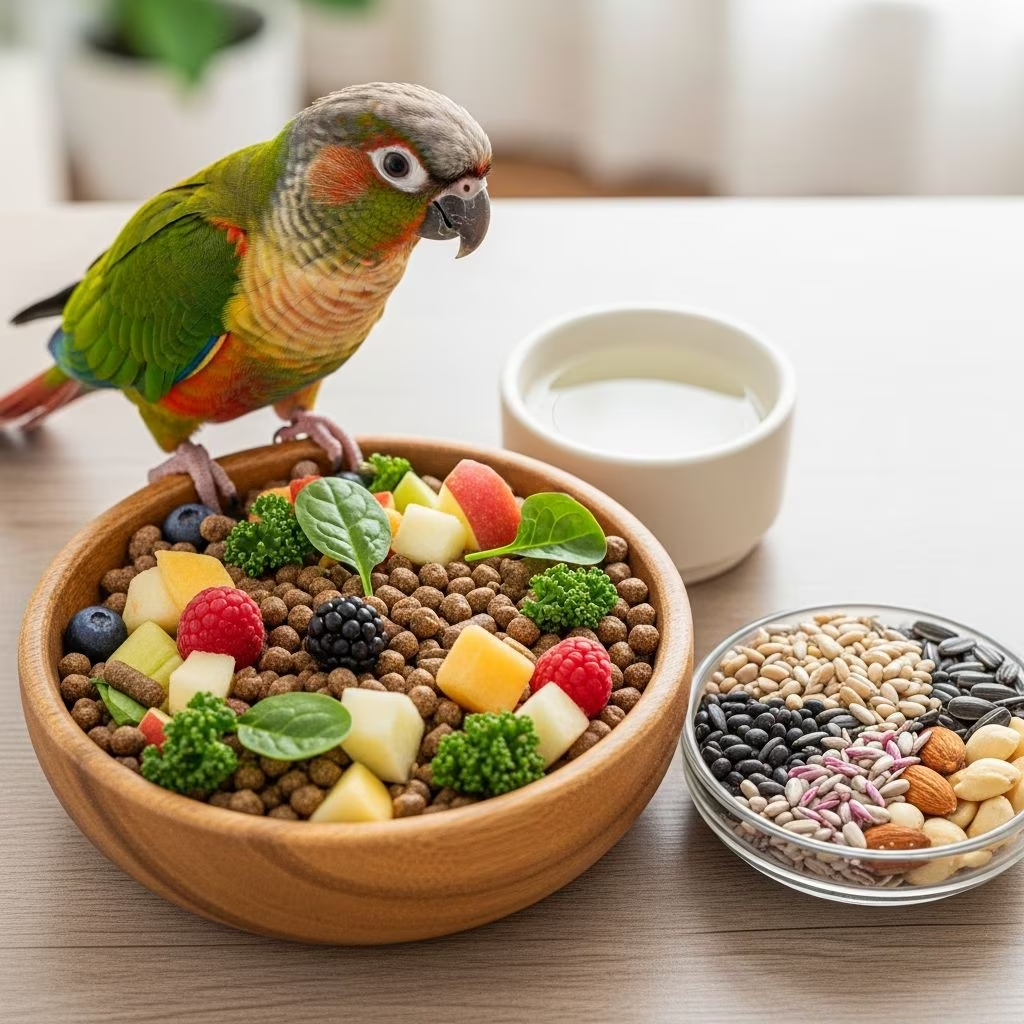
Feeding Pet Conures: A Complete Nutrition Guide
Proper nutrition is one of the most important aspects of caring for a pet conure. What your bird eats directly impacts its health, lifespan, behavior, and overall well-being. Unlike wild conures that forage across diverse environments, captive conures depend entirely on their owners to provide balanced, nutritious meals. Understanding what to feed your conure and how much to offer ensures your feathered companion thrives for years to come.
What Do Wild Conures Naturally Eat?
To better understand the dietary needs of captive conures, it helps to examine what wild conures consume in their natural habitats. In the wild, conures live in jungles and rainforests where they forage constantly for sustenance. Depending on their species and seasonal food availability, wild conures eat an assortment of seeds, fruits, nuts, berries, flowers, and vegetation. Some species also consume insects and their larvae, providing essential proteins and micronutrients.
This natural diet is diverse and varied, changing with the seasons as different plants and food sources become available. This understanding guides modern pet conure nutrition, as providing variety and different food types helps replicate their natural feeding patterns and meets all their nutritional requirements.
The Recommended Pelleted Diet
While seeds and nuts were once considered appropriate as the primary diet for captive conures, modern avian nutritional science has identified a better approach. Pelleted diets are now recommended as the foundation of your conure’s nutrition. Pellets should ideally represent approximately 75-80% of your bird’s daily diet.
Pellets have been scientifically formulated to meet all of your bird’s nutritional needs, including essential vitamins, minerals, proteins, and other vital nutrients. Multiple commercial brands are available in different shapes, sizes, and colors, allowing you to choose options your conure finds appealing. Hand-raised baby conures should be started on pelleted diets from the beginning, making the transition seamless.
The advantage of a pelleted diet is consistency and completeness. Unlike seed mixes where birds often selectively eat only their favorite seeds (typically sunflower seeds and peanuts, which are high in fat but deficient in calcium, vitamin A, and other essential nutrients), pellets ensure your conure receives balanced nutrition with every bite.
Converting Your Conure to Pellets
If your mature conure has been eating seeds as its primary diet, transitioning to pellets requires patience and a structured approach. Mature conures may be difficult to convert initially, but with persistence, most birds will accept their new diet. Here are two effective conversion methods:
Method 1: Gradual Ratio Adjustment
This method involves slowly increasing the percentage of pellets while decreasing seeds over time:
– Day 1-3: Offer 75% seed and 25% pellets in the food dish- Day 4-6: Offer a 50/50 mix of seed and pellets- Day 7 onward: Offer 25% seed and 75% pellets until your conure is fully converted
Method 2: Daily Percentage Reduction
This faster method reduces seeds each day while increasing pellets:
– Day 1: Offer 90% seed and 10% pellets- Day 2: Offer 80% seed and 20% pellets- Continue this pattern, reducing seed by 10% daily- Day 10: Offer 0% seed and 100% pellets
If your conure refuses to convert using this faster method, stop at 20% seed and 80% pellets and maintain this ratio until the bird gradually accepts more pellets. Never force the issue; the goal is eventual acceptance without causing stress to your bird.
Alternative Conversion Technique
If your conure continues to resist pellets, try grinding them into a fine powder and sprinkling the powder on moist foods your bird enjoys, such as vegetables, fruit, cooked egg, or pasta. As your bird eats the pellet-coated food, gradually grind the pellets into larger chunks and mix them with smaller amounts of moist food over time. Eventually, you can offer nearly all pellets with minimal amounts of moist food mixed in.
Seeds: An Important But Limited Component
While seeds should not be the primary diet for conures, they do play an important role when offered appropriately. Wild conures eat a great variety of seed types as different plants come into season. In a captive diet, seeds can represent up to 10-15% of your conure’s daily intake, offering variety and enrichment.
The problem with commercial seed and nut mixes is that they provide a poorly balanced source of many essential nutrients when fed as a high percentage of the diet. Additionally, conures often selectively eat only one or two of their favorite types of seeds, missing out on important nutritional diversity.
Quality seed mixes should include:
– Cedar nuts- Palm nuts- Various seed types- A balanced blend of ingredients
Offer seeds as treats or supplements rather than the primary food source to prevent nutritional deficiencies and potential health issues.
Vegetables and Greens: Essential Daily Components
Vegetables and greens should account for 20-40% of your conure’s daily intake. This substantial portion of the diet provides vital vitamins, minerals, and fiber that support overall health and longevity.
When selecting vegetables, choose those with nutritional density. The most nutritious choices are those with dark green leaves. Excellent vegetable options include:
– Spinach- Swiss chard- Rocket (arugula)- Dandelion leaves- Kale- Broccoli- Dark leafy greens- Orange vegetables like sweet potato and carrot
Avoid pale vegetables with high water composition, such as iceberg lettuce or head lettuce and celery, as they offer little nutritional value. Always offer vegetables in a food bowl or on a food skewer, and remember to remove any uneaten veggies after a couple of hours to prevent spoilage and bacterial growth.
Fruits: Nutritious But Moderate Portions
Fruits help keep your conure fit and healthy, but they should comprise only about 10% of your conure’s daily intake. Fruits are high in water content and natural sugars, so while they offer vitamins and enrichment, excessive amounts can lead to nutritional imbalances and potential weight issues.
Healthy fruit choices for your conure include:
– Pomegranate- Figs- Banana- Papaya- Berries (blueberries, strawberries, raspberries)- Pineapple- Coconut cubes
Offer fruits as occasional treats or supplements to the core pelleted diet, providing variety and natural nutrition without overdoing sugar content.
Sprouted Seeds: Nutrient-Dense Living Food
Sprouted seeds represent a unique and highly nutritious addition to your conure’s diet. Sprouting seeds increase their nutritional content, making them higher in proteins, vitamins, minerals, and enzymes while remaining low in fat. This living food offers excellent nutritional value beyond what dried seeds provide.
To prepare sprouted seeds for your conure:
1. Soak seeds for a couple of days in water2. Rinse thoroughly3. Serve fresh to your bird
Sprouted seeds complement your conure’s diet beautifully and provide enrichment through variety and texture.
Nuts: Conures’ Favorite Treats
Conures have a well-deserved reputation for being “simply nutty about nuts.” While conures love nuts, they should be offered in moderation as they are high in fat. Appropriate nut choices include cedar nuts and palm nuts. Peanuts and sunflower seeds, while beloved by conures, are particularly high in fat and deficient in calcium and vitamin A, so they should be limited.
Nuts can be offered as occasional treats during training or as special rewards, but should not constitute a significant portion of the daily diet.
People Food: What’s Safe for Your Conure?
A common question from conure owners is whether they can share their meals with their feathered friends. As a general rule, any wholesome, nutritious food that you and your family eat, your bird can eat as well—but in small quantities. A tablespoon-sized portion for a conure is equivalent to a dinner plate-sized portion for a person, providing perspective on appropriate serving sizes.
Important guidelines for sharing people food with your conure:
– Avoid processed foods: Never feed cookies, crackers, or other processed snacks to your bird- No oil or butter: Prepared foods should never be cooked with oil or butter- Stick to wholesome options: Cooked vegetables, grains, beans, and other nutritious foods are appropriate- Practice moderation: Limit people food to small portions as supplements to the main diet
Essential Feeding Practices
Beyond knowing what to feed your conure, understanding how to properly manage feeding is crucial for your bird’s health and safety:
Daily Monitoring and Fresh Water
Always monitor the amount of food eaten every day by each bird. This allows you to notice changes in appetite that might indicate illness or stress. Additionally, offer fresh water every day. Some conures enjoy dunking their food in water, so you may need to provide a second water bowl or check your bird’s water regularly to ensure adequate drinking water remains available.
Food Variety and Freshness
Offer a variety of fresh foods, such as small amounts of fruits and vegetables, every day. This variety keeps feeding interesting and enriching for your conure while ensuring exposure to different nutrient profiles. Clean all food and water dishes daily to prevent bacterial growth and foodborne illness.
Persistence With Food Preferences
If your bird says no to a food item one day, it does not mean no forever—keep trying. Conures may take time to accept new foods, and repeated exposure often leads to acceptance. Avoid assuming your bird will choose healthy alternatives; sometimes conures need encouragement and multiple exposures to develop a taste for nutritious options.
Frequently Asked Questions About Conure Feeding
Q: How much food should I feed my conure each day?
A: The amount varies based on individual bird size, activity level, and metabolic rate. Generally, keep the food bowl about three-quarters full so your conure can eat when hungry. Monitor daily consumption to ensure your bird is eating appropriate amounts and adjust portions as needed.
Q: Can conures eat nuts and seeds every day?
A: No. While nuts and seeds are enjoyed by conures, they should not be the primary diet. Limit them to 10-15% of daily intake or offer as occasional treats to prevent nutritional deficiencies and obesity.
Q: What should I do if my conure refuses pellets?
A: Use a gradual conversion method, mixing pellets with familiar seeds in increasing percentages over time. You can also grind pellets into a fine powder and sprinkle on moist foods your bird enjoys, gradually increasing pellet chunks as acceptance improves.
Q: How often should I change the water in my conure’s dish?
A: Provide fresh, clean water daily. Check water bowls regularly, especially if your conure enjoys dunking food in water, as this contaminates the water supply and reduces available drinking water.
Q: Are there any foods I should never feed my conure?
A: Avoid chocolate, salt, caffeine, avocado, and any foods with artificial preservatives or excessive sodium. Do not feed processed foods like cookies and crackers, and avoid foods prepared with oil or butter.
Q: Can I use foraging toys to make feeding more enriching?
A: Yes. Placing food inside foraging toys for your conure to find and retrieve provides mental stimulation and enrichment while encouraging natural foraging behaviors.
Conclusion
Feeding your pet conure properly is one of the most important responsibilities you have as a bird owner. By making pelleted diets the foundation of nutrition, supplementing with fresh vegetables and greens, offering appropriate portions of fruits and seeds, and providing fresh water daily, you set your conure up for a long, healthy, and vibrant life. Remember that diet conversion takes patience, variety keeps feeding interesting, and consistent monitoring ensures your bird’s continued good health. With proper nutrition and care, your conure will flourish as a cherished family companion.
References
- Small Conure Feeding Guide — Northern Parrots. 2024. https://www.northernparrots.com/blog/small-conure-feeding-guide/
- Feeding Pet Conures — VCA Animal Hospitals. 2024. https://vcahospitals.com/know-your-pet/conures-feeding
- Conure Care Sheet & Supplies — PetSmart. 2024. https://www.petsmart.com/learning-center/bird-care/conure-care-guide/A0167.html
- Diet for Conures — Bird Vet Melbourne. 2024. https://www.bird-vet.com/Conurevet.aspx



