

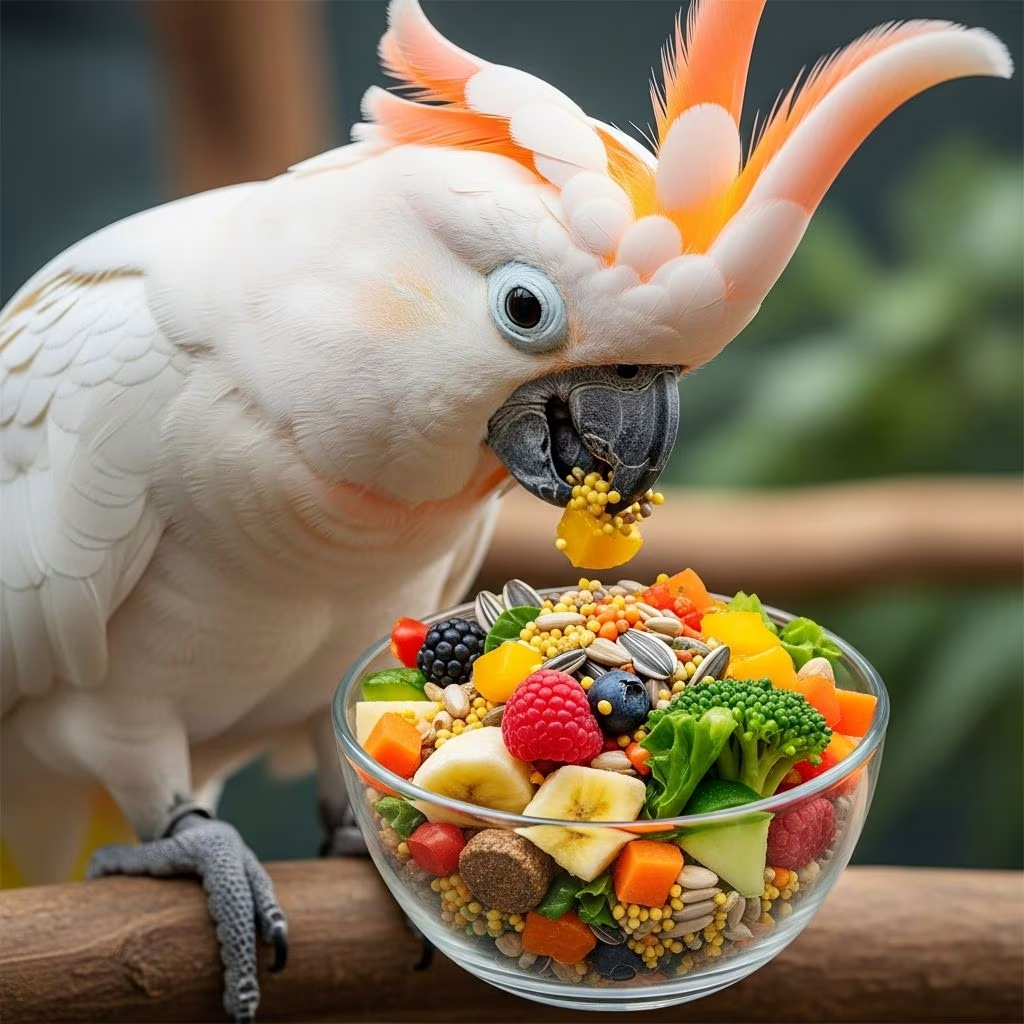
Feeding Pet Cockatoos: A Comprehensive Nutritional Guide
Proper nutrition is essential for maintaining the health and longevity of pet cockatoos. Understanding what to feed your cockatoo and in what proportions can prevent serious health complications and ensure your feathered companion thrives. This guide covers everything you need to know about feeding your pet cockatoo, from pelleted diets to fresh produce and appropriate treat options.
The Importance of a Balanced Diet
Cockatoos are intelligent, long-lived birds that require specific nutritional components to maintain optimal health. Many cockatoo owners make critical mistakes in their feeding practices, often leading to nutritional deficiencies, obesity, and serious health conditions. A well-planned diet not only supports physical health but also contributes to mental stimulation and behavioral well-being. The foundation of any cockatoo diet should be high-quality pellets supplemented with fresh fruits, vegetables, and controlled amounts of seeds and nuts.
Understanding Pelleted Diets
The recommended diet for cockatoos is a pelleted food specifically formulated for birds. Pellets should ideally represent approximately 75% to 80% of your bird’s daily diet. These commercially available pellets come in different shapes, sizes, and colors, and they have been scientifically developed to meet most of your cockatoo’s nutritional requirements. Different formulations are available for different life stages, so you should select pellets appropriate for your bird’s age and health status.
Why Pellets Are Superior to Seeds
While many cockatoo owners traditionally rely on seed-based diets, pellets offer significant nutritional advantages. Commercial seed mixes typically contain between 4 to 10 different types of seeds and nuts, but these are generally high in fat and carbohydrates while providing limited or imbalanced sources of many essential nutrients. Cockatoos have a tendency to selectively eat only their favorite seeds and nuts, typically preferring peanuts and sunflower seeds, which are high in fat but deficient in calcium, vitamin A, and other crucial nutrients. A diet composed primarily of seeds can lead to malnutrition, poor feathering, respiratory disease, fatty liver disease, and diabetes.
Starting Young Birds on Pellets
Hand-raised baby cockatoos should be started on pelleted diets from the beginning. This early introduction makes the transition much easier than attempting to convert mature birds that have become accustomed to seed-based diets. Young birds naturally adapt to pellets without difficulty when properly introduced.
Transitioning Adult Cockatoos to Pellets
Converting mature cockatoos to a pelleted diet requires patience, consistency, and strategic planning. Many adult birds have spent years eating seed mixes and may initially resist pellets. However, with the right approach, this transition is entirely achievable.
Conversion Strategies
One effective method involves mixing pellets with existing seed food. Start by combining 50% pellets with 50% of your bird’s regular seed mix in the food bowl. Provide only enough food for one to two days, typically 2 to 3 tablespoons of each component. If you provide excessive seed quantities, your bird will simply fill up on seed and won’t develop sufficient hunger to try the unfamiliar pellets. Gradually reduce the seed portion over time as your cockatoo becomes more comfortable eating pellets.
An alternative approach involves grinding pellets into a fine powder and sprinkling them on moist foods your bird already enjoys, such as fresh vegetables, fruit, cooked egg, or cooked pasta. If your bird eats the pellet-coated food, gradually grind the pellets into larger chunks and mix them with smaller quantities of moist food over time. Eventually, you can transition to offering nearly all pellets with minimal moist food mixed in.
Fruits and Vegetables
Fresh produce plays a vital role in your cockatoo’s diet, providing essential vitamins, minerals, and variety. However, fruits and vegetables should account for no more than 20% to 40% of your bird’s daily diet. This portion size ensures adequate nutrition without displacing the primary pelleted diet.
Nutritious Vegetable Choices
Cockatoos benefit from a diverse range of vegetables. Dark green and orange vegetables typically offer the highest nutritional value, including spinach, broccoli, sprouts, kale, and sweet potato. Other excellent vegetable options include celery leaves, capsicum, carrot, peas, and bok choy. When preparing vegetables, thoroughly wash them to remove chemical residues and potentially harmful bacteria. Cut vegetables into small pieces appropriate for your bird’s size, though it is not necessary to remove the skin.
Suitable Fruits for Cockatoos
A variety of fresh fruits can be incorporated into your cockatoo’s diet. Apple, pear, berries, papaya, and citrus fruits provide beneficial vitamins, including vitamin C, which supports immune system function. Dried fruits can be offered for convenience, as they contain nearly the same nutrition as fresh fruit. However, always wash fresh fruits thoroughly before serving.
Vegetables and Fruits to Avoid
Certain produce items are toxic to cockatoos and must never be offered. Avocado and onions are potentially toxic and should be strictly avoided. Additionally, garlic and ginger should not be given to your bird. Pale vegetables with high water content, such as iceberg or head lettuce, offer little nutritional value and should not be offered as a primary vegetable source.
Seeds and Nuts
While seeds and nuts should represent only a small portion of your cockatoo’s diet, they can serve as valuable treats and supplements when used appropriately. Wild cockatoos eat a variety of seed types as different plants come into season, reflecting the natural diversity of their diet.
Seed Portion Control
An appropriate diet for a cockatoo should consist of no more than 20% seed. Seeds are nutrient-dense but extremely high in fat, making them suitable primarily as occasional treats rather than dietary staples. Raw soaked and sprouted seeds and nuts introduce healthy fats and additional nutrients and can be offered in moderation. Sprouted seed is particularly beneficial as it serves as a great source of protein and vitamins for your bird.
Nuts as Treats
Most cockatoos find nuts irresistible. Healthy nut options include cashew kernels, walnuts, macadamia nuts, palm nuts, cedar nuts, and almonds. However, nuts should be provided in limited quantities as occasional treats due to their high fat content. Be cautious with peanuts and sunflower seeds, as these are particularly high in fat and should be restricted to occasional offerings.
Fresh Grass and Native Plants
Cockatoos appreciate fresh grasses and native plants, especially seed heads. These natural foods provide environmental enrichment and nutritional benefits. Flowers, branches, and leaves from common native plants are safe to give your cockatoo and also provide entertainment and foraging opportunities. Milk thistle is also beneficial for birds and can be included when available.
Water and Hydration
Fresh water must be available at all times and should be changed daily. Proper hydration is essential for digestive health and overall well-being. Use a clean water bowl or automatic waterer, checking regularly to ensure water remains fresh and uncontaminated.
Treats and Training Rewards
Treats should be provided in small quantities only and used strategically for training purposes. Appropriate treat options include whole grain plain bread or toast, parrot seed mix, nuts, dried fruit, and plain whole-grain crackers. When using treats for training, ensure they don’t comprise more than 5% to 10% of daily caloric intake, as excessive treats can lead to nutritional imbalances and obesity.
Nutritional Requirements by Life Stage
Different cockatoos have different nutritional needs depending on their age and health status. Young, growing cockatoos require higher protein and calcium to support bone development. Adult cockatoos in maintenance need balanced nutrition to sustain health and energy. Senior cockatoos may require specialized formulations to address age-related health concerns. Breeding birds have additional nutritional demands. Consult with an avian veterinarian to ensure your pellet selection matches your cockatoo’s specific life stage.
Common Feeding Mistakes to Avoid
Many well-intentioned cockatoo owners inadvertently create health problems through improper feeding practices. The most common mistake involves feeding too much dry seed, which is very high in fat while being low in protein and many essential vitamins and minerals. A cockatoo fed entirely on dry seed can end up with multiple problems including poor feathering, respiratory disease, fatty liver, and diabetes. Other mistakes include offering only pale vegetables with minimal nutritional value, failing to wash produce before serving, and providing excessive treats that displace balanced nutrition.
Monitoring Your Cockatoo’s Health
Observe your cockatoo regularly for signs of nutritional health or deficiency. Healthy birds display vibrant plumage, clear eyes, good energy levels, and appropriate body weight. Poor feathering, lethargy, excessive weight gain, or behavioral changes may indicate nutritional problems. Regular veterinary check-ups with an avian specialist can identify potential health issues before they become serious.
Frequently Asked Questions
Q: What percentage of my cockatoo’s diet should be pellets?
A: Pellets should ideally represent approximately 75% to 80% of your cockatoo’s daily diet, with the remaining 20% to 25% consisting of fresh fruits, vegetables, and limited seeds or nuts.
Q: Can I feed my cockatoo only seeds?
A: No. A seed-only diet is high in fat and deficient in essential nutrients, potentially leading to serious health problems including malnutrition, fatty liver disease, and diabetes.
Q: How do I transition my adult cockatoo to pellets?
A: Start by mixing 50% pellets with 50% seed, gradually reducing seed amounts as your bird becomes comfortable with pellets. Alternatively, grind pellets and sprinkle them on moist foods your bird enjoys.
Q: What vegetables are toxic to cockatoos?
A: Avoid avocado, onions, garlic, and ginger, as these are toxic to cockatoos. Also limit pale, watery vegetables like iceberg lettuce, which offer little nutritional value.
Q: How often should I change my cockatoo’s water?
A: Fresh water should be changed daily to prevent bacterial contamination and ensure your cockatoo always has access to clean, fresh water.
Q: Are nuts safe for cockatoos?
A: Yes, nuts like cashews, walnuts, macadamia nuts, and almonds are safe and enjoyed by cockatoos, but should be provided in limited quantities as occasional treats due to their high fat content.
Q: Can my cockatoo eat fresh grass?
A: Yes, fresh grass and native plants, including seed heads, are beneficial for cockatoos and provide both nutrition and enrichment.
Q: What are the best pellet brands for cockatoos?
A: High-quality brands include Harrison’s, Roudybush, and Zupreem Naturals, which are specifically formulated to meet cockatoos’ nutritional requirements.
References
- Diet for Cockatoos — Melbourne Bird Veterinary Clinic. Accessed 2025-11-28. https://www.melbournebirdvet.com/post/diet-for-cockatoos
- Feeding Your Cockatoo — Pet Circle Australia. Accessed 2025-11-28. https://www.petcircle.com.au/discover/feeding-your-cockatoo
- Cracking The Cockatoo Diet Puzzle: Tips For A Healthy Pet — Bird Supplies. Accessed 2025-11-28. https://birdsupplies.com/blogs/news/cracking-the-cockatoo-diet-puzzle-tips-for-a-healthy-pet
- Feeding Pet Cockatoos — VCA Animal Hospitals. Accessed 2025-11-28. https://vcahospitals.com/know-your-pet/cockatoos-feeding
- Cockatoo Feeding Guide — Northern Parrots. Accessed 2025-11-28. https://www.northernparrots.com/blog/cockatoo-feeding-guide/



