

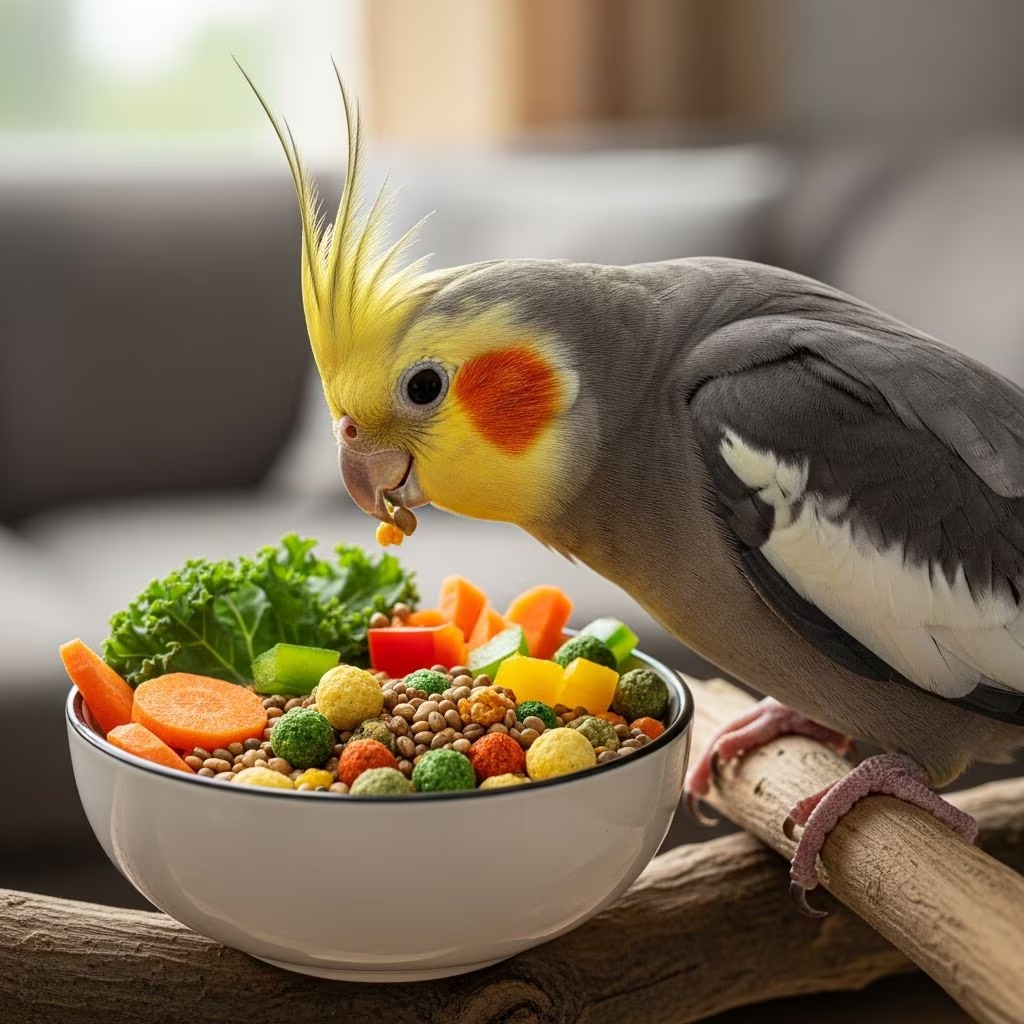
Feeding Pet Cockatiels
Proper nutrition is fundamental to maintaining your pet cockatiel’s health, vitality, and longevity. Cockatiels require a carefully balanced diet that mimics their natural food sources while providing all essential nutrients. Understanding what to feed your cockatiel, how much to offer, and when to provide meals ensures your feathered companion thrives throughout their life. This comprehensive guide covers everything you need to know about cockatiel nutrition, from pelleted foods to fresh produce and appropriate treats.
The Foundation: Pelleted Diets
The recommended diet for cockatiels is pelleted food specifically formulated for birds. Pellets should ideally represent approximately 75%-80% of the bird’s daily diet. These scientifically developed foods are designed to meet all your cockatiel’s nutritional requirements, making them the cornerstone of a healthy feeding program.
Several brands of pellets are available commercially in different shapes, sizes, and colors. When selecting pelleted food, look for high-quality formulations from trusted manufacturers that avoid artificial dyes and unnecessary additives. Pellets have been carefully developed to provide balanced vitamins and minerals, preventing common nutritional deficiencies that can occur with seed-only diets.
Hand-raised baby cockatiels should be started on pelleted diets from the beginning, as this establishes healthy eating habits early in life. Mature cockatiels may be more difficult to convert to pelleted diets if they have been raised on seeds, requiring patience and a gradual transition process.
Different formulations of pelleted food are available for different life stages, including formulas designed specifically for juveniles, adults, and senior birds. Consulting with an avian veterinarian can help you select the most appropriate pellet formulation for your cockatiel’s individual needs.
Fruits and Vegetables
Fruits, vegetables, and greens should account for no more than 20%-25% of the cockatiel’s daily diet. While these foods provide essential vitamins, minerals, and fiber, they should supplement rather than replace pelleted food. Fresh produce offers nutritional benefits that support digestion, immunity, and feather quality.
Safe Vegetable Options
Provide your cockatiel with a variety of bird-safe vegetables to ensure nutritional diversity and maintain interest in their diet. Recommended vegetables include broccoli florets, carrots, zucchini, bell peppers, collard greens, Swiss chard, and endive. These vegetables are excellent sources of essential vitamins and minerals:
– Broccoli florets – Provide calcium for bone support- Carrots – Rich in beta carotene (vitamin A) for vision and immune health- Zucchini – Hydrating and fibrous for digestive health- Bell peppers – Excellent source of vitamin C- Collard greens – Contain calcium and magnesium- Swiss chard – Offers iron and vitamin K- Endive and escarole – Low-oxalate greens suitable for frequent use
Always rinse vegetables thoroughly and chop them into small, manageable pieces. Lightly steam fibrous vegetables like broccoli if needed to improve digestibility. Introduce new produce slowly to protect your cockatiel’s digestion and improve acceptance of different foods.
Vegetables to Avoid
Pale vegetables with high water composition, such as iceberg or head lettuce and celery, offer little nutritional value and should not be used as primary vegetable sources. Additionally, spinach should be offered sparingly, as oxalates can bind dietary calcium. When offering spinach, pair it with vitamin-enriched pellets and provide access to a mineral block.
Fruit Offerings
Fruits are packed with vitamins and can be offered as occasional treats. However, fruits should be given no more than 3 times per week, as excessive fruit consumption can cause diarrhea. When offering fruit, remove any uneaten portions after 2-4 hours to prevent spoilage and potential gastrointestinal problems.
Safe fruit options include apples (without seeds), pears (without seeds), apricots (without stones), peaches (without stones), oranges, mandarins, kiwifruit, grapes, and raspberries. Present fresh fruit either cut up in a food bowl or fastened to a fruit skewer for enrichment.
Seeds and Nuts
While seeds are tempting treats for many cockatiels, they should represent only a small portion of the overall diet. Seeds should not exceed 10% of the total daily food intake, as they are high in fat and can lead to obesity and nutritional imbalances. Use a quality seed mix with more grass seeds and fewer high-fat seeds, keeping portions modest.
Occasional nuts can be offered as treats, including walnuts and brazil nuts. These should be given sparingly due to their high fat content. Seeds and nuts should never replace the core diet of pelleted food and fresh vegetables.
Toxic Foods to Avoid
Avocado and onion are potentially toxic and should never be offered to a bird. These foods can cause serious health complications in cockatiels. Additionally, avoid feeding chocolate, salt, caffeine, and any foods containing these substances, as they are harmful to avian health.
Daily Feeding Schedule
Morning Feeding Routine
Begin your cockatiel’s day with a proper breakfast routine. Offer approximately 20-30 mL (1.5-2 tablespoons) of pelleted food in the morning, which should make up 60-80% of their daily intake. Early in the day is the best time to offer vegetables such as broccoli, spinach in small amounts, and zucchini. Morning greens boost activity and support digestion throughout the day. Rotate in a few bites of melon or low-sugar berries occasionally to maintain variety.
Throughout the Day
Maintain consistent access to fresh water throughout the day. Monitor your cockatiel’s food consumption and remove any uneaten fresh food after 4 hours to prevent spoilage and potential bacterial growth.
Evening Feeding
In the evening, you may offer seeds and additional vegetables. Keep seed portions modest, limiting evening servings to approximately 15 mL (1 tablespoon). This schedule ensures your cockatiel receives balanced nutrition throughout the day while preventing overfeeding of high-fat seeds.
Transitioning from Seeds to Pellets
If your mature cockatiel has been raised primarily on seeds and you wish to transition to a pellet-based diet, do so gradually to reduce stress and ensure steady eating habits. Start with a ratio of approximately 75% seeds to 25% pellets, then increase the percentage of pellets every few days over a 2-4 week period.
During transition, offer pellets first when your bird is hungriest, and use familiar dishes to encourage acceptance. This patient approach respects your cockatiel’s established preferences while gradually introducing the nutritionally superior pelleted diet.
Special Nutritional Considerations
During Molt
When your cockatiel is molting, increase offerings of vitamin-A-rich vegetables such as carrots. Molting is an energy-intensive process that requires enhanced nutritional support to promote healthy feather growth and replacement.
During Breeding Season
If your cockatiel is breeding or in breeding condition, ensure steady access to calcium-rich foods. Provide cuttlebone, mineral bells, and calcium-fortified pellets to support eggshell production and overall reproductive health.
Supplements and Mineral Sources
Offer your cockatiel cuttlebone or mineral bells to provide essential calcium and other trace minerals. These supplements support bone health and overall physiological function. Some avian nutritionists recommend offering a small amount of oyster grit, which serves a dual purpose as both a calcium and phosphorus source and aids in digestion.
Quality pelleted food formulations already contain balanced vitamins and minerals, so additional supplementation may not be necessary if feeding a complete pelleted diet. However, consulting with an avian veterinarian about your specific bird’s nutritional needs can help determine if additional supplements are beneficial.
Selecting Quality Pelleted Food
When choosing pelleted food for your cockatiel, look for formulations that include whole grains, vegetable ingredients, and balanced vitamins and minerals. Quality pellet brands include Harrison’s, Roudybush, and ZuPreem Natural formulations. Choose recipes without artificial dyes or excessive sugar content, as these additives provide no nutritional benefit and may contribute to behavioral or health issues.
Examine ingredient lists carefully and prioritize pellets from manufacturers with strong reputations for quality and avian nutrition research. Some pellets include fruit flavoring to add interest while maintaining appropriate sugar levels.
Creating a Five-Day Vegetable Rotation Plan
Implementing a structured five-day vegetable rotation prevents boredom and helps you monitor your cockatiel’s reactions to different foods. This approach ensures nutritional variety while making meal planning manageable:
– Day 1: Broccoli florets and bell peppers- Day 2: Carrots and Swiss chard- Day 3: Collard greens and zucchini- Day 4: Endive and carrots- Day 5: Mixed greens and bell peppers
After completing this five-day cycle, repeat or modify based on seasonal availability and your cockatiel’s preferences. This rotation system maximizes nutritional diversity while maintaining dietary consistency.
Treating Occasional Foods
Certain foods can be offered occasionally (approximately twice weekly) as special treats or supplements to the core diet. These include whole grain or whole wheat bread, whole grain breakfast cereals, cooked pasta, cooked brown rice, very small amounts of cheddar cheese, and small portions of cooked potato. Hard-boiled or scrambled egg provides excellent protein and can be offered once or twice weekly in tiny servings, but should be removed after 2 hours if uneaten.
Water and Hydration
Fresh, clean water must be available to your cockatiel at all times. Change water daily and ensure water dishes are cleaned regularly to prevent bacterial growth and contamination. Proper hydration is essential for maintaining healthy digestion and overall wellbeing.
Monitoring Your Cockatiel’s Diet
Always monitor the amount of food eaten every day by your bird. Observe your cockatiel’s weight, feather condition, energy levels, and overall appearance. A healthy cockatiel maintains a balanced weight, displays vibrant plumage, and demonstrates active, alert behavior. If you notice changes in eating habits, weight loss, or signs of illness, consult an avian veterinarian promptly.
Keep detailed records of what your cockatiel eats and any behavioral or physical changes you observe. This information can be invaluable to your avian veterinarian if health concerns arise.
When to Consult an Avian Veterinarian
Work closely with an avian veterinarian to develop and maintain an appropriate feeding plan for your cockatiel’s individual needs. Different birds may have unique nutritional requirements based on age, activity level, health status, and breeding condition. Your avian veterinarian can provide personalized recommendations and monitor your bird’s nutritional status during regular check-ups.
Frequently Asked Questions
Q: How much pelleted food should I offer my cockatiel daily?
A: Offer approximately 20-30 mL (1.5-2 tablespoons) of pelleted food daily, which should comprise 75-80% of your cockatiel’s total daily food intake. Pelleted food serves as the nutritional foundation of their diet.
Q: Can I feed my cockatiel only seeds?
A: No, seeds should not be the primary diet. Seeds are high in fat and lack the balanced nutrition provided by quality pellets. Seeds should represent no more than 10% of the total daily diet, with pellets forming 75-80% and vegetables comprising 20-25%.
Q: Which vegetables are safest for cockatiels?
A: Safe vegetables include broccoli, carrots, zucchini, bell peppers, collard greens, Swiss chard, and endive. Always rinse vegetables thoroughly and chop into small pieces. Avoid iceberg lettuce and celery due to minimal nutritional value.
Q: How often can I feed fruit to my cockatiel?
A: Fruit should be offered no more than 3 times per week, as excessive consumption can cause diarrhea. Remove any uneaten fruit after 2-4 hours to prevent spoilage.
Q: What foods are toxic to cockatiels?
A: Avocado and onion are potentially toxic and should never be offered to cockatiels. Also avoid chocolate, salt, caffeine, and foods containing these substances.
Q: How do I transition my cockatiel from seeds to pellets?
A: Transition gradually over 2-4 weeks, starting with 75% seeds and 25% pellets, then increasing pellets every few days. Offer pellets first when your bird is hungriest to encourage acceptance.
Q: Do cockatiels need supplements in addition to pelleted food?
A: Quality pelleted food contains balanced vitamins and minerals, so additional supplementation may not be necessary. However, offering cuttlebone or mineral bells provides calcium and other trace minerals that support bone health.
References
- Cockatiel Diet Plan For Healthy Happy Birds — Jungle Aquatics. 2024. https://jungleaquatics.com/blogs/news/cockatiel-diet-plan-for-healthy-happy-birds
- Cockatiel Care Sheet — PetMD. 2024. https://www.petmd.com/bird/cockatiel-care-sheet
- Feeding a Cockatiel — New Zealand Veterinary Association. 2024. https://www.npvet.co.nz/pets/animal-info-pets/bird-rabbit-turtle-articles/feeding-a-cockatiel/
- Feeding Pet Cockatiels — VCA Animal Hospitals. 2024. https://vcahospitals.com/know-your-pet/cockatiels-feeding
- Cockatiel Feeding Guide — Northern Parrots. 2024. https://www.northernparrots.com/blog/cockatiel-feeding-guide/



