

Understanding Orphaned Kitten Care
Caring for orphaned kittens requires dedication, knowledge, and proper preparation. When kittens are separated from their mother—whether through abandonment, illness, or other circumstances—they depend entirely on caregivers to meet their nutritional and developmental needs. Unlike kittens raised by their mothers, orphaned kittens require careful bottle-feeding, appropriate formula selection, and a structured feeding schedule to ensure they grow healthy and strong.
The responsibility of raising orphaned kittens extends beyond simply providing food. Caregivers must maintain proper environmental conditions, monitor the kittens’ health, support their natural elimination processes, and gradually transition them to solid food. Understanding each stage of orphaned kitten development ensures these vulnerable animals receive the best possible care.
Selecting the Right Formula
Choosing an appropriate milk replacer is the foundation of successful orphaned kitten care. Commercial milk replacers are specifically formulated to match the nutritional profile of mother cat’s milk and are the recommended choice for orphaned kittens. Kitten milk replacer (KMR) is widely available and contains the essential nutrients kittens need for proper growth and development.
Important formula considerations include:
– Never use regular cow’s milk, as it lacks adequate protein and fat for kittens- Avoid goat’s milk, which is too low in protein and fat for proper kitten development- Pasteurized goat’s milk may be used only in emergencies until proper kitten milk replacer can be obtained- Select formulas specifically labeled as kitten milk replacer, not general pet milk- Prepare only the amount of formula needed within a 24-hour period and discard any unused mixture- Store prepared formula in the refrigerator until feeding time
Preparing Formula for Feeding
Proper formula preparation ensures kittens receive consistent nutrition at each feeding. The preparation process requires attention to detail and temperature control.
Temperature Requirements: Commercial milk replacers should be warmed to 95°F-100°F (35°C-37.8°C) before feeding. To test the temperature without a thermometer, apply a small amount of formula to your forearm—it should feel approximately the same as your skin temperature. Never feed cold formula to kittens, as it can cause digestive upset and discomfort.
Mixing Instructions: Follow the specific mixing instructions on your chosen formula container, as different brands may have varying ratios. Generally, formula is mixed with water according to package directions. Use clean bottles and nipples, sterilizing them regularly to prevent bacterial contamination.
Bottle-Feeding Techniques and Positioning
Proper feeding technique is essential for successful bottle-feeding and to prevent complications such as aspiration pneumonia. The way you position and feed the kitten significantly impacts the feeding’s effectiveness and the kitten’s safety.
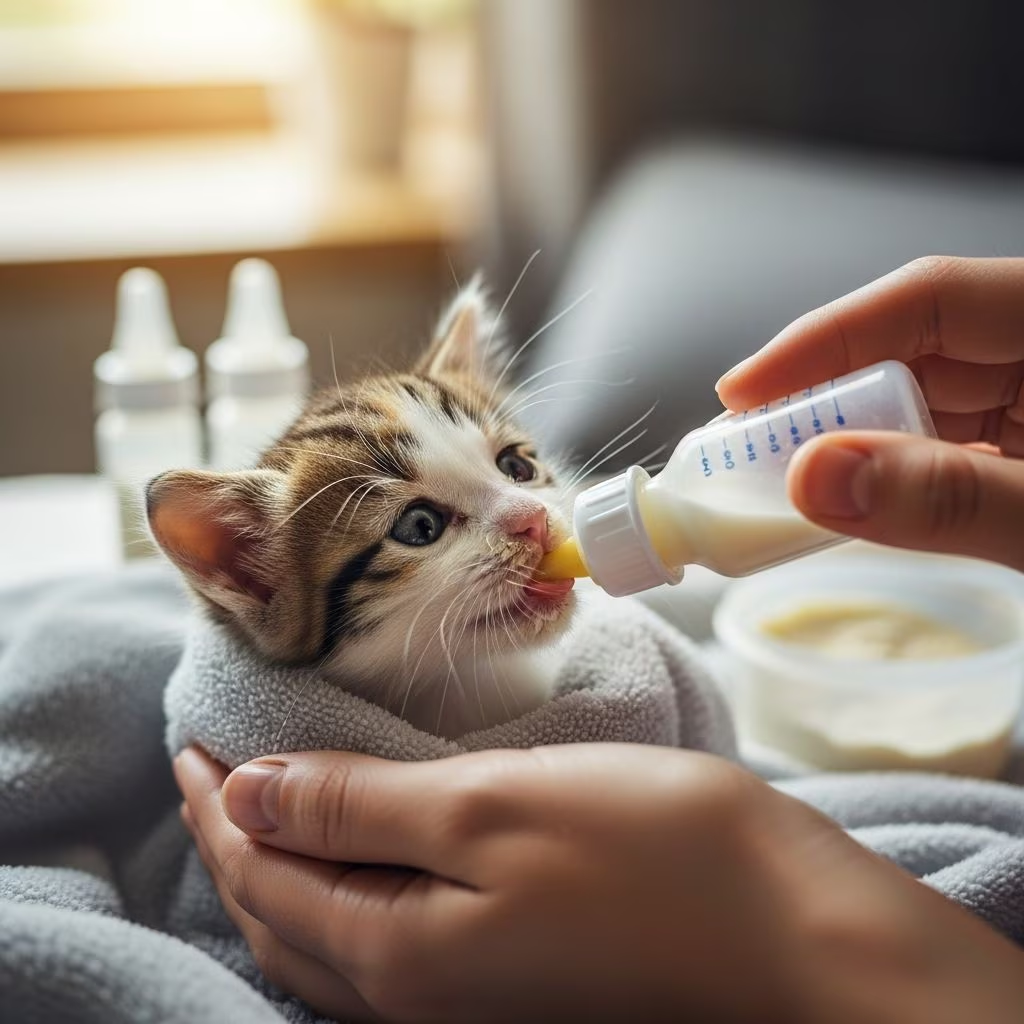
Correct Positioning: Never feed a kitten on their back, as this positioning can cause formula to enter the lungs (aspiration). Instead, position the kitten on their stomach, similar to how they would nurse from their mother. You can hold the kitten upright swaddled in a warm towel, or allow the kitten to lie on a towel in your lap. Experiment with different positions to find what works best for you and the individual kitten.
Bottle Angle and Technique: Hold the bottle at a 45-degree angle to keep air from entering the kitten’s stomach. Before placing the nipple in the kitten’s mouth, turn the bottle upside down and allow a drop of formula to emerge, demonstrating to the kitten that food is available. Gently move the bottle nipple back and forth in the kitten’s mouth, which should encourage the kitten to latch on and begin suckling.
If the Kitten Refuses to Feed: If the kitten does not immediately latch on, wait a few minutes and try again. Usually, the kitten will eventually latch on and begin nursing. If the nursing bottle appears to be collapsing inward, gently remove the nipple and allow air to return to the bottle to maintain proper pressure.
Burping After Feeding: Just like human babies, kittens need to be burped after feeding to release ingested air. Lay the kitten on their stomach on your shoulder or in your lap and gently pat their back until you hear a small burp. You may need to burp the kitten several times during a single feeding session.
Establishing a Feeding Schedule
The frequency and amount of feeding depend on the kitten’s age and weight. Proper feeding schedules support healthy growth and development while preventing overfeeding and digestive problems.
Daily Feeding Amount: Kittens should eat approximately 8 milliliters of formula per ounce of body weight per day. Nursing bottles are typically marked with measurements in milliliters (ml) or cubic centimeters (cc)—these measurements are equivalent, with 1 cc equaling 1 ml.
Age-Based Feeding Frequency: Feeding requirements vary significantly based on kitten age:
– Kittens less than two weeks old require feedings every two to four hours- Kittens two to four weeks of age need feedings every four to six hours
Feeding Multiple Kittens: When caring for multiple orphaned kittens, feed the first kitten until they stop nursing, then move to the next kitten, continuing this rotation until all kittens have eaten once. Once you complete one round of feeding, begin the rotation again. Usually, one to three nursing rounds will suffice to meet the kittens’ daily nutritional needs. When a kitten stops nursing voluntarily, they have consumed enough food.
Assessing Proper Nutrition: A well-fed kitten’s belly should appear round but not hard and distended. Smaller or weaker kittens might eat less per feeding and require more frequent feeding sessions. Failure to gain weight may indicate a problem requiring veterinary care.
Monitoring Health and Development
Beyond feeding, caring for orphaned kittens requires consistent monitoring of their physical condition and development. Daily health checks help identify problems early.
Weight Tracking: Weigh kittens daily during the first two weeks to ensure they are gaining weight appropriately. Weight gain indicates the kitten is receiving adequate nutrition and developing normally.
Elimination Monitoring: Record each kitten’s elimination (urination and defecation) after feeding. Normal elimination patterns indicate proper hydration and digestive function. Abnormal patterns may signal feeding issues or health problems requiring veterinary attention.
Environmental Conditions: Maintain a warm environment for orphaned kittens, as they cannot regulate their own body temperature effectively. Keep the area at approximately 85°F-90°F (29°C-32°C) for very young kittens, gradually reducing temperature as they mature.
Hydration and Nutrition: Ensure kittens receive adequate hydration and proper nutrition throughout their development. Dehydration can occur quickly in young kittens, so monitor for signs such as lethargy, dry mouth, or decreased skin elasticity.
Beginning the Weaning Process
Weaning represents a critical transition period in orphaned kitten development. This process typically begins around three to four weeks of age and requires patience and careful monitoring.
Initial Introduction to Solid Food: Begin weaning by offering formula on a spoon to the kittens. Once kittens begin lapping formula from the spoon, transition to offering formula in a shallow saucer. Some kittens catch on immediately, while others may need several days to understand the concept.
Creating Gruel: As kittens master lapping formula from a saucer, gradually add small amounts of canned kitten food to the formula in the saucer, creating a gruel mixture. Kittens’ noses should be carefully dipped into the mixture two to three times daily until they begin to lap independently, which typically takes one to three days.
Gradually Increasing Solid Food: Slowly increase the amount of canned food in the mixture while decreasing the formula proportion. Continue monitoring the kittens’ stools during this transition, as loose stools may indicate the mixture contains too much food. If loose stools occur, reduce canned food and increase formula until the kitten’s digestive system adjusts.
Adding Water to Formula: As kittens consume more food and less formula, add more water to the remaining formula to increase hydration and ease the transition. If using KMR formula, instead of mixing one part formula to two parts water, prepare it as one part formula to three or four parts water.
Providing Fresh Water: As kittens eat more food and less formula, provide a constant supply of fresh water to maintain proper hydration.
Transitioning to Independent Feeding
The final stage of weaning involves transitioning orphaned kittens to eating regular kitten food independently. This process requires continued support and careful observation.
Adding Dry Food: Once kittens are eating gruel consistently, gradually introduce dry kitten food into their diet. Add some watered-down formula mix to dry food to make it more appealing and easier to consume. Some kittens may need encouragement—placing a small amount of food on their front paw can help them understand the food is there to eat.
Reducing Formula Gradually: Progressively reduce the formula and watered-down mixture, allowing kittens to eat more dry food. Continue monitoring their stools throughout this transition to ensure they are tolerating the food well. Some diarrhea is common during weaning, but if it persists, consult your veterinarian.
Complete Weaning Timeline: Kittens should begin eating solid food around 3.5 to 4.5 weeks of age. The complete transition from formula to regular food typically occurs by four to six weeks of age.
Continued Bottle-Feeding Support: Even as kittens learn to eat from bowls, you may need to continue bottle-feeding them a few times daily until they are consuming enough food independently. After offering kittens time to feed on their own from a bowl, offer a bottle to see if they need additional nutrition. This supplemental feeding ensures they receive adequate calories during the transition period.
Supplemental Feeding for Nursing Litters
Sometimes supplemental feeding is necessary even when kittens have a nursing mother. Understanding when and how to supplement ensures all kittens receive adequate nutrition.
When Supplementation is Needed: When the mother cat’s milk supply is inadequate, supplemental feeding is recommended one to six times per day. Supplemental feeding may be necessary with any litter containing more than five kittens.
Feeding Amount for Supplemental Kittens: If kittens are still nursing from their mother, feed one-third to one-half the recommended amount of milk replacer. This prevents overfeeding while ensuring adequate total nutrition from combined mother’s milk and supplemental feeding.
Emergency Situations: If the mother’s milk becomes infected, the kittens will cry excessively, and the entire litter could die within 24 to 48 hours. In this case, total replacement feeding using appropriate milk replacer or fostering the kittens with another nursing mother is usually necessary. If choosing replacement feeding, follow the amounts listed on the product label.
Managing Common Feeding Issues
Orphaned kittens may experience various feeding-related challenges. Understanding how to address these issues supports the kitten’s health and development.
Digestive Problems: Orphaned kittens often experience digestive issues, including diarrhea. Probiotics may help prevent or reduce the severity of diarrhea, though administering them can be challenging. Consult your veterinarian about appropriate probiotic formulas, proper dosing, and administration techniques.
Dietary Sensitivity: Monitor kitten stools closely when introducing new foods or during weaning. Loose stools indicate the kitten may not be tolerating the current food well. Adjust the formula-to-food ratio or consider different food options based on veterinary guidance.
Weight Gain Concerns: Failure to gain weight may indicate a problem requiring veterinary care. Regular weigh-ins help identify growth issues early, allowing for intervention before serious problems develop.
Feeding Guidelines by Age
| Kitten Age | Feeding Frequency | Feeding Amount | Formula Type |
|---|---|---|---|
| Birth to 2 weeks | Every 2-4 hours | 8 ml per ounce of body weight daily | Kitten milk replacer |
| 2-4 weeks | Every 4-6 hours | 8 ml per ounce of body weight daily | Kitten milk replacer |
| 3-4 weeks | Begin weaning process | Introduce formula on spoon, then gruel | Formula mixed with canned food |
| 4-6 weeks | Transition to meals | Continue with wet food, introduce dry food | Kitten food with reduced formula |
Frequently Asked Questions About Feeding Orphaned Kittens
Q: How do I know if my orphaned kitten is eating enough?
A: A well-fed kitten’s belly should appear round but not hard and distended. Track daily weight gain, ensure regular elimination patterns, and monitor active behavior. Failure to gain weight may indicate inadequate nutrition requiring veterinary attention.
Q: Can I use regular milk for orphaned kittens?
A: No. Regular cow’s milk lacks adequate protein and fat for kittens and can cause digestive upset. Always use commercial kitten milk replacer formulated for orphaned kittens.
Q: What is the best feeding position for orphaned kittens?
A: Never feed kittens on their back. Position them on their stomach, similar to nursing from their mother. You can hold them swaddled in a warm towel or place them in your lap on a towel. Hold the bottle at a 45-degree angle during feeding.
Q: When should I start weaning orphaned kittens?
A: Begin the weaning process around three to four weeks of age. Start by offering formula on a spoon, then progress to gruel made from formula mixed with canned food in a shallow saucer.
Q: What should I do if my orphaned kitten has diarrhea during weaning?
A: Some diarrhea is normal during weaning. Reduce the amount of canned food and increase formula until the kitten’s system adjusts. If diarrhea persists, consult your veterinarian. Probiotics may help prevent or reduce diarrhea severity.
Q: How often should I weigh orphaned kittens?
A: Weigh kittens daily during the first two weeks to ensure proper weight gain. After two weeks, weigh them several times weekly. Consistent weight gain indicates adequate nutrition.
Q: Can I stop bottle-feeding when kittens start eating solid food?
A: Not immediately. Continue bottle-feeding several times daily as supplemental nutrition until kittens are eating enough solid food independently. Gradually reduce bottle-feedings as solid food intake increases.
References
- Bottle-Feeding Kittens: A Comprehensive Guide — Best Friends Animal Society. 2024. https://bestfriends.org/pet-care-resources/bottle-feeding-kittens-comprehensive-guide
- Foster Care Program Foster Bottle Babies Handbook — Placer SPCA. 2017. https://placerspca.org/foster-care-program/
- Raising Kittens — VCA Animal Hospitals. 2024. https://vcahospitals.com/know-your-pet/kitten-raising-kittens
- Feeding the Nursing Cat — VCA Animal Hospitals. 2024. https://vcahospitals.com/know-your-pet/feeding-the-nursing-cat
- Feeding Growing Kittens — VCA Animal Hospitals. 2024. https://vcahospitals.com/know-your-pet/feeding-growing-kittens
- Orphaned Kitten Care How to — Maddie’s Fund. 2024. https://www.maddiesfund.org/orphaned-kitten-care-how-to.htm
- Caring for Kittens from Birth to Eight Weeks — University of Wisconsin School of Veterinary Medicine Shelter Medicine Program. 2024. https://sheltermedicine.wisc.edu/library/guidebooks/guide-to-raising-underage-kittens/



