

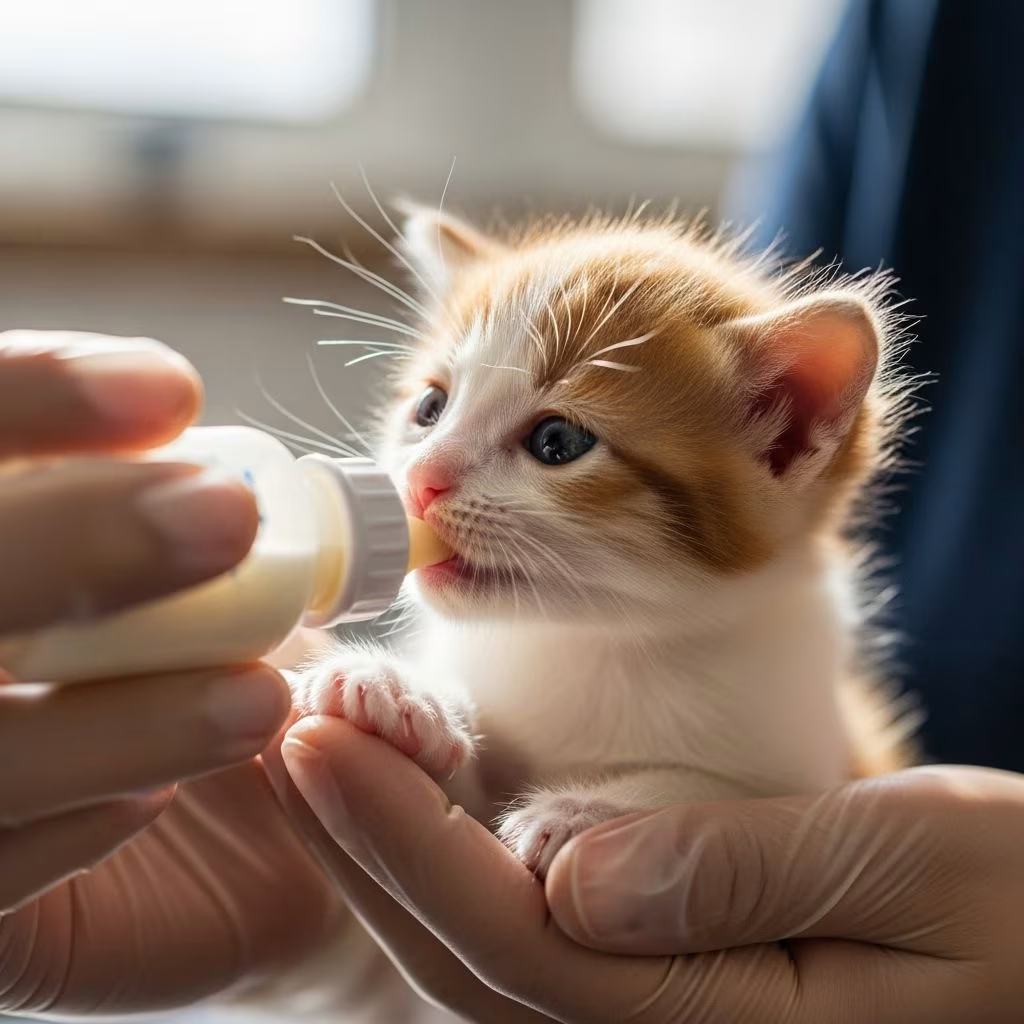
Caring for orphaned kittens requires dedication, knowledge, and attention to detail. One of the most critical aspects of raising orphaned kittens is ensuring they receive proper nutrition through bottle-feeding until they are ready to transition to solid foods. Whether you are a foster parent, shelter worker, or have found orphaned kittens, understanding the correct feeding techniques and schedules is essential for their survival and healthy development.
Orphaned kittens are particularly vulnerable and depend entirely on their caregivers for nutrition, warmth, and stimulation. Without proper feeding practices, these young felines face numerous health risks including malnutrition, dehydration, and developmental issues. This comprehensive guide covers everything you need to know about feeding orphaned kittens, from selecting the right formula to implementing a successful weaning process.
Understanding Orphaned Kittens’ Nutritional Needs
Orphaned kittens have specific nutritional requirements that differ significantly from adult cats. During their first weeks of life, kittens depend on mother’s milk or appropriate milk replacer to obtain essential nutrients, antibodies, and calories necessary for growth and immune system development. Young kittens have high metabolic rates and require frequent feedings to maintain proper body weight and energy levels.
The primary challenge when caring for orphaned kittens is replicating the nutritional composition of mother’s milk. Commercial kitten milk replacers have been specifically formulated to match the nutritional profile of natural cat milk, making them the most appropriate choice for orphaned kitten care.
Selecting the Right Formula
Choosing an appropriate milk replacer is the foundation of successful orphaned kitten care. Several excellent commercial formulas are available specifically designed for kittens.
Recommended Commercial Formulas
The most trusted commercial kitten milk replacers include KMR (Kitten Milk Replacer) and JUST BORN, both of which are scientifically formulated to meet orphaned kittens’ nutritional requirements. These products require minimal preparation—simply warm them to the appropriate temperature before feeding. Never use regular cow’s milk, as it lacks the proper nutritional balance and can cause digestive upset in kittens.
Emergency Formula Option
In emergency situations where commercial formula is unavailable, a temporary homemade formula can be used for up to 24 hours only. This emergency recipe consists of 2/3 cup homogenized whole milk, 3 raw egg yolks, 1 tablespoon corn oil, and 1 dropper of pediatric liquid vitamins. This mixture should never be used as a long-term solution, as it does not provide complete nutrition for growing kittens.
Formula Temperature and Preparation
Proper formula temperature is crucial for digestion and comfort. Heat the formula to 95°F-100°F (35°C-37.8°C) before offering it to the kitten. To test the temperature accurately, place a small amount on your inner wrist or forearm—it should feel approximately the same as your own body temperature. If the formula feels too warm or too cold on your skin, it will have the same effect on the kitten’s digestive system.
Bottle-Feeding Techniques and Positioning
Proper feeding technique is essential to prevent aspiration, ensure adequate nutrition, and maximize the kitten’s nursing satisfaction. Incorrect feeding positions and methods can lead to serious health complications.
Correct Kitten Positioning
Always place the kitten on its stomach during feeding, just as it would naturally position itself while nursing from its mother. You can achieve this by holding the kitten upright, swaddled in a warm towel, or by having the kitten lie on a towel in your lap. Never feed a kitten on its back, as this position can cause formula to aspirate into the lungs, potentially resulting in aspiration pneumonia or suffocation.
Bottle Handling and Nipple Angle
Hold the bottle at approximately a 45-degree angle to prevent air from entering the kitten’s stomach. Turn the bottle upside down and allow a single drop of formula to fall onto the nipple. Place the nipple gently in the kitten’s mouth and move it back and forth slowly—this movement encourages the kitten to begin suckling naturally. Do not squeeze the bottle while feeding, as this forces formula into the kitten’s mouth rather than allowing natural nursing behavior.
Feeding Process and Signs of Satiation
Allow the kitten to nurse until it naturally turns its head away and stops suckling, indicating it has consumed enough food. A well-fed kitten’s belly should appear round but not hard and distended. If a bottle appears to be collapsing during feeding, gently remove the nipple from the kitten’s mouth to allow more air to return to the bottle.
When feeding multiple kittens, feed the first kitten until it stops nursing, then begin feeding the next kitten in sequence. Once all kittens have been fed once, return to the first kitten and repeat the process. Usually one to three complete nursing rounds will satisfy all kittens. Smaller or weaker kittens might consume less per feeding and require more frequent feedings.
Establishing Appropriate Feeding Schedules
Orphaned kittens require very frequent feedings that correspond to their age and development stage. Following an appropriate feeding schedule is critical for proper growth and weight gain.
Age-Based Feeding Guidelines
| Kitten Age | Feeding Frequency | Feeding Interval |
|---|---|---|
| Less than 2 weeks old | Every 2-4 hours | 24/7 care required |
| 1-2 weeks old | 6 feedings per day | Approximately 4 hours apart |
| 2-4 weeks old | Every 4-6 hours | 4-5 times daily |
| 3 weeks old | 4 feedings per day | Every 6 hours |
| 4 weeks old | 3 feedings per day | Every 8 hours |
Kittens less than two weeks old require feedings every two to four hours, including overnight feedings. This intensive schedule is necessary because very young kittens have minimal stomach capacity and cannot store enough food for extended periods. As kittens grow and their stomach capacity increases, feeding intervals gradually lengthen.
Monitoring Weight and Adjusting Portions
Consistent weight monitoring is essential for ensuring adequate nutrition. Weigh kittens daily at the same time each day using a postal or kitchen scale. Healthy kittens should gain weight consistently—failure to gain weight may indicate a problem requiring veterinary attention.
Important Feeding Precautions and Best Practices
Understanding what not to do is equally important as knowing proper feeding techniques. Several common mistakes can seriously harm orphaned kittens.
Critical Safety Guidelines
Avoid Forcing Formula: Never force formula into a kitten’s mouth unless it is in crisis and requires tube feeding administered by a veterinarian. Forced feeding by untrained individuals can cause severe esophageal damage, stomach perforation, or death.
Prevent Chilling: The greatest danger to orphaned kittens is chilling and hypothermia. Maintain kittens in a warm, draft-free environment between 85°F-90°F (29°C-32°C) for newborns, gradually reducing temperature as they grow. Use heating pads, heat lamps, or warm blankets to maintain proper body temperature.
Avoid Cow’s Milk: Never give regular cow’s milk to kittens, as it lacks appropriate nutritional balance and can cause severe digestive upset including diarrhea.
Prevent Air Ingestion: Avoid getting air into the kitten’s stomach by holding the bottle at an appropriate angle and ensuring the liquid remains toward the nipple during feeding.
Formula Storage: Mix only enough formula to use within a 24-hour period and discard any remaining formula after 24 hours. Store prepared formula in the refrigerator until needed.
Introducing Solid Foods and Weaning Process
Weaning—the transition from formula to solid foods—typically begins around three to four weeks of age for orphaned kittens. This process requires patience and careful monitoring, as adjusting to solid foods can temporarily stress the kitten’s digestive system.
Initial Weaning Steps
At approximately 3.5 to 4.5 weeks of age, kittens should begin eating solid food. Start by making a gruel mixture by combining milk replacer with a small amount of kitten food, placing this mixture in a flat saucer. Carefully dip the kittens’ noses into the mixture two or three times per day until they begin to lap it naturally—this usually takes one to three days.
Alternatively, begin offering formula directly on a spoon. Once kittens are successfully lapping from a spoon, transition to placing formula in a saucer. As they master lapping formula from a saucer, gradually add small amounts of canned kitten food to the formula, creating increasingly thicker gruel.
Gradually Increasing Solid Food Intake
Slowly increase the proportion of canned food while decreasing the formula over several days. Monitor the kittens’ stools carefully during this transition. Loose stools indicate digestive stress—if this occurs, reduce the amount of canned food and increase the formula until the kitten’s digestive system adjusts.
Some kittens quickly learn to eat solid foods, while others may require several days to adapt. Continue bottle-feeding a few times daily until kittens are consistently eating well on their own while maintaining full nutrition.
Introducing Water and Dry Food
As kittens transition to eating more solid food and less formula, ensure a bowl of fresh water is always available to maintain proper hydration. You can gradually add water to the formula mixture—instead of preparing formula at the standard 1 part formula to 2 parts water ratio, gradually increase to 1 part formula to 3 or 4 parts water as kittens eat more food.
Between four and six weeks of age, kittens should be eating canned or dry food with little to no added moisture. Introduce dry food by adding a small amount of watered-down formula mix to it, creating an enticing texture.
Avoiding Harmful Foods
Never use baby food containing onions when weaning kittens, as onions can cause a specific type of anemia in cats. Additionally, avoid any commercial foods not specifically formulated for kittens, as they may lack appropriate nutritional balance.
Establishing Proper Portion Sizes and Feeding Frequency
As kittens grow and transition to solid foods, portion sizes and feeding frequency require adjustment. Most kittens thrive when their total daily food is divided into multiple small meals rather than one or two large meals.
Portion-based feeding—offering specific measured amounts rather than free-choice feeding—provides the greatest opportunity to prevent obesity as kittens mature. Portions can be easily adjusted based on growth rate and body condition. Divided meals reduce the volume of food consumed at one time, supporting digestive health and preventing overeating.
Frequently Asked Questions About Feeding Orphaned Kittens
Q: What should I do if an orphaned kitten refuses to eat?
A: If a kitten refuses to eat, wait a few minutes and try again. Some kittens need multiple attempts before latching onto the bottle nipple. However, persistent refusal to eat can indicate illness or other problems requiring veterinary evaluation.
Q: Can I use goat’s milk for orphaned kittens?
A: Goat’s milk is not recommended for kittens as it is far too low in protein and fat. While pasteurized goat’s milk can be used in genuine emergencies, commercial kitten milk replacer should be provided as soon as possible.
Q: How do I know if a kitten is getting enough food?
A: A well-fed kitten has a round belly but not one that is hard and distended. Additionally, consistent weight gain and appropriate developmental milestones indicate adequate nutrition. Daily weighing helps track proper growth.
Q: What is the best feeding method—bottle or syringe?
A: Bottle feeding takes longer but likely provides more satisfaction and mimics natural nursing behavior. Syringe feeding is faster and recommended for very young kittens, though it can be messier.
Q: When can orphaned kittens eat regular kitten food?
A: By four to six weeks of age, kittens should be eating canned or dry kitten food with little to no added moisture, completing the transition from bottle-feeding to independent eating.
Conclusion
Successfully feeding orphaned kittens requires commitment to proper nutrition, careful attention to feeding technique, and patience during the transition to solid foods. By following recommended feeding schedules, selecting appropriate formulas, implementing correct bottle-feeding techniques, and gradually introducing solid foods, you provide orphaned kittens with the best opportunity for healthy growth and development. Always consult with a veterinarian if you have concerns about an orphaned kitten’s nutrition, growth, or health, as professional guidance ensures optimal outcomes for these vulnerable young animals.
References
- How to Care for Orphan Kittens — Community Animal Hospital Dublin. Accessed November 28, 2025. https://www.communityahdublin.com/how-to-care-for-orphan-kittens.html
- Bottle-Feeding Kittens: A Comprehensive Guide — Best Friends Animal Society. Accessed November 28, 2025. https://bestfriends.org/pet-care-resources/bottle-feeding-kittens-comprehensive-guide
- Foster Care Program Foster Bottle Babies Handbook — Placer SPCA. 2017. https://placerspca.org/wp-content/uploads/2017/06/Bottle-Babies-Handbook-FINAL.pdf
- Raising Kittens — VCA Animal Hospitals. Accessed November 28, 2025. https://vcahospitals.com/know-your-pet/kitten-raising-kittens
- Feeding Growing Kittens — VCA Animal Hospitals. Accessed November 28, 2025. https://vcahospitals.com/know-your-pet/feeding-growing-kittens
- Orphaned Kitten Care How to — Maddie’s Fund. Accessed November 28, 2025. https://www.maddiesfund.org/orphaned-kitten-care-how-to.htm



