

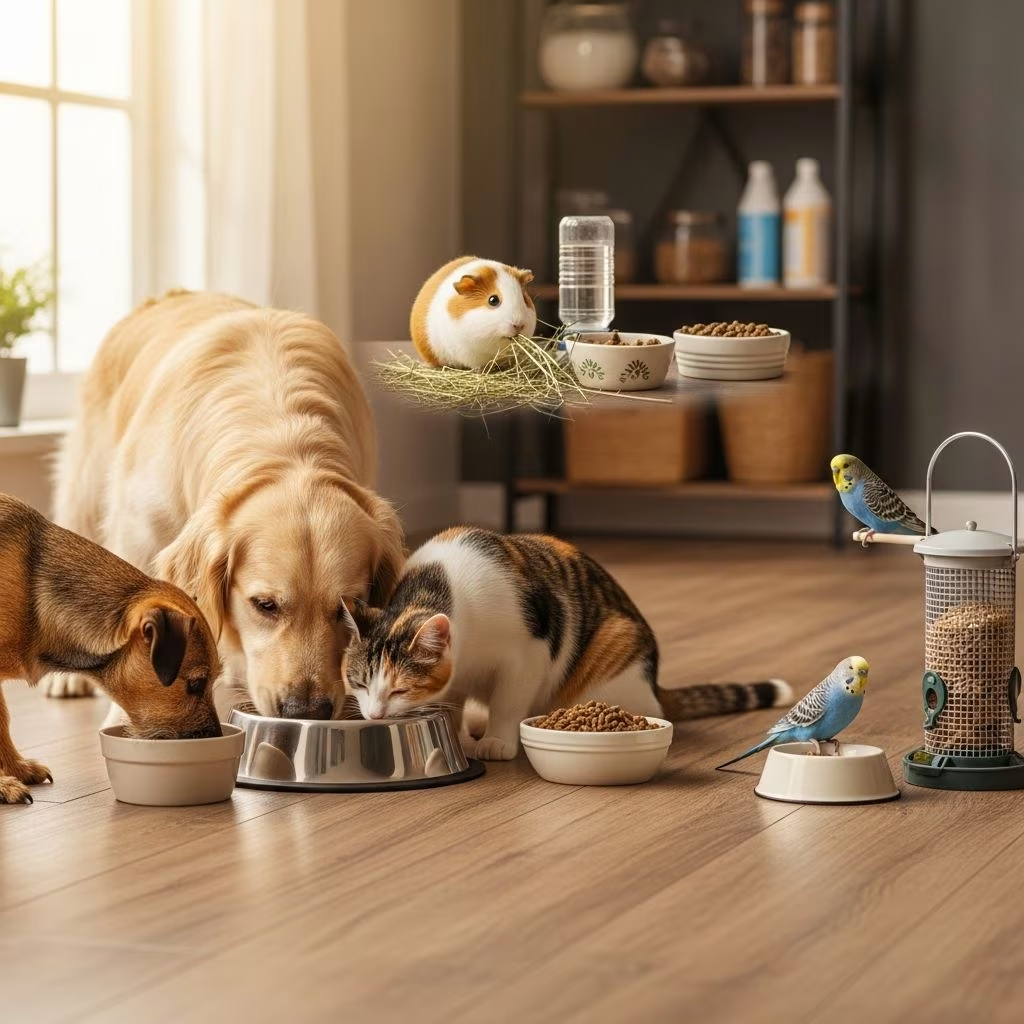
Feeding Multiple Pets: A Complete Guide
Managing a household with multiple pets requires thoughtful planning and attention to each animal’s unique nutritional needs. Whether you have several dogs, multiple cats, or a combination of both, understanding how to feed them properly is essential for maintaining their health and wellbeing. This comprehensive guide covers everything pet owners need to know about feeding multiple pets successfully.
Understanding Different Nutritional Requirements
One of the most critical aspects of feeding multiple pets is recognizing that different species and life stages have vastly different nutritional needs. Dogs and cats, while both domesticated carnivores, require different nutrient profiles to thrive.
Dogs vs. Cats: Why Food Matters
Dogs and cats have fundamentally different nutrient requirements, which means commercial foods designed for dogs are not designed to meet the nutritional needs of cats, and vice versa. This is the primary reason why you should never feed dog food to cats or cat food to dogs. Feeding the wrong species-specific food can lead to nutritional deficiencies or imbalances that negatively impact your pet’s health over time.
Growing Pets vs. Adult Pets
It is not recommended that growing puppies or kittens share the same food as adult pets in the home. Puppy and kitten foods are specifically formulated to meet the nutrient requirements of growth rather than adult maintenance. Growth products contain different nutrients and different amounts than what is typically found in adult foods. These specialized formulas support proper bone development, muscle growth, and immune system development that young animals require.
Calculating Your Pet’s Daily Calorie Needs
Understanding how many calories your pet needs each day is fundamental to maintaining a healthy weight and proper nutrition. The first step is to ask your veterinary healthcare team to help you calculate each of your pet’s daily calorie needs. Your family veterinarian can provide personalized recommendations based on your pet’s age, size, activity level, and health status.
It’s important to note that commercial dog and cat foods have different amounts of energy (or calories) in each gram of food. This means you can measure out one cup of two different pet foods and each cup will have a different number of calories. Therefore, relying on volume measurements alone is insufficient for accurate portion control.
The Treat Rule
A general guideline for treats is that no more than 10% of a pet’s total daily calories should come from treats, snacks, or people foods. This rule applies to both dogs and cats. This means if your dog requires 1,000 calories per day, no more than 100 calories should come from treats or table scraps. The remaining 900 calories should come from their regular meal.
The Importance of Individual Food Bowls
Although many pet owners prefer to use one food bowl for multiple dogs or cats to eat from, there are two important reasons to always feed each pet from its own bowl.
Portion Control and Weight Management
Dogs and cats have individual calorie needs, which means each pet needs a different volume of food. Feeding measured amounts in separate food bowls is the best way to ensure dogs and cats are not over- or under-fed. When pets share one bowl, it becomes nearly impossible to track how much each animal is consuming, which can lead to some pets overeating while others go hungry.
Health Monitoring
When dogs and cats don’t feel well, they don’t eat as much or not at all. If they are being fed in separate bowls, it will be obvious that they don’t feel well and should be taken to the family veterinarian for a check-up. When only one food bowl is used, it could be days or weeks before a pet parent realizes that one of the pets is not eating its usual amount of food. This delay in detection can be critical when a pet has a serious health issue that requires prompt treatment.
Water Bowls: To Share or Not to Share
Unlike food bowls, pets can share and drink from the same water bowl. However, there should be one source of fresh, clean water available for each pet in the home. For example, if there are two dogs and two cats living in a home, then there should be four different bowls of fresh clean water placed in various areas around the house.
Depending on where the animals spend time and where they eat, water bowls can be strategically placed in multiple locations such as a kitchen, basement, backyard, office, mud room, laundry room, or garage. This approach ensures that every pet has easy access to water throughout the day and reduces competition at feeding time.
Managing Different Diets in Multi-Pet Households
One of the greatest challenges in multi-pet homes is preventing younger animals from eating older pets’ special diets, and vice versa. This is particularly important when older pets have medical conditions requiring prescription diets.
The Low-Tech Approach
The most affordable and straightforward solution is to feed each animal from its own feeding bowl in separate areas of the home. Older pets may prefer the quiet space of a bedroom or bathroom, while younger pets can be fed in or near the kitchen and given access to a litterbox or outdoors so they can eliminate shortly after eating. This separation creates natural boundaries that prevent diet mixing.
Automatic Feeders
Automatic feeders are another excellent option for managing multiple pets with different dietary needs. These devices are set on a timer to release a controlled amount of food at specific hours during the day or night. Some advanced models are designed to read a pet’s microchip and will only release food when that specific pet is nearby, providing precision feeding for each animal.
Your family veterinarian can calculate the number of calories your pet needs and help determine the volume of food to be released at each meal. Automatic feeders range in price from about US$55 to US$300 and can be found at a variety of online stores.
Food Puzzles and Interactive Feeders
Food puzzles are also a good investment and can keep a younger pet busy and engaged while slowing their pace of eating. Some pet parents use food puzzles every day instead of placing food in a bowl, but puzzles can also be used a few times per week to deliver treats or meals.
This approach takes some patience while you teach the young pet how to work a puzzle to remove the food. Some dogs and cats enjoy certain puzzles more than others, and it may be helpful to read online reviews from people who have tried them. Commercial food puzzles range between US$10 and US$50, or you can check online websites for instructions on making your own puzzle feeder at home.
Practical Feeding Strategies
Beyond the basic setup, several practical strategies can make managing multiple-pet feeding easier and more effective.
Establishing Feeding Routines
Creating a consistent feeding schedule helps your pets’ bodies become conditioned to expect food at regular times. Hunger can be a great motivator, and when the stage is set for increased hunger followed by meals at regular times, your pets will develop predictable eating patterns. This consistency also makes it easier to monitor each pet’s appetite and notice when something seems off.
Using Measuring Tools
Keep a measuring cup handy and avoid simply guessing at portions. Precise measurement is crucial for maintaining proper weight and ensuring each pet receives appropriate nutrition. A kitchen scale can also be helpful for more accurate measurements, particularly for pets with specific caloric requirements.
Consulting with Your Veterinarian
Your veterinarian remains the best source of nutritional guidance for your pets. They can answer important questions such as the type of food to feed, how much to feed, and how frequently to feed each animal. If you’re unsure whether you’re feeding too much or too little, check with your vet. They may also recommend putting your pet on a food designed for weight loss if needed.
Special Dietary Considerations
Some pets may require specialized nutrition due to health conditions or life stages. When preparing home-cooked diets for your pets, the best way to avoid nutritional deficiencies and excesses is to follow recipes formulated by veterinary nutritionists. These professionals can provide recipes with appropriate ingredient substitutions and quantities to allow variety while maintaining nutritional balance.
Never feed cooked bones to pets, as cooked bones are brittle and prone to splintering, which can cause obstruction and perforation of the intestinal tract. If your pet is on a special medical diet, discuss this with your veterinarian to ensure consistency and proper management across all caregivers.
Frequently Asked Questions
Q: Can I feed my dog’s food to our cat or the cat’s food to our dog?
A: No, you should not feed dog food to cats or cat food to dogs. Dogs and cats have different nutrient requirements, and commercial foods designed for one species are not designed to meet the nutritional needs of the other species. Feeding the wrong food can lead to nutritional imbalances and health problems.
Q: Does each pet need their own food bowl?
A: Yes, each pet should have their own food bowl. Individual bowls allow you to control portion sizes for each pet’s specific calorie needs and make it easy to monitor each pet’s appetite and detect health issues early.
Q: Can all our cats or dogs drink from one water bowl?
A: Pets can share a water bowl, but it’s recommended to have one bowl per pet placed in different areas of the home to ensure all pets have easy access to fresh water throughout the day.
Q: Can our new puppy or kitten share the same food as our older dog or cat?
A: No, puppies and kittens should not share food with adult pets. Growing animals require specially formulated foods with different nutrients and amounts than adult maintenance foods to support proper development.
Q: How can I keep my puppy or kitten out of my older pet’s special diet?
A: The most affordable approach is to feed each animal separately in different areas of the home. Other options include using automatic feeders with microchip recognition or food puzzles to keep younger pets occupied while eating.
Q: What is a good treat limit for my pets?
A: No more than 10% of your pet’s total daily calories should come from treats, snacks, or people foods. Calculate your pet’s daily calorie needs with your veterinarian to determine an appropriate treat allowance.
Conclusion
Successfully feeding multiple pets requires understanding each animal’s unique nutritional needs, using individual food bowls, and implementing practical feeding strategies. By following these guidelines and working closely with your veterinary team, you can ensure all your pets receive proper nutrition and maintain optimal health. Remember that feeding time can be an important bonding time for your family, and creating routine and regular feeding times builds fun into everyday activities while keeping your pets healthy and happy.
References
- Feeding Multiple Pets — VCA Animal Hospitals. 2025. https://vcahospitals.com/know-your-pet/feeding-multiple-pets
- Feeding Times and Frequency for Your Dog — VCA Animal Hospitals. 2025. https://vcahospitals.com/know-your-pet/feeding-times-and-frequency-for-your-dog
- How to Help Your Dog or Cat Lose Weight — Elanco. 2025. https://yourpetandyou.elanco.com/us/health-and-care/how-to-help-my-dog-or-cat-lose-weight
- Nutrition – Natural Approaches to Feeding — VCA Animal Hospitals. 2025. https://vcahospitals.com/know-your-pet/nutrition—natural-approaches-to-feeding
- Feeding Times and Frequency for Your Cat — VCA Animal Hospitals. 2025. https://vcahospitals.com/know-your-pet/feeding-times-and-frequency-for-cats
- Nutrition for Inactive Adult Dogs — VCA Canada Animal Hospitals. 2025. https://vcacanada.com/know-your-pet/nutrition-for-inactive-adult-dogs



