

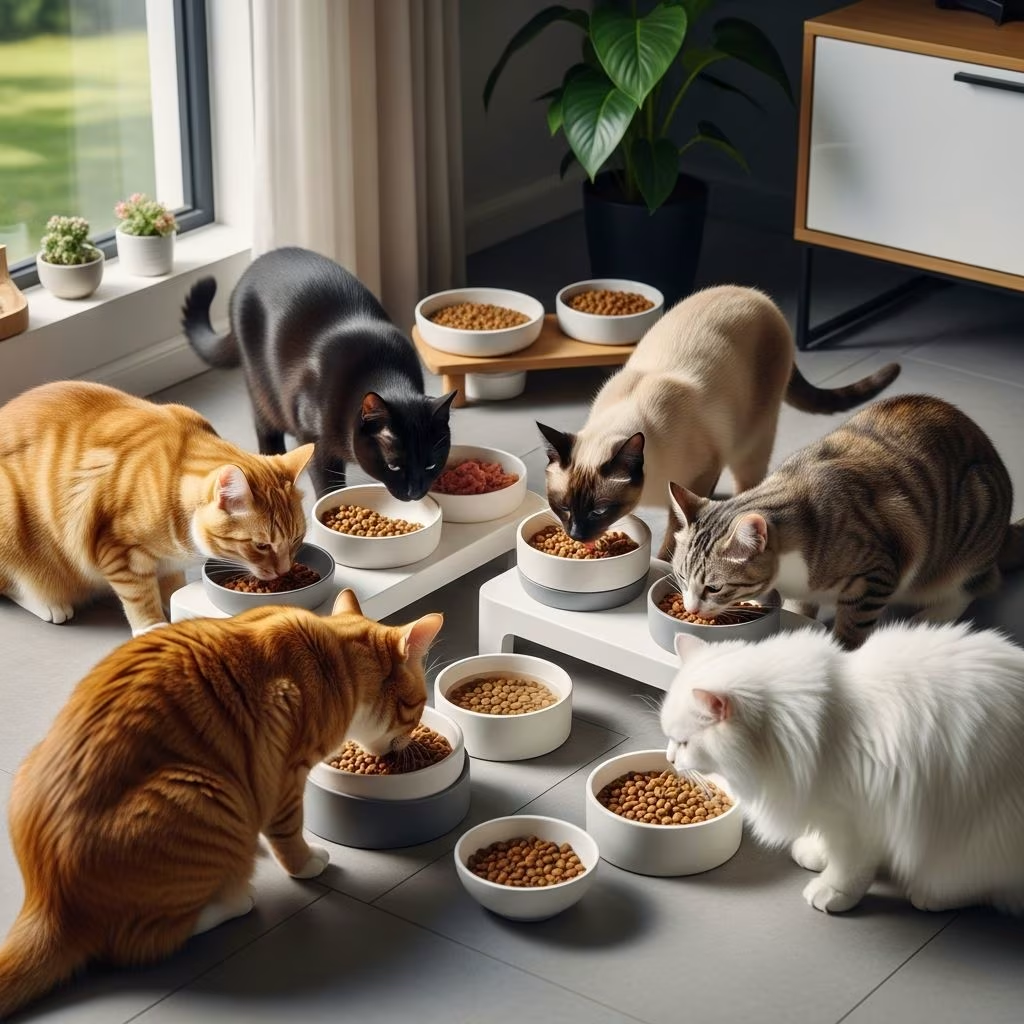
In households with more than one cat, mealtimes can quickly turn into a challenge. Ensuring every feline receives the appropriate nutrition while minimizing stress and competition demands thoughtful strategies. This guide explores comprehensive approaches to manage feeding routines, tailored to varying dietary requirements and eating behaviors.
Understanding Nutritional Diversity in Multi-Cat Homes
Cats in the same household often have distinct nutritional profiles based on age, health status, and activity levels. Kittens require high-energy formulas rich in proteins for growth, while seniors benefit from diets supporting joint health and kidney function. Adult cats might need weight management food if prone to obesity, and those with medical conditions like diabetes or urinary issues often depend on prescription diets.
Overlooking these differences can result in health complications. For instance, a fast-eating dominant cat might consume a slower companion’s specialized food, leading to inadequate intake or overconsumption. Veterinary recommendations emphasize portion control and diet specificity to maintain optimal weight and vitality.
Designing Optimal Feeding Environments
Creating dedicated spaces for each cat transforms chaotic mealtimes into peaceful routines. Start by assessing your home layout to identify quiet, accessible locations away from litter boxes, as cats prefer separation between elimination and eating areas.
- Horizontal Separation: Position bowls at least 10 feet apart in different rooms or corners to reduce visual competition.
- Vertical Levels: Utilize shelves, counters, or cat trees for elevated stations, ideal for agile cats while ground-level spots suit less mobile ones.
- Multi-Station Setup: Invest in modular feeding stations with multiple bowls, ensuring ample space to prevent territorial disputes.
These arrangements mimic natural foraging behaviors, where cats in wild colonies space out resources to avoid conflict.
Implementing Staggered Feeding Schedules
Not all cats synchronize their hunger cues. Implementing varied meal times prevents bolting and ensures fair access. Adult cats thrive on two to three meals daily, spaced 8-12 hours apart to stabilize blood sugar and digestion. Kittens, however, need three to four smaller portions due to rapid metabolism.
| Cat Age Group | Ideal Meals per Day | Spacing Recommendation |
|---|---|---|
| Kittens (under 6 months) | 4 | Every 4-6 hours |
| Adults | 2-3 | 8-12 hours apart |
| Seniors | 3-4 small meals | No more than 8 hours between |
Begin with a consistent routine: morning for one cat, evening for another. Use treats to lure hesitant cats to new spots, gradually building positive associations.
Leveraging Technology for Precision Feeding
Modern tools simplify multi-cat management. Microchip-activated feeders scan a cat’s collar tag, dispensing food only for the authorized user, effectively blocking food thieves. Programmable dispensers allow timed releases, accommodating staggered schedules even when owners are away.
- Smart Feeders: Models with cameras monitor consumption remotely, alerting to unfinished meals or intrusions.
- Portion-Control Devices: Pre-set amounts prevent overeating, crucial for dieters in shared homes.
- App-Integrated Systems: Track daily intake, adjusting for weight goals or vet-prescribed plans.
These devices not only enforce separation but also promote independence, reducing owner intervention.
Incorporating Puzzle Feeders and Slow-Eating Solutions
Cats descended from hunters prefer working for meals. Puzzle feeders—bowls with compartments or rolling balls—dispense kibble gradually, slowing aggressive eaters and engaging picky ones. Divide daily rations into 6-8 micro-meals scattered around, simulating prey pursuit and curbing bingeing.
For multi-cat dynamics, assign puzzles per cat in isolated zones. This equalizes eating paces, allowing slower cats to finish undisturbed. DIY options include muffin tins filled with kibble or bottle caps on trays.
Managing Diets for Health Conditions
When one cat requires a therapeutic diet, isolation is key. Feed the special-needs cat behind closed doors twice daily, supplementing the base household diet as needed. A common “safe” food available ad libitum prevents nutritional shortfalls for others.
Monitor weights monthly, consulting vets for adjustments. Transition foods gradually over 7-10 days to avoid digestive upset.
Common Challenges and Troubleshooting
Food Stealing: Elevate bully cats’ bowls or use timed feeders.
Picky Eaters: Warm food slightly or mix with wet varieties for aroma.
Stress Signals: Watch for hiding, aggression, or vomiting—adjust spaces promptly.
Daily Routine Blueprint
- Prepare stations: Fresh water near each food spot, bowls cleaned daily.
- Feed sequentially: 10-15 minutes per cat, supervised initially.
- Midday puzzle deployment for grazing simulation.
- Evening check: Remove leftovers to deter insects and encourage completion.
Long-Term Health Monitoring
Regular vet check-ups track body condition scores. Aim for waist visibility and palpable ribs without prominence. Adjust calories: 20-30 kcal per pound of ideal weight daily, split across meals.
Frequently Asked Questions
How do I stop my cat from eating the others’ food?
Use microchip feeders or separate rooms during meals. Stagger times by 10-15 minutes.
Can all cats share the same food?
Only if needs align; otherwise, risks include obesity or deficiencies.
What’s the best number of meals for multiple cats?
2-4 per day, based on age, with no gaps over 8-12 hours.
Are automatic feeders worth it?
Yes, for consistency and travel scenarios in busy multi-cat homes.
How far should feeding stations be apart?
Minimum 10 feet, preferably out of sight.
References
- How to Feed Multiple Cats — Purina. Accessed 2026. https://www.purina.com/articles/cat/feeding/guides/how-to-feed-multiple-cats
- Feeding Multi-Cat Households: How to Keep Mealtimes Stress-Free — Fuzzball Club. Accessed 2026. https://fuzzball.club/blogs/news/feeding-multi-cat-households-how-keep-mealtimes-stress-free
- Cat Feeding: How to Feed Multiple Cats In One Home — Whisker. Accessed 2026. https://www.whisker.com/blog/how-to-feed-multiple-cats
- Dr. Detective: How do I feed the multicat household with different needs? — Canadian Veterinary Medical Association. 2021-11. https://www.canadianveterinarians.net/media/h43hpkwb/dr-detective-multicat-feeding-cvma-sbcv-nov-2021-1.pdf
- Feeding Tips and Feeders for Multi-Cat Homes — Preventive Vet. Accessed 2026. https://www.preventivevet.com/cats/tips-for-feeding-multiple-cats
- Multiple Cats, Different Diets – how to cope — YouTube (Petlibro). Accessed 2026. https://www.youtube.com/watch?v=pN0zEYOhYsw
- Fostering harmonious feeding with multiple cats — dvm360. Accessed 2026. https://www.dvm360.com/view/fostering-harmonious-feeding-with-multiple-cats



