

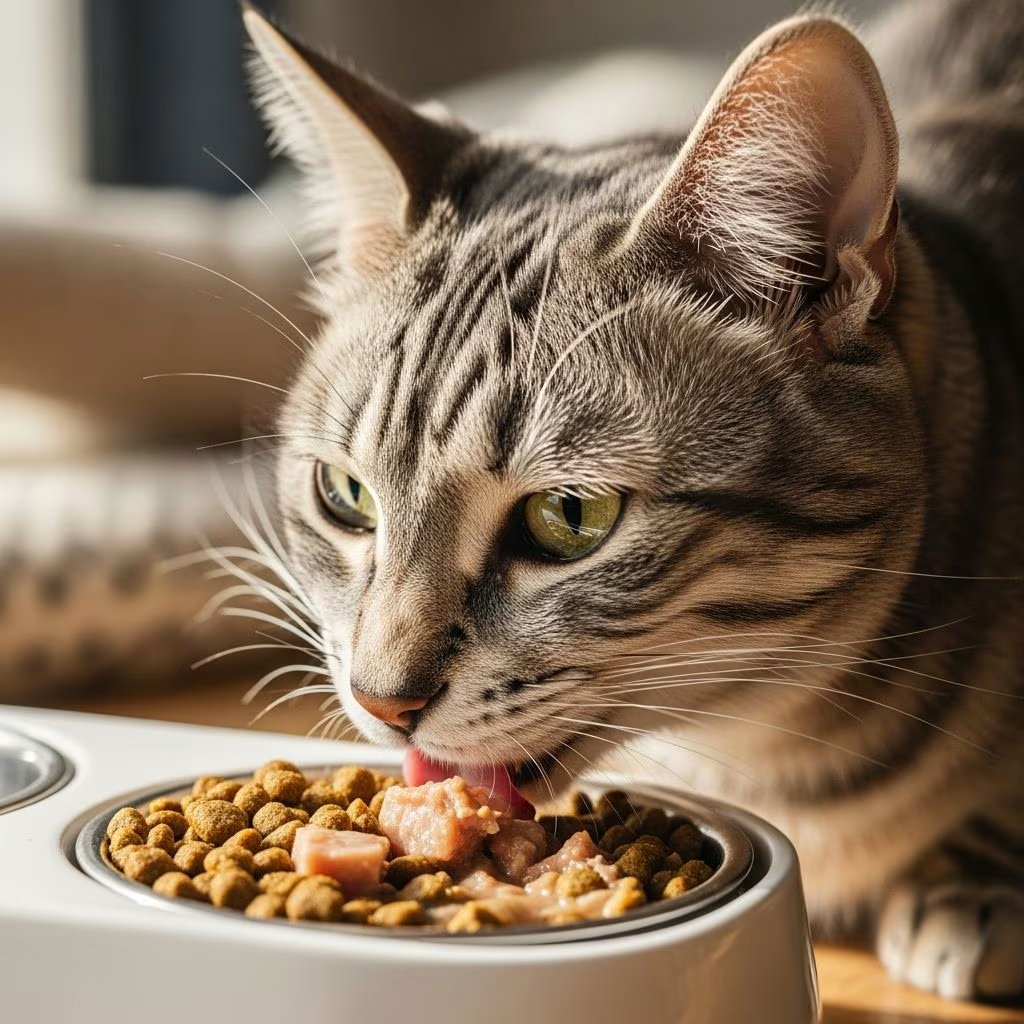
Feeding Mature, Senior & Geriatric Cats: A Comprehensive Nutritional Guide
As your feline companion enters their golden years, their nutritional needs change significantly. Mature, senior, and geriatric cats require specialized feeding strategies to maintain optimal health, manage age-related conditions, and support their overall well-being. Understanding how to feed your aging cat properly is essential for ensuring they enjoy a comfortable and healthy life in their later years.
Unlike dogs, there is no universally defined age at which cats are classified as senior or geriatric. However, most cats enter their mature years around age 7, become senior cats around age 11-12, and reach geriatric status around age 15 years and older. Each cat ages differently based on genetics, overall health, and lifestyle factors, making personalized nutrition crucial for their specific needs.
Understanding Age-Related Changes in Senior Cats
As cats age, they experience numerous physiological changes that directly impact their nutritional requirements. Recognizing these changes is the first step toward providing appropriate nutrition for your mature feline.
Metabolic Changes
Senior cats often experience changes in their metabolism and energy expenditure. Some cats may gain weight due to decreased activity levels, while others may struggle to maintain a healthy weight. Activity levels naturally decline with age, making it essential to adjust calorie intake accordingly. Your veterinarian can help determine whether your senior cat needs calorie-dense or calorie-reduced food based on their individual body condition and activity level.
Dental Health Concerns
Dental disease is extremely common in senior cats and can significantly impact their ability to eat. Cats with dental problems may experience pain or discomfort when chewing, leading to reluctance to eat hard kibble. This can result in malnutrition if not addressed appropriately. Softening dry food with water, switching to wet canned food, or selecting specialized dental diets can help overcome these challenges and ensure your cat continues to receive adequate nutrition.
Digestive System Changes
The digestive system becomes less efficient with age, making it more difficult for senior cats to process and absorb nutrients. High-quality, easily digestible food formulated specifically for senior cats can help maximize nutrient absorption and support gastrointestinal health. Foods with highly digestible proteins and fats are particularly beneficial for aging cats.
Reduced Sense of Thirst
One of the most significant changes in senior cats is a decreased ability to sense thirst, which can lead to chronic dehydration. Dehydration is particularly problematic for cats with kidney disease, a condition extremely common in older felines. Increased water intake helps support kidney function and overall health in senior cats.
Nutritional Requirements for Senior Cats
While specific nutrient requirements for senior cats are still being researched and refined, veterinarians recommend that all older cats should be assumed to have some degree of underlying disease, particularly affecting the kidneys and liver. This understanding guides dietary recommendations for mature cats.
Phosphorus and Kidney Health
One of the most important nutritional considerations for senior cats is phosphorus content. A diet with moderate phosphorus restriction is usually recommended for older cats, as excessive phosphorus can exacerbate kidney disease progression. Your veterinarian may recommend a therapeutic diet formulated to support kidney function and slow disease progression in senior cats.
Protein Quality and Quantity
While cats require adequate protein throughout their lives, the quality and digestibility of protein become increasingly important in senior years. High-quality, easily digestible proteins support muscle maintenance and overall metabolic function. However, if your cat has kidney disease, protein restriction may be recommended, and your veterinarian will provide specific guidance based on their condition.
Managing Chronic Conditions Through Diet
Many senior cats develop chronic health conditions including kidney disease, diabetes, arthritis, and gastrointestinal issues. Prescription and therapeutic diets are available that provide specific nutrient profiles designed to help manage these conditions. Some diets include ingredients that support joint health and mobility, while others are formulated to minimize strain on compromised kidneys or digestive systems.
Feeding Guidelines for Senior Cats
Portion Control and Calorie Management
Maintaining a healthy body weight is crucial for senior cat health, yet many older cats become overweight due to decreased activity and improper portion sizes. Modern cat foods are highly palatable and often calorie-dense, meaning cats can easily exceed their caloric needs without portion control. Your veterinarian can assess your cat’s body condition and recommend appropriate portion sizes based on their individual needs, activity level, and health status.
Changes in activity level and overall health can make senior pets more prone to weight gain or loss. Food intake, portion size, and meal frequency may need adjustment as your cat ages. Regular weigh-ins and body condition assessments help determine whether nutritional adjustments are necessary.
Meal Frequency Recommendations
The most common recommendation for feeding senior cats is at least two meals per day. Some cats may benefit from three smaller meals, as this can help with digestion and prevent overeating. The specific feeding schedule should be based on your cat’s individual preferences and health needs. Maintaining a consistent feeding schedule helps create routine and predictability, which is especially important for senior cats.
Food Consistency and Texture
Senior cats may have difficulty eating hard kibble due to dental issues or decreased ability to chew. Consider these modifications:
- Add canned wet food to their diet
- Soak dry kibble with water to soften it
- Add water to canned food to increase moisture content
- Transition to primarily wet or canned food formulas
- Consult your veterinarian about therapeutic soft food options
Hydration and Water Management
Adequate hydration is critical for senior cats, as aging reduces their natural thirst mechanism. Chronic dehydration can accelerate kidney disease and contribute to various health problems. Implementing strategies to encourage water intake is essential for maintaining senior cat health.
Hydration Enhancement Strategies
To ensure your senior cat stays properly hydrated, consider these practical approaches:
- Place multiple water bowls throughout your home, particularly on each floor
- Position water bowls in areas your cat frequents, separate from food and litter areas
- Invest in a cat water fountain, as many cats prefer moving, circulating water
- Experiment with different bowl materials (stainless steel, ceramic, glass)
- Try different water temperatures (cold, room temperature, or slightly warm)
- Switch from dry kibble to wet canned food to increase moisture intake
Monitoring changes in your cat’s drinking behavior is important. A sudden increase or decrease in water consumption can indicate underlying health problems and should be discussed with your veterinarian immediately.
Choosing the Right Senior Cat Food
Selecting appropriate food for your senior cat requires careful consideration and consultation with your veterinary healthcare team. Each cat has different nutritional requirements based on their age, body condition, and any existing medical conditions.
Working with Your Veterinarian
Your veterinarian performs a comprehensive nutritional assessment that includes a thorough physical examination to assess body condition and composition. They will also identify any medical conditions that could be addressed through dietary modifications. This professional guidance is invaluable when selecting food that meets your senior cat’s unique needs.
Understanding Food Labels
When evaluating senior cat foods, look for the AAFCO (Association of American Feed Control Officials) nutritional adequacy statement on the label. This statement confirms that the food is complete and balanced. For senior cats, select foods specifically formulated for senior or mature life stages, as these contain appropriate nutrient profiles for aging felines.
Prescription vs. Over-the-Counter Options
Both prescription and over-the-counter senior cat foods are available. Prescription diets are formulated to manage specific conditions such as kidney disease, diabetes, or arthritis. Over-the-counter senior foods provide balanced nutrition for generally healthy aging cats. Your veterinarian will recommend the most appropriate option based on your cat’s individual health status.
Managing Medical Conditions Through Nutrition
Many senior cats develop chronic diseases that benefit from dietary management. Proper nutrition can help slow disease progression, reduce symptoms, and improve quality of life.
Kidney Disease Management
Chronic kidney disease is extremely prevalent in senior cats. Therapeutic diets formulated for kidney disease typically feature moderate protein restriction, reduced phosphorus, and controlled sodium levels. These diets help minimize strain on diseased kidneys and slow progression of the disease.
Arthritis and Joint Support
Senior cats often develop arthritis and joint pain. Specialized diets containing glucosamine, chondroitin, omega-3 fatty acids, and other joint-supporting nutrients can help manage arthritis symptoms and maintain mobility. Maintaining a healthy body weight also reduces stress on aging joints.
Gastrointestinal Support
Some senior cats develop sensitivity to average cat diets and require specially formulated foods to support digestive health. Diets with easily digestible carbohydrates, high-quality proteins, and appropriate fiber levels can resolve gastrointestinal issues and improve nutrient absorption.
Weight Management for Senior Cats
Some older cats need assistance losing weight, while others struggle to maintain adequate weight. Your veterinarian can recommend appropriate caloric levels and food formulations to help your senior cat achieve optimal body condition. Weight loss should be gradual and monitored to prevent complications.
Monitoring Your Senior Cat’s Nutrition
Regular Veterinary Assessments
Regular lab work and physical examinations are essential for senior cats. Your veterinarian can monitor kidney function, liver health, blood glucose levels, and other important markers that may indicate the need for dietary adjustments. These assessments help catch developing health problems early when dietary intervention is most effective.
Observing Eating Habits and Appetite
Changes in appetite, eating speed, or food preferences can indicate underlying health problems. Some senior cats eat less than usual due to decreased appetite or dental pain, while others may eat more due to thyroid conditions. Report any significant changes in eating habits to your veterinarian promptly.
Body Condition Scoring
Regularly assess your senior cat’s body condition by gently feeling their ribs, spine, and waist area. You should be able to feel ribs without pressing hard, and there should be a visible waist when viewed from above. Work with your veterinarian to maintain an ideal body condition score throughout your cat’s senior years.
Transition Considerations
When changing to a new food, transition gradually over 7-10 days to prevent gastrointestinal upset. Mixing increasing amounts of new food with decreasing amounts of old food allows your cat’s digestive system to adjust and helps prevent diarrhea or vomiting.
Special Considerations for Geriatric Cats
Geriatric cats (typically 15 years and older) may require even more specialized care and feeding considerations than senior cats. These very old cats often have multiple health conditions requiring careful nutritional management.
Geriatric cats may experience reduced ability to control urination and defecation. Providing multiple litter boxes on each floor of your home, near favorite sleeping and eating areas, reduces stress and accidents. Combining appropriate litter box management with proper nutrition helps maintain dignity and comfort for your very senior cat.
Some geriatric cats develop increased sensitivity to medications and dietary changes. Any dietary modifications should be made gradually and under veterinary supervision. More frequent veterinary check-ups may be necessary to monitor their changing health status.
Frequently Asked Questions About Senior Cat Nutrition
At what age should I switch my cat to senior food?
Most cats can benefit from transitioning to senior food around age 7-11, depending on individual circumstances. However, there is no universal age requirement. Your veterinarian can recommend when your specific cat would benefit from a senior formula based on their individual health profile and assessment.
Do all senior cats need prescription diets?
Not all senior cats require prescription diets. Generally healthy aging cats may thrive on high-quality over-the-counter senior formulas. Prescription diets are specifically recommended for cats with chronic health conditions such as kidney disease, diabetes, or digestive disorders.
How much water should my senior cat drink?
Senior cats should drink approximately 1 ounce of water per pound of body weight daily. However, individual requirements vary based on diet type (wet vs. dry food), health conditions, and activity level. A sudden change in water consumption warrants veterinary evaluation.
Can I feed my senior cat the same food as my younger cats?
While some foods are formulated for all life stages and can work for both senior and younger cats, foods specifically formulated for senior cats typically provide better nutritional support for aging needs. If you have multiple cats of different ages, feeding them appropriate foods for their life stages is ideal.
What should I do if my senior cat refuses to eat?
Sudden loss of appetite in senior cats indicates a potential health problem and warrants immediate veterinary evaluation. Possible causes include dental disease, illness, medication side effects, or food aversion. Your veterinarian can diagnose the underlying cause and recommend appropriate solutions.
How often should senior cats be examined by a veterinarian?
Senior cats benefit from veterinary examinations at least twice yearly, with geriatric cats potentially requiring more frequent visits. Regular monitoring helps detect developing health problems early when dietary and medical interventions are most effective.
References
- Senior Cat Care – Special Considerations — VCA Canada. Accessed 2025. https://vcacanada.com/know-your-pet/cat-care
- Top Tips for Feeding Your Senior Pet — VCA Animal Hospitals. Accessed 2025. https://vcahospitals.com/shop/home/pet-life-stages/adult-to-senior/top-tips-for-feeding-your-senior-pet
- Helping Our Senior Cats Age Gracefully — VCA Animal Hospitals. Accessed 2025. https://vcahospitals.com/know-your-pet/helping-our-senior-cats-age-gracefully
- Nutrition – General Feeding Guidelines for Cats — VCA Animal Hospitals. Accessed 2025. https://vcahospitals.com/know-your-pet/nutrition-feeding-guidelines-for-cats
- Feeding Your Cat Well – An Overview — VCA Animal Hospitals. Accessed 2025. https://vcahospitals.com/know-your-pet/feeding-your-cat-well-an-overview
- AskVCA Nutrition – What Should I Feed My Senior Pet? — VCA Animal Hospitals. October 6, 2022. https://www.youtube.com/watch?v=HNUgWPs5lw4



