

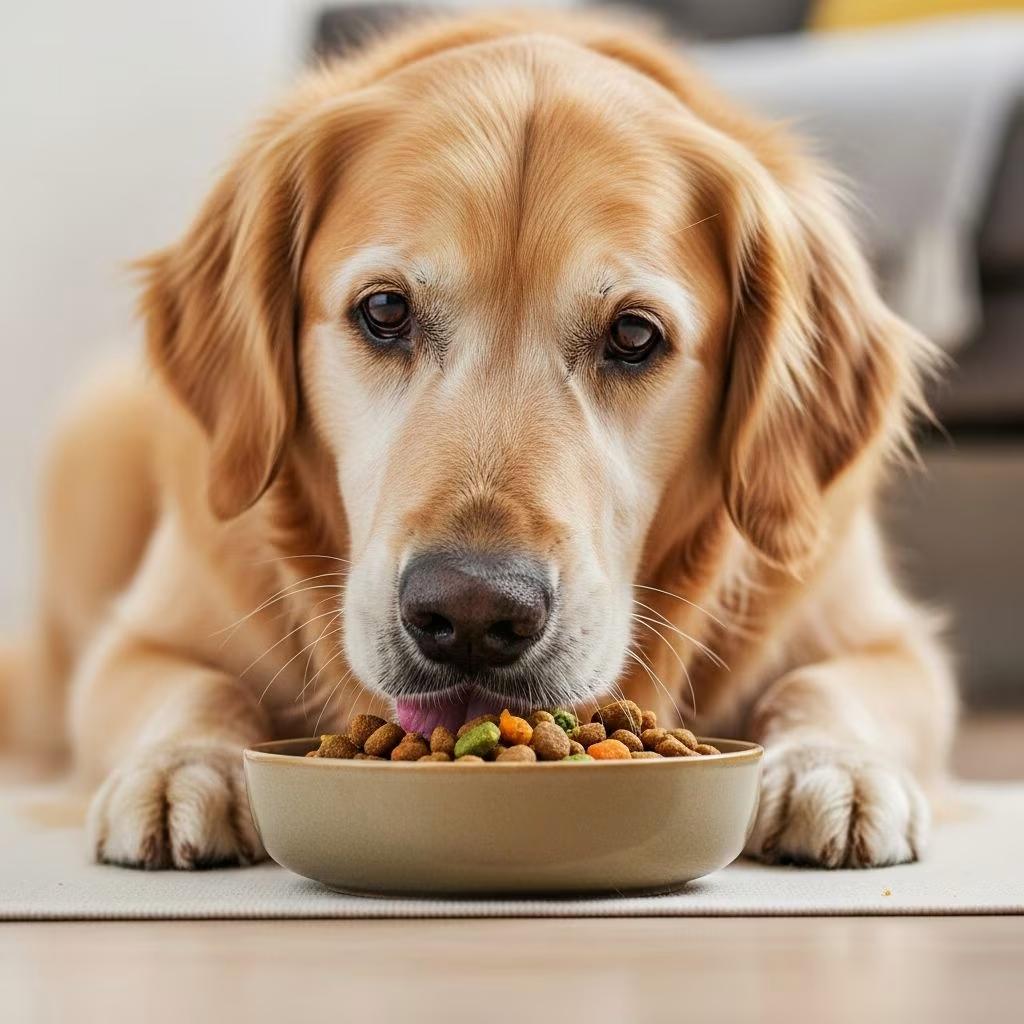
Feeding Mature and Senior Dogs: A Comprehensive Nutrition Guide
As dogs enter their golden years, their nutritional needs change significantly. Senior dogs experience various age-related physical changes, including decreased mobility, arthritis, and potential weight fluctuations. Understanding how to properly feed your mature and senior dog is essential for maintaining their health, quality of life, and managing age-related health conditions. This comprehensive guide covers everything you need to know about transitioning to senior dog nutrition and maintaining optimal feeding practices.
Understanding Senior Dog Nutrition Requirements
One of the most important facts to understand about senior dog nutrition is that there are no officially established nutrient requirements specifically for senior dogs. Unlike puppies and adult dogs, which have standardized nutrient guidelines set by the Association of American Feed Control Officials (AAFCO), senior dogs lack such formal requirements. This is because adult dogs vary broadly in when and how they begin to age, making it difficult to organize nutrient needs into a single standardized set of requirements.
This variation means that pet food manufacturers have significant flexibility in formulating senior dog foods. While most senior dog foods are designed to be less calorie-dense than puppy or young adult formulas, some products may contain protein calorie levels similar to growth diets. The amounts of nutrients found in different senior dog food brands can vary widely, which is why consulting with your veterinarian is crucial when selecting the right diet for your aging companion.
Key Principles for Feeding Senior Dogs
When feeding your mature or senior dog, several fundamental principles should guide your decisions:
- Control calorie intake and avoid nutrient excesses to prevent obesity and weight-related health issues
- Ensure proper hydration, as older pets often have a decreased sense of thirst
- Provide a balanced diet with appropriate levels of fat, protein, phosphorus, and sodium
- Monitor appetite and eating habits for signs of underlying health problems
- Adjust portions based on your dog’s individual body condition and weight
The Importance of Portion Control
Portion feeding plays a vital role in the nutritional management of senior dogs. Rather than leaving food available all day (free-feeding), scheduled portion feeding allows you to monitor your dog’s appetite more closely. This practice is particularly important because decreased or absent appetite can signal underlying medical problems—one of the most common reasons dogs visit their veterinarian.
By feeding your senior dog two, three, or four smaller meals throughout the day instead of one large meal, you can better control calorie intake while supporting more consistent energy levels and improved digestion. This feeding schedule also helps you quickly identify if your dog is leaving food uneaten, which could indicate health concerns requiring veterinary attention.
Work with your veterinarian to establish a specific portion recommendation tailored to your individual dog’s needs. Rather than relying solely on the feeding chart on the product label, which may overestimate appropriate portions, get a professional assessment. Once you know the correct daily amount, divide it into multiple meals based on your schedule. Schedule regular weigh-ins at your veterinarian’s office every 2 months to monitor any weight changes, and ask your veterinarian to teach you how to assess your dog’s body condition score at home.
Nutrient Balance: Fat, Protein, Phosphorus, and Sodium
As dogs age, they undergo significant metabolic changes. Studies show that senior dogs’ daily energy requirements may decrease by 12–13%, which is why calorie management becomes increasingly important. However, while calories decrease, the quality and appropriate balance of specific nutrients become even more critical.
Protein in Senior Dog Diets
Protein is a critical nutrient for maintaining good physical health as dogs age. While the optimal amount of protein for senior dogs remains a topic of professional discussion among veterinarians and nutritionists, there is strong agreement that higher protein quality is essential. Contrary to an old misconception, high-protein food has not been shown to cause kidney disease in healthy older dogs. However, once kidney function becomes compromised, it becomes important to re-evaluate the protein and phosphorus levels in your dog’s diet in consultation with your veterinarian.
Fat Considerations
Fat management is important for senior dogs, as excess fat can contribute to obesity and related health problems. Senior dog foods typically contain lower fat levels compared to growth diets, helping prevent excessive calorie intake. However, healthy fats remain essential for cognitive function, skin health, and overall well-being.
Phosphorus and Sodium
Appropriate phosphorus and sodium levels become particularly important for senior dogs, especially those with kidney disease or other chronic conditions. Your veterinarian may recommend specific restrictions on these minerals depending on your dog’s health status and medical history.
Transitioning Your Senior Dog to a New Diet
Switching your senior dog to a new diet too quickly can cause digestive upset, which is a particular concern for older dogs with more sensitive digestive systems. To ensure a smooth transition, follow these steps:
- Start Slow: Mix 25% of the new food with 75% of their current diet for the first few days
- Increase Gradually: Every 3–4 days, increase the new food portion while decreasing the old food portion
- Monitor Response: Watch for any signs of digestive upset, such as vomiting or diarrhea, and proceed slowly if problems occur
- Complete Transition: Allow 7–10 days for a complete transition to the new food
Treats and Snacks for Senior Dogs
When selecting treats for your senior dog, choose options that align with their specialized nutritional needs. Your veterinarian may suggest purchasing commercial treats that reflect the nutrient balance of your dog’s chosen senior diet. Look for low-calorie treats that contain fewer than 10 calories per piece.
Avoid table scraps, as these are not nutritionally balanced and often contain high levels of fat and sodium that are inappropriate for senior dogs. Instead, consider these healthy treat alternatives:
- Water-based vegetables: fresh or frozen green beans, carrots, cucumbers, broccoli, and lettuce are very low in calories
- Fresh or frozen fruits: small servings of apples, bananas, oranges, or various berries make excellent guilt-free treats
- Commercial low-calorie treats designed for senior dogs
- Plain, unsalted cooked chicken (in moderation)
Hydration Needs for Senior Dogs
As pets age, their sense of thirst often decreases, making dehydration a common concern in senior dogs. Ensure your older dog has constant access to fresh, clean water. Consider placing multiple water bowls throughout your home to encourage regular drinking. Some senior dogs may benefit from eating canned or wet food, which contains more moisture than dry kibble, helping to increase overall fluid intake.
Special Dietary Considerations
Dental Health and Food Texture
Senior dogs are more likely to experience dental disease, including tooth and gum sensitivity. This can make chewing harder kibble painful or difficult. If your senior dog struggles with conventional dry food, discuss options with your veterinarian, including:
- Softened kibble (soaked in warm water or broth)
- Wet or canned senior dog food
- Dental-specific diets formulated to be easier to chew
Managing Chronic Conditions
Many senior dogs develop chronic health conditions such as kidney disease, arthritis, diabetes, or gastrointestinal issues. Your veterinarian may recommend specific prescription or specialized over-the-counter diets designed to help manage these conditions. Dietary modifications can play a significant role in managing these diseases and improving quality of life. Always consult with your veterinarian before making dietary changes if your dog has any diagnosed health conditions.
Foods to Avoid for Senior Dogs
Certain foods should never be fed to senior dogs, as they can cause serious health complications:
- Grapes and raisins: Even small amounts can cause kidney failure
- Onions and garlic: These can damage red blood cells, leading to anemia
- Excessively fatty meats: Bacon, sausage, and other high-fat foods can contribute to pancreatitis
- Chocolate: Contains theobromine, which is toxic to dogs
- Avocado: Contains persin, which can cause digestive upset
- Xylitol: An artificial sweetener that is extremely toxic to dogs
Monitoring Your Senior Dog’s Health Through Nutrition
Regular weight monitoring is essential for senior dogs. Weigh your dog on the same scale at least every two months, as weight changes can be early indicators of disease. Work with your veterinarian to establish a healthy weight range for your individual dog and adjust portions accordingly as your dog ages.
Pay close attention to changes in appetite or eating habits, as these often signal underlying health problems. If you notice your senior dog eating significantly more or less than usual, experiencing difficulty swallowing, or showing other changes in eating behavior, contact your veterinarian promptly.
Working with Your Veterinarian
Your veterinarian is your best resource when selecting and adjusting your senior dog’s diet. They can:
- Recommend senior dog foods appropriate for your dog’s individual needs
- Establish specific portion sizes tailored to your dog
- Monitor body condition and weight changes
- Recommend dietary modifications for managing chronic diseases
- Suggest feeding schedules that work best for your lifestyle
- Identify any dietary concerns or interactions with medications
Frequently Asked Questions About Feeding Senior Dogs
Q: At what age is my dog considered senior?
A: The age at which dogs become senior varies by breed and size. Smaller breeds may not be considered senior until 10–12 years old, while larger breeds may be senior by 6–7 years old. Your veterinarian can help determine when your individual dog should transition to senior nutrition.
Q: How often should I feed my senior dog?
A: Most senior dogs benefit from being fed at least two meals per day, spread throughout the day. Some may benefit from three or four smaller meals, depending on their individual health status and your schedule. Discuss the optimal feeding frequency for your dog with your veterinarian.
Q: Should my senior dog eat wet or dry food?
A: This depends on your individual dog’s needs. Wet food contains more moisture and may be easier to chew for dogs with dental disease. Dry food is more convenient and can help with dental health through the chewing action. Some senior dogs do well on a combination of both. Your veterinarian can recommend what’s best for your dog.
Q: How much should I feed my senior dog?
A: The amount depends on your dog’s breed, size, activity level, current health status, and body condition. Rather than relying on package feeding guidelines, ask your veterinarian for a specific recommendation tailored to your individual dog’s needs.
Q: Can senior dogs eat regular adult dog food?
A: While senior dogs can technically eat regular adult food, specialized senior formulas are typically designed with their changing nutritional needs in mind, including appropriate calorie levels and nutrient balance. Discuss with your veterinarian whether transitioning to a senior formula is appropriate for your dog.
Q: What if my senior dog won’t eat their senior food?
A: If your senior dog refuses their food, consult your veterinarian, as decreased appetite can indicate underlying health issues. Your veterinarian may recommend a different food texture, brand, or formulation that your dog finds more palatable.
Conclusion
Feeding your mature and senior dog appropriately is one of the most important things you can do to support their health and quality of life during their golden years. By understanding their changing nutritional needs, implementing portion control, ensuring proper hydration, and maintaining open communication with your veterinarian, you can help your senior companion enjoy their later years in optimal health. Remember that each senior dog is unique, and what works for one may not work for another. Regular veterinary check-ups, careful monitoring of weight and appetite, and willingness to adjust your feeding approach as needed will help ensure your senior dog receives the nutrition they need to thrive.
References
- Feeding Mature and Senior Dogs — VCA Animal Hospitals. 2024. https://vcahospitals.com/know-your-pet/feeding-mature-and-senior-dogs
- Top Tips for Feeding Your Senior Pet — VCA Animal Hospitals. 2024. https://vcahospitals.com/shop/home/pet-life-stages/adult-to-senior/top-tips-for-feeding-your-senior-pet
- Senior Dog Care: Special Considerations for Dogs — VCA Animal Hospitals. 2024. https://vcahospitals.com/know-your-pet/senior-dog-care-special-considerations-for-dogs
- Nutrition General Feeding Guidelines for Dogs — VCA Animal Hospitals. 2024. https://vcahospitals.com/know-your-pet/nutrition-general-feeding-guidelines-for-dogs
- Feeding Times and Frequency for Your Dog — VCA Animal Hospitals. 2024. https://vcahospitals.com/know-your-pet/feeding-times-and-frequency-for-your-dog



