

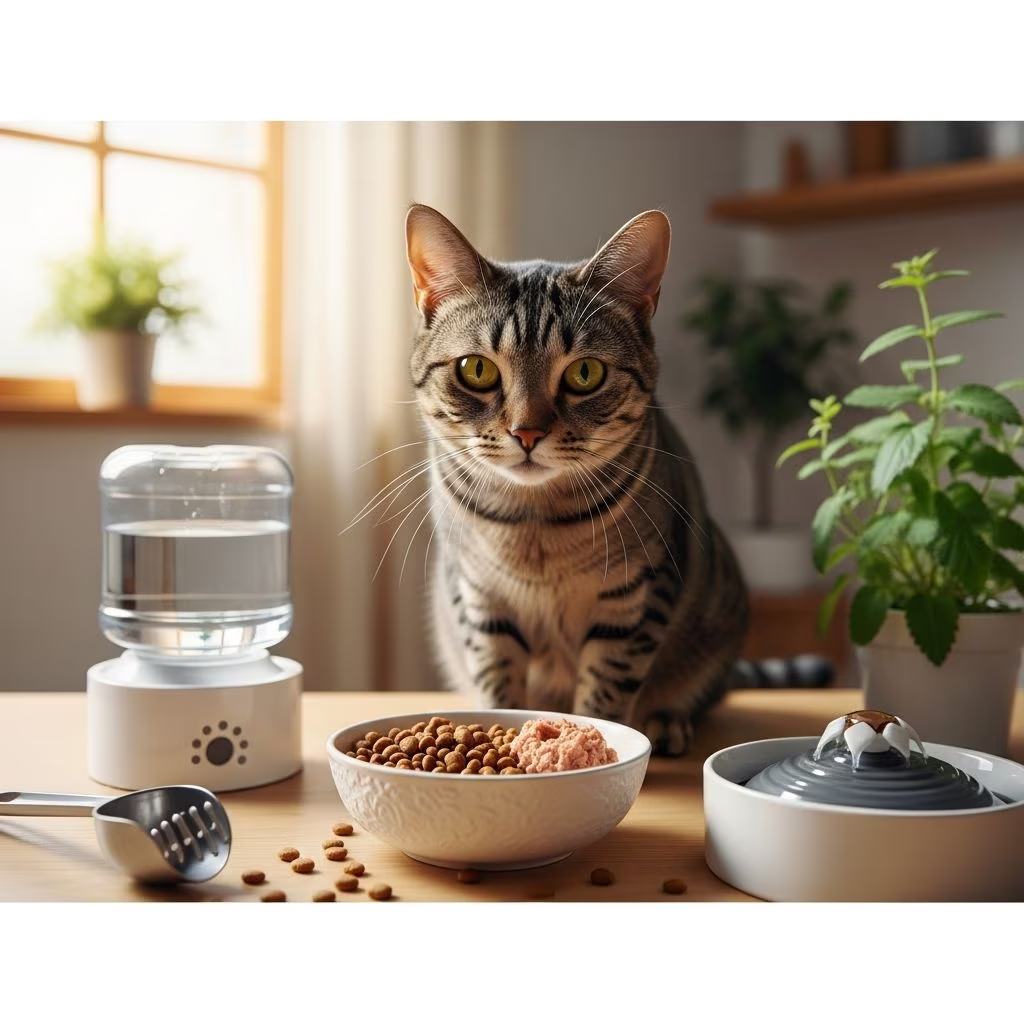
Feeding Your Indoor Cat the Right Way
Indoor cats have unique nutritional needs that differ significantly from their outdoor counterparts. Since they spend most of their time indoors with limited opportunities for natural hunting and physical activity, their caloric requirements are substantially lower. Understanding how to feed your indoor cat properly is essential for maintaining a healthy weight, preventing digestive issues, and ensuring they receive all the nutrients they need to thrive. This comprehensive guide covers the top vet-recommended strategies for feeding indoor cats, helping you make informed decisions about your feline companion’s diet.
Understanding Indoor Cat Nutritional Needs
Indoor cats typically have slower metabolisms compared to outdoor cats because they engage in less strenuous physical activity throughout the day. This reduced activity level means they require fewer calories to maintain a healthy weight. Many indoor cat owners struggle with weight management in their pets, as the combination of limited activity and ad-libitum feeding practices can quickly lead to obesity and related health complications.
The key to proper indoor cat feeding is striking a balance between meeting their nutritional requirements and managing their caloric intake. Cats are obligate carnivores, meaning they require protein from meat sources to thrive and maintain muscle mass. This fundamental nutritional need doesn’t change whether your cat lives indoors or outdoors; what changes is the total volume of food they need to consume daily.
Top Three Vet-Recommended Tips for Feeding Your Indoor Cat
1. Encourage Regular Exercise and Physical Activity
The first and most important strategy for maintaining your indoor cat’s health is encouraging regular exercise. Many cat owners underestimate the importance of physical activity in weight management and overall wellness. Exercise not only burns calories but also provides mental stimulation, reduces stress, and improves digestive function.
Create an enriching indoor environment that motivates your cat to move throughout the day. This can include:
- Interactive toys such as feather wands, laser pointers, and automated toys
- Climbing structures, cat trees, and wall-mounted shelves
- Window perches for bird watching and mental stimulation
- Regular play sessions scheduled at consistent times each day
- Food puzzle toys that require physical engagement to access meals
Playing with your cat for at least 15-30 minutes daily can significantly impact their weight management and overall health. Consider using food dispensing toys to combine feeding time with physical activity, making mealtime more engaging and beneficial for your indoor companion.
2. Feed 200 Calories Daily in Smaller, Frequent Meals
A practical and vet-endorsed guideline for indoor cats is providing approximately 200 calories per day, divided into multiple smaller meals rather than one or two large feedings. This approach aligns with cats’ natural eating patterns, as they are designed to consume multiple small meals throughout the day, mimicking their ancestral hunting behaviors.
Breaking daily caloric intake into smaller portions offers several advantages:
- Improved digestive efficiency and nutrient absorption
- More stable blood sugar levels throughout the day
- Reduced risk of overeating and bloating
- Better appetite regulation and satiety
- Increased opportunities for physical activity during feeding times
The exact caloric needs of your indoor cat may vary based on age, weight, activity level, and individual metabolism. Your veterinarian can help you determine the appropriate daily caloric intake for your specific pet. Some cats may require slightly more or fewer calories depending on their unique circumstances, so consulting with your vet ensures you’re providing optimal nutrition tailored to your cat’s needs.
3. Use Indoor Cat Formulas with Lower Calorie Content
Many pet food manufacturers have developed specialized indoor cat formulas designed specifically for the unique nutritional requirements of cats living indoors. These formulas typically contain fewer calories than standard adult cat food while incorporating beneficial ingredients that support indoor cat health.
Indoor cat formulas typically feature:
- Reduced calorie density to support weight management
- Higher fiber content to promote digestive health
- Hairball-reducing ingredients and fiber for easier digestion
- Skin and coat-supporting nutrients for overall health
- Balanced protein levels to maintain lean muscle mass
The advantage of indoor cat formulas is that they don’t require a prescription and can be found at most pet retailers. Trusted brands that offer quality indoor cat formulas include Royal Canin, Hill’s Science Diet, and Purina ProPlan. These prescription-grade and over-the-counter options provide scientifically formulated nutrition that addresses the specific health concerns of indoor cats.
For overweight cats, switching to an indoor cat formula combined with the 200-calorie daily guideline and increased exercise may be sufficient to help them lose weight and achieve a healthy body condition. Always check the nutritional label on your cat’s food to ensure you’re meeting the recommended caloric intake.
Selecting the Right Food Type for Your Indoor Cat
Dry Cat Food (Kibble)
Dry cat food remains a popular choice for indoor cat owners due to its convenience, cost-effectiveness, and dental health benefits. Quality dry foods for indoor cats should feature high-quality protein sources as the first ingredient and minimal carbohydrates. When selecting dry food, look for options that explicitly state they are formulated for indoor cats, as these will have the appropriate caloric density and nutrient profile.
Dry food can help maintain dental health by creating a gentle abrasive action that reduces plaque buildup on teeth. However, it’s important to note that most dry cat foods contain more carbohydrates than wet foods, which may not align with cats’ natural dietary needs as obligate carnivores.
Wet Cat Food
Wet food provides excellent hydration, which is particularly important for indoor cats who may not drink enough water throughout the day. The high moisture content makes wet food more appealing to many cats due to its savory aroma and meaty texture. Introducing wet food to kittens at a young age can help prevent food-form aversion and ensure your cat will accept both wet and dry food options as they mature.
Mixed Feeding Approach
Many veterinarians recommend combining wet and dry cat food to maximize nutritional benefits and hydration while maintaining the convenience and cost-effectiveness of dry food. A basic rule of thumb is to combine 70% dry food with 30% wet food, although some very wet foods may do better with a ratio of 75% dry and 25% wet.
The ideal ratio also depends on your cat’s individual needs. For example, an older cat might benefit from extra wet food to increase hydration and encourage continued eating. Your veterinarian can help determine the optimal ratio for your indoor cat’s specific circumstances.
When transitioning to mixed feeding, introduce the change gradually. Start by adding a smaller amount of wet food to your cat’s existing dry food and allow one to two days for adjustment. Over the following week, gradually increase the proportion of wet food until you reach your target ratio. This gradual transition helps prevent digestive upset and allows your cat to acclimate to the new feeding regimen.
Managing Hairballs in Indoor Cats
Indoor cats often struggle with hairball formation due to their grooming habits and reduced physical activity. Specialized indoor cat formulas include hairball-reducing ingredients and increased fiber content to help your cat digest and eliminate hair more easily. These formulas can help prevent the uncomfortable and disruptive 2 a.m. hairball-hacking sessions that many indoor cat owners experience.
Combining a hairball-control diet with regular brushing can significantly reduce hairball incidents. Brushing your cat several times per week removes loose hair before it can be ingested during grooming, complementing the benefits of a specialized indoor cat formula.
Frequently Asked Questions About Feeding Indoor Cats
Q: How often should I feed my indoor cat?
A: Cats are designed to eat multiple small meals throughout the day. For indoor cats, dividing the daily caloric intake into 2-3 smaller meals is ideal. This mimics their natural eating patterns and supports better digestion and weight management.
Q: Can I leave dry food out all day for my indoor cat?
A: Free-feeding (leaving food available all day) is generally not recommended for indoor cats, as it can lead to overeating and weight gain. Scheduled feeding with measured portions helps maintain weight control and provides better monitoring of your cat’s food intake and appetite.
Q: Is it normal for indoor cats to gain weight?
A: Weight gain is common in indoor cats due to reduced activity and dietary factors. However, obesity should be addressed through proper nutrition, portion control, and increased exercise to prevent serious health complications.
Q: What should I do if my indoor cat refuses to eat the new food?
A: Cats can be selective eaters. If your cat rejects a new formula, try mixing a small amount of the new food with their current food and gradually increase the proportion over several weeks. You can also try warming wet food slightly to enhance its aroma and appeal.
Q: How do I know if my indoor cat is at a healthy weight?
A: A healthy cat should have ribs that you can feel but not prominently see, a visible waist when viewed from above, and an abdominal tuck when viewed from the side. Your veterinarian can assess your cat’s body condition and recommend adjustments if needed.
Q: Are prescription diet foods necessary for indoor cats?
A: Prescription diets are not always necessary. Many high-quality over-the-counter indoor cat formulas provide excellent nutrition. However, if your cat has specific health conditions, your veterinarian may recommend a prescription diet tailored to their needs.
Creating a Feeding Schedule for Your Indoor Cat
Establishing a consistent feeding schedule helps regulate your indoor cat’s metabolism and digestive system. Most adult indoor cats thrive on a schedule of two meals per day, spaced approximately 12 hours apart. However, some cats benefit from three smaller meals, particularly if they’re managing their weight or have sensitive digestion.
Use an automatic timed feeder to help maintain consistency when you’re away from home for extended periods. This ensures your cat receives meals at regular intervals regardless of your schedule, supporting optimal digestion and weight management.
Monitoring Your Indoor Cat’s Health Through Proper Nutrition
Proper feeding practices form the foundation of indoor cat health. By implementing these vet-recommended strategies—encouraging exercise, providing 200 calories daily in smaller meals, and using specialized indoor cat formulas—you can help your indoor cat maintain a healthy weight, prevent digestive issues, and enjoy a longer, healthier life.
Regular veterinary check-ups allow your vet to monitor your cat’s weight, body condition, and overall health. Discuss any concerns about your cat’s diet or weight with your veterinarian, who can provide personalized recommendations based on your specific pet’s needs and health status.
References
- Your Complete Guide to the Best High-Quality Cat Food — Chewy Education. 2024. https://www.chewy.com/education/cat/food-and-nutrition/your-complete-guide-to-the-best-high-quality-cat-food
- The Benefits of Mixing Wet and Dry Cat Food — Chewy Education. 2024. https://www.chewy.com/education/cat/food-and-nutrition/mixing-wet-dry-cat-food
- Cat Nutrition: What Is Complete and Balanced Cat Food? — Chewy Education. 2024. https://www.chewy.com/education/cat/food-and-nutrition/cat-nutrition
- How Much To Feed a Kitten — Chewy Education. 2024. https://www.chewy.com/education/cat/new-cat/how-much-to-feed-your-kitten
- Association of American Feed Control Officials (AAFCO) Pet Food Standards — AAFCO. https://www.aafco.org/



