

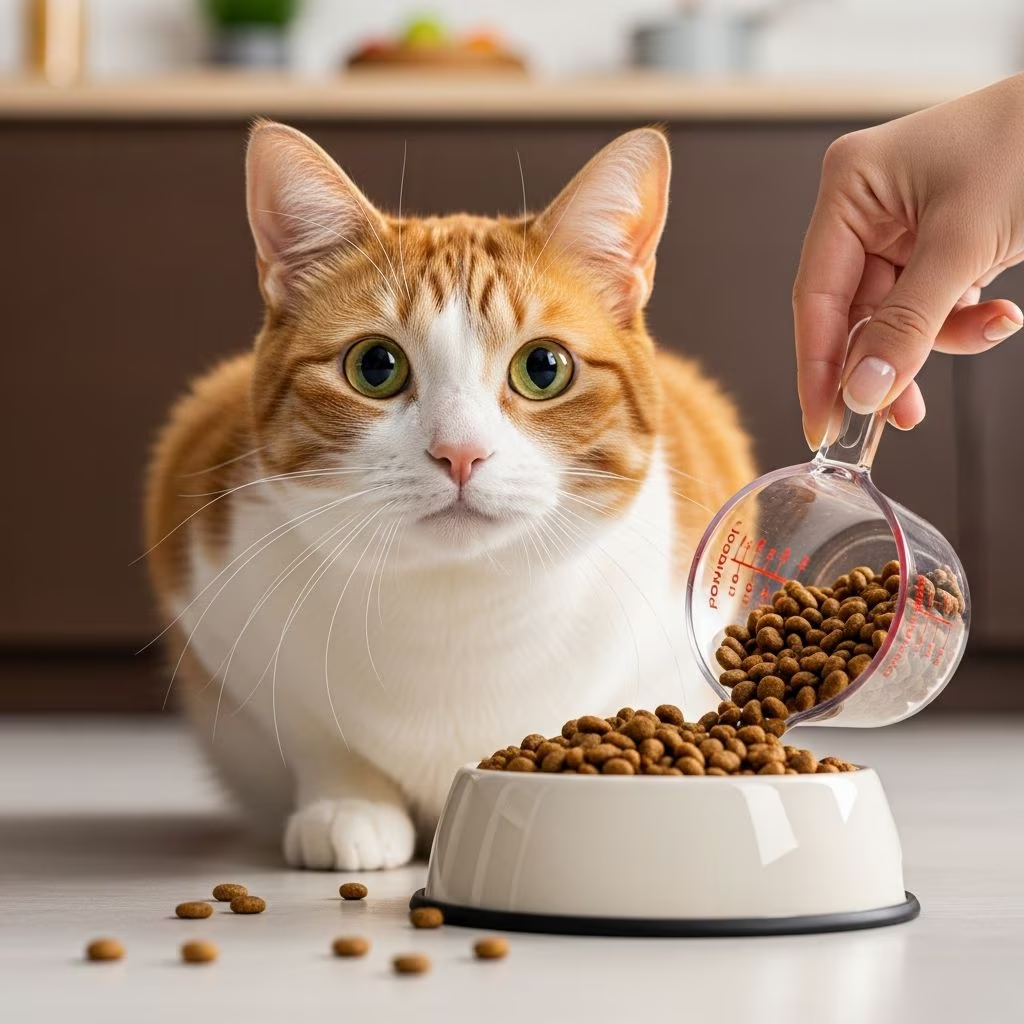
Understanding the Gluttonous Cat: Why Your Cat Can’t Stop Eating
Many cat owners face a common and frustrating challenge: a feline who seems to have an insatiable appetite. These gluttonous cats constantly beg for food, hover around their food bowls, and appear to be perpetually hungry. While some cats may simply enjoy eating more than others, it’s important to recognize that excessive food intake and obsessive eating behaviors can stem from various causes, ranging from behavioral issues to serious medical conditions.
Understanding whether your cat’s gluttony is a behavioral trait or a symptom of an underlying health issue is the first step toward managing this problem effectively. A sudden change in your cat’s eating habits or appetite levels warrants attention and possibly a veterinary consultation to rule out medical causes.
Medical Conditions That Trigger Excessive Hunger in Cats
Before addressing behavioral solutions, it’s crucial to understand that an increased appetite in cats, medically known as polyphagia, can indicate an underlying disease. Several medical conditions commonly cause cats to eat excessively:
Hyperthyroidism
Hyperthyroidism is one of the most common endocrine disorders affecting older cats. When a cat has an overactive thyroid gland, which controls metabolism, the body burns calories at an accelerated rate. This condition causes cats to be constantly hungry while paradoxically losing weight or remaining very thin. Additional symptoms include agitation, restlessness, and a reduced need for sleep. Treatment typically involves medication, such as methimazole in oral or transdermal gel form, or in some cases, radioactive iodine therapy that targets abnormal thyroid tissue while preserving the gland’s function.
Diabetes Mellitus
Diabetic cats often exhibit increased appetite despite inadequate insulin production, which prevents their organs from receiving sufficient energy. This serious hormonal disease makes cats both hungrier and thirstier than usual. Paradoxically, overweight cats are four times more likely to develop diabetes, creating a concerning cycle. Diabetic cats may lose weight despite eating more, and untreated diabetes can progress to a life-threatening condition called diabetic ketoacidosis (DKA). Management involves injectable insulin therapy, dietary modifications, and regular veterinary monitoring.
Internal Parasites
Roundworms and other parasitic infections in your cat’s intestinal tract compete with the body for nutrients. Infected cats appear extremely hungry but look underweight and malnourished. Parasites are particularly problematic in kittens and rescue cats from deprived backgrounds. Appropriate medication can eliminate parasites and prevent future infestations, though prevention is always preferable to treatment.
Cancer
Some cancers increase the body’s energy requirements, causing cats to need more calories to maintain basic life functions. Despite increased appetite, cats with cancer may experience unexplained weight loss. The specific symptoms depend on the cancer type and location, making comprehensive veterinary evaluation essential.
Medication-Related Appetite Increase
Cats taking certain medications, particularly corticosteroids prescribed for allergic skin diseases or injuries, may experience dramatically increased appetite. If your cat is prescribed steroids, prepare for voracious eating by implementing portion control immediately and consulting with your veterinarian about feeding strategies.
Behavioral and Environmental Causes of Overeating
Beyond medical issues, several behavioral and environmental factors contribute to gluttonous eating patterns in cats:
Boredom and Lack of Enrichment
Just as humans snack when bored, cats may turn to food to occupy their time and alleviate monotony. This eating behavior easily leads to obesity, which in turn increases the risk of arthritis, diabetes, and other health conditions. Providing environmental enrichment through toys, climbing structures, and interactive play sessions can significantly reduce food-motivated boredom.
Anxiety and Stress
Some cats are anxiety eaters, using food as a coping mechanism to soothe emotional distress. Rescue cats with histories of deprivation often eat rapidly and obsessively because they developed anxiety around food during periods of scarcity. These cats may benefit from a calm feeding environment, regular routine, or veterinary-prescribed anti-anxiety medications like amitriptyline.
Dietary Inadequacy
Cats are obligate carnivores requiring adequate protein, fat, and essential amino acids like taurine and arginine. When their diet lacks sufficient high-quality protein or other essential nutrients, cats may eat excessively in an attempt to satisfy their nutritional needs. A diet consisting primarily of dry food can also lead to dehydration, contributing to gastrointestinal issues and increased food-seeking behavior.
Obsessive-Compulsive Disorder
In rare cases, cats develop obsessive-compulsive disorder, a behavioral condition similar to human OCD, where they become emotionally incapable of stopping eating despite fullness. If all medical and environmental causes are ruled out, consultation with a veterinary behaviorist and potential medication may help manage this condition.
Strategies for Managing a Gluttonous Cat
Once you’ve determined whether your cat’s excessive eating stems from medical or behavioral causes, implementing appropriate management strategies becomes essential for maintaining healthy weight and preventing obesity-related complications.
Meal Feeding with Portion Control
Meal feeding with strict portion control is one of the most effective strategies to prevent overeating and obesity in cats. Rather than leaving food available constantly (free feeding), provide measured portions at specific times. This approach gives you complete control over your cat’s caloric intake and allows you to monitor their eating patterns closely. Most adult cats thrive on two meals daily, though the exact portion size depends on age, weight, activity level, and individual metabolism.
Feeding Techniques to Slow Down Eating
Cats that are food inhalers benefit significantly from techniques that prolong mealtime and encourage slower eating:
- Food Toys and Puzzle Feeders: These interactive feeding devices slow eating by requiring cats to work for their food, mimicking natural hunting behaviors. As cats eat more slowly, they feel full more quickly, reducing overall caloric intake while providing mental stimulation and enrichment.
- Elevated or Separated Feeding Stations: Creating dedicated feeding areas away from household traffic can reduce stress during meals and help cats focus on eating at a healthier pace.
- Multiple Small Meals: Offering several small meals throughout the day rather than one or two large meals can help maintain stable energy levels and reduce desperate eating behaviors.
- Slow Feeder Bowls: Specially designed bowls with ridges or compartments force cats to navigate around obstacles, naturally slowing their eating speed.
Treat and Snack Management
Treats and snacks should comprise no more than 10 percent of your cat’s daily caloric intake, with 90 percent coming from their main food. Introducing lower-calorie treat alternatives helps satisfy your cat’s desire for food without contributing excessive calories. Safe options include certain fruits and vegetables approved by your veterinarian. Many pet stores offer low-calorie cat treats specifically formulated for weight management.
Dietary Modifications
Consider transitioning your cat to a therapeutic diet specifically designed for cats with large appetites but lower calorie needs. A combination of 80 percent dry food and 20 percent wet food can provide satiety while encouraging hydration. High-protein diets help cats feel fuller longer, reducing overall food consumption. Consulting your veterinarian about the best dietary approach for your specific cat ensures you’re meeting nutritional needs while managing weight.
Addressing Begging and Counter Surfing Behaviors
Once a cat becomes overweight or obese, they typically develop strong overeating habits. When portion control is instituted, previously food-obsessed cats may intensify begging, counter surfing, and other food-seeking behaviors as they adjust to reduced food availability. This transition period requires patience and consistency from cat owners.
Understanding that these behaviors are natural responses to dietary change helps owners maintain resolve. Setting clear boundaries about food begging and preventing access to food on counters or tables protects your cat’s health during this adjustment period. Never reward begging with additional food, as this reinforces the undesired behavior.
Environmental Enrichment Beyond Food
Reframing the eating experience for cats who have become food-focused extends beyond the bowl itself. Providing novel items to eat from, such as different puzzle feeders or feeding stations, prolongs mealtime and provides mental enrichment. Interactive play sessions, vertical climbing spaces, window perches for bird watching, and rotating toys maintain mental stimulation and reduce food-motivated boredom.
When to Consult Your Veterinarian
If your cat’s behavior around food changes suddenly, or if your cat continues to seem hungry despite your management efforts, arrange a veterinary appointment. Your veterinarian can perform diagnostic tests to rule out hyperthyroidism, diabetes, parasites, and other medical conditions. They can also provide tailored weight loss programs appropriate for your cat’s specific health status and needs.
Frequently Asked Questions About Gluttonous Cats
Q: How much should I feed my cat daily?
A: Daily caloric needs vary based on age, weight, activity level, and metabolism. Your veterinarian can calculate appropriate portions for your specific cat. Generally, adult cats need 200-250 calories daily, but this varies significantly between individuals.
Q: Can cats eat fruits and vegetables as treats?
A: Some fruits and vegetables are safe for cats, including small amounts of cooked pumpkin, carrots, and certain melons. Always consult your veterinarian about which foods are appropriate, as some human foods like grapes, chocolate, onions, and garlic are toxic to cats.
Q: What’s the difference between feeding schedules and free feeding?
A: Meal feeding involves providing measured portions at specific times, allowing portion control. Free feeding leaves food available constantly, which can lead to overeating and obesity in gluttonous cats. Meal feeding is generally recommended for weight management.
Q: How long does it take to see weight loss in cats?
A: Gradual weight loss of 1-2 percent of body weight weekly is healthiest for cats. Dramatic weight loss can cause serious health complications. Most cats require months to reach healthy weight with proper diet and exercise.
Q: Are prescription diets necessary for gluttonous cats?
A: Prescription therapeutic diets designed for appetite management can be beneficial, particularly for cats with medical conditions like diabetes or hyperthyroidism. Your veterinarian can recommend whether a prescription diet is appropriate for your cat.
Q: Can my gluttonous cat learn new eating habits?
A: Yes, cats can learn new tricks and adapt to new feeding routines. Consistency, patience, and positive reinforcement help cats adjust to portion-controlled feeding and alternative eating experiences like puzzle feeders.
References
- Why Is My Cat Always Hungry? Causes of a Hungry Cat — PetMD. Accessed November 2025. https://www.petmd.com/cat/symptoms/causes-of-hungry-cat
- Feeding a Cat Who is a Glutton — VCA Animal Hospitals. Accessed November 2025. https://vcahospitals.com/know-your-pet/feline-gluttons
- The Gluttonous Cat — Catwatch Newsletter. Accessed November 2025. https://www.catwatchnewsletter.com/features/the-gluttonous-cat/
- My cat eats too fast—how to slow them down? [Nifty hacks] — Untamed. Accessed November 2025. https://untamed.com/blogs/nutrition/cat-eats-too-fast
- Is your cat obsessed with food — Madison Animal Care Hospital. Accessed November 2025. https://www.madisonanimalcare.com/cat-obsessed-with-food
- How to Manage a Gluttonous Cat: Practical Feeding Tips — MonVet. Accessed November 2025. https://monvet.com/en/gluttonous-cat-feeding-tips/



