
Feeding Fish-Eating Birds In Captivity: A Practical Guide
Essential strategies for optimal nutrition in captive piscivorous birds like penguins and pelicans to prevent deficiencies and promote health.
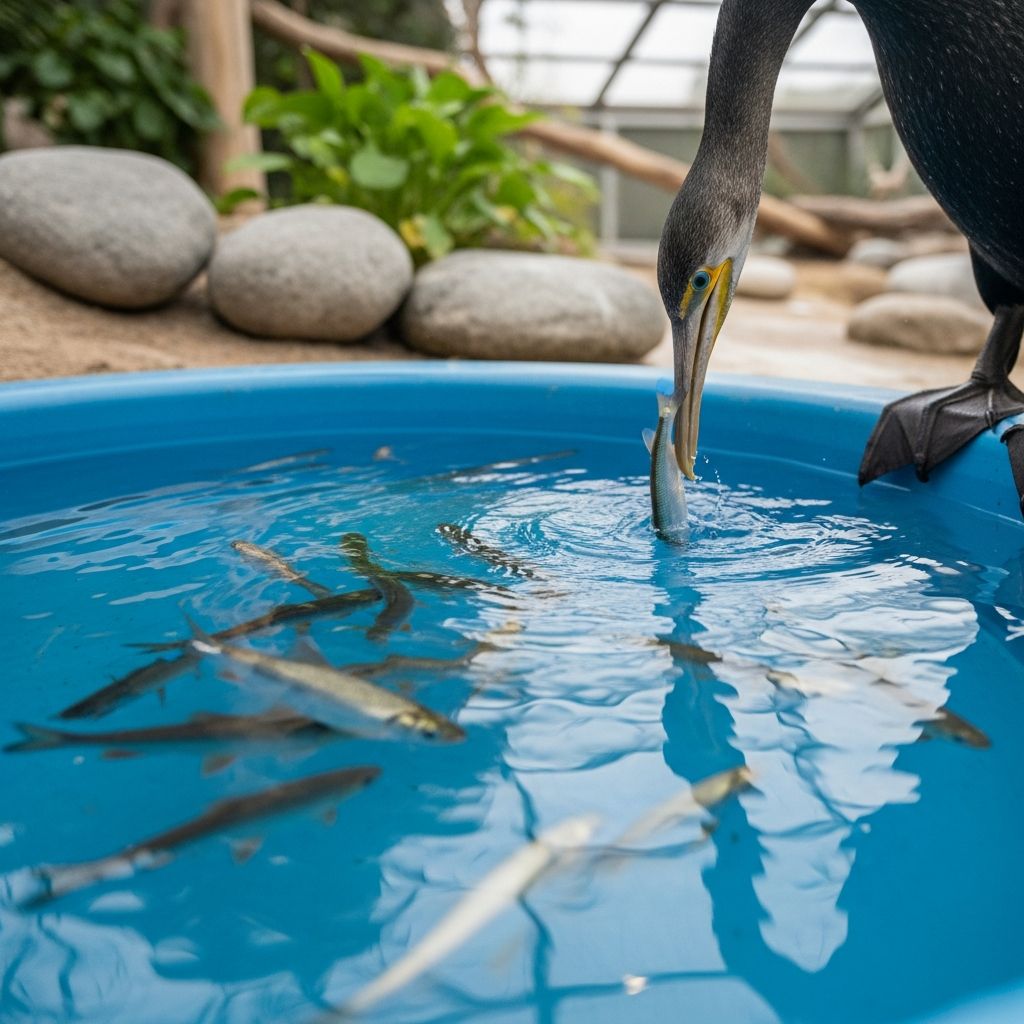
Fish-eating birds, known as piscivores, thrive on diets rich in marine proteins when housed in zoos or rehabilitation centers. Species such as penguins, pelicans, cormorants, and ospreys require carefully managed feeding regimens to mimic wild conditions and avoid health issues.
Understanding Natural Diets of Piscivorous Species
In their natural habitats, these birds consume a diverse array of prey including small fish like herring and smelt, larger species such as mackerel, squid, and occasional crustaceans. This variety ensures a balance of fats, proteins, and micronutrients essential for energy demands during swimming, diving, and breeding.
Captive environments challenge this diversity, often leading to reliance on commercially available fish. Maintaining nutritional parity demands attention to prey quality, freshness, and supplementation to counteract losses during storage and thawing.
Selecting and Preparing High-Quality Fish
Prime choices for captive piscivores include squid, capelin (smelt), herring, mackerel, and whiting due to their availability and nutritional profile. These should be fresh, plump, and free from emaciation to provide adequate caloric density.
- Opt for multiple fish types to broaden nutrient intake and prevent selective deficiencies.
- Avoid prolonged exclusive feeding of one species, as birds may develop preferences leading to refusal of alternatives during shortages.
- Store frozen fish at -18°C or lower to preserve integrity, but plan thawing meticulously.
Slow refrigerator thawing to around 10°C just before feeding minimizes nutrient leaching, particularly water-soluble vitamins. Rapid methods like running water accelerate thiaminase activity in certain fish, exacerbating deficiencies.
Critical Role of Vitamin Supplementation
Piscivorous birds often need added vitamins A, D, B1 (thiamine), and E because fish alone rarely meet requirements, especially post-thawing or freezing.
| Vitamin | Recommended Dose | Purpose | Deficiency Risks |
|---|---|---|---|
| Thiamine (B1) | 30-35 mg/kg fish | Counteracts thiaminase in fish | Neurological issues, weakness |
| Vitamin E | 100 IU/kg fish | Antioxidant protection | Muscle degeneration, myopathy |
| Vitamins A & D | Species-specific | Vision, bone health | Immune suppression, rickets |
Administer supplements via injections, gels, or tablets into fish. Over-supplementation risks exist; excessive vitamin E (above 500 IU/kg) may impair growth or clotting by antagonizing vitamin K.
Thiamine Challenges and Solutions
Many prey fish harbor thiaminase enzymes that destroy thiamine during thawing. Supplementation at 30-35 mg per kg of fish daily is standard practice. Freezing mitigates some loss, but consistent addition remains vital for species like penguins.
Vitamin E Deficiency Prevention
Fish are naturally low in vitamin E. Signs of shortage include limb weakness, wing droop, and severe muscle necrosis progressing to fibrosis. Targeted dosing at 100 IU/kg supports cellular health without toxicity.
Managing Salt and Mineral Balance
Birds in freshwater enclosures lack marine salinity, impairing salt gland function. Provide 0.5-1 g NaCl per bird daily to regulate osmoregulation. Monitor intake to avoid excess, which could strain kidneys.
Calcium-phosphorus ratios merit attention, ideally 1.5-2:1. Whole prey helps, but bony fish may require adjustments.
Feeding Protocols by Life Stage and Species
Adults and Maintenance Diets
Daily intake approximates 10-20% of body weight in fresh fish. Pelicans may need 800-1500 g, varying with activity. Energy partitioning favors maintenance (69%), reproduction (17%), and flight (14%).
Breeding and Chick Rearing
Increased demands during breeding elevate needs by 20-50%. Hand-feeding ensures precise portions. Chicks benefit from softened fish or formulas like EmerAid Piscivore, adjustable to 5-35% fat.
- Feed thicken mixtures 3x daily; dilute for frequent smaller meals.
- Transition to whole fish as strength returns.
Alternative Foods for Variety
Some accept raptor diets, trout chow, or rodents. This diversification combats monotony and balances nutrients.
Health Monitoring and Common Issues
Regular assessments detect early deficiencies: bloodwork for vitamins, body condition scoring for muscle loss. Inanition from picky eating demands dietary shifts.
Aquatic birds require low-fat feeds (5-15%) to prevent waterproofing loss; maintain pristine water quality.
Practical Tips for Zookeepers and Vets
- Source fish from reputable suppliers with quality certifications.
- Rotate prey weekly to sustain preferences.
- Record intake and supplement logs for trend analysis.
- Consult avian nutritionists for custom plans.
Frequently Asked Questions (FAQs)
What is the best fish for captive penguins?
Herring, smelt, and squid offer balanced fats and proteins; vary to prevent imbalances.
How do I thaw fish without losing nutrients?
Use refrigerator method overnight to 10°C; avoid water submersion.
Is vitamin supplementation always necessary?
Yes, due to thiaminase and low natural levels in frozen fish.
Can piscivores eat non-fish foods?
Many accept pellets or mice, enhancing dietary breadth.
What salt amount for freshwater-housed birds?
0.5-1 g NaCl/bird/day supports gland function.
References
- Nutrition in Piscivorous (Fish-Eating) Birds — Merck Veterinary Manual. 2023. https://www.merckvetmanual.com/management-and-nutrition/nutrition-exotic-and-zoo-animals/nutrition-in-piscivorous-fish-eating-birds
- Nutrient utilization by and diet preference of American white pelicans — Mississippi State University Scholars Junction. 2009. https://scholarsjunction.msstate.edu/cgi/viewcontent.cgi?article=4336&context=td
- RAPTOR NUTRITION — Australasian Association of Veterinary and Animal Clinicians. 2009-06. https://www.aavac.com.au/files/2009-06.pdf
- EmerAid Piscivore — EmerAidVet. 2023. https://emeraid.com/vet/emeraid-piscivore/
- Avian Nutrition Basics Outline — LafeberVet. 2020-11. https://lafeber.com/vet/wp-content/uploads/2020/11/Avian-Nutr-Basics-Outline-102020.pdf
Similar Articles








Read full bio of medha deb


