

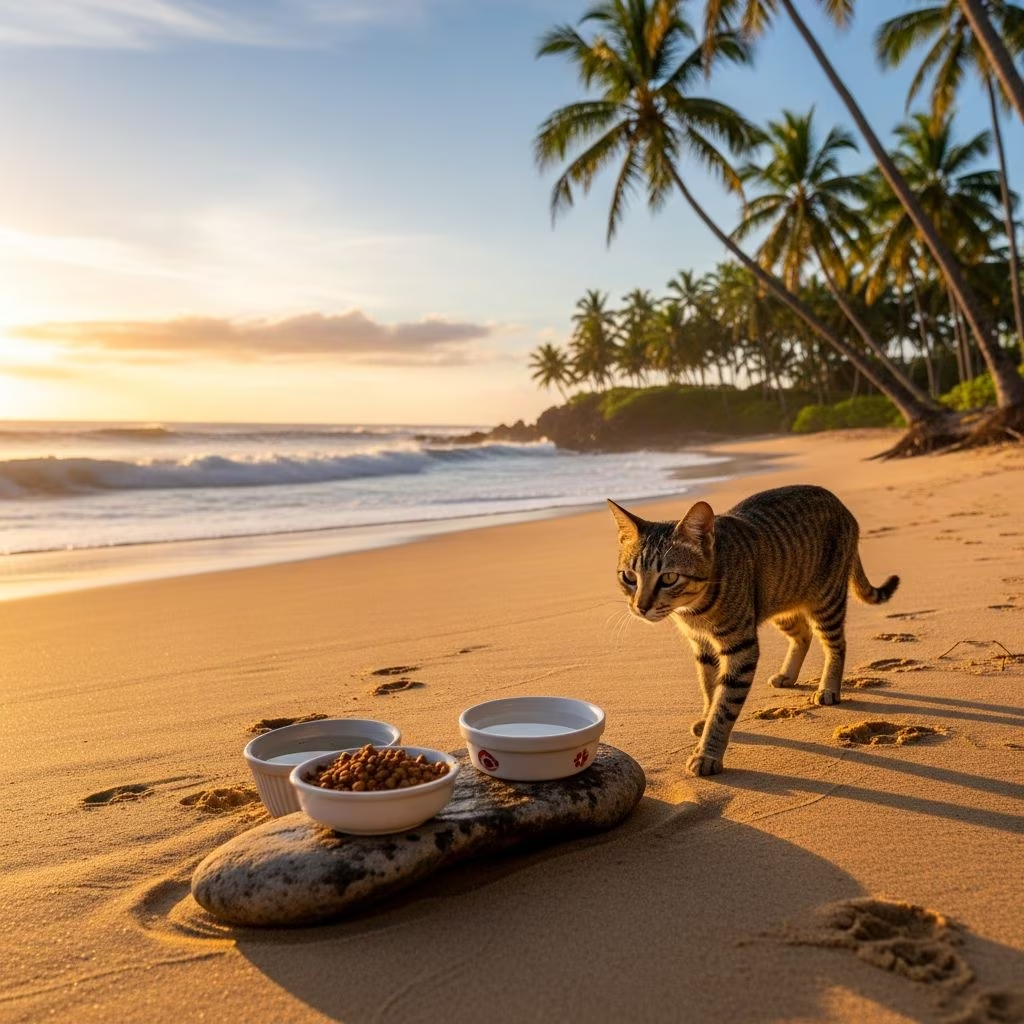
Feeding Feral Cats on Vacation: Complete Guide
Caring for feral cats requires commitment and responsibility, especially when you’re planning to leave town. Whether you’ve been feeding a colony for years or recently started caring for neighborhood ferals, the question of how to maintain their care during your vacation is crucial. Unlike domesticated pets, feral cats depend on consistent food sources for survival, and interrupting their feeding schedule can put them at serious risk. This comprehensive guide covers everything you need to know about keeping your feral cat colony fed while you’re away.
Why Vacation Planning Matters for Feral Cats
When you establish a feeding routine for feral cats, they become dependent on that schedule for their survival. Missing even a single day of feeding can lead to serious consequences for the colony. Cats may venture into dangerous areas searching for food, potentially resulting in injury, illness, or worse. Additionally, without proper oversight, feeding stations can become unsanitary, attracting unwanted wildlife and creating problems with neighbors. Planning ahead for your vacation is not just a courtesy—it’s essential to the cats’ welfare.
The Importance of a Backup Caretaker
The most critical step in vacation planning is finding a reliable backup caretaker. Do not let more than one day go by without someone monitoring the cats and feeding arrangements. A backup is necessary because circumstances can change drastically within 24 hours. Whether it’s unexpected weather, a sick cat, or equipment failure at the feeding station, having someone on-site to assess and address problems is invaluable.
When selecting a backup caretaker, consider the following:
- Choose someone who is familiar with the colony or willing to learn proper feeding protocols
- Provide detailed written instructions about feeding location, quantities, and schedule
- Ensure they have your contact information and know when to call with concerns
- Have at least one backup for your backup in case of emergencies
- Introduce your backup caretaker to the colony before you leave so the cats recognize them
Understanding Feral Cat Feeding Requirements
Before arranging vacation care, it’s important to understand exactly how much food your colony needs. An adult feral cat typically eats roughly 5.5 ounces of wet (canned) cat food and 2 ounces of dry food daily. If you’re only feeding dry food, increase the amount to approximately half a cup per cat. The actual amount varies depending on the cat’s size, weather conditions, and availability of other food sources.
For vacation planning, this means your backup caretaker needs clear guidelines about portion sizes. Create a simple chart showing:
- Number of cats in your colony
- Daily food requirements in ounces or cups
- Whether you feed wet, dry, or both
- Feeding frequency (once or twice daily)
- Location of food supplies and storage
Setting Up Proper Feeding Stations
Feeding stations should be kept out of sight to protect the food from contamination and to avoid complaints from neighbors. A proper feeding station does more than just hold food—it provides shelter, maintains hygiene, and minimizes environmental impact.
Feeding Station Essentials
Your feeding station should include the following components:
- A sheltered location protected from rain and elements
- Elevated feeding platforms to keep food clean
- Separate containers for wet and dry food
- Fresh water containers, checked and refilled daily
- Absorbent materials to manage spills and waste
- Pest control measures to prevent insects and rodents
Plastic storage containers with awnings are good protection for the feeders and water containers. Create a feeding station large enough for at least one cat to enter completely and eat without getting wet. The station should be positioned where your backup caretaker can easily access and maintain it while you’re away.
Dry Food vs. Wet Food for Vacation Care
When arranging vacation feeding, the type of food you choose significantly impacts how easy it is for your backup caretaker to maintain the station.
Dry Food Advantages
Dry food is recommended for colony feeding because it can remain out all day and not spoil. Dry food offers several benefits for vacation situations:
- Does not spoil if left uneaten for extended periods
- Requires less frequent replacement
- Easier for backup caretakers to manage
- Less attractive to nocturnal wildlife if fed during daylight hours
- Easier to store and transport
Dry food should be in feeding containers and covered to keep it dry and out of the elements. Before you leave for vacation, ensure your backup caretaker knows how to properly store and serve dry food.
Wet Food Considerations
If you prefer feeding wet food, special care is needed during your vacation. If you choose to feed wet food, do so in a separate plate or bowl rather than mixing it in with the dry food. Wet food attracts insects more readily and spoils quickly in warm weather. If your backup caretaker will be handling wet food:
- Choose feeding times during cooler parts of the day
- Remove uneaten food promptly to prevent spoilage
- Increase pest control measures around the feeding area
- Provide extra water for cleaning bowls and hands
If the weather is hot, late in the evening would be preferable, as the food will not be exposed to the heat during the day.
Establishing a Consistent Feeding Schedule
Have a regular feeding schedule. Feral cats thrive on routine and learn to expect food at specific times and locations. Consistency is key: cats thrive on routine. Feed cats at the same time and place once or twice every day. Before you leave for vacation, ensure your backup caretaker understands the importance of maintaining this schedule exactly.
It is recommended that feeding take place first thing in the morning or during the day. Daytime feeding offers multiple benefits:
- The cats can eat throughout the day
- Less chance for attracting nocturnal wildlife to the feeding station
- Safer for your caretaker to work during daylight hours
- Easier to monitor for sick or injured cats
Maintaining Cleanliness at the Feeding Station
Proper sanitation is critical during your vacation when your backup caretaker may be less familiar with the colony’s needs. Cleanliness is essential in all areas. Poor hygiene can lead to disease, parasites, and complaints from neighbors.
Daily Maintenance Tasks
Provide your backup caretaker with a checklist of daily maintenance tasks:
- Remove any uneaten food from the previous day
- Clean food bowls and water containers
- Sweep or rake the feeding area to remove debris
- Check for signs of illness or injury in the colony
- Refill water containers with fresh water
- Apply pest control measures as needed
- Take note of any new cats or missing cats
If you are using dry feeders, they should be refilled, kept clean from debris and dirt. This prevents bacterial growth and makes food more appealing to the cats.
Pest Control and Ant Prevention
Insects can quickly become a problem at feeding stations, especially during warm weather. Provide your backup caretaker with effective pest control strategies:
- Surround food bowls with a line of “food-grade” diatomaceous earth. This will need to be reapplied after rain but effectively keeps insects away.
- Place food bowls on a tray with a one-inch lip and fill the container with water. Cats can reach the food, but insects cannot cross the water barrier.
- Apply cooking oil to the outside of the food bowl to prevent ants and bugs from climbing up.
- Feed only dry food if wet food attracts too many insects in your area.
Water Management During Your Absence
Fresh water should be available and kept clean. Water is just as important as food for feral cat health. During your vacation, ensure your backup caretaker understands water management:
- Provide multiple water bowls to ensure adequate access
- Check water daily and replace if contaminated
- In cold climates, use heated water bowls or check more frequently
- Position water containers away from food to prevent contamination
- Clean and refill water containers at least once daily
Monitoring Colony Health During Vacation
Your backup caretaker should be more than just a food server. They should monitor the colony for signs of illness or injury. Before you leave, provide instructions on what to watch for:
- Cats that don’t appear for feeding or appear lethargic
- Signs of injury, bleeding, or limping
- Cats with discharge from eyes, nose, or ears
- Unexplained absences or new cats in the colony
- Changes in eating habits or behavior
Have your backup caretaker contact you immediately if they notice anything concerning, or provide them with contact information for a local animal rescue or veterinarian.
Preparing Your Backup Caretaker
The success of your vacation feeding plan depends largely on how well you prepare your backup caretaker. Create a comprehensive written guide that includes:
- A map or detailed directions to each feeding station
- Photos of the colony cats and their names (if applicable)
- Daily feeding checklist
- Quantities of food and water needed
- Location of food storage
- Emergency contact numbers
- Signs of illness or distress to watch for
- What to do in case of emergency
Meet with your backup caretaker before you leave and walk through the feeding process together. This ensures they’re comfortable with the routine and familiar with the cats.
Long-Term Vacation Planning
For longer vacations, consider these additional strategies:
- Arrange for multiple people to help so no single person is overwhelmed
- Stock extra supplies in case someone can’t make a feeding
- Consider automatic feeders for dry food to supplement manual feeding
- Leave detailed instructions about what to do if the backup caretaker becomes ill
- Have a third backup contact in case primary and secondary backup fail
Many feral cats or kittens end up being euthanized in shelters or poisoned because of neglect in feeding and uncleanliness at their home site. Taking time to properly arrange vacation care literally saves lives.
Frequently Asked Questions
Q: What if I can’t find a backup caretaker?
A: Contact local animal rescue organizations, feral cat advocacy groups, or community members who may help. You can also explore automatic dry food feeders with timers as a temporary solution, though they’re not a complete substitute for human oversight.
Q: How much should I pay my backup caretaker?
A: This depends on your location and the extent of the work. Many volunteers help for free, but offering compensation shows appreciation and ensures reliability. Even $10-20 per day can motivate someone to provide excellent care.
Q: What if a cat gets injured while I’m away?
A: Provide your backup caretaker with contact information for emergency veterinary clinics. Discuss ahead of time what injuries warrant immediate veterinary attention and who will pay for treatment.
Q: Can I just leave extra food out before I leave?
A: No. Extra food left unattended spoils, attracts wildlife, and creates unsanitary conditions. Cats also need daily oversight to monitor their health and safety. Regular feeding by a caretaker is essential.
Q: How do I handle new kittens that might appear during my vacation?
A: Instruct your backup caretaker to monitor for kittens and their mother. Have them contact you or a local rescue if kittens appear, as they may need intervention or rescue services.
Conclusion: Responsible Vacation Care
Feeding feral cats requires year-round commitment, and that commitment doesn’t end when you take a vacation. By arranging proper backup care, establishing clear feeding protocols, and maintaining sanitary feeding stations, you ensure your colony remains healthy and safe while you’re away. Remember that these cats depend entirely on your care and planning for their survival. The effort you invest in vacation preparation directly translates to the wellbeing of the animals you’ve committed to helping.
References
- Instructions for Feeding Feral Cats — Feral Cat Caretakers’ Coalition. https://feralcatcaretakers.org/caretakers-guide/education/feeding-feral-cats/
- Colony Care Guide — Alley Cat Allies. https://www.alleycat.org/wp-content/uploads/2014/10/ColonyCareGuide.pdf
- Community Cat Feeding Guide — HumaneWorld Professional. https://humanepro.org/sites/default/files/documents/CommunityCatFeedingGuide_HumanePro.pdf
- Guidelines for Feral Cat Caretakers — The Cats Pyjamas Rescue. https://www.catspyjamas.org/guidelines-for-feral-cat-caretakers/



