

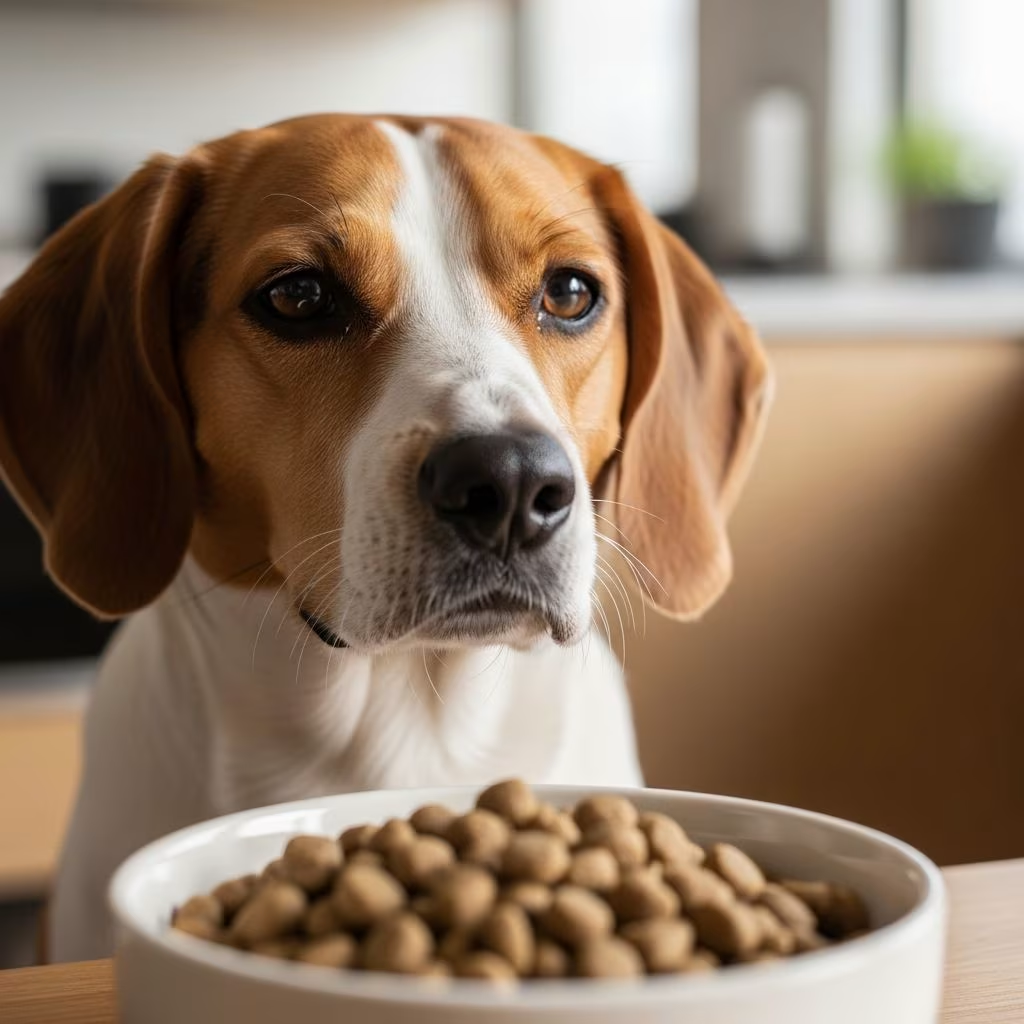
Inflammatory bowel disease (IBD) in dogs involves chronic inflammation of the gastrointestinal tract, leading to symptoms such as persistent vomiting, diarrhea, weight loss, and poor appetite. While there is no cure, targeted nutrition plays a pivotal role in symptom management by supporting gut health, reducing inflammation, and promoting nutrient absorption.
Understanding the Role of Diet in Canine IBD Management
Dietary interventions are often the first line of defense for dogs with IBD, as certain foods can nurture the intestinal microbiome—the community of bacteria essential for digestion—and minimize triggers for immune responses. Prescription diets tailored to IBD address common issues like food sensitivities and poor digestibility, helping many dogs achieve remission without daily medications. Veterinary guidance is crucial, as trial-and-error may be needed to identify the optimal formula based on the dog’s specific symptoms and biopsy results.
The gastrointestinal tract in affected dogs becomes hypersensitive, where normal proteins provoke abnormal immune reactions. Switching to diets with unconventional ingredients alters this dynamic, allowing the gut lining to heal while providing balanced nutrition.
Key Dietary Strategies for IBD Control
Effective feeding plans prioritize digestibility, allergen avoidance, and microbiome support. Common approaches include:
- Novel Protein Diets: These use proteins like duck, venison, or rabbit that the dog has not encountered before, preventing immune triggers from common sources such as chicken or beef.
- Hydrolyzed Protein Formulas: Proteins are pre-broken into tiny fragments, making them less recognizable to the immune system and reducing adverse reactions.
- Highly Digestible Foods: Low-residue diets with easily broken-down carbohydrates and fats ease the burden on inflamed intestines.
- High-Fiber Options: Soluble fibers act as prebiotics, fostering beneficial bacteria growth for better stool consistency.
- Low-Fat Formulations: Reducing fat content prevents exacerbation of diarrhea and supports pancreatic function in some cases.
For strict trials, veterinarians may recommend home-prepared meals with a single novel protein and carbohydrate source, but these must be temporary and vet-supervised to avoid nutritional gaps. Transition to new diets gradually over 7-10 days to prevent digestive upset.
Sample Diet Comparison for IBD Dogs
| Diet Type | Key Ingredients | Best For | Potential Drawbacks |
|---|---|---|---|
| Novel Protein | Duck, potato | Food allergies, protein intolerance | May be pricier; palatability varies |
| Hydrolyzed | Hydrolyzed soy/chicken, corn starch | Severe sensitivities | Strong odor; not for all breeds |
| Highly Digestible | Rice, chicken by-products (processed) | Mild cases, post-flare recovery | Less effective for allergies |
| High Fiber | Beet pulp, psyllium | Loose stools, microbiome support | May worsen acute diarrhea |
This table outlines common veterinary prescription options, selected based on clinical response.
Supplements and Additives to Enhance Gut Health
Beyond base diets, supplements can optimize outcomes. Vitamin B12 (cobalamin) injections address common deficiencies from malabsorption, boosting energy and appetite—often administered weekly initially, then tapered. Probiotics and prebiotics, such as specific strains like Visbiome, restore microbial balance and have shown efficacy as standalone therapy in some studies. Deworming protocols target hidden parasites missed by standard tests, further aiding resolution.
Antibiotics like metronidazole or tylosin may be paired with diet to curb bacterial overgrowth, while gastroprotectants manage nausea. Always integrate under veterinary oversight to monitor progress.
Implementing a Successful Diet Trial
A structured trial lasts 8-12 weeks: eliminate all treats, table scraps, and flavored medications. Monitor weight, stool quality, and vomiting frequency weekly. Success is marked by symptom resolution; if partial, adjust protein sources or add medications like corticosteroids (e.g., prednisone at 1 mg/kg twice daily, tapered gradually). Long-term, many dogs maintain control with diet alone, flaring only occasionally.
Monitoring Progress and Adjusting Plans
Regular vet check-ups, including fecal exams and bloodwork, track albumin levels and B12 status. Weight management is key—voracious appetites in some dogs signal malabsorption, requiring calorie-controlled yet nutrient-dense feeds. If steroids are needed chronically, periodic injections like methylprednisolone offer convenience, though side effects warrant caution.
Potential Challenges and Troubleshooting
Palatability issues arise with hydrolyzed diets; warming food or mixing with broth helps. Severe cases unresponsive to diet may require immunosuppressants like cyclosporine (5 mg/kg twice daily) or azathioprine. Fecal microbiota transplantation emerges as a promising adjunct for refractory IBD.
Frequently Asked Questions (FAQs)
Can diet alone cure my dog’s IBD?
No, IBD has no cure, but diet manages symptoms effectively in many cases, potentially eliminating the need for daily drugs.
How long does a diet trial take?
Typically 8-12 weeks for full assessment; strict adherence is essential.
Is raw food safe for IBD dogs?
Generally discouraged due to bacterial risks exacerbating gut inflammation; cooked, vet-formulated diets are safer.
What if my dog refuses the new diet?
Consult your vet for flavor enhancers or gradual transitions; hunger often encourages acceptance within days.
Will my dog need lifelong treatment?
Most require ongoing management, but some achieve long remissions with diet.
Lifestyle Tips for Optimal IBD Management
Pair diet with stress reduction—consistent routines, gentle exercise, and avoiding abrupt changes support gut stability. Hydration via wet foods or fountains prevents dehydration from diarrhea. Annual wellness exams catch flares early.
In summary, nutrition is foundational for canine IBD, with customized diets offering relief and vitality. Collaborate closely with your veterinarian for personalized protocols.
References
- Symptoms and Causes of Inflammatory Bowel Disease in Dogs — Pet Doctor X. 2023-02-28. https://www.petdoctorx.com/site/blog/2023/02/28/symptoms-and-causes-of-inflammatory-bowel-disease-in-dogs-
- Gut Check: Practical Treatment of Inflammatory Bowel Disease — BluePearl Vet. 2019-12. https://bluepearlvet.com/medical-library-for-dvms/gut-check-practical-treatment-of-inflammatory-bowel-disease/
- Inflammatory Bowel Disease in Dogs — VCA Animal Hospitals. N/A. https://vcahospitals.com/know-your-pet/inflammatory-bowel-disease-in-dogs
- Inflammatory Bowel Disease (IBD) — Cornell University College of Veterinary Medicine. N/A. https://www.vet.cornell.edu/departments-centers-and-institutes/riney-canine-health-center/canine-health-topics/inflammatory-bowel-disease-ibd
- Inflammatory Bowel Disease (IBD) in Dogs and Cats — MedVet. N/A. https://www.medvet.com/inflammatory-bowel-disease-ibd-dogs-cats/
- What Is IBD in Dogs? FAQs About Dog Inflammatory Bowel Disease — ASPCA Pet Insurance. N/A. https://www.aspcapetinsurance.com/resources/ibd-in-dogs/



