

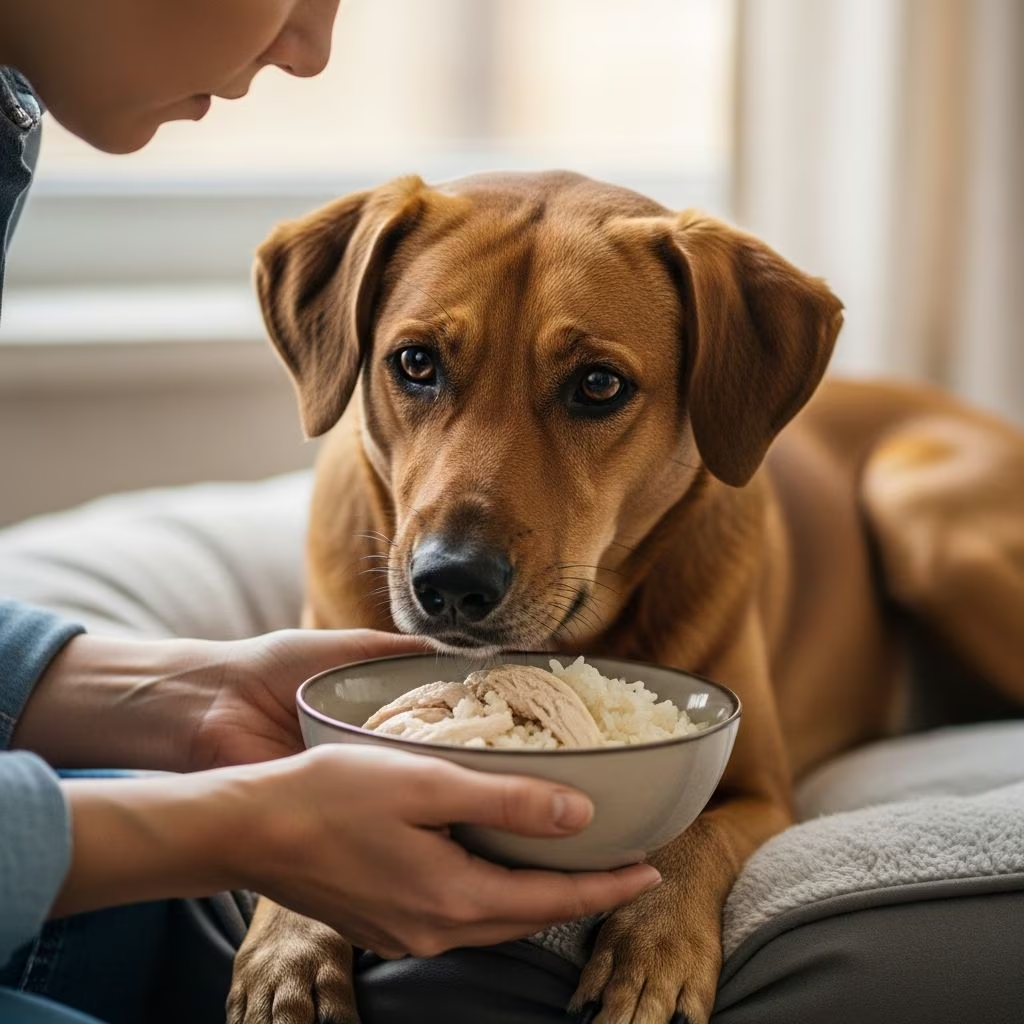
Diarrhea in dogs disrupts normal digestion, often leading to dehydration and discomfort. Providing the right foods can soothe the gut, promote recovery, and prevent worsening symptoms. This guide covers causes, immediate feeding strategies, and professional interventions based on veterinary insights.
Understanding Diarrhea in Dogs
Dog diarrhea ranges from mild, short-term episodes to severe, chronic conditions requiring urgent care. It occurs when the gastrointestinal tract processes food and water too rapidly, resulting in loose or watery stools. Recognizing patterns helps determine appropriate feeding responses.
Acute vs. Chronic Diarrhea
- Acute diarrhea appears suddenly, lasts 1-2 days, and often stems from temporary triggers like scavenging or stress. Most cases resolve with simple dietary adjustments.
- Chronic diarrhea persists beyond 2 weeks, signals underlying issues like allergies or infections, and demands veterinary diagnostics including fecal tests and bloodwork.
Primary Causes of Canine Diarrhea
Multiple factors contribute to diarrhea, influencing feeding choices. Identifying the root cause guides effective dietary management.
Diet-Related Triggers
Dogs frequently suffer diarrhea from dietary indiscretion, such as eating garbage, fatty human foods, or abrupt diet switches. Food sensitivities to dairy, wheat, gluten, specific proteins, or artificial additives irritate the intestines. High-fat meals can provoke pancreatitis, exacerbating loose stools.
Infections and Parasites
Pathogens like parvovirus, salmonella, E. coli, and giardia cause infectious diarrhea, often with mucus or blood. Parasites including hookworms, roundworms, whipworms, and coccidia infest the gut, leading to persistent symptoms. Heartworm preventives may reduce some risks.
Underlying Health Conditions
Chronic issues such as inflammatory bowel disease (IBD), exocrine pancreatic insufficiency (EPI), colitis, small intestinal bacterial overgrowth (SIBO), and pancreatitis impair digestion. Metabolic disorders, toxins, medications, or even stress can manifest as diarrhea.
| Cause Category | Examples | Feeding Impact |
|---|---|---|
| Dietary | Garbage, dairy, fat | Requires bland, low-fat transition |
| Infectious/Parasitic | Giardia, parvo, worms | Supports with probiotics, vet meds |
| Chronic Diseases | IBD, EPI, colitis | Prescription diets essential |
Initial Home Management: Fasting and Reintroduction
Before feeding, withhold food for 12-24 hours to rest the gut, ensuring access to fresh water. Puppies, small breeds, or dehydrated dogs should not fast longer without vet approval. Gradually reintroduce bland foods in small, frequent meals.
Classic Bland Diet Recipes
A time-tested approach involves boiling lean protein with easily digestible carbs. Prepare in a 1:2 or 1:3 protein-to-carb ratio.
- Boiled Chicken and White Rice: Skinless chicken breast boiled until cooked, shredded, mixed with plain white rice. Avoid seasonings, oils, or bones.
- Low-Fat Ground Turkey and Rice: Plain turkey simmered with rice for variety.
- Pumpkin Addition: Mix 1-2 tablespoons of plain canned pumpkin per meal for fiber to firm stools. Not pie filling.
Feed 3-6 small meals daily for 2-3 days, then transition back to regular food over 5-7 days by mixing 25% new food incrementally.
Supportive Supplements for Gut Recovery
Supplements enhance bland diets by restoring microbiome balance and aiding stool firmness.
Probiotics and Prebiotics
Probiotics introduce beneficial bacteria to combat dysbiosis from antibiotics or infections. Look for canine-specific formulas with strains like Enterococcus faecium or Lactobacillus. Administer as directed, often alongside meals. Prebiotics like inulin feed good bacteria.
Fiber Sources
- Soluble fiber (pumpkin, oats) absorbs water, bulking stools.
- Insoluble fiber (brown rice in moderation) promotes motility.
Slippery elm bark or psyllium (e.g., Metamucil, vet-approved dose) soothes intestines.
Advanced Dietary Interventions
Hydrolyzed Protein Diets
For allergy-related diarrhea, hydrolyzed diets break proteins into tiny, non-reactive pieces. Brands like Royal Canin or Hill’s Prescription offer these, reducing immune responses.
High-Fiber or Low-Fat Formulas
High-fiber diets regulate chronic colitis or IBS. Low-fat options suit EPI or pancreatitis patients, preventing fat malabsorption.
Hydration Strategies During Diarrhea
Dehydration poses the greatest risk. Offer electrolyte solutions like unflavored Pedialyte (diluted) or vet-recommended oral rehydrators. Severe cases need subcutaneous or IV fluids at the clinic to replenish electrolytes and support organs.
When to Seek Veterinary Care
Not all diarrhea self-resolves. Consult a vet if symptoms include:
- Bloody, black, or tarry stools
- Lethargy, vomiting, fever, or abdominal pain
- Diarrhea lasting over 48 hours or recurring
- Signs of dehydration: dry gums, sunken eyes, skin tenting
- Puppies, seniors, or dogs with pre-existing conditions
Diagnostics may involve fecal exams, imaging, blood tests, or endoscopy. Treatments range from dewormers and antibiotics to steroids for IBD.
Preventing Future Episodes
Proactive steps minimize recurrence:
- Gradual food transitions over 7-10 days
- Regular deworming and vaccinations
- Secure trash; avoid table scraps
- Consistent probiotics for prone dogs
- Annual fecal screenings
Frequently Asked Questions (FAQs)
Can I give my dog yogurt for diarrhea?
Plain, low-fat yogurt offers some probiotics, but canine-specific products are better due to lactose intolerance in many dogs.
Is rice good for dogs with diarrhea?
Yes, white rice is gentle and binding when boiled plain.
How long does diarrhea last in dogs?
Mild cases: 1-3 days. Persistent cases need vet evaluation.
What if my dog won’t eat the bland diet?
Try warming slightly or adding low-sodium broth. If refusal persists, seek vet advice.
Are bones safe during recovery?
No; cooked bones splinter and worsen GI issues.
Long-Term Digestive Wellness
Maintain gut health with balanced, high-quality kibble, routine probiotics, and fiber-rich veggies like carrots. Monitor stool quality weekly. For chronic cases, lifelong prescription diets or novel protein trials (e.g., duck, venison) prove effective under vet supervision.
Understanding your dog’s diarrhea triggers empowers informed feeding decisions. Combine home care with professional input for optimal outcomes.
References
- Why Does My Dog Have Diarrhea? 3 Common Causes — Insight Vet Wellness. 2023. https://insightvetwellness.com/gastrointestinal/why-does-my-dog-have-diarrhea-3-common-causes/
- Dog Diarrhea: How To Identify, Diagnose, and Treat It — PetMD. 2024. https://www.petmd.com/dog/symptoms/dog-diarrhea
- Common Causes of Diarrhea in Dogs — Center Star Vet. 2023-09-15. https://www.centerstarvet.com/site/blog/2023/09/15/common-causes-diarrhea-dogs
- Dog Diarrhea: Causes, Treatment and When to Worry — GoodRx. 2024. https://www.goodrx.com/pet-health/dog/dog-diarrhea
- Dog Diarrhea: Signs, Symptoms, and Treatments — American Kennel Club. 2024. https://www.akc.org/expert-advice/health/dog-diarrhea/
- Diarrhea — Cornell University College of Veterinary Medicine. 2024. https://www.vet.cornell.edu/departments-centers-and-institutes/riney-canine-health-center/canine-health-topics/diarrhea



