

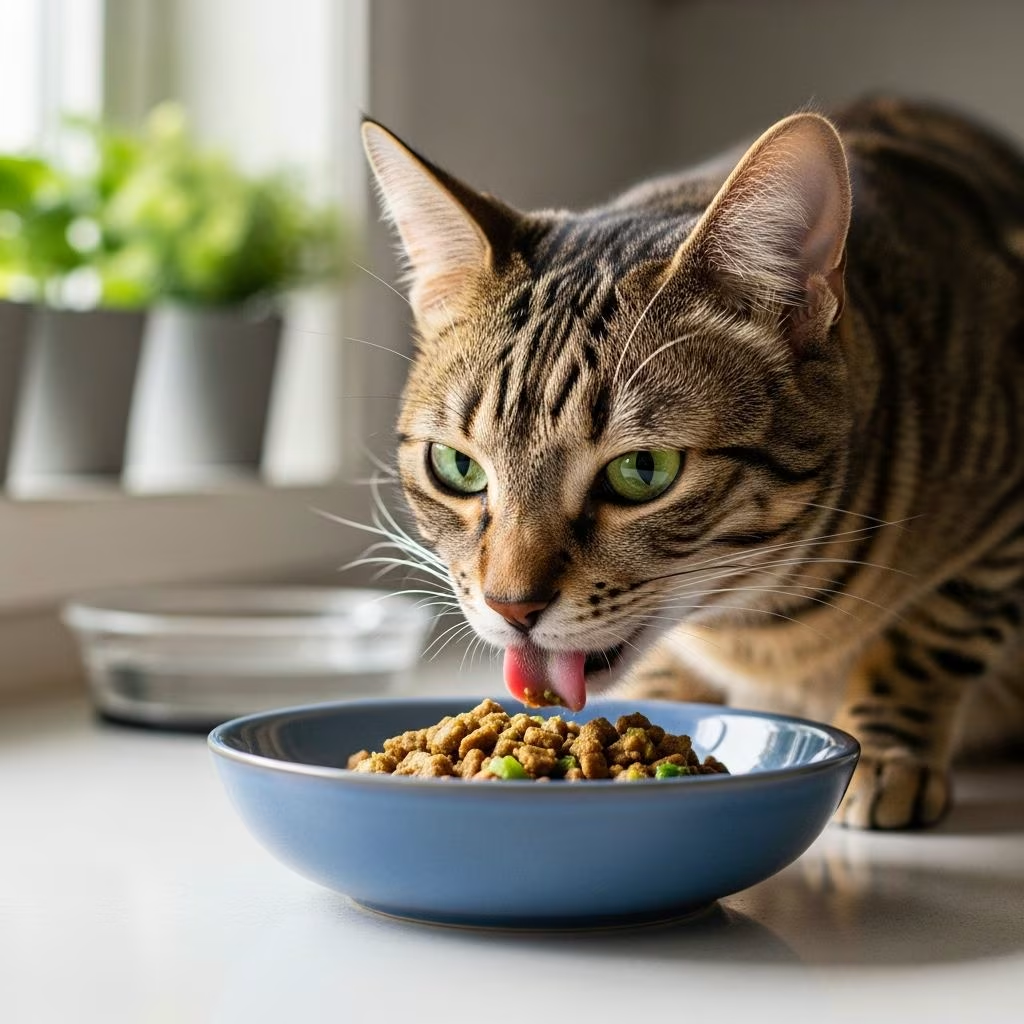
Diabetes mellitus in cats demands a thoughtful approach to nutrition that prioritizes blood glucose stability, weight control, and overall vitality. High-protein, low-carbohydrate diets form the cornerstone of effective management, helping many cats achieve remission or reduced insulin needs.
Understanding Feline Diabetes and Nutrition’s Role
Cats with diabetes face challenges from insufficient insulin production or poor response to it, leading to elevated blood sugar levels. Symptoms include excessive thirst, urination, weight loss despite hunger, and lethargy. Unlike dogs, cats benefit uniquely from diets mimicking their carnivorous nature—rich in animal proteins and minimal in carbs.
Nutritional intervention addresses these issues by minimizing post-meal glucose spikes. Veterinary guidelines emphasize consistent feeding to align with insulin therapy, preventing dangerous fluctuations that could cause hypoglycemia (low blood sugar) or hyperglycemia.
Key signs of hypoglycemia include weakness, disorientation, twitching, or seizures, requiring immediate action like glucose administration.
Core Principles of a Diabetic Cat Diet
Ideal diets for diabetic cats share specific traits to support metabolic health:
- High Protein: At least 40% of metabolizable energy (ME) from protein (>10g/100 kcal) preserves muscle, boosts satiety, and stabilizes glucose.
- Low Carbohydrates: Limit to <12% ME or <3g/100 kcal to curb spikes; aim for <10-15% total calories.
- Moderate Fat: Fat-restricted yet sufficient for energy, avoiding excess that hinders weight loss.
- High Digestibility: Use premium sources like meat or eggs over plant-based proteins for better absorption.
- Calorie Control: Match intake to ideal body weight, promoting gradual loss if overweight (0.5-1% body weight/week).
These principles draw from consensus guidelines, showing low-carb, high-protein formulas can cut insulin needs by over 50% and induce remission in up to 30% of cases.
Comparing Diet Types for Diabetic Cats
Choosing between dry, wet, or prescription foods impacts compliance and outcomes. Wet foods often excel due to higher moisture, protein, and lower carbs.
| Diet Type | Pros | Cons | Best For |
|---|---|---|---|
| Prescription Wet | Low carb (<5g/100kcal), high protein, promotes hydration | Costly, vet-only | Strict glucose control, remission goals |
| Non-Prescription Canned | Affordable, high protein, palatable | Variable carb levels; check labels | Picky eaters, budget-conscious owners |
| Dry Prescription | Convenient, consistent | Higher carbs if not diabetic-specific | Multi-cat homes with measured portions |
| Kitten Food (Temporary) | Naturally high protein, low carb | Not long-term; higher calories | Fussy adults needing transition |
Select based on your cat’s preferences to ensure intake, as under-eating worsens control.
Implementing a Feeding Schedule
Consistency trumps timing rigidity for cats, which naturally graze. Offer multiple small meals daily to mimic this, minimizing glucose swings even without syncing insulin injections perfectly.
- Divide daily calories into 4-6 meals for stable levels.
- Feed same food, amount, and times daily to predict insulin needs.
- For overweight cats, use 80% of resting energy requirement for ideal weight.
- Monitor via blood glucose curves initially, adjusting as needed.
Transition gradually over 7-10 days: mix 25% new food with 75% old, increasing incrementally to avoid refusal.
Addressing Weight Management Challenges
Obesity exacerbates insulin resistance in diabetic cats. Post-stabilization, target slow weight loss to enhance remission odds without risking hepatic lipidosis.
Calculate needs using tools like Pet Nutrition Alliance calculators. High-fiber additions in some diets aid satiety during restriction. Track progress weekly, consulting vets for plateaus.
Handling Picky Eaters and Compliance Issues
Many diabetic cats resist diet changes due to flavor or texture preferences. Strategies include:
- Warming food slightly for aroma.
- Adding vet-approved toppers like fish oil (minimal carbs).
- Free-feeding measured amounts in multi-cat setups.
- Trial-and-error with compliant commercial wets.
Appetite loss signals poor control or concurrent issues like pancreatitis—seek vet evaluation promptly.
Monitoring Progress and Adjustments
Regular checks ensure diet efficacy:
- Home Glucose Monitoring: Use curves (every 2-4 hours for 12-24h) to assess peaks/troughs; target 5-20 mmol/L (90-360 mg/dL).
- Clinical Signs: Track water intake, weight, energy.
- Vet Visits: Fructosamine tests reflect 1-3 week averages; continuous glucose monitors (CGM) for precision.
Adjust insulin stepwise (e.g., 1U increments) alongside diet tweaks.
Potential for Diabetic Remission
Early, aggressive management with low-carb diets yields remission in 20-30% of cases, especially in overweight cats losing weight. Factors boosting chances: glargine/PZI insulin, strict carb restriction, and owner adherence. Remission isn’t cure—lifelong monitoring prevents relapse.
Special Considerations for Comorbidities
Conditions like kidney disease or IBD require customized plans:
- Renal Issues: Moderate protein, low phosphorus; balance with diabetes needs.
- Pancreatitis: Highly digestible, fat-moderated formulas.
- Hyperthyroidism: Stabilize thyroid first, then diabetes diet.
Always prioritize vet guidance for overlaps.
Frequently Asked Questions (FAQs)
Can diabetic cats eat dry food?
Yes, but opt for prescription low-carb versions; wet is preferable for hydration and carb control.
How soon can I expect blood sugar improvements?
Weeks with consistent diet/insulin; monitor closely first 2-4 weeks.
What if my cat refuses the new diet?
Transition slowly, try flavors, or use kitten food short-term; consult vet for alternatives.
Is remission permanent?
Often not; weight gain or stress can trigger relapse—maintain low-carb habits.
Should I free-feed my diabetic cat?
Measured ad lib for grazers works if total calories controlled; ideal for stable glucose.
Long-Term Success Strategies
Sustained management blends diet, insulin, exercise (interactive toys), and vigilance. Educate households on hypoglycemia response: offer syrup or honey if conscious, rush to vet if not. Annual bloodwork catches issues early.
Owner commitment drives outcomes—track via apps or logs. Celebrate milestones like stable curves or weight goals to stay motivated.
References
- Nutrition for Cats With Diabetes — Merck Animal Health. Accessed 2026. https://www.merck-animal-health-usa.com/hub/vetsulin/cats/nutrition-for-cats-with-diabetes/
- FELINE DM St/Ox DIABETES MANAGEMENT — Purina Veterinary Centre. Accessed 2026. https://vetcentre.purina.co.uk/sites/default/files/product_materials_pdf/VPG%20-%20DM%20Feline.pdf
- Diabetes Mellitus in Cats — Purina Institute. Accessed 2026. https://www.purinainstitute.com/centresquare/therapeutic-nutrition/feline-diabetes-mellitus
- iCatCare 2025 consensus guidelines on the diagnosis and management of diabetes mellitus in cats — PMC (International Cat Care). 2025. https://pmc.ncbi.nlm.nih.gov/articles/PMC12612538/
- Diabetes Educational Toolkit — American Association of Feline Practitioners (AAFP). 2024. https://catvets.com/wp-content/uploads/2024/01/AAFP-DiabetesToolkit-Full.pdf
- 2018 AAHA Diabetes Management Guidelines for Dogs and Cats (2022 Update) — American Animal Hospital Association (AAHA). 2022. https://www.aaha.org/wp-content/uploads/globalassets/02-guidelines/diabetes/2018-aaha-diabetes-management-guidelines-2022-update.pdf



