

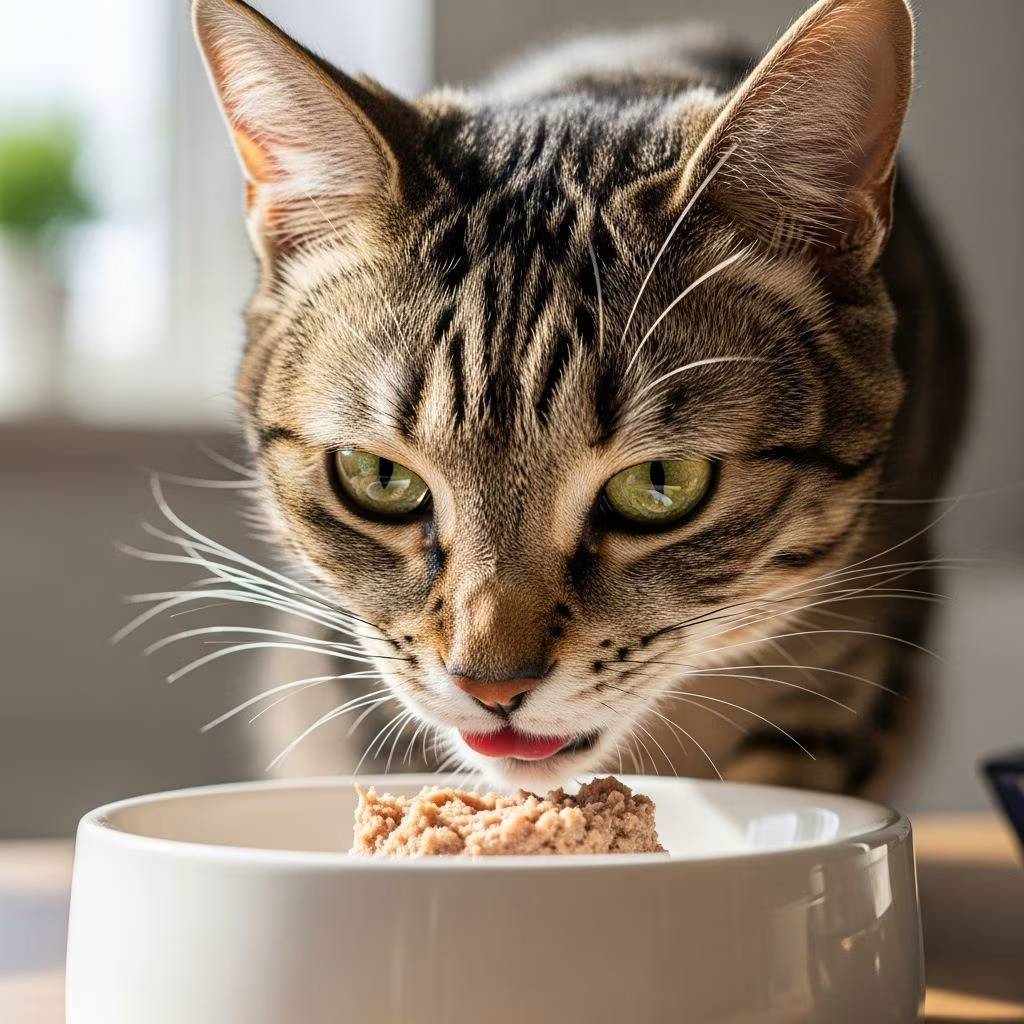
Inflammatory bowel disease (IBD) in cats triggers ongoing inflammation in the gastrointestinal tract, resulting in persistent issues like vomiting, diarrhea, and unintended weight loss. While no cure exists, strategic nutrition plays a pivotal role in symptom control and life quality improvement.
Recognizing IBD Symptoms in Your Cat
Cats with IBD often display chronic vomiting if the stomach is affected, or diarrhea when the intestines are involved; many experience both alongside appetite loss and lethargy. These signs must persist for at least three weeks, resisting standard interventions like deworming or diet tweaks, to suggest IBD. Additional clues include abdominal discomfort, flatulence, and sometimes concurrent skin allergies hinting at food sensitivities.
- Chronic vomiting: Linked to upper GI inflammation.
- Diarrhea: Indicates lower intestinal involvement.
- Weight loss and poor appetite: Stem from nutrient malabsorption.
- Lethargy and dehydration: Common in advanced cases.
Confirming an IBD Diagnosis
Diagnosis starts with blood tests, fecal exams, and imaging to exclude parasites, infections, or tumors, often culminating in intestinal biopsies for definitive proof of inflammatory cell infiltration. Gastrointestinal symptoms unresponsive to initial treatments, combined with biopsy-confirmed lining inflammation, solidify the IBD verdict. In severe instances, end-stage IBD manifests as profound weight loss and unrelenting GI distress.
Why Diet Matters Most in IBD Management
Dietary adjustments form the cornerstone of IBD therapy, targeting potential food allergies or intolerances that exacerbate immune responses. Hypoallergenic or novel protein diets help by introducing proteins the cat’s system hasn’t encountered, minimizing allergic reactions. A strict 8-12 week exclusive trial of such diets can yield noticeable improvements in as little as two weeks.
| Diet Type | Description | Examples | Benefits for IBD |
|---|---|---|---|
| Hydrolyzed Protein | Proteins broken into tiny, unrecognizable fragments | Hill’s z/d, Royal Canin Hydrolyzed Protein | Reduces allergic triggers, eases digestion |
| Novel Protein | Uncommon proteins like rabbit or venison | Prescription rabbit or duck formulas | Avoids prior sensitivities, supports gut healing |
| Gastrointestinal Support | Highly digestible with prebiotics | Veterinary GI diets | Promotes normal flora, aids nutrient uptake |
Implementing a Successful Food Trial
Success hinges on exclusivity: no treats, table scraps, or old foods during the trial to accurately gauge response. Transition gradually over 7-10 days to prevent further upset, monitoring weight, stool quality, and energy levels weekly. If symptoms persist, vets may rotate proteins or combine with medications. Probiotics can enhance gut microbiome balance during transitions.
Supportive Medications Alongside Diet
When diet alone falls short, immunosuppressive drugs like prednisolone or budesonide curb inflammation effectively in cats. These steroids start at higher doses for rapid symptom relief, then taper to the minimal effective amount to minimize side effects. Antibiotics such as metronidazole address potential bacterial overgrowth and offer anti-inflammatory perks.
- Prednisolone: Common first-line steroid; improvements often seen in 1-2 weeks.
- Budesonide: Targets gut inflammation with fewer systemic effects.
- Metronidazole: Multi-action for inflammation and protozoa, though taste may deter eating.
The Role of Vitamin B12 Supplementation
IBD impairs B12 (cobalamin) absorption, leading to fatigue and poor appetite; weekly subcutaneous injections restore levels, boosting vitality and aiding GI recovery. Most cats require ongoing supplementation, with vets monitoring blood levels to adjust frequency.
Addressing Acute flare-ups and Stabilization
For hospitalized cats, IV fluids combat dehydration, while anti-emetics like Cerenia halt vomiting by targeting brain signals. Assist-feeding nutrient-dense recovery diets maintains calorie intake, and deworming rules out parasites mimicking IBD. Hetastarch fluids support low protein states during crises.
Long-Term Management Strategies
Lifelong vigilance is key, as relapses are frequent despite remission. Periodic steroid injections like Depo-Medrol offer convenience for hard-to-pill cats, though they’re irreversible once given. Combine diet, meds, and B12 for sustained control, with regular vet check-ins to tweak protocols based on response. Concurrent issues like pancreatitis or liver disease may complicate care, necessitating holistic approaches.
Holistic and Home Care Tips
Stress reduction via pheromone diffusers or quiet environments supports immune balance. Small, frequent meals ease digestive load, and fresh water fountains encourage hydration. Track symptoms in a journal to spot triggers early.
- Feed 4-6 tiny meals daily.
- Avoid raw diets due to bacterial risks.
- Incorporate omega-3 supplements if vet-approved for anti-inflammatory effects.
Prognosis and Quality of Life
With tailored nutrition and therapy, most cats achieve good control, stabilizing weight and minimizing symptoms. Severe cases may need aggressive intervention, but early detection markedly improves outcomes. Owners report vibrant pets post-management, underscoring the value of persistence.
Frequently Asked Questions (FAQs)
What are the first signs of IBD in cats?
Persistent vomiting or diarrhea lasting over three weeks, weight loss, and appetite changes signal potential IBD.
Can diet alone cure cat IBD?
No, but hypoallergenic trials often manage mild cases effectively; meds enhance results for moderate to severe.
How long do food trials last for IBD cats?
Commit to 8-12 weeks exclusively for reliable assessment.
Are steroids safe long-term for cats with IBD?
Yes, when tapered to lowest doses; cats tolerate them well, but monitoring prevents side effects.
Why is B12 important for IBD cats?
IBD hinders absorption, causing deficiency; injections restore energy and gut function.
Monitoring Progress: A Checklist
- Weigh weekly to track stability.
- Note stool consistency and frequency.
- Observe vomiting episodes and appetite.
- Schedule B12 and bloodwork as advised.
- Report changes promptly to your vet.
References
- Inflammatory Bowel Disease (IBD) in Cats – PetMD — PetMD. 2023. https://www.petmd.com/cat/conditions/digestive/c_ct_inflammatory_bowel_disease
- Inflammatory Bowel Disease in Cats | VCA Animal Hospitals — VCA Hospitals. 2023. https://vcahospitals.com/know-your-pet/inflammatory-bowel-disease-in-cats
- Feline Inflammatory Bowel Disease: A Review – PMC – NIH — National Institutes of Health (PMC). 2024-01-15. https://pmc.ncbi.nlm.nih.gov/articles/PMC10832802/
- Inflammatory Bowel Disease (IBD) in Cats (From Causes to Treatment) — Long Beach Animal Hospital. 2023. https://lbah.com/feline/inflammatory-bowel-disease-in-cats/
- Inflammatory Bowel Disease (IBD) in Cats: Signs, Causes, and … — UrgentVet. 2024. https://urgentvet.com/inflammatory-bowel-disease-in-cats/
- Inflammatory Bowel Disease (IBD) in Cats | Marina del Rey Vets — Shane Veterinary Medical Center. 2024-09-15. https://www.shanevet.com/site/blog/2024/09/15/inflammatory-bowl-disease-cats
- Inflammatory Bowel Disease Fact Sheet — Vet Specialists. 2023. https://www.vetspecialists.co.uk/fact-sheets-post/inflammatory-bowel-disease-fact-sheet/



