

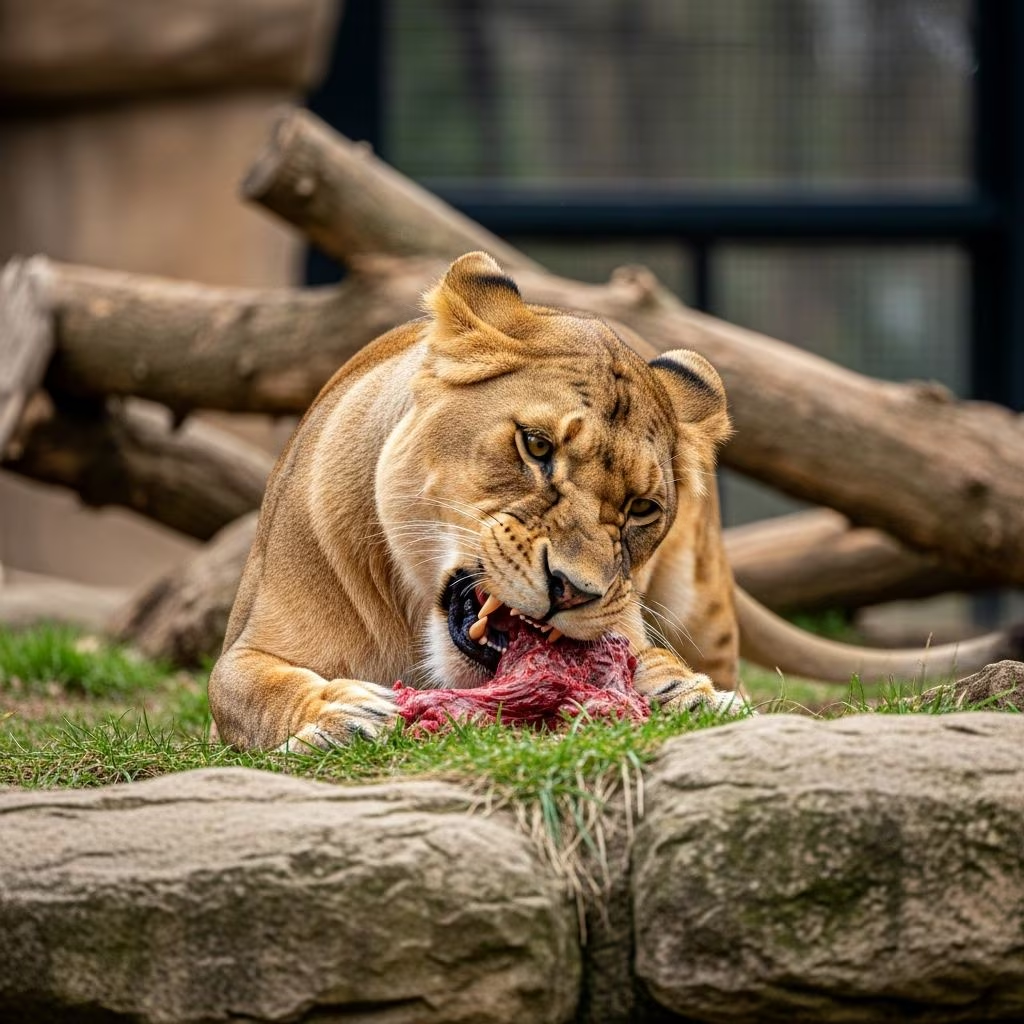
Carnivorous animals in zoos, ranging from big cats to piscivores and insectivores, demand meticulously planned diets to support their health, reproduction, and natural behaviors. These species, adapted to high-protein, meat-centric meals in the wild, often receive raw meaty bones, whole prey, or formulated feeds in captivity. Proper nutrition prevents deficiencies in key amino acids, vitamins, and minerals while promoting welfare through enrichment.
Core Nutritional Demands of Carnivorous Species
Obligate carnivores like felids and piscivores require diets rich in animal proteins, with precise amino acid profiles. Research highlights that common raw meats exceed general protein needs but fall short in specific amino acids such as arginine, leucine, sulfur amino acids (methionine + cysteine), and aromatic amino acids (phenylalanine + tyrosine) relative to domestic cat standards. Ideal protein concepts, benchmarked against lysine, reveal species-specific variations even among carnivores.
Protein-to-energy ratios must align with metabolic needs to avoid excesses that strain kidneys or deficiencies that impair growth. Whole prey items, including fish for aquatic species and invertebrates for smaller carnivores, provide natural nutrient packages but require analysis for balance. Invertebrates, for instance, often limit in sulfur amino acids followed by arginine when compared to rodent-based ideals.
Types of Diets for Captive Carnivores
Zoos employ a mix of natural and commercial diets to meet requirements. Raw meat-based meals dominate for large felids, while whole vertebrates suit piscivores and insectivores. Commercial products supplement these, ensuring completeness.
- Raw Meats and Bones: Inspected meats fortified with vitamins form the base, with bones added for dental health and digestion rest.
- Whole Prey: Mice, rabbits, fish, and quail replicate hunting, boosting nutrition and activity.
- Formulated Feeds: Pellets or mixes prevent selective feeding, comprising the diet’s bulk with minimal add-ons like fruit.
Cafeteria-style free-choice feeding is discouraged, as animals rarely balance intake, leading to excesses or deficiencies. Instead, unsortable mixtures ensure equity.
Addressing Mineral and Vitamin Gaps
Muscle meats and organs lack calcium, risking deficiencies without bones or supplements. Insect-fed carnivores need gut-loaded prey with 12–15% calcium or dusting powders, though dusting alone may insufficient.
| Nutrient | Common Deficiency Sources | Solutions |
|---|---|---|
| Calcium | Muscle meat, fruits, grains, insects | Bones, gut-loading, supplements like oyster shell |
| Thiamine & Vitamin E | Frozen fish | Targeted supplements |
| Amino Acids (Arg, SAA) | Most raw meats | Balanced commercial toppers |
Piscivores on frozen fish mandate thiamine and vitamin E additions to counter degradation. Carnivore supplements, with or without bone meal, customize meat diets effectively.
Feeding Schedules and Natural Rhythms
Mimic wild patterns: large carnivores fast periodically, receiving bones on off-days for gut rest and tooth cleaning. Species-specific bones—small discs for foxes, knobby thighs for leopards, shanks for lions—enhance engagement.
Activity levels, seasons, and life stages dictate portions. Juveniles need consistent weight gain via calcium and protein-rich feeds; adults adjust for energy. Nocturnal or crepuscular feeders benefit from timed devices.
Enrichment Through Diet and Environment
Dietary variety fosters foraging, reducing stereotypic behaviors. Scatter feeds, hide in substrates like mulch or logs, or use blood trails. Novel prey—live fish, rodents, insects—stimulates senses.
- Environmental: Pools for swimmers, varied textures for bedding.
- Sensory: Frozen treats, meat popsicles, honey logs.
- Social: Pack hunts with deer legs for wolves.
Randomized schedules and multiple daily feeds prolong activity. Training integrates nutrition, using devices for health checks.
Practical Implementation in Zoo Settings
Nutrition teams prepare dawn meals, labeling raw proteins and refrigerating properly. Diets evolve toward more whole prey for authenticity. Monitor intake, leftovers, and weights in diaries; observe behaviors to refine.
Omnivorous carnivores like civets blend proteins (eggs, insects) with produce. Water quality, free of contaminants, underpins all.
Challenges and Best Practices
Raw diets risk pathogens; sourcing inspected meats mitigates this. Over-reliance on one food causes imbalances—rotate varieties. Record uneaten items to adjust.
Supplementation ensures uptake: hide in prey or mix thoroughly. Growth monitoring in young verifies adequacy.
FAQs
Why avoid free-choice feeding for carnivores?
Animals select imbalanced diets, favoring seeds or meats over essentials like calcium.
What bones suit different carnivores?
Size and shape match: discs for small species, meaty shanks for big cats.
How to supplement insectivores?
Gut-load with high-calcium diets or dust; whole prey preferred.
Do zoo carnivores need fasting days?
Yes, to rest digestion and clean teeth via bones, mimicking wild irregularity.
What amino acids limit raw meat diets?
Arginine, leucine, SAA, and Phe+Tyr compared to carnivore ideals.
Conclusion
Optimal carnivore nutrition in zoos integrates balanced feeds, strategic supplements, and enrichment for thriving captives. Ongoing research refines these practices, prioritizing welfare.
References
- Ideal protein and zoo carnivores: further considerations for optimizing diets — NAG Online. 2011. https://nagonline.net/2273/ideal-protein-zoo-carnivores-considerations-optimizing-diets/
- Overview of Nutrition: Exotic and Zoo Animals — MSD Veterinary Manual. 2023. https://www.msdvetmanual.com/management-and-nutrition/nutrition-exotic-and-zoo-animals/overview-of-nutrition-exotic-and-zoo-animals
- Nutrition & Feeding — Wild Welfare. 2022. https://wildwelfare.org/wp-content/uploads/Nutrition-and-Feeding.pdf
- Animal Nutrition at the Columbus Zoo: Feeding Carnivores — Columbus Zoo. 2023. https://www.columbuszoo.org/blog/animal-nutrition-columbus-zoo-feeding-carnivores
- Suggested Guidelines for Carnivore Enrichment — AAZK. 1993. https://www.aazk.org/wp-content/uploads/Suggested-Guidelines-for-Carnivore-Enrichment.pdf
- The raw Truth: Feeding zoo-Housed Carnivores — PMC. 2022. https://pmc.ncbi.nlm.nih.gov/articles/PMC9493840/
- Animal Nutrition Science — Smithsonian National Zoo. 2023. https://nationalzoo.si.edu/animals/animal-nutrition-science



