

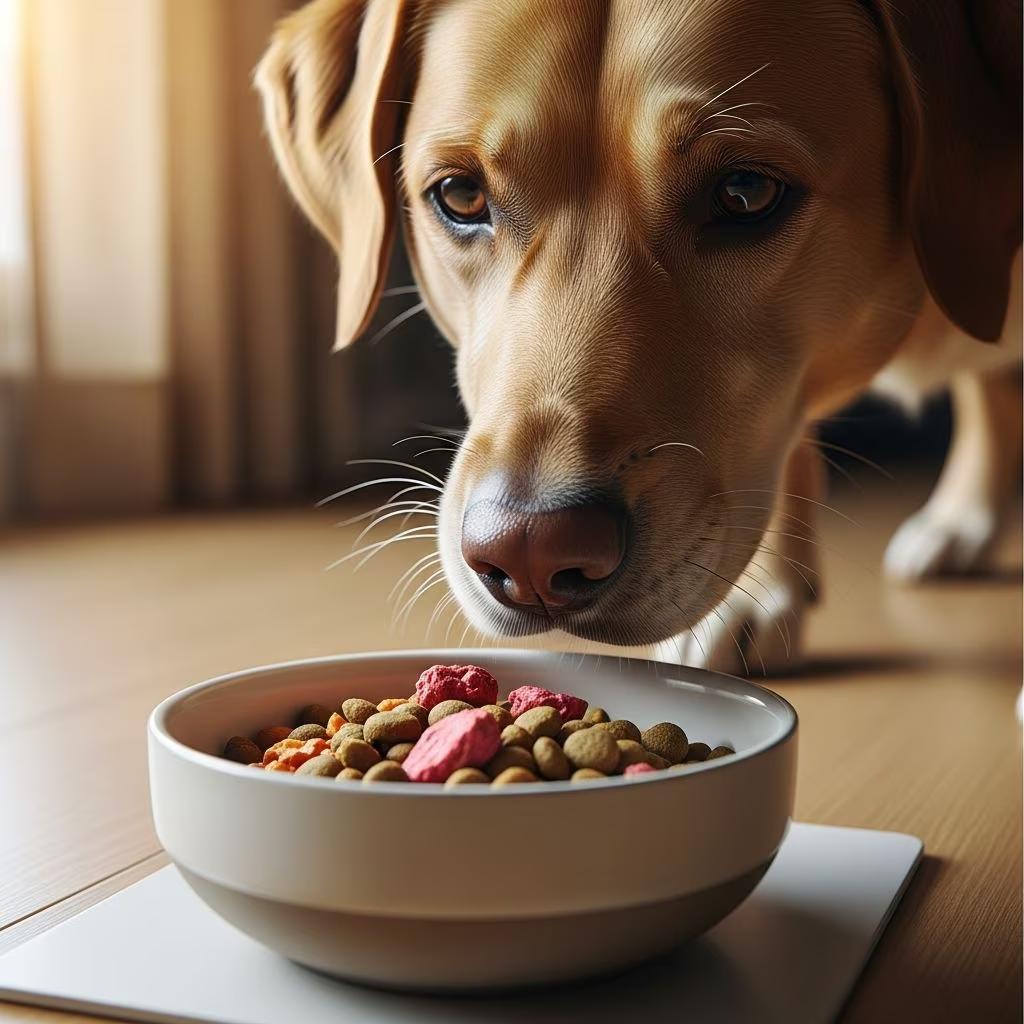
Understanding Canine Picky Eaters
Picky eating in dogs can be a source of frustration for pet owners who want to ensure their companions receive proper nutrition. Unlike their wild ancestors, many modern dogs have become selective about their meals, often leaving owners wondering how to encourage better eating habits. Addressing picky eating requires understanding the underlying causes and implementing strategies tailored to each individual dog’s needs and preferences.
Dogs may refuse food for various reasons, including changes in their environment, preferences for certain food textures, medical conditions, or simply learned behavior. A Board Certified Veterinary Nutritionist explains that different pets require different strategies to address their picky eating depending on their individual needs. For some pets, you can try holding out until they eat, but for others you may need to change up your feeding strategy, making veterinary consultation essential in finding the best solution for your specific dog.
Assessing Your Dog’s Picky Eating Habits
Before implementing any dietary changes, it’s important to determine whether your dog is genuinely a picky eater or if there are underlying health issues causing reduced appetite. A veterinary evaluation can help rule out medical conditions such as dental problems, gastrointestinal issues, or other health concerns that might affect eating behavior.
Once medical causes have been excluded, you can begin to work on behavioral and dietary solutions. Some dogs naturally have lower food motivation, while others may have developed preferences based on previous feeding experiences. Understanding your individual dog’s personality and preferences is crucial for developing an effective feeding strategy.
Exploring Different Food Types and Formats
One of the most effective ways to address picky eating is to offer variety in food types. Different dogs have different preferences, and what works for one may not work for another. Understanding the advantages of each food category can help you find the option your dog will enthusiastically eat.
Dry Kibble Options
Kibble is the easiest and most convenient option to feed your dog. It has a long shelf life in the packaging, and once the package is opened, can stay fresh for several weeks as long as it is sealed and stored appropriately. Kibble can be easier to manage portions, as you can weigh or measure a specific amount of dry food for each meal. Additionally, it comes in many sizes and shapes, so you can choose one that your dog prefers. For dogs that prefer to graze throughout the day rather than eat their portion in one sitting, kibble offers excellent flexibility.
Canned Food Advantages
Some dogs prefer the palatability of canned food over kibble, making it an excellent choice for selective eaters. Within the category of canned food, there are a variety of forms, including pâté, chunks in gravy, and stews. These options are great for dogs that are picky and prefer one texture over another. Canned food can be warmed up gently, which can increase aroma and palatability—an important consideration for dogs with diminished interest in their meals. Additionally, canned food can be used to hide medication if your picky eater requires it.
Semi-Moist Food
Many dogs find the semi-moist options very palatable, and as with dry and canned food, there are several options to choose from. The pouches are convenient, typically designed so that the entire pouch contents are poured into the bowl for one serving. This format can be particularly appealing to dogs that enjoy varied textures and flavors.
Gradual Transition Strategies
When introducing a new food to your picky eater, gradual transition is key to success. Rather than making an abrupt change, mix some new food in with the old food so your pet can get used to the new taste. Over time, slowly increase the amount of new food and decrease the old food until your dog is eating entirely the new diet. This gradual approach helps prevent digestive upset and allows your dog’s palate to adjust to new flavors and textures.
A feeding routine can actually make necessary food changes easier. When your dog is used to eating at the same times each day, their body becomes conditioned to expect food at those times. Hunger can be a great motivator, and if the stage is set for increased hunger followed by meals at regular times, transitioning to a new food will often be seamless and straightforward.
Establishing Consistent Feeding Schedules
The most common recommendation is to feed your dog at least two meals per day, and there are several important reasons for this practice. A consistent feeding schedule creates predictability for your dog and helps establish healthy eating routines. How many meals your dog should eat really depends on the individual dog as well as the family schedule. In an ideal world, at least two meals per day is best. Some dogs are less food motivated and do fine with one meal per day. Others may need more frequent meals, such as dogs that only eat small volumes of food at a time or dogs with medical conditions like gastroesophageal reflux disease (GERD), who are prone to reflux if their stomach is empty for too long.
A third meal can be added as a “lunch” or a bedtime snack, depending on the needs of the individual. The important thing is to create regular times and use measured portions. If you have only one dog and no plans for more, you can allow your dog to graze by measuring out the food portion each day and then recording anything left over at the end of the day.
Making Mealtime More Engaging
Interactive feeding methods can significantly improve a picky eater’s interest in meals. Rather than simply placing a bowl on the floor, consider enriching the eating experience with engaging food delivery methods that stimulate your dog’s natural instincts and make mealtime more interesting.
Interactive Food Toy Options
There are many options for interactive feeders, from rolling food toys that drop out a kibble of food intermittently to stationary food toys that require the dog to work for the food. These include:
- Using a muffin tin and placing pieces of the dog’s kibble or bites of canned food into each muffin holder
- Dividing the dog’s meal into several small portions and hiding them in different places in the house or around the yard, allowing the dog to use his nose and work for his supper
- Using an interactive food toy that releases a few kibbles at a time as the dog moves the toy around
- Using a timed feeder that releases a portion of the daily food ration at timed intervals
These methods accomplish multiple goals: they extend mealtime, provide mental enrichment, stimulate your dog’s natural foraging instincts, and make eating more enjoyable. Food toys are almost as entertaining for the people in your family as they are for your dog, creating a positive feeding experience for everyone involved.
Addressing Behavioral Aspects of Picky Eating
Sometimes picky eating develops because a dog has learned that refusing food results in offered alternatives. Breaking this cycle requires patience and consistency. If your dog refuses a meal, it’s often best to remove the bowl after a set time without offering substitutes. This helps establish that mealtime is when food is available, and refusing it means waiting until the next scheduled feeding.
However, this approach requires veterinary guidance, as some dogs may have legitimate reasons for refusing food. Your veterinarian can help determine the best strategy for your specific dog, whether that involves holding firm on a feeding schedule or making dietary adjustments.
Nutritional Considerations for Selective Eaters
It is important to remember that when it comes to diet and feeding behaviors, each dog is an individual with unique needs and characteristics. The number of meals offered and the amount and type of food used will vary with individual preferences and activity levels. Additionally, nutritional requirements and dietary preferences change over the course of the dog’s lifetime.
Puppies and adult dogs have different nutritional needs and should have food specially formulated for these life stages. Puppies have a high energy requirement during the first few months of life because they are growing rapidly. They have small stomachs, so they usually need to be fed several small meals during the day to meet their calorie requirement. They should be fed an appropriate food formulated for growth, because their nutrient needs are different from adult dogs’ needs.
Dogs with certain illnesses will benefit from a therapeutic food that may control symptoms and delay progression of disease. Your veterinarian can recommend appropriate nutritional options for your dog’s specific life stage and health status.
Working With Your Veterinarian
The best approach to addressing picky eating in your dog involves consulting with your veterinarian or a board certified veterinary nutritionist. They can help rule out medical causes, assess your dog’s individual needs, and recommend appropriate feeding strategies and food options. Different pets require different solutions, and professional guidance ensures you’re taking the right approach for your specific dog.
Your veterinarian may recommend specific food brands, feeding schedules, or behavioral modifications based on your dog’s unique situation. They can also monitor your dog’s weight and overall health to ensure that any dietary changes are supporting their well-being.
Frequently Asked Questions
Q: How long should I wait before offering a different food if my dog refuses a meal?
A: Generally, it’s recommended to remove the bowl after 15-20 minutes if your dog doesn’t eat, and wait until the next scheduled feeding time. However, consult your veterinarian for specific guidance, as some dogs may have medical reasons for refusing food.
Q: Can I mix wet and dry food together?
A: Yes, mixing wet and dry food can be an effective strategy for picky eaters. This combination can increase palatability while maintaining the benefits of dry food. Gradually introduce the mixture to allow your dog’s digestive system to adjust.
Q: Is it normal for dogs to be picky eaters?
A: While some dogs are naturally less food motivated, persistent picky eating may indicate underlying health issues or learned behavior. A veterinary evaluation can help determine the cause and appropriate solutions.
Q: How can I make my dog’s food more aromatic?
A: Gently warming canned food can increase its aroma and palatability. You can also add small amounts of low-sodium broth or warm water to dry kibble to enhance smell and taste.
Q: What should I do if my picky eater won’t eat a new food?
A: Transition slowly by mixing increasing amounts of the new food with the old food over 7-10 days. If your dog continues to refuse, try a different food or consult your veterinarian for alternative options.
Q: Can feeding schedule affect my dog’s appetite?
A: Absolutely. Consistent feeding schedules help regulate your dog’s appetite and digestion. When your dog knows when to expect meals, they often become hungrier at those times, improving food intake.
Q: Are food toys beneficial for picky eaters?
A: Yes, interactive food toys can make mealtime more engaging and enjoyable for picky eaters. They also provide mental stimulation and can help extend eating time in a positive way.
References
- Feeding Times and Frequency for Your Dog — VCA Animal Hospitals. 2024. https://vcahospitals.com/know-your-pet/feeding-times-and-frequency-for-your-dog
- Dry, Canned, or Semi-Moist: Food Choices for Dogs — VCA Animal Hospitals. 2024. https://vcahospitals.com/know-your-pet/dry-canned-or-semimoist-food-choices-for-dogs
- Nutrition – General Feeding Guidelines for Dogs — VCA Animal Hospitals. 2024. https://vcahospitals.com/know-your-pet/nutrition-general-feeding-guidelines-for-dogs
- AskVCA Nutrition – Why is my pet a picky eater? — VCA Animal Hospitals. October 6, 2022. https://www.youtube.com/watch?v=I6ghy7FSSck
- Feeding a Dog Who is a Glutton — VCA Animal Hospitals. 2024. https://vcahospitals.com/know-your-pet/feeding-a-canine-glutton



