

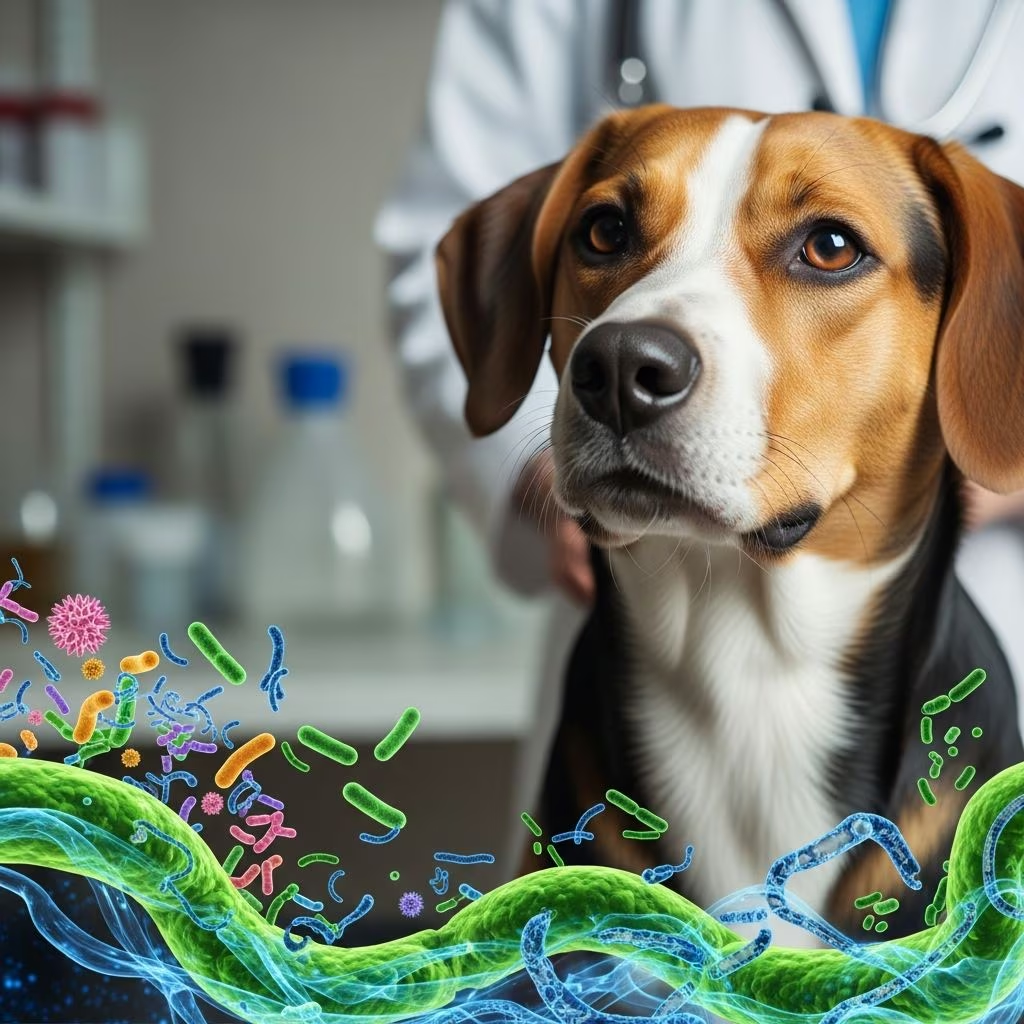
Fecal microbiota transplantation (FMT) involves transferring healthy microbial communities from donor stool to a recipient dog’s intestines to restore balance in the gut ecosystem. This therapy addresses dysbiosis, an imbalance in gut bacteria linked to various digestive disorders in dogs.
Understanding the Canine Gut Microbiome
The gut microbiome in dogs consists of trillions of bacteria, fungi, protozoa, and viruses that influence digestion, immunity, and overall health. Dysbiosis occurs when harmful microbes outnumber beneficial ones, often due to antibiotics, diet changes, or infections, leading to symptoms like chronic diarrhea, vomiting, and poor nutrient absorption.
Healthy gut flora provides colonization resistance against pathogens, produces essential vitamins, and modulates the immune system. When disrupted, it can contribute to conditions such as inflammatory bowel disease (IBD), acute hemorrhagic diarrhea syndrome (AHDS), and even extraintestinal issues like allergies or metabolic disorders.
What is Fecal Microbiota Transplantation?
FMT replenishes the gut with a diverse, healthy microbial profile from a screened donor dog. Unlike probiotics, which introduce limited bacterial strains, FMT delivers a complete ecosystem including bacteriophages and signaling molecules that interact with host cells.
Veterinary applications focus on restoring microbial diversity to promote long-term gut stability. Research shows FMT can directly interact with immune cells, reduce inflammation, and eliminate pathogens through competitive exclusion.
Common Conditions Treated with FMT in Dogs
- Acute Diarrhea: Particularly AHDS, where rapid microbial restoration prevents dehydration and sepsis.
- Chronic Enteropathies: Including IBD, with emerging evidence from abstracts showing symptom relief.
- Antibiotic-Resistant Dysbiosis: Restores flora depleted by prolonged antibiotic use.
- Recurrent Clostridium Infections: Provides colonization resistance to pathogens like C. difficile analogs in dogs.
While human FMT successes in ulcerative colitis and IBS inspire veterinary use, canine studies are building evidence, with one study reporting 71% improvement in fecal scores among seven dogs post-FMT, with no complications.
Selecting and Screening FMT Donors
Donor dogs must be healthy, with ideal stool consistency, no recent antibiotics or dewormers, and negative tests for parasites, bacteria, and viruses. Universal donors from screened colonies ensure safety and efficacy.
| Donor Criteria | Screening Tests | Ideal Profile |
|---|---|---|
| Age & Health | Physical exam, fecal analysis | Adult dog, no GI history |
| Microbial Diversity | 16S rRNA sequencing | High bacterial richness |
| Pathogen-Free | PCR for parasites/viruses | Negative for Salmonella, Giardia |
FMT Administration Methods
Vets use several delivery routes tailored to the dog’s condition:
- Enema: Most common; retention enemas allow microbes to colonize the colon.
- Oral Capsules: Freeze-dried FMT in gelatin capsules for upper GI delivery.
- Gastroscopy: Direct infusion into the stomach or duodenum for proximal issues.
- Colonoscopy: Precise placement in the large intestine.
Multiple sessions (3-5) over weeks enhance engraftment. Post-FMT, probiotics and prebiotic diets support microbial establishment.
Evidence from Veterinary Studies
A study on seven dogs with chronic diarrhea found FMT safe and effective, with five showing improved fecal quality and clinical signs. No adverse events were noted, highlighting ease of application.
The Companion Animal FMT Consortium is developing guidelines, noting growing evidence for AHDS and IBD in dogs, though cat data remains limited to case reports. Mechanisms include microbial restoration, immune modulation, and pathogen displacement.
Safety Considerations and Risks
FMT is generally safe when donors are rigorously screened, but risks include transient bloating or pathogen transmission if screening fails. Veterinary oversight is essential; home FMT is discouraged due to contamination risks.
Monitor recipients for 48-72 hours post-procedure for fever or worsening diarrhea. Long-term, FMT may reduce antibiotic reliance, preserving microbiome integrity.
Comparing FMT to Traditional Treatments
| Treatment | Pros | Cons | Success Rate |
|---|---|---|---|
| FMT | Restores full microbiome; minimal side effects | Requires screening; emerging data | 71% in small study |
| Antibiotics | Quick pathogen kill | Causes dysbiosis | Variable, relapses common |
| Probiotics | Easy to administer | Limited strains; short-term | 30-50% |
| Dietary Therapy | Non-invasive | Slow; not always sufficient | 40-60% |
Future Directions in Canine FMT
Ongoing research explores synthetic microbiomes and targeted bacteriophage therapies. The FMT Consortium aims for standardized protocols, potentially expanding to obesity, allergies, and neurological conditions based on human parallels like Parkinson’s.
With over 20,000 treatments reported in some clinics, FMT is gaining traction as microbiome medicine evolves in veterinary practice.
Frequently Asked Questions
What is the success rate of FMT in dogs?
Early studies show 70-80% improvement in clinical signs for diarrhea cases, though larger trials are needed.
How much does canine FMT cost?
Costs range from $500-$2000 per session, depending on method and clinic.
Can I do FMT at home for my dog?
No, professional screening and administration are critical to avoid risks.
How long do FMT effects last?
Engraftment can persist months to years, with diet supporting longevity.
Is FMT approved for dogs?
Not FDA-approved but used off-label under veterinary guidance with promising results.
References
- Companion Animal FMT Consortium: Guidelines for Clinical Practice — Purina Institute. 2023. https://www.purinainstitute.com/event/companion-animal-fmt-consortium-guidelines-clinical-practice
- Impact of fecal microbiota transplantation in dogs — Cantas et al., DOAJ. 2019. https://doaj.org/article/d22a32744786465bbc11376ddbea3c9c
- Impact of fecal microbiota transplantation in dogs — Cantas & Goll, Semantic Scholar. 2019. https://www.semanticscholar.org/paper/Impact-of-fecal-microbiota-transplantation-in-dogs-Cantas-Goll/6db981d51998fa69090a966fbc3b87c9d8cbd90a
- Fecal Microbiota Transplant (FMT) for Dog Gut Health — Dr. Judy Morgan’s Naturally Healthy Pets, YouTube. 2023. https://www.youtube.com/watch?v=PX8563HkeEs
- Canine FMT (Fecal Microbiota Transplant) — YouTube Short. 2023. https://www.youtube.com/shorts/W3vwWQ7HJ9c



